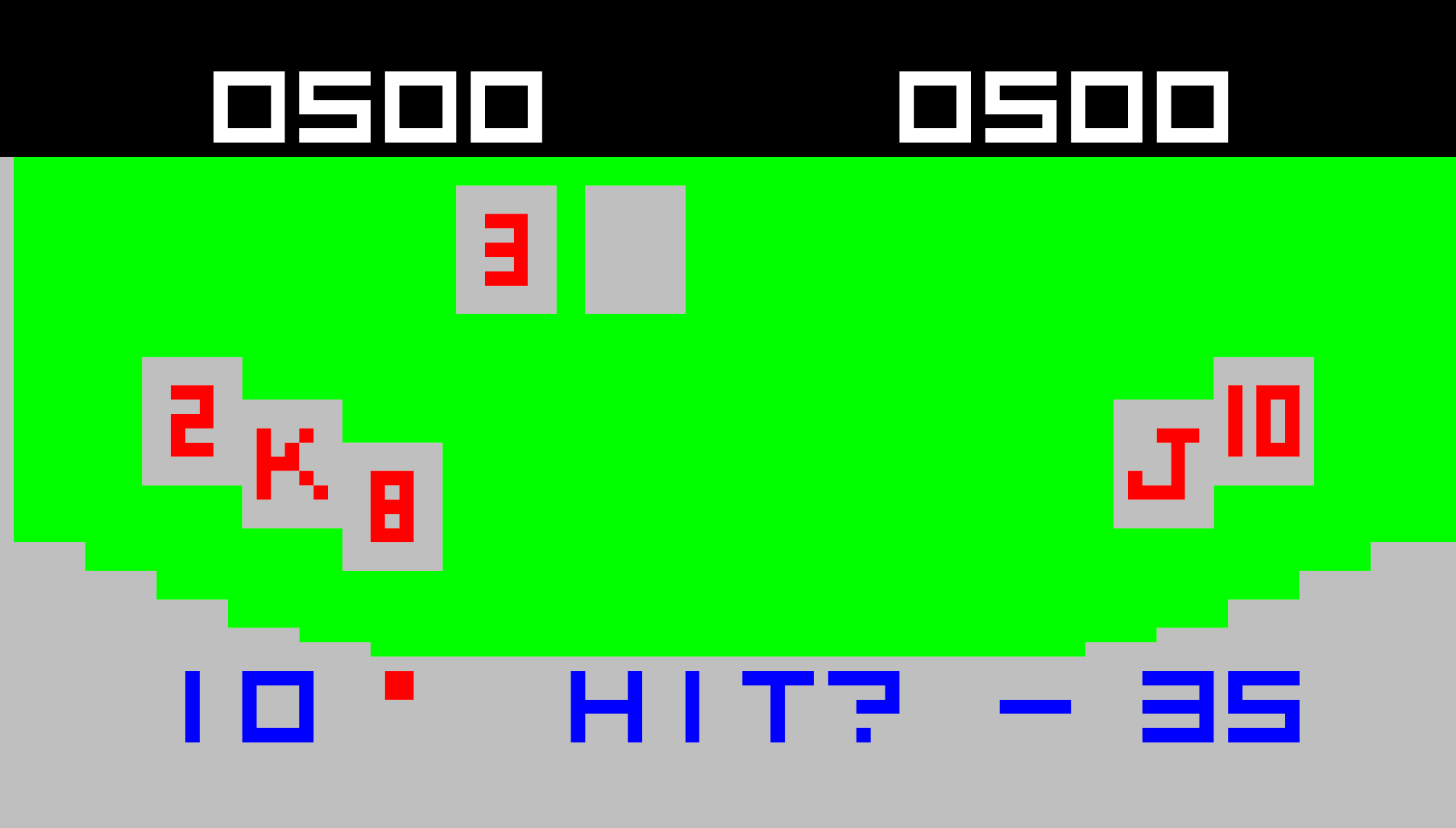
Videocart-3: Video Blackjack looks simple, but its importance isn’t. It’s the 3rd ROM cartridge ever released, hitting the market in 1976 for the Fairchild Channel F—the most innovative home console of its era. Among its other innovations is the ability to pause, it's incredible forward-thinking joystick which had a twist function—something even modern gamepads don't have—and 2KB VRAM which allowed for 8 distinct colours (4 per scanline). One engineer built both the hardware and the software: Jerry Lawson. A Black inventor who was almost entirely self-taught. At 13, he built a working radio station in his own house from parts he scavenged out of a local electronics shop. Lawson didn’t merely design a console. He created the entire model of removable digital media that every system still follows. That’s a legacy that stands on its own. image
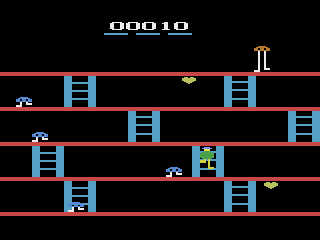
Whenever I see an Atari 2600 game in the wild, I get curious. Which is why I had to try Fast Eddie. Think Donkey Kong stripped to the chassis. No girlfriend to rescue. No barrels. Just Eddie climbing ladders, grabbing hearts, and hopping over whatever pixel blob counts as an enemy. For its era, it’s fine. It runs. It plays. It doesn’t embarrass itself. But there’s no depth here. If you live for high scores, it’ll scratch the itch. If you’re expecting anything close to Donkey Kong, it won’t. image
Today, I ran an experiment: I brewed coffee at 70C instead of 100C. And there was a substantial change to the flavour profile. Instead of tasting bold and bitter, it now tastes subtly grassy and sour. Kind of like a lemon water. I actually like the taste, but your mileage may vary.
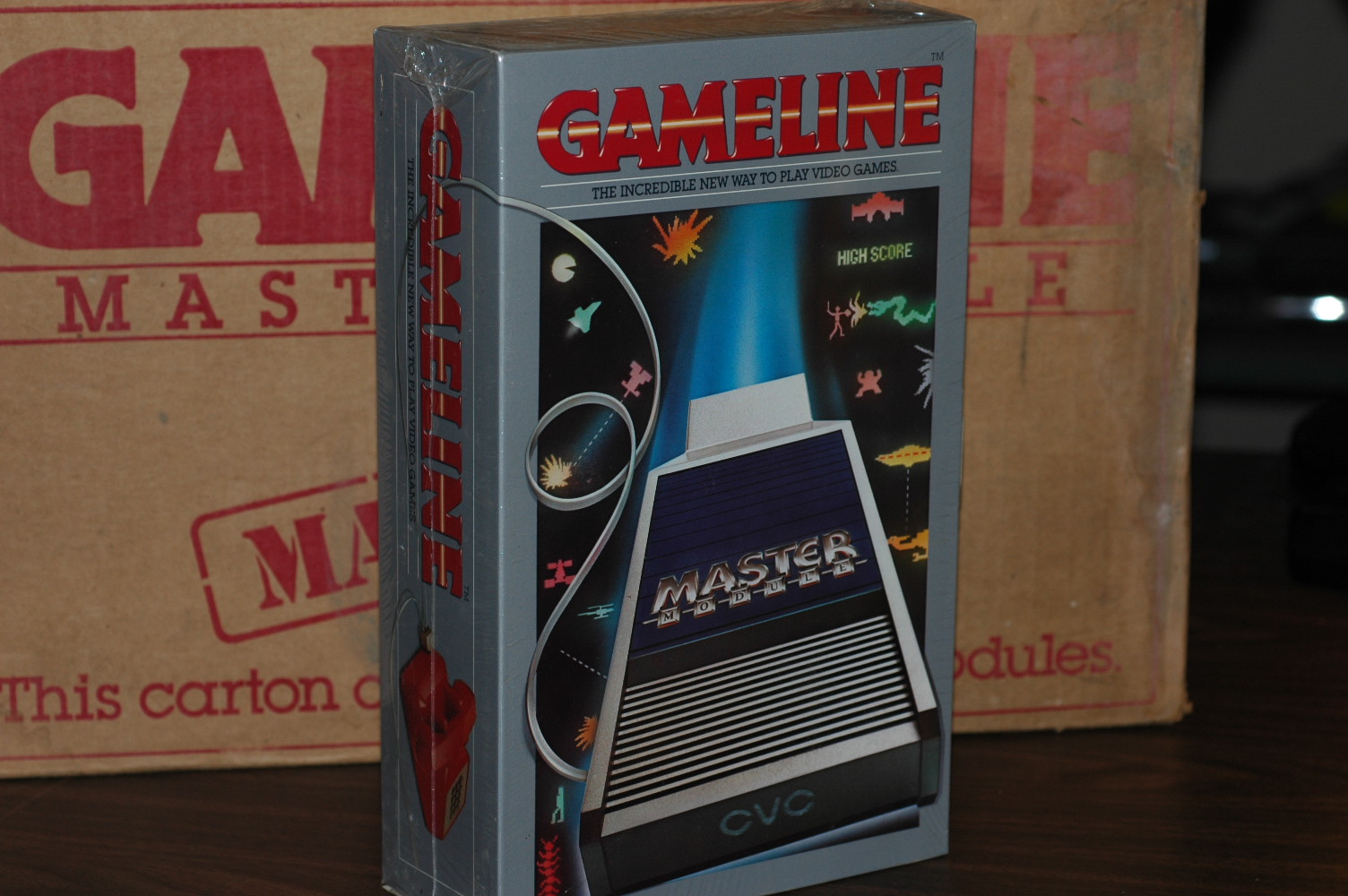
The history of AOL is absurd in the best way. Everyone remembers the dot-com peak, when it was the world’s dominant ISP and carpet-bombed households with discs. At one point, 25% of all CDs manufactured were AOL discs. That frenzy hit its peak with the Time Warner merger, briefly making AOL the largest company on Earth by market cap. Before that, it ran Q-Link on the Commodore 64. I used it. Chat, shopping, games—on a 300-baud modem. Primitive, but it worked. Before that, it ran GameLine on the Atari 2600. A modem in the cartridge slot. A phone line. And suddenly Demon Attack and Atlantis were downloadable in the early Internet era. And before that—which shows how old this company actually is—it ran the Home Music Store, piping music to retail locations by satellite. It predicted SiriusXM decades early. Record labels then killed the idea. So AOL managed to be SiriusXM before SiriusXM, and Napster before Napster. And no—AOL isn’t dead. Verizon sold it to an Italian tech firm called Bending Spoons. They own Vimeo, Evernote, Eventbrite, Brightcove, and a long tail of once-important Internet brands. Out of all of them, AOL is the one with the most interesting half-life. image
This is the trailer for Legends of Zork—the final Zork game ever made. You can’t play it. It was a browser title that lived and died on an Internet connection. It went offline two years later and never shipped an offline build. This is why game preservation matters.
You might be wondering why I’ve been studying Gnosticism. Earlier this year, I came into contact with a cult. The leader declared herself God. When I asked what they believed, I got a torrent about “5D,” higher planes of existence, and ascension. When I asked what any of that actually meant, they told me to reread the material. It was a lot. And that if I were truly ascended—if I reached mastery—I would understand. So I said, screw this. I’m going to cheat. I uploaded their literature into an AI, had it crawl everything, and asked it to decode what the hell they were talking about. Sorry, not sorry. What I found was a hodgepodge. A cafeteria line of astrology, Hermeticism, Kabbalah, Neoplatonism, and Gnosticism. Pick a little of each. Call it revelation. Most of it was easy to untangle. Though I have to note that for an explicitly antisemitic cult, they sure steal a lot from Judaism. The Gnosticism part was the hardest. Until you realize that the labyrinthine cosmology is the point. Complexity is the feature, not the bug. And Gnostics almost never agree with each other anyway. My takeaway from the whole experience is simple. Most “new” Western religions keep reusing the same ingredients. They just rename the dish and insist it’s original. Cults are not very innovative these days.