Every movement has a spearhead. But it’s the staff drives adoption.
Capture and control. We are Doomed.
Bank controlled governance in all its glory! image
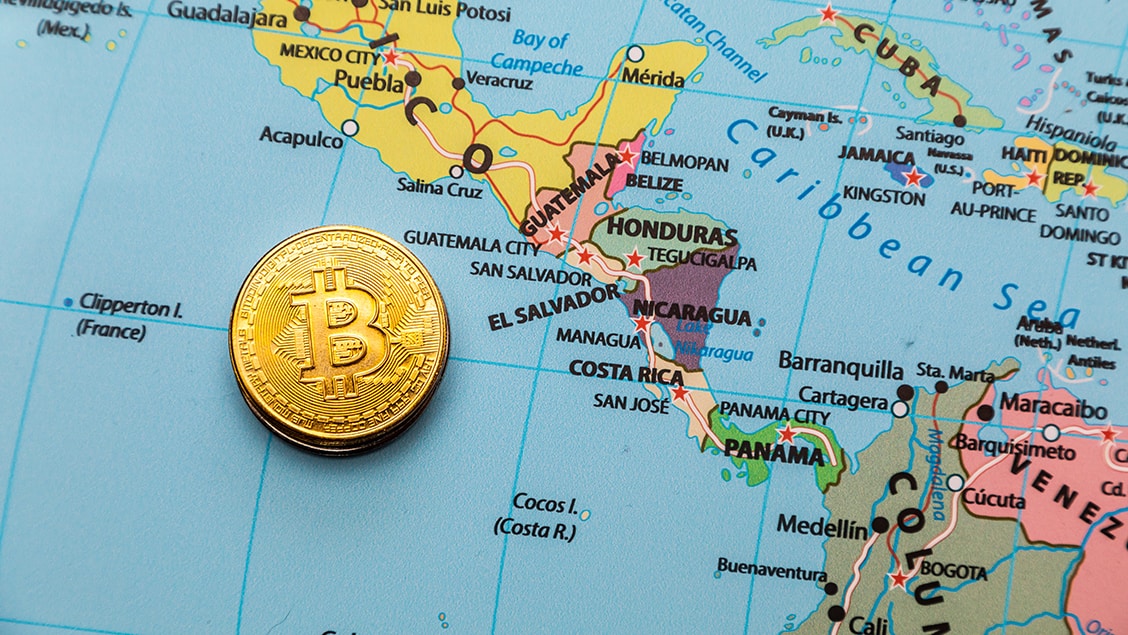
I can see it going this way. Using "Blockchain" to compete with BRICs. In your best Trump voice........WRONG A BTC‑collateralized, dollar‑interfaced energy bloc can be specified as a layered system: Bitcoin is the treasury asset and settlement rail for cross‑border energy and capital flows, while invoicing, accounting, and taxation remain in fiat (primarily dollars and local currencies).[1][2][3] ## 1. Actors And Balance Sheets **Core actors** - Sovereign treasuries and central banks in the Americas holding BTC as part of reserves, alongside dollars, Treasuries, and gold, under Strategic Bitcoin Reserve‑style frameworks.[3][1] - State‑owned or aligned energy companies (oil, gas, hydro, geothermal) holding BTC as working capital and collateral for export contracts and BTC‑backed bonds, similar to how El Salvador’s LaGeo underpins the “volcano bond” concept.[2][4] - Regulated financial intermediaries (banks, brokers, exchanges, custodians) providing BTC custody, hedging, and settlement services, building on growing institutional BTC demand and futures infrastructure.[5][6] **Balance‑sheet design** - Treasuries allocate a defined share of reserves to BTC under statute (e.g., BTC acquired over time, locked for a minimum horizon, with explicit reporting), echoing the BITCOIN Act’s Strategic Bitcoin Reserve proposal.[1][3] - Energy firms hold a BTC “buffer” sized to several months of export revenues, used to settle net positions with counterparties and to back BTC‑linked debt instruments (e.g., volcano‑style bonds financing new energy capacity).[4][2] ## 2. Contract And Settlement Architecture **Invoicing vs settlement** - Long‑term energy contracts (oil, LNG, electricity) are **invoiced** in dollars or local fiat for legal and accounting clarity, but include a clause that final settlement may occur in BTC at an agreed reference rate (e.g., daily VWAP from a designated BTC index).[5][2] - Day‑to‑day tax liabilities, salaries, and local prices remain in fiat; firms convert BTC settlement receipts into domestic currency as needed for obligations, preserving familiar unit‑of‑account conventions.[7][4] **Settlement flow** - On delivery, the buyer’s bank or energy trader instructs a BTC payment from its custodian or L2 channel to the seller’s designated on‑chain address or institutional wallet, with the fiat amount notionally converted at the agreed BTC/USD rate.[6][5] - If either side is constrained by sanctions or banking access, they can still adhere to the nominal dollar price while practically settling net flows in BTC, as seen in Venezuela’s use of crypto rails around sanctions.[8][9] ## 3. Risk Management And Market Infrastructure **Hedging BTC exposure** - Because invoices are fiat‑denominated, both exporter and importer hedge BTC price risk using listed BTC futures and options (CME, Coinbase Derivatives, etc.), which already offer cash‑settled contracts of various sizes.[10][11][12] - Central banks and sovereign funds can manage BTC share of reserves via long‑dated derivatives and rebalancing rules, similar to how they manage gold and FX portfolios, using institutional frameworks now being built out.[6][3] **Custody and compliance** - Sovereign BTC holdings are stored in multi‑site, hardware‑secured custody networks with strict key‑management rules, mirroring the Strategic Bitcoin Reserve’s envisioned decentralized custody facilities.[3][1] - Regulated custodians provide segregated accounts for state entities and energy firms, with clear reporting standards to satisfy auditors and rating agencies while still allowing on‑chain settlement.[6][3] ## 4. Legal, Tax, And Reporting Layer **Accounting and tax systems** - BTC is classified as a reserve or investment asset for states and as inventory/financial asset for firms; realized BTC gains and losses are measured in fiat for tax and reporting, using standard mark‑to‑market rules.[7][3] - Tax codes continue to assess corporate income, VAT, royalties, and payroll in fiat terms; even where BTC is legal tender, as in El Salvador, practical tax assessment and financial statements remain largely dollar‑based.[2][4] **Disclosure and regulation** - Sovereigns publish periodic reports on BTC holdings, acquisition methods, and valuation, modeled on the public transparency requirements in proposals like the BITCOIN Act.[1][3] - Payment stablecoins are regulated under statutes similar to the GENIUS‑style frameworks, so dollar‑stablecoins coexist with BTC in the bloc, enabling on‑chain fiat‑proxy liquidity while BTC remains the ultimate savings and settlement asset.[3] ## 5. Bloc Coordination And Capture Points **Coordination mechanisms** - Member states sign MOUs or treaties committing to: - Maintain some BTC reserves. - Accept BTC for a portion of energy exports. - Harmonize KYC/AML rules for BTC settlement channels.[7][3] - A regional body or working group (similar to OPEC‑type forums) periodically reviews BTC usage, reserve targets, and standard contract terms, updating reference indices and legal language as markets mature.[7] **Capture and control surfaces** - Because custody, derivatives, and compliance rails are run by regulated entities, the bloc’s BTC flows remain subject to blacklisting, margin constraints, and pressure from U.S. and allied regulators, as illustrated by sanctions actions against crypto intermediaries used for sanctioned oil trade.[13][14][8] - The design therefore creates a layered reality: BTC is the hard reserve and settlement rail, but policy leverage still operates through regulation of exchanges, custodians, futures venues, and stablecoin issuers that sit between miners/treasuries and end users.[13][6][3] [1](https://www.congress.gov/bill/118th-congress/senate-bill/4912/all-info) [2]() [3]() [4]() [5](https://www.britannica.com/money/crypto-futures-trading) [6]() [7]() [8]() [9](https://www.atlanticcouncil.org/blogs/new-atlanticist/how-venezuela-uses-crypto-to-sell-oil-and-what-the-us-should-do-about-it/) [10](📄.pdf) [11]() [12]() [13](https://home.treasury.gov/news/press-releases/sb0225) [14]() [15](📄.pdf)
image It's your choice. One, nation-less, the other multi national.
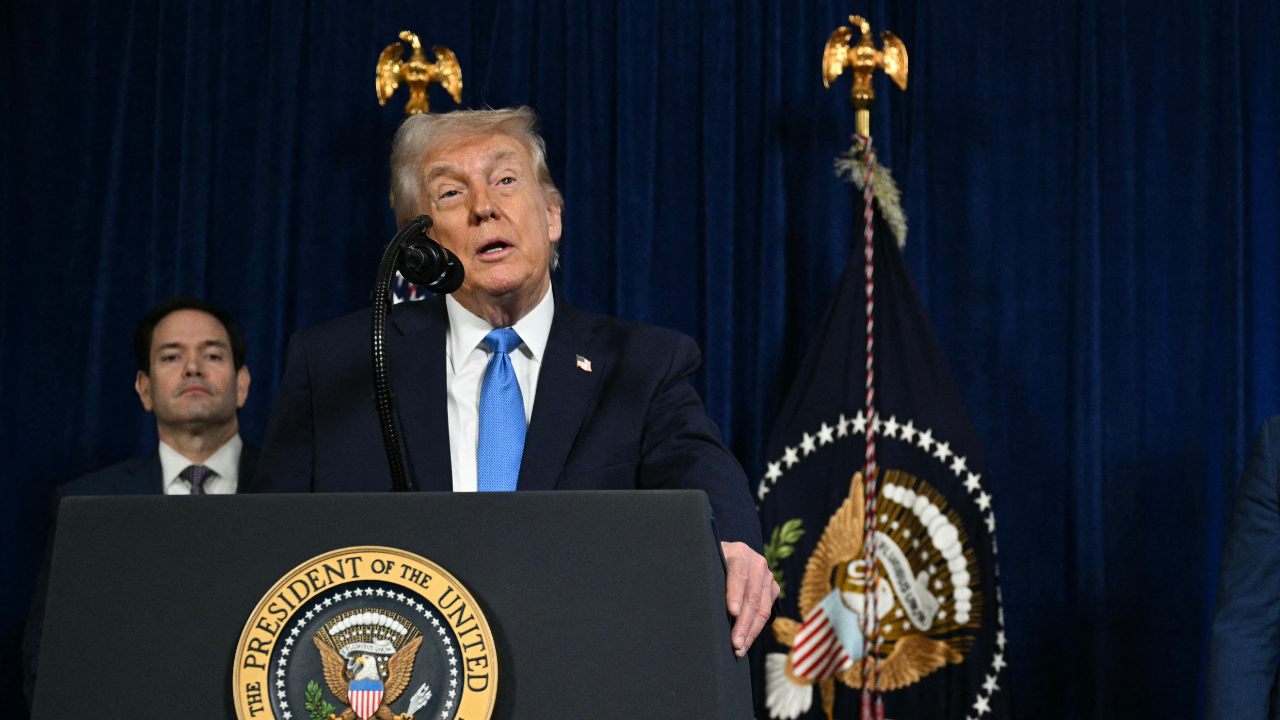
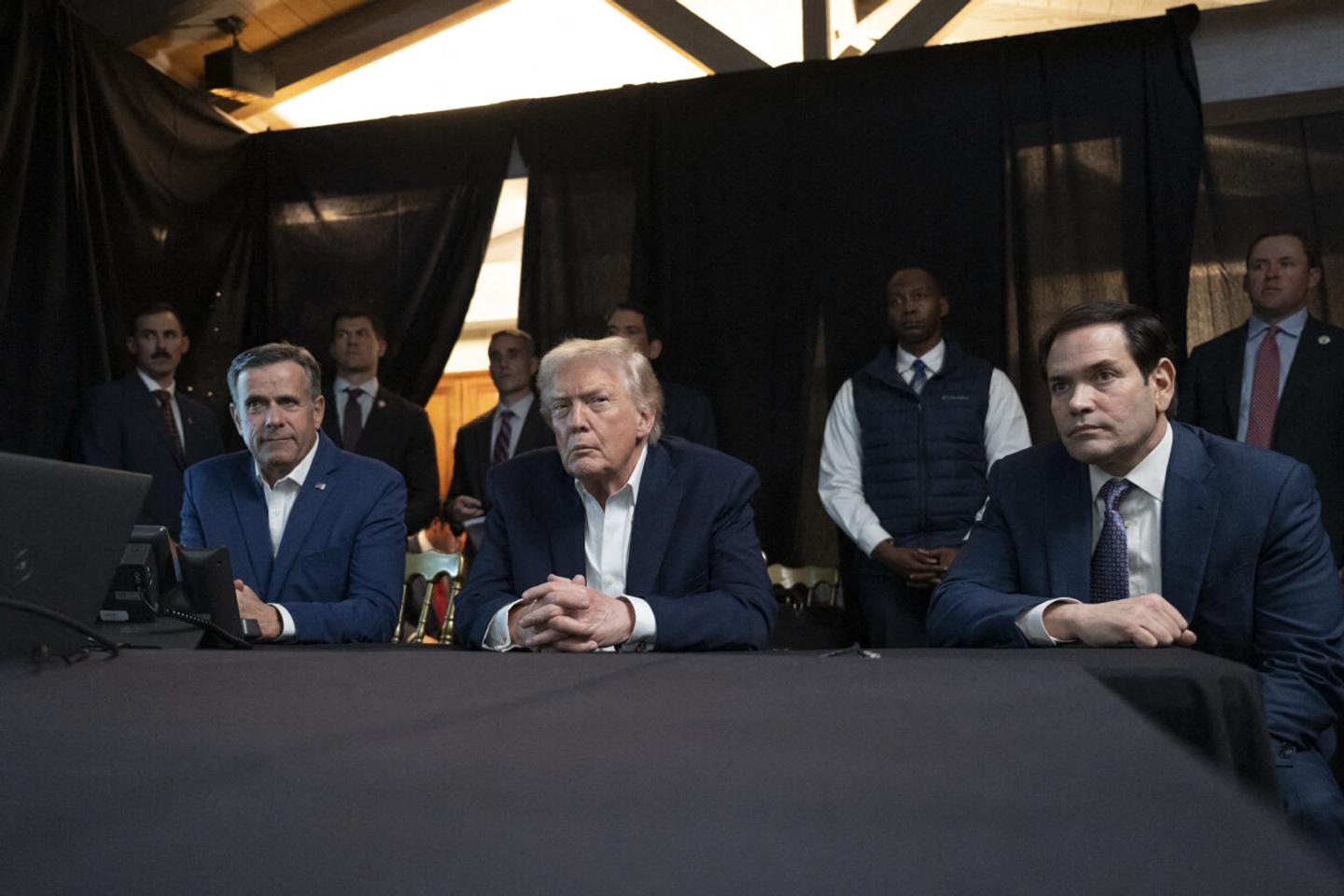
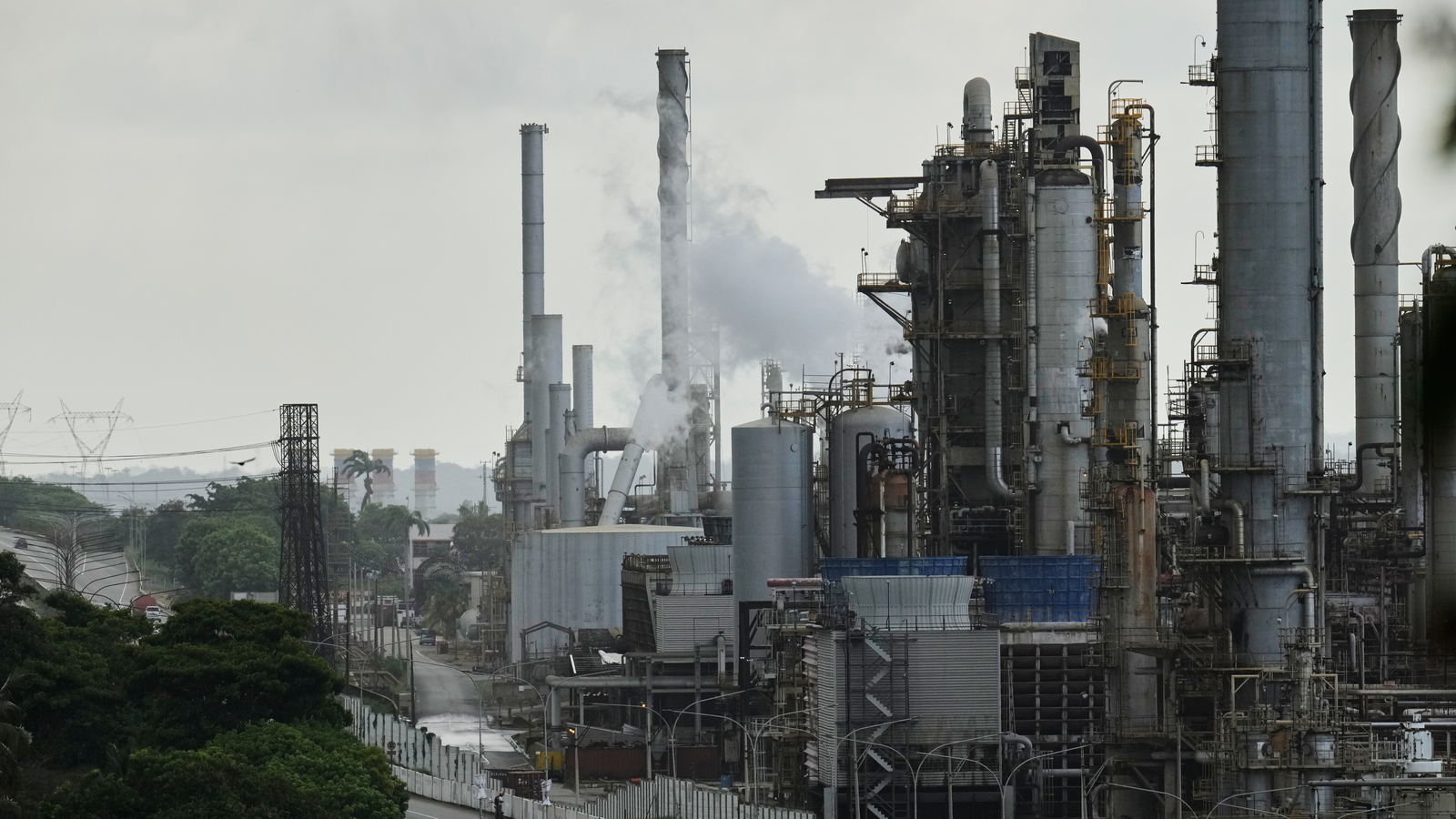
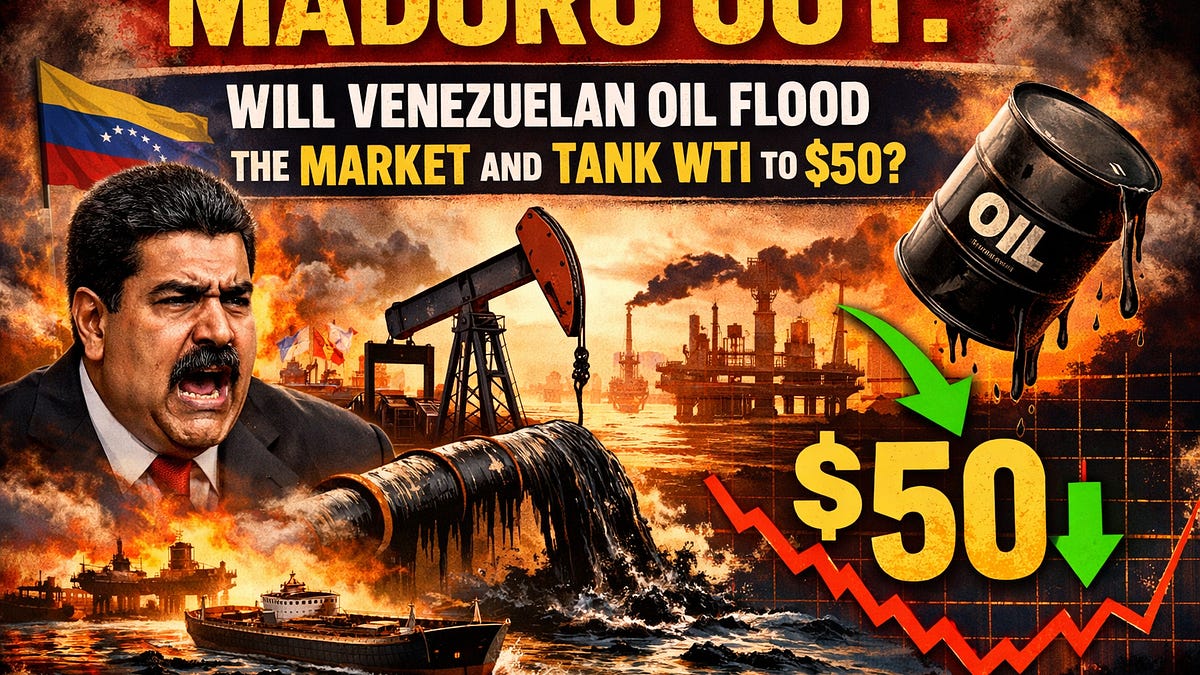
Great video https://www.youtube.com/live/MPG8unwxB1g The Venezuelan operation looks like a textbook move by a US‑aligned financial–security bloc to seize and re‑underwrite a giant energy collateral base, re-route its cashflows through Western capital markets, and deny that energy leverage to rival blocs like China–Russia–Iran.[1][2][3][4][5] ## Core mechanics of the “complex” - Venezuela holds the world’s largest proven oil reserves, which function as a massive underlying pool of future cashflows and collateral.[3][6][7][1] - The US strike that captured Maduro and Trump’s pledge that “America will run Venezuela” and invite “very large United States oil companies” back in effectively brings that collateral back under US‑centric legal, financial, and corporate control.[2][7][1][3] - Chevron’s long‑standing special license, even under sanctions, shows how a core US major was structurally kept in the game as a conduit between PDVSA and the US financial system.[5][8][6] In energy‑base terms, the deep state financial complex is the network that: writes the contracts, controls the sanctions switches, funds the capex, and securitizes future barrels into dollar‑denominated instruments. ## Sanctions, shadow finance, and reset - Since 2017, US sanctions progressively locked Venezuela out of US financial markets and directly targeted PDVSA and its oil exports, blocking normal access to dollar funding while carving out exceptions (Chevron) that maintained leverage and visibility.[9][8][6][5] - Sanctions pushed Caracas into: - Off‑book oil sales via intermediaries (Rosneft workarounds, disguised cargoes, third‑country routing).[8][6][9][5] - Emerging “informal” sectors like mining and cryptocurrency as ways to monetize energy and minerals outside the formal dollar system.[9] - The takeover resets this: it converts a messy shadow flow of energy rents into a more orderly, New York–cleared stream of oil‑backed cashflows under US regulatory, banking, and legal umbrellas.[6][7][1][2][3] So the same actors who engineered the financial strangulation now stand to intermediate the “reopening” and capture the refinancing upside. ## Integration with US majors and Wall Street - Trump’s promise that US companies will “spend billions of dollars, fix the badly broken oil infrastructure and start making money for the country” reads as a signal that: - US supermajors and service companies will receive privileged access to reserves and contracts.[10][7][3] - Those flows will be packaged into loans, bonds, equity, and structured deals through Western banks, funds, and commodity traders.[4][3][6] - Chevron already functions as a hybrid: recovering old debts with oil shipments, operating under a US Treasury license that can be tightened or loosened as a policy lever.[5][8] - Prior negotiations where Maduro’s team floated handing US companies broad access to oil and gold to defuse conflict show how the resource base is explicitly treated as bargaining chips for alignment with the US financial system.[4] This is the deep state financial complex in practice: majors on the ground, Wall Street and commodity houses on the paper, and Treasury/State/DoD running sanctions, security, and legal architecture. ## Geopolitical financial objectives - Seizing operational control over Venezuelan reserves undercuts China’s oil‑for‑loans structures and its attempt to build a non‑US‑controlled energy lifeline in the Western Hemisphere.[11][1][6][4] - It reinforces a “Fortress America” energy architecture where: - US‑aligned producers (US, Canada, Mexico, now Venezuela) anchor hemispheric supply. - Rivals’ leverage via Middle Eastern or sanctioned producers is diluted.[12][13][1] - For the dollar system, channeling Venezuelan barrels back into contracts cleared in Western institutions strengthens the role of US financial markets as the primary place where long‑dated energy risk is priced, hedged, and securitized.[1][6][4] In your energy‑base framing: this is the hegemon forcibly re‑bundling a strategic energy reservoir back into its own monetary/credit stack and cutting off competing claims. ## Where Bitcoin and “off‑system” flows sit - Pre‑strike, sanctions and economic collapse pushed Venezuela into: - Shadow oil trades. - Gold and informal mining. - Crypto experiments and alleged BTC accumulation as non‑seizable balance‑sheet buffers.[9][4] - From the complex’s perspective, those are parallel ledgers—claims on energy and minerals escaping dollar jurisdiction—that dilute US visibility and control.[8][5][9] - The takeover plus “we will manage the country and its oil” is implicitly a move to: - Reassert jurisdiction over the energy base itself. - Drag as many of those parallel claims (contracts, debts, possibly even state‑level BTC flows) back toward structures legible to US regulators and courts.[2][3][6][1][4] So in the Venezuelan case, the deep state financial complex is not an abstraction: it is the merger of military power, sanctions lawfare, major oil firms, and global dollar plumbing, all aimed at re‑owning and re‑monetizing a distressed but enormous energy asset stack. Sources [1] How Trump’s Venezuela Takeover Could Change the World [2] Live updates: U.S. captures Maduro and his wife after striking Venezuela [3] Trump pledges US return to Venezuela oil industry after Maduro's ... [4] Venezuela's Maduro Offered the U.S. His Nation's Riches to Avoid Conflict [5] Explainer: Why Chevron operates in Venezuela despite US sanctions [6] How Venezuelan oil factored in US seizure of Maduro [7] With Maduro abduction, Trump flexes muscles and sends world a ... [8] US slaps sanctions on Maduro family, Venezuelan tankers [9] Into the shadows: sanctions, rentierism, and economic informalization in Venezuela http://www.erlacs.org/articles/10.32992/erlacs.10556/galley/10927/download/ [10] Donald Trump's plan to seize Venezuela oil industry after Nicolas Maduro captured faces major hurdles [11] Why the U.S. Really Wants Maduro Gone: It’s About Oil, Power, and Russia/China https://www.reddit.com/r/conspiracy/comments/1pctlby/why_the_us_really_wants_maduro_gone_its_about_oil/ [12] Maduro Out: Will Venezuelan Oil Flood the Market and ... [13] What Trump’s Attack on Venezuela Means for the Region and the World [14] The crisis in Venezuela: Drivers, transitions, and pathways http://www.erlacs.org/articles/10.32992/erlacs.10587/galley/10925/download/ [15] The New Left and Mineral Politics: What’s New? http://www.erlacs.org/articles/10.18352/erlacs.9604/galley/10025/download/ [16] Economic and Social Turmoil in Venezuela Caused by Autocracy and Misgovernance https://www.journals.resaim.com/ijresm/article/download/412/385 [17] A story within a story: Venezuela’s crisis, regional actors, and Western hemispheric order upheaval http://www.erlacs.org/articles/10.32992/erlacs.10585/galley/10928/download/ [18] Two Decades of Imperial Failure: Theorizing U.S. Regime Change Efforts in Venezuela from Bush II to Trump https://digitalcommons.fiu.edu/cgi/viewcontent.cgi?article=1162&context=classracecorporatepower [19] The Devil and Florentino: Specters of Petro-Populism in Venezuela 📄.pdf [20] Some of the Causes of Conflict Between Europe and Latin America 📄.pdf [21] Trump says U.S. will run Venezuela after U.S. captures Maduro https://www.reuters.com/world/americas/loud-noises-heard-venezuela-capital-southern-area-without-electricity-2026-01-03/ [22] The Venezuela Takeover [23] A Strategic Break for South America [24] Trump says US is taking control of Venezuela’s oil reserves. Here’s what it means https://www.cnn.com/2026/01/03/business/oil-gas-venezuela-maduro




An energy‑base economy that funds government can be framed as “tax the use of scarce power, not the creation of value,” then route that revenue into both low taxes on work/enterprise and a universal floor of security. This lets rugged individualists see protected markets and personal responsibility, while compassionate socialists see guaranteed dignity and shared stewardship of common resources.​ Define the core idea Government raises most revenue by taxing energy throughput (carbon, electricity, fuels, large‑scale industrial use), treating it as the primary “use of the commons” rather than taxing income or ordinary trade.​ A fixed share of that revenue goes to: Minimal but strong rule‑of‑law state (courts, defense, basic infrastructure). A universal, unconditional cash dividend or UBI, pegged to some reference family energy basket.​ Why rugged individualists can back it From a rugged‑individualist / classical‑liberal angle, emphasize: Less distortion of work and trade Income and payroll taxes directly penalize work and hiring; energy taxes penalize wasteful use of a common resource instead, leaving labor and entrepreneurship freer.​ A simple, meter‑based tax on upstream energy avoids sprawling codes and micromanagement of every business decision.​ Property rights and “skin in the game” Energy is treated like a finite, commonly owned resource: if you deplete or pollute more, you pay more into the system that everyone shares.​ No one is forced into a specific lifestyle; each person chooses how much energy to consume and pays accordingly, internalizing their externalities instead of regulatory command‑and‑control.​ Small, focused state instead of managerial socialism The state acts like an umpire setting a clear price on energy use and enforcing contracts, not a planner picking winners, industries, or technologies.​ A universal dividend can replace many targeted welfare programs and bureaucracies, shrinking administrative state power while still addressing poverty and volatility.​ Why compassionate socialists can back it From a compassionate‑socialist / egalitarian angle, emphasize: Universal economic floor A per‑capita dividend or UBI funded by energy taxes guarantees every person a share of the value drawn from the planet and shared infrastructure, like an updated Alaska Permanent Fund logic.​ Studies of UBI funded by carbon/resource taxes suggest large potential gains in global GDP and resilience by reducing poverty and insecurity.​ Climate and justice alignment Pricing energy—especially carbon‑intensive energy—directly discourages pollution and overuse while raising funds to protect those most exposed to climate and economic shocks.​ Because everyone receives the same dividend, lower‑income households (who use less energy) tend to net‑benefit: they get back more in cash than they pay in higher energy costs, flipping a regressive tax into a progressive outcome.​ De‑stigmatized solidarity Dividend/UBI is a right of co‑ownership in shared resources, not a means‑tested “handout,” which helps preserve dignity and avoid bureaucratic gatekeeping and stigma.​ Bridging narrative: a shared frame To argue across both camps, use a language of shared resource, individual choice, mutual dividend: “Energy is the one universal input; whoever uses more of the planetary commons pays more, and everyone gets an equal shareholder cut of that value.”​ “Government does less steering and more refereeing: it meters energy, enforces contracts, protects basic rights, and wires out a transparent dividend; everything else is left to voluntary cooperation and market creativity.”​ “Compassion is built into the base layer (a guaranteed dividend and cleaner environment), while ambition and risk‑taking are not punished by extra layers of tax on success.”​ If you want to fold Bitcoin in This same logic is easy to extend: governments tax energy; markets price energy and everything else in a digital unit whose issuance itself is constrained by energy (Bitcoin), so fiscal policy, monetary unit, and physical scarcity line up in one coherent energy‑anchored system. That gives both sides a stable, non‑political base money and a transparent, meter‑based tax‑and‑dividend loop rather than opaque inflation or complex tax codes.​
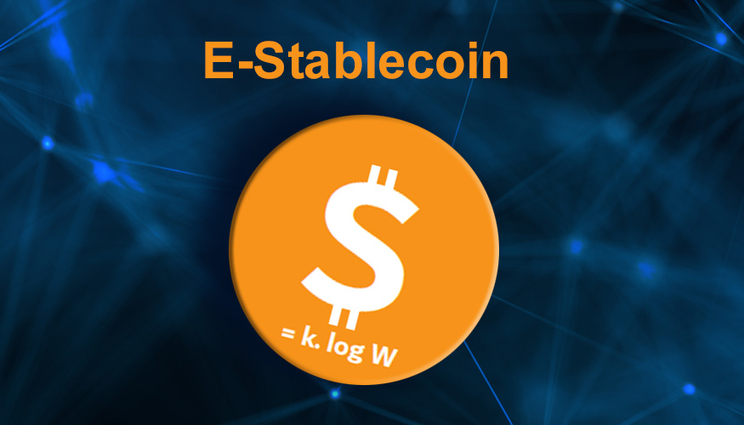
Bitcoin is uniquely suited to be the monetary layer of an energy‑metered economy because its issuance and security are bound to real‑world energy through proof‑of‑work, giving it an “unforgeable costliness” that other digital assets lack. In a regime where economic activity and taxation are explicitly framed in terms of energy use, a monetary unit whose creation is itself constrained by competitive energy markets provides a coherent, self‑consistent base for pricing, saving, and taxation.[bitcoinmagazine +2] Energy economy and unit of account In an energy‑driven economy, three things matter for money as a unit of account: • It must map cleanly onto energy costs, because production, consumption, and taxation are all denominated in energy usage (kWh, joules, BTU, etc.).[moomoo +1] • It must be globally fungible and permissionless so that energy producers, consumers, and states can settle across borders without central chokepoints.[aaltodoc.aalto +1] • It must be difficult to create without incurring comparable real‑world energy and capital costs, or the entire “energy budget” framing breaks down.[bitcoinmagazine +1] Bitcoin mining competitively bids for the cheapest energy on earth, turning electricity and hardware into a scarce digital asset whose supply path is fixed and whose security depends on continued energy expenditure. That direct linkage between energy markets and monetary issuance makes Bitcoin unusually compatible with a world where energy itself is the primary economic and tax base.[moomoo +2] Proof‑of‑work as energy anchor Bitcoin’s proof‑of‑work (PoW) ties monetary issuance to physical reality: • Miners must expend real electricity and capital to propose valid blocks, and the network self‑adjusts difficulty so that blocks arrive every ~10 minutes regardless of hash rate.[andercot.substack +1] • The cost to produce a bitcoin is not a fixed kWh number, but competition drives miners to the marginal cost of energy; analyses estimate that each coin embodies a large “socially necessary” energy and production cost.[digiconomist +1] This dynamic costliness is exactly what prevents arbitrary monetary expansion: no one can conjure new bitcoin without paying the going real‑world energy and hardware price. In an energy‑taxed regime, that means the monetary base cannot expand faster than society is willing to allocate energy and capital away from other uses towards mining, which keeps the accounting consistent with the physical energy budget.[aaltodoc.aalto +2] Why alternatives fail the energy test Most other proposed digital monies fail specifically on the energy link that an energy economy requires: • Proof‑of‑stake and database tokens: These systems rely on stake or administrative authority, not ongoing energy expenditure, to secure history, so new units can be created or rules changed without paying a fresh energy cost. That breaks the symmetry between “we tax energy use” and “we issue money only via competitive energy spend.”[andercot.substack +1] • Fiat‑backed or asset‑backed stablecoins: They inherit the monetary policy and political risk of the underlying issuer or collateral and are not constrained by an energy budget, only by balance sheet and regulation. In an explicitly energy‑metered tax regime, that reintroduces the very disconnect between money supply and energy reality that the regime is trying to eliminate.[globallegalinsights +1] • Explicit energy‑redeemable tokens (E‑Stablecoin‑type designs): Research prototypes exist for tokens redeemable 1:1 for a kWh of electricity, but they either depend on physical infrastructure and redemption guarantees or remain early‑stage theoretical systems. They also function more like commodity vouchers than a globally neutral base money, and they lack Bitcoin’s live, battle‑tested security and liquidity.[llnl] Without an unforgeable, market‑priced energy cost to creation and defense, these alternatives cannot serve as a neutral, global energy‑denominated unit of account; they always defer to some social or political authority at the margin.[digiconomist +1] Bitcoin and energy‑based taxation If governments tax directly on energy use—say, a levy per kWh consumed or embedded in production—Bitcoin fits naturally into the measurement and settlement stack: • Mining already exposes miners to energy‑specific taxation proposals, such as excise‑style taxes on mining electricity costs, showing how tax can be directly tied to measured energy consumption.[gordonlaw] • Bitcoin transactions can be priced in energy terms (e.g., “this good costs X kWh”) while still settling in a globally traded, highly liquid asset whose marginal production is itself constrained by energy prices.[moomoo +1] In that world, using Bitcoin as the unit of account closes the loop: energy → cost of production → bitcoin issuance and security → pricing and taxes → incentives to optimize energy use. Any monetary system not grounded in real‑world energy through something like proof‑of‑work reopens the gap between abstract ledgers and physical resource use, undermining an explicitly energy‑driven economic and tax architecture.[bitcoinmagazine +4] Is there a plausible alternative? The only serious contenders would need all of the following: • A credibly fixed or rule‑bound supply schedule. • Security rooted in unavoidable physical‑world cost (likely energy), not just social consensus or legal authority.[andercot.substack +1] • Global neutrality and decentralization comparable to Bitcoin’s, with no central issuer and a long history of attack resistance.[aaltodoc.aalto +1] Current proof‑of‑stake chains, fiat currencies, and collateral‑backed tokens do not meet this standard, and even experimental physics‑based currencies aim at niche energy‑voucher roles rather than replacing a neutral base money. Until a system emerges that can match Bitcoin’s combination of energy‑anchored issuance, neutrality, and real‑world track record, Bitcoin remains the only digital asset that can coherently serve as the unit of account in a genuinely energy‑driven, energy‑taxed economy.[llnl +4] Sources [1] Why Proof-Of-Work Is A Superior Consensus Mechanism For Bitcoin [2] Computing Power as Anchor: A Production Cost Analysis of Bitcoin's ... [3] [PDF] Bitcoin and Energy Consumption - Aaltodoc https://aaltodoc.aalto.fi/bitstreams/fb164e29-7b50-4c2e-9a54-555899f015e0/download [4] Decentralized Energy Based Currency - by Andrew Cote [5] Bitcoin Energy Consumption Index - Digiconomist [6] Blockchain taxation in the United States - Global Legal Insights [7] Frequently asked questions on virtual currency transactions - IRS [8] Physics-based cryptocurrency transmits energy (not just information ... [9] Crypto Mining Tax 101: How to Report Bitcoin Mining [10] Is Bitcoin fundamentally priced based on energy or market value ... https://www.reddit.com/r/Bitcoin/comments/1lxu7eq/is_bitcoin_fundamentally_priced_based_on_energy/