The strategy of the day seems to be, "Let's explain harder."
What if the people that disagree with you already understand? Maybe it's not a matter of explaining, but genuine fundamental disagreement?
Update:
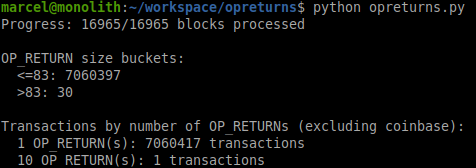
There have been 11700 transactions since block 894289 that have had OP_RETURN size > 83. This is way more than the 30 from the first 4 months and it's probably because of @oomahq
's challenge to make the non-standard OP_RETURNs more than 50% of the total OP_RETURNs.
Running the numbers on these, here are the fee rates that they paid compared to the median fee rate.
On average the 11700 transactions paid 191% more than the median fee rates of the blocks in which they were included. Or put another way, these transactions paid a bit less than triple the median fee rate.
1336 paid less than the median fee rate
2197 paid between the median and 50% more than the median fee rate
3516 paid between 1.5x-2.5x the median fee rate
1554 paid between 2.5x-3.5x the median fee rate
3094 paid more than the 3.5x the median fee rate
1064 were mined by F2Pool
10636 were mined by MARA Pool
You can look at all the transactions in the spreadsheet I put together:
).
There were 30 such transactions in the ~4 month period:
8 had reasonable fees (< 2x the median for the block)
11 had around double fees
7 had around triple fees
4 had 5x-8x fees
9 were mined by F2Pool (10-11%)
21 were mined by Mara (6-7%)
So in general, the OP_RETURN filter means the non-standard transactions were on average paying a good deal more than normal transactions to get into a block. And since only about 18% of the hashing power seems to mine them, they had to wait 5-6x longer to confirm.
If the point of filters is to make spamming cumbersome and costly, I'd say that they're doing their job. TX IDs in the first comment so you can look for yourself.
Right now non-standard transactions compete for block space only within mining pools that allow out-of-band payments, which naturally makes them less reliable and more expensive. This makes non-standard transactions economically disincentivized compared to standard transactions.
So filters don't "work" in the sense that they prevent all spam. But they work in the sense that they disincentivize them.
For free subscribers: Welfare Consequences, What Puritans Were Really Like, Equal Value Legislation, Feminization and a $21 Trillion Bunker.
For paid subscribers: MEVPool, Mempool Policy History, Liquidity Subscriptions, Rumble Wallet, Strike Loans and more!
#Bitcoin Tech Talk #448