Three website features that could be built into browsers:
• Mode toggles (dark mode, light mode, print mode, …)
• Self-links for headings
• Cookie dialogs (with a default choice that can be triggered automatically)
Two great new #Mastodon features:
• Quote posts
• Automatic fetching of all replies of a post (which is especially useful for instances with few users)
Those were two items on my list of Mastodon weaknesses:
CSS: I’m not sure fluid typography/layout is a good idea. I’m regularly coming across web pages that don’t look good when I open a large browser window on my 27-inch display—e.g.: YouTube looks great at half screen, not ideal at full screen.
I’m looking into the world of authentication and most solutions are remarkably complex (most of it justified? some of it?): separate services, object-relational mapping frameworks, etc.
Additionally, most of the advice online sounds dogmatic and doesn’t explain the reasons for adopting certain practices.
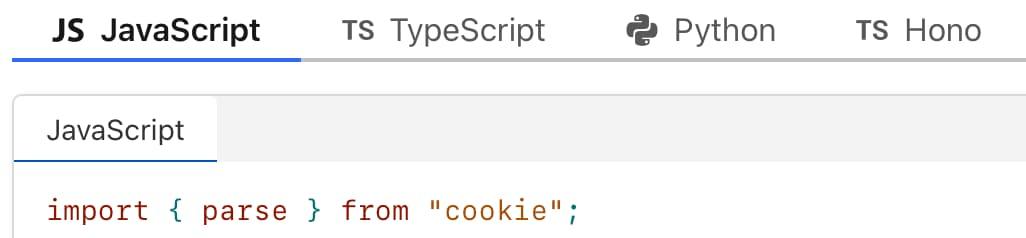
Hono looks interesting. It’s a server-side framework that supports a large variety of platforms: Node.js, Deno, Cloudflare Workers, Netlify, AWS Lambda, etc. Cloudflare even has Hono versions of their code examples.
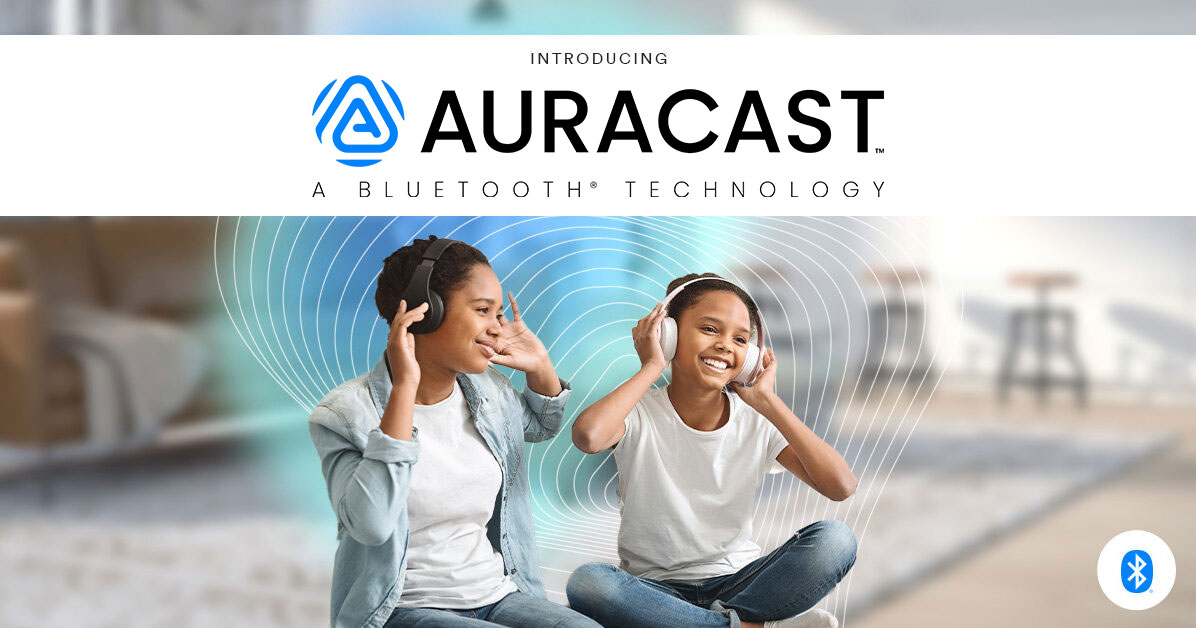
Bluetooth 5.2: “Bluetooth LE Audio also allows one-to-many and many-to-one transmission, allowing multiple receivers from one source or one receiver for multiple sources, known as Auracast.”