#deltachat is geared and optimized for private messaging even though it's successfully used for 100+ people chats as well. Doing large scale chats has two challenges: - implementing scalable encryption so increased number of recipients does not increase message size/cpu cost for the sender - grow good moderation tooling because public channels/chats invite a lot of spam, unwanted stuff For large chats today we recommend to control who joins, and maybe use a separate chat profile.

#openpgp traditions and #signal both bind a cleartext identifier, phone number or email address, to a cryptographic key. It opens up attack vectors as the servers/orgs controlling this binding can interfere. #deltachat avoids such cleartext identity bindings by creating random #chatmail addresses, as transport only. The cryptographic key becomes the identifier and we want it hidden from the transport layer. Only people being in end-to-end encrypted chat need to identify each other, after all.
new security milestone reached: #chatmail relay servers are hardened to only transfer end-to-end encrypted e-mail with metadata minimization. No cleartext message can enter or leave the secure chatmail network anymore. We now talk about "chatmail relays" rather than servers as they only ephemerally store messages until delivery. Dirt cheap to run. We opened up our #rust "chatmail core" infrastructure library and set up an overview of the community driven ecosystem ... image
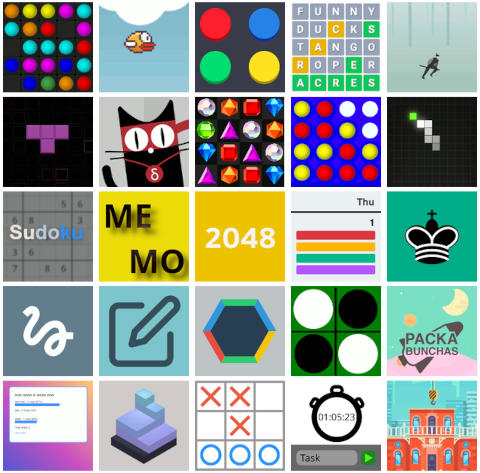
Dear fans of messenger comparison sports, How does it factor in that on #deltachat there are many apps that can be used in a chat without requiring a login or even a privacy policy ... And the apps all work like cryptpad but automatically and without requiring any server side hosting? Editing documents and checklists and calendars are all safely end-to-end encrypted without a server and anyone can write new #webxdc apps permission free. Which other cross-platform messenger offers this? image