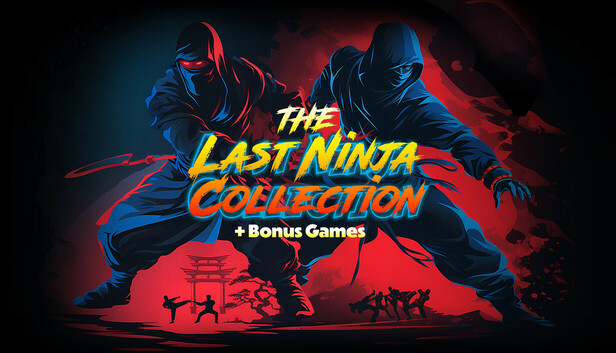
The Last Ninja Collection is out. It includes every The Last Ninja title, with versions for the Commodore 64, Amiga, and ZX Spectrum. It also bundles International Karate and Bangkok Nights. This was one of the defining video game franchises of the 1980s. The Last Ninja sold over 1 million copies on the Commodore 64 alone. At release, it was a technical flex, pushing advanced isometric graphics well beyond what most machines of the era were expected to handle. The collection is released by System 3, the original developer and publisher. The presentation closely mirrors the modern docu-retro treatment Atari has been using lately: archival, reverent, and clearly aimed at preservation rather than reinvention.
Acclaim is back as a publisher again. Once the biggest publisher in the video game industry, Acclaim put out Mortal Kombat, NBA Jam, and Turok. They later branched into comics by acquiring Valiant Comics. But it all ended badly. In the early 2000s, Acclaim collapsed into bankruptcy after years of aggressive spending and declining returns. The revival is smaller and more cautious. No AAA ambitions. The new Acclaim is focused entirely on retro-styled indie games. One unexpected detail. The company is advised by Jeff Jarrett* co-founder of TNA Wrestling and now a business development executive with All Elite Wrestling.
Today, I learned that mountain beavers are not actually beavers. Despite their name, they're not even related to North American or Eurasian beavers. They are, instead, the only extant members of the family Aplodontiidae. They're considered primitive mammals. Thus, a living fossil.
I’m a huge fan of Qimen, also called Keemun, black tea. It’s deep, malty, and brisk. Almost spicy, with a restrained sweetness. No bitterness if you keep the steep under 3 minutes. That assumes you’re using whole leaf, loose tea. Not dust in a bag pretending to be leaves. This matters because Qimen still shows up in English Breakfast and Earl Grey blends. Most of those are bad. Grocery-store bad. That’s not the tea’s fault. That’s the market doing what it does. If you want the real thing, look for Qimen at specialty tea shops. Especially the ones in Chinatowns. They usually know exactly what they’re selling. image
Happy Winter Solstice! Shortest day of the year! Today, in Vancouver, sunset is 4:16PM.
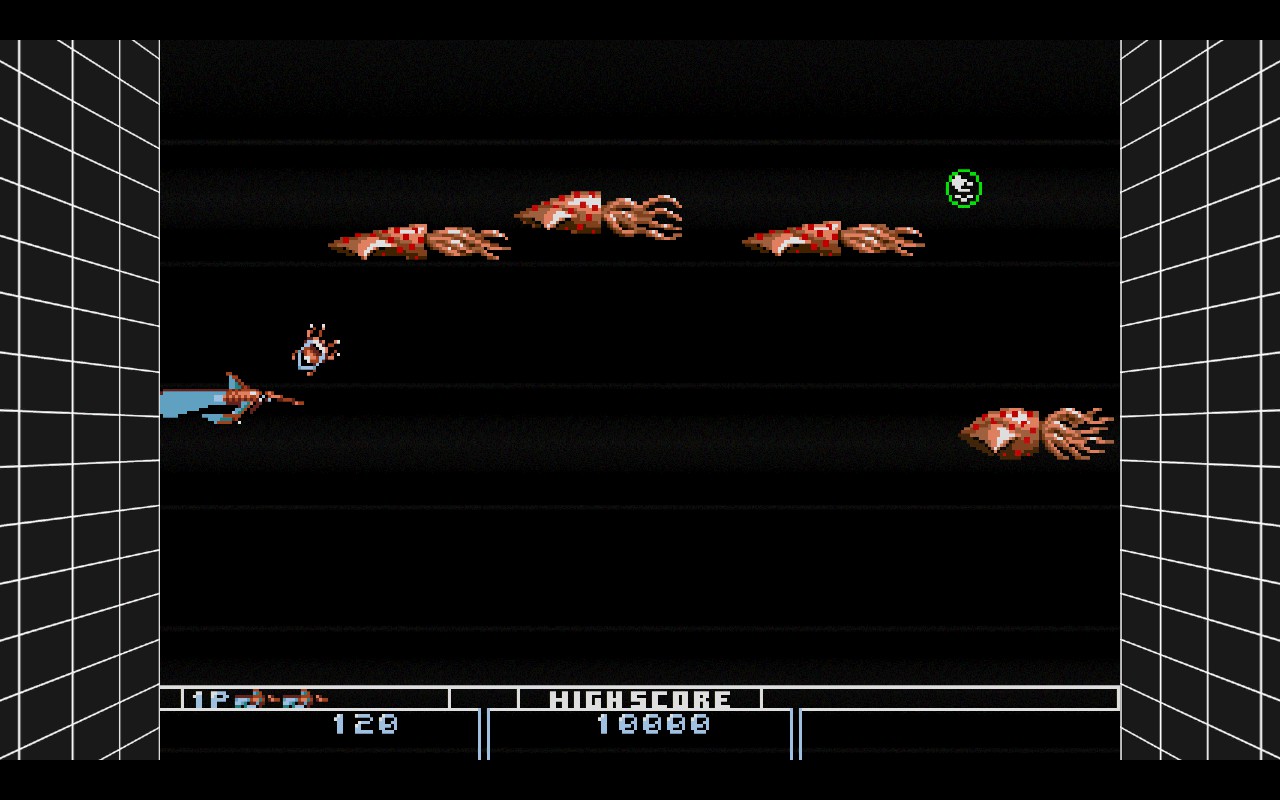
Bio-Hazard Battle is a big reason Resident Evil is called Resident Evil outside Japan. In Japan, the series is titled Biohazard. That name could not be used in North America due to trademark conflicts. One of the existing video game uses was Bio-Hazard Battle. It was not the only conflict, but it was part of the prior art that made the name legally risky. Capcom changed course. A new title was born. The irony is that Bio-Hazard Battle itself was renamed for the West. In Japan, it released in 1992 as Crying: Aseimei Sensou. It is stranger, bleaker, more honest. But marketing did what marketing does. Developed by Sega’s CS1 team, Bio-Hazard Battle is a horizontal shooter built around biological horror rather than machines. Everything looks grown instead of manufactured. Big sprites. Loud color. Heavy dithering doing intentional work, not hiding limitations. It stands out immediately on the Genesis. Unlike Resident Evil, this is not survival horror. It is a horizontal shoot-‘em-up. Or put another way, it is forward motion under pressure. The screen scrolls fast and punishes hesitation. Charging shots matter for larger enemies. The Power Star orb doubles as shield and upgrade carrier, which means losing it hurts instantly. Screen-edge crushing is real. The game does not care if you were almost clear. The soundtrack is bass-heavy and abrasive in the best way. The Genesis sound chip gets dismissed by people who only remember weak ports. In capable hands, it snarls. This game proves it. At release, reviews were solid but not euphoric. Over time, it settled into cult status. Not a genre pillar, but unmistakable. A biological shmup with a committed aesthetic, mechanical quirks, and just enough historical impact to quietly influence how one of the biggest horror franchises in games ended up being named. image
Anyone who says 8-bit chiptunes don't have soul has never heard this incredible performance of Bolero. This is one of the most impressive feats of musicianship I've ever witnessed.
Lately I’ve been hearing a lot of hullabaloo about Steam’s so-called discoverability problem. So far in 2025, **19,606 games** have been released on Steam. Of those, **2,286 have zero reviews**. To some pundits, this is a crisis. No reviews must mean these games are invisible. Lost. Failed by the algorithm. Tragic. I wanted to test a simpler question. Would I actually buy any of these zero-review games? So I picked a single day. **September 1, 2025.** Recent enough to reflect current conditions. Far enough back that “it’ll get reviews later” is no longer a convincing excuse. I ignored Early Access. Those are not releases. Those are promises. On that day, I found **7 games** with zero reviews. Here they are, with genres, and whether I’d touch them. **Backrooms Maze 2D** Genre: Dungeon crawler rogue-lite Worth buy? No. Ugly, choppy, visually confused. I’ve seen Atari 2600 games with more charm and better pacing. **Fluffy Party** Genre: Sports Worth buy? No. Rocket League, but worse. Also PvP and co-op only. Which means if no one’s playing, congratulations, you bought a menu screen. **White Eternal** Genre: 3D RPG Worth buy? Maybe. Only if it’s under $1. It does have a free demo, which helps. The visuals are passable but rough. The UI looks hostile. This game radiates jank. **Day Of The Tank** Genre: Top-down shooter Worth buy? No. Ugly visuals, shrill audio, and a trailer with no music. That is not confidence-inspiring. **Dimensional Rift** Genre: 2D platformer Worth buy? Yes. Pixel art looks great. Music is catchy. This one immediately stands out. **ECHO Re:Kill** Genre: Visual novel Worth buy? No. I don’t like visual novels. Simple as that. **Line Defense** Genre: Top-down shooter Worth buy? Yes. There’s a demo. Visuals are basic but clean. I’ve enjoyed games like this before and would take the risk. So out of 7 games • 4 are hard no’s • 2 are definite buys • 1 is a maybe if the demo doesn’t embarrass itself Already, this doesn’t look like an algorithmic tragedy. Now let’s look at the ones I’d actually buy and why they might have zero reviews. First, the names. **Dimensional Rift** and **Line Defense** are aggressively generic. They tell you nothing. Worse, Dimensional Rift shares its name with a free VR game that already exists and is more popular. Good luck with that SEO. Second, presentation. These games target a specific audience that likes low-res visuals. That audience exists. I’m part of it. But it’s crowded. Everyone is doing pixel art now. Standing out requires exceptional art direction, music, or storytelling. “Competent” is no longer enough. As for **White Eternal**, the only reason it survives my cut is the demo. If that demo isn’t good, it’s dead on arrival. No mystery there. Regarding the four games in my “no” pile: even if they’re handmade, even if they’re artisanal, even if the pixels were lovingly placed one by one—they’re slop. Is this day representative of zero-review games in general? In my experience, yes. I watch Steam releases closely. There is far more slop than gold. Separating the two takes effort. And when a decent game fails, the reason is usually boring. Not discovery. **Marketing.** Bad trailers. Weak screenshots. Copy that explains instead of excites. No hook. No angle. No reason to care. Sometimes that’s fine. Many of these are solo dev projects. Getting onto Steam was the goal. Anything beyond that is a bonus. And actually, itch.io has far more of this. Steam just adds a layer of perceived prestige. So no, I don’t think Steam’s core problem is discoverability. It’s marketing. The algorithm can’t save you from a bad first impression. image
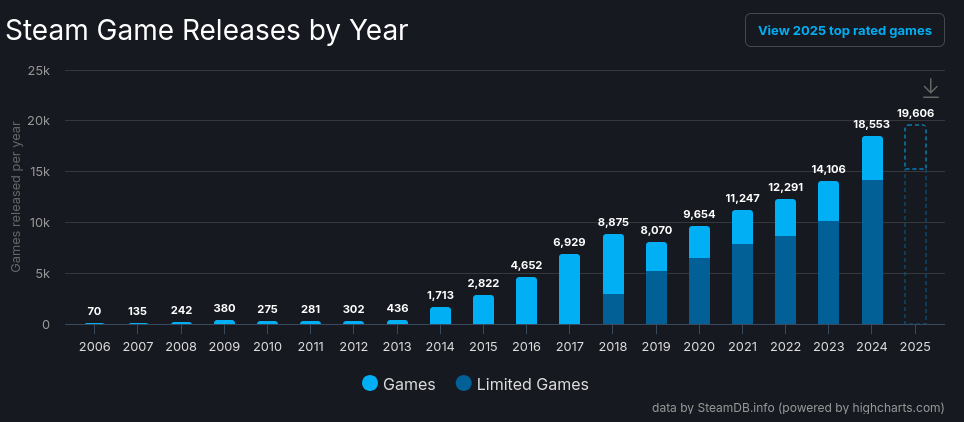
Steam currently sits at 19,606 game releases in 2025. Will it break 20,000 this year? Yes. There are 11 days left. Steam needs 394 more releases by December 31. That works out to 36 games per day. On December 19, Steam shipped 62 games. As of this Saturday morning, 13 are already live. The pace is there. The math is simple. Steam is on track to pass 20,000 releases in a single calendar year for the first time. image
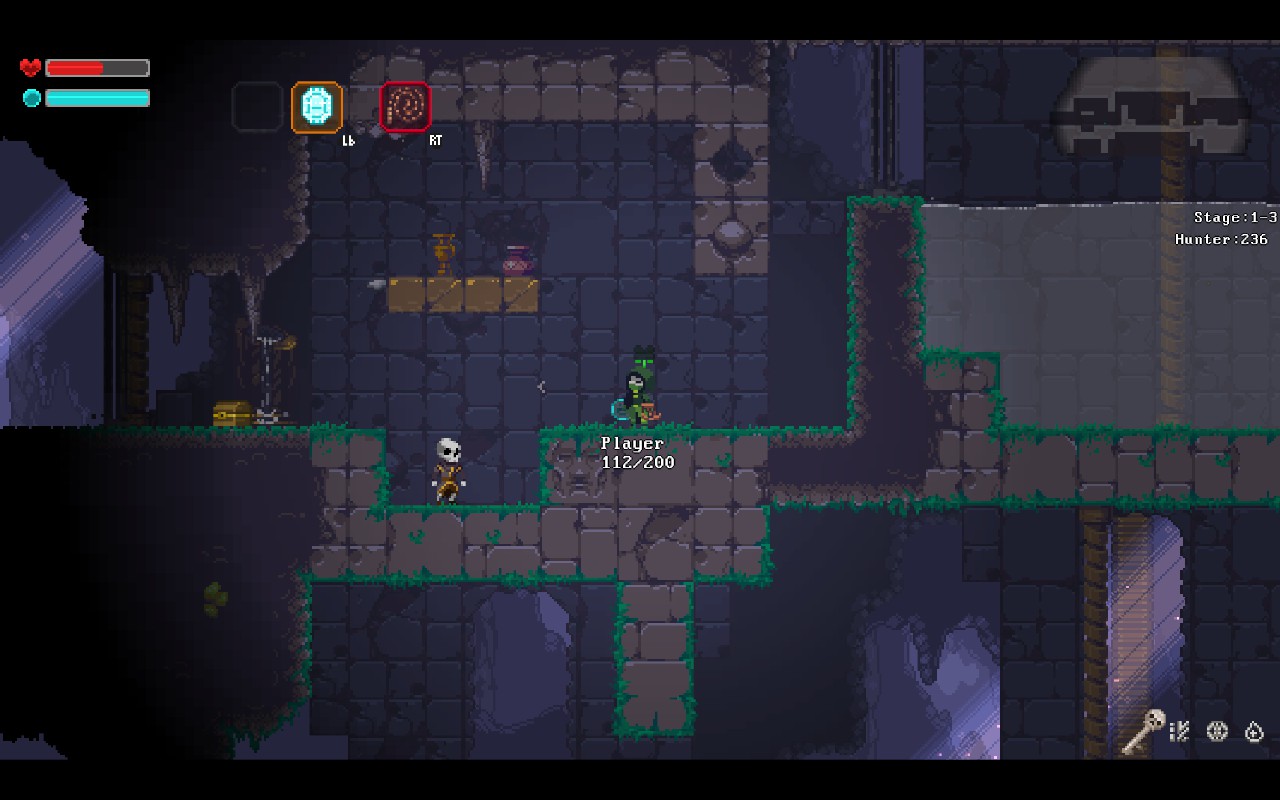
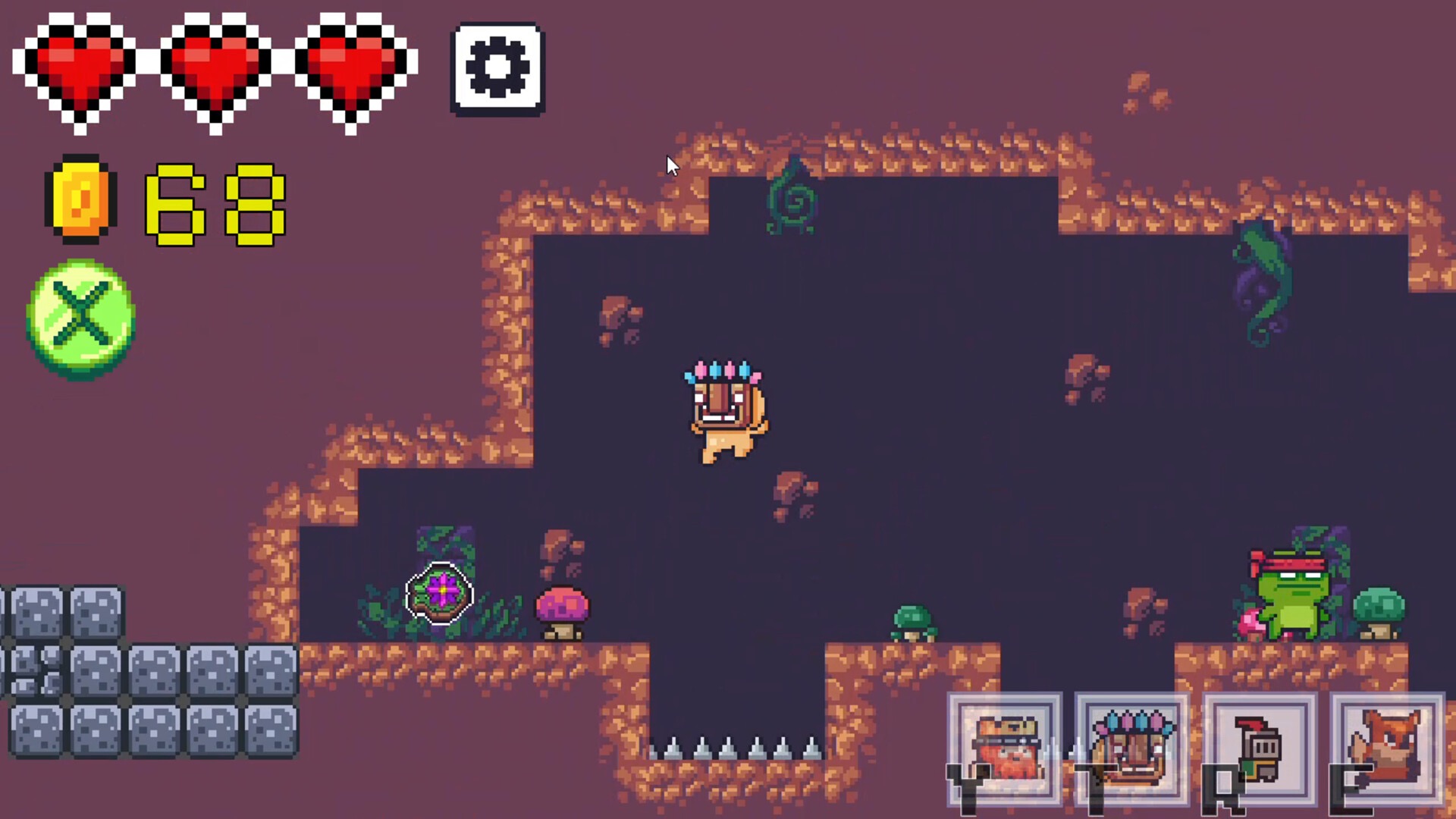
Spelunky is one of my favourite games of all time. So when I finally played Aura of Worlds, I paid attention. It sits in the same lineage as Spelunky, but it is not content to be a tribute act. Yes, it is a roguelite platformer. You still descend into hostile spaces, fight enemies, steal everything that is not nailed down, and die constantly. The difference is how much freedom the game gives you while doing it. Movement is faster and more expressive. Abilities like dashing, grappling, blasting, and grabbing objects turn every room into a small physics problem rather than a binary test of reflexes. The weapons and tools matter more than raw execution. You can improvise. You can make bad situations survivable. The difficulty is still real, but it is less punitive and more conversational. When you die, it usually feels earned. The boss fights are the standout. They are epic, readable, and aggressively fair. You die quickly, but almost every death comes with a clear post-mortem. You know exactly how you could have won. Visually, it looks great. Pixel art, but not trapped in 8-bit or 16-bit nostalgia. Detailed sprites, dense environments, and effects that sell motion and danger without visual noise. It feels modern without chasing trends. If you love Spelunky but want something looser, more expressive, and more forgiving without going soft, Aura of Worlds is the answer. image