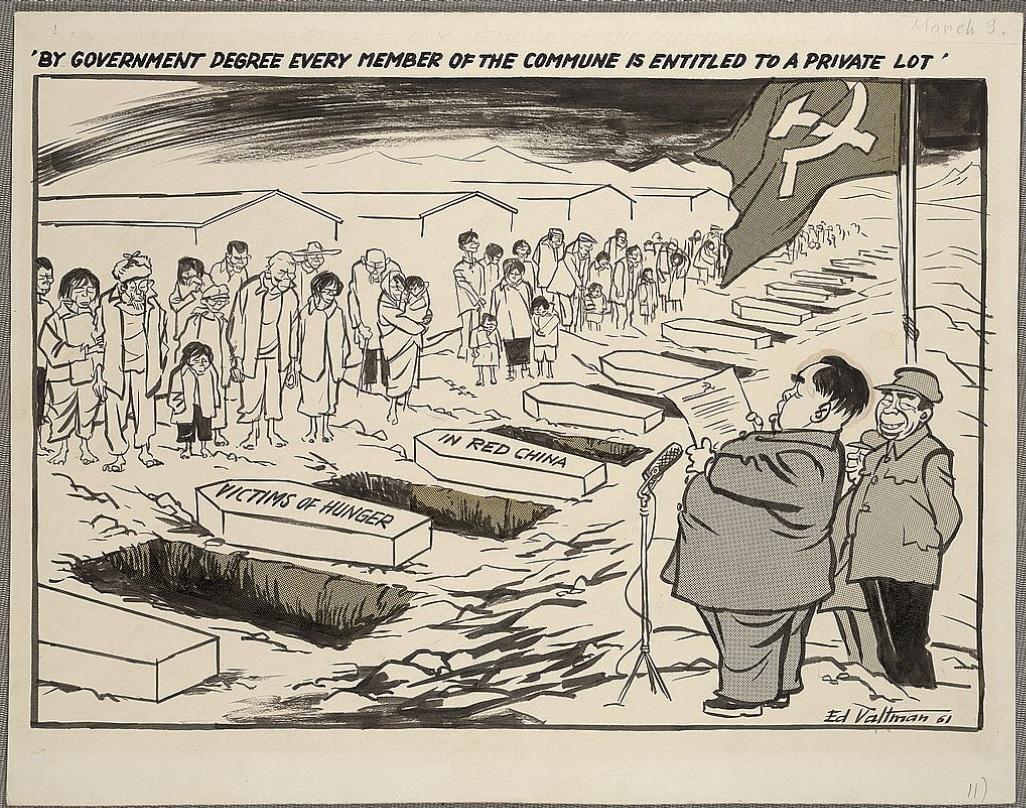
Today in Labor History December 26, 1893: Mao Zedong was born. Historically, he was one of the most murderous world leaders ever. An estimated 30-46 million people died from starvation just during the Great Leap Forward, 1958-1961. Millions more perished during the violence of the Cultural Revolution. Up to 80 million people died in total during his reign from starvation, political violence, torture, imprisonment and mass executions. #workingclass #LaborHistory #communism #china #MaoTsetung #famine #massacre #prison #torture #genocide #starvation #CulturalRevolution #GreatLeapForward image
Today in Labor History December 26, 1828: Dover, New Hampshire Mill Girls’ Strike began to protest the slashing of their already abysmally low wages. 75% of the workers walked out. They were girls and young women, aged 12-25, forced to work 12 hours per day, six days per week, for the salary of 45 cents per day, plus room and board. And they were paid in company scrip, redeemable only at the overpriced company store. They were forbidden from talking during the long work day. They were given only one break per day. And the conditions were so treacherous that the girls and women often lost limbs, and occasionally their lives on the job. The company hired scabs and threatened to fire the striking workers, who returned to work a few days later, except for those identified as “ringleaders” by the bosses, who were fired. #workingclass #LaborHistory #mill #women #children #childlabor #childexploitation #strike image
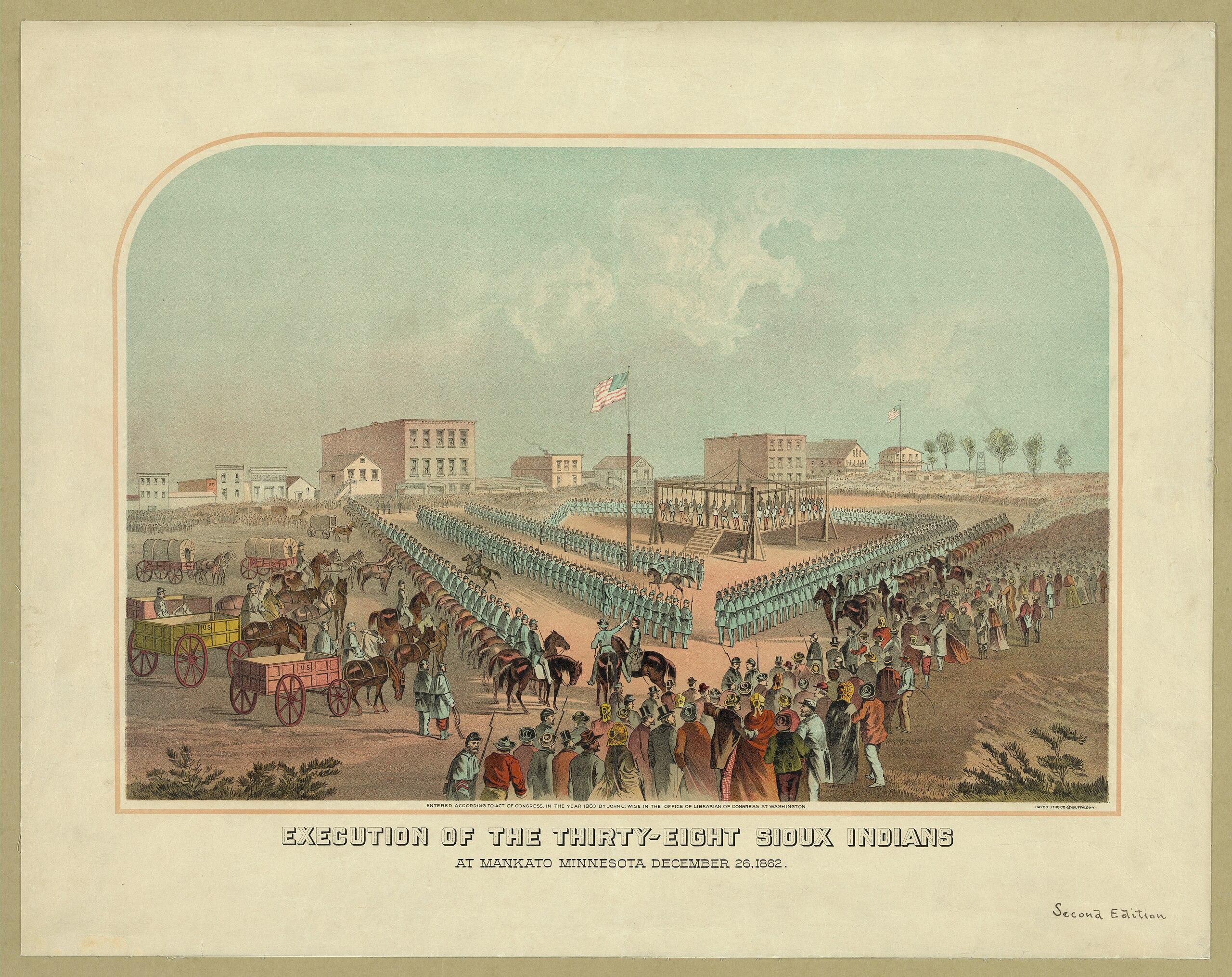
Today in Labor History December 26, 1862: The U.S. military hanged 38 Indigenous people in Mankato, Minnesota, for participating in the "Sioux Outbreak," in the nation’s largest single-day public mass execution. They built the gallows in a square shape, with ten nooses per side. They buried the victims in a mass grave along the bank of the Minnesota River. Despite a large guard force posted at the gravesite, doctors stole all the corpses on the first night to use for research. William Worrall Mayo took the body of Maȟpiya Akan Nažiŋ (Stands on Clouds). In the late 20th century, the Mayo Clinic returned his remains to a Dakota tribe and created a scholarship for a Native American student as apology. The mass execution was punishment for an uprising that had begun in August. The U.S. government had forced the Sioux to give up their land and move onto reservations on a thin strip of land along the Minnesota River. The government also encouraged them to stop hunting and become farmers. However, the winter of 1861 was particularly harsh, causing mass starvation. Competition for resources increased between the Indigenous people, and the white settlers and traders. In August, 1862, a faction led by Chief Little Crow decided to attack the Lower Sioux Agency, and drive the settlers from the Minnesota River Valley. In the following weeks, they escalated their attacks, killings hundreds of settlers. The U.S. military, which was bogged down with the Civil War, was slow to respond. But by late September, they had quashed the uprising. Initially, the U.S. government sentenced 303 Indigenous men to death. President Lincoln reviewed the convictions, offered clemency to 265, and approved the death sentences of 38. Most of the defendants had no lawyers and spoke no English and had no way to defend themselves in court. Some of the trials were as shorts as five minutes each. #workingclass #LaborHistory #nativeamerican #indigenous #genocide #massacre #execution #hanging #sioux #dakota #lincoln #minnesota image
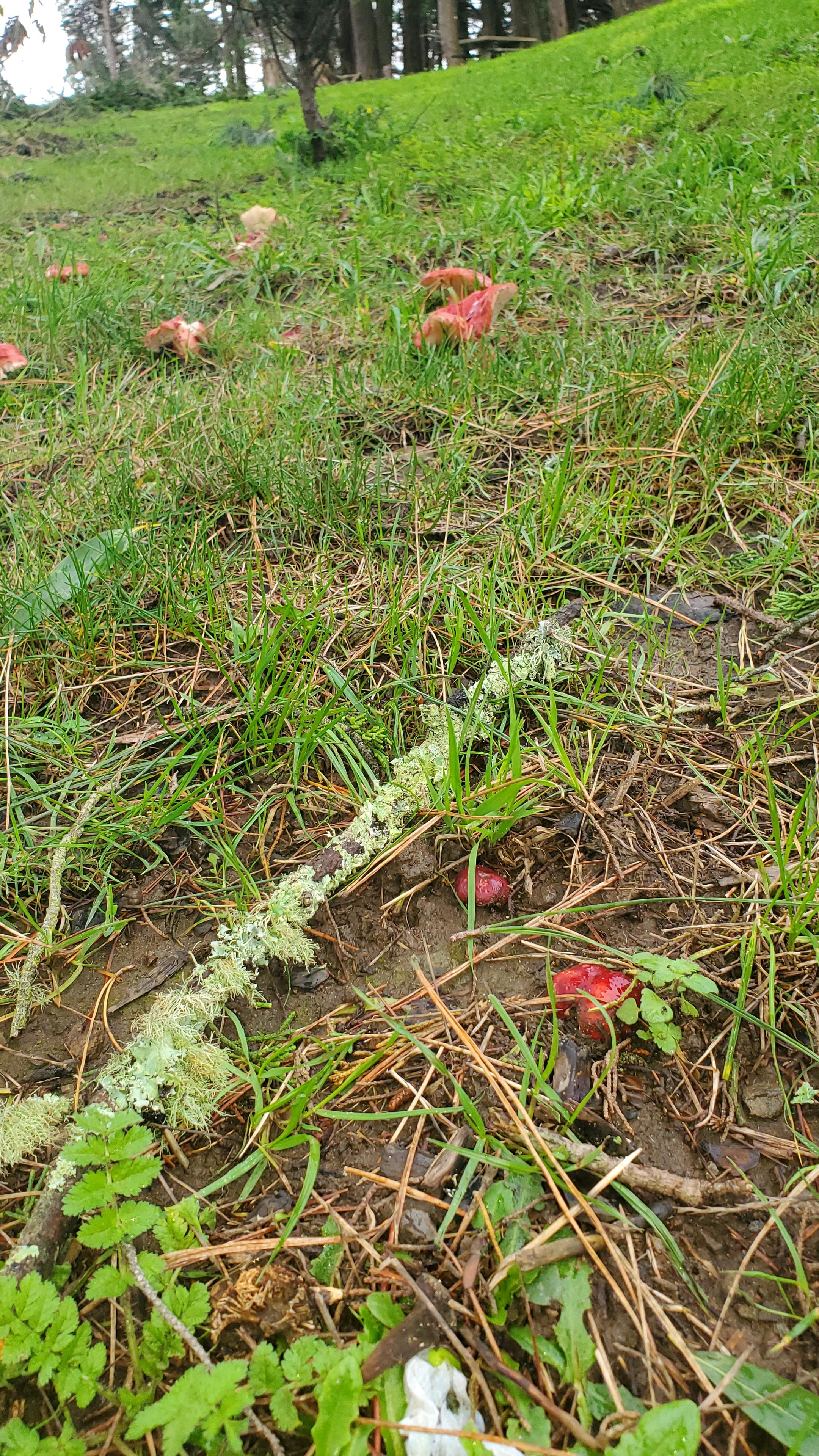
Russula fairy ring, McLaren Park, San Francisco, 12/25/2525 image
Boletus edulis (porcini), McLaren Park, San Francisco, 12/25/2025 image
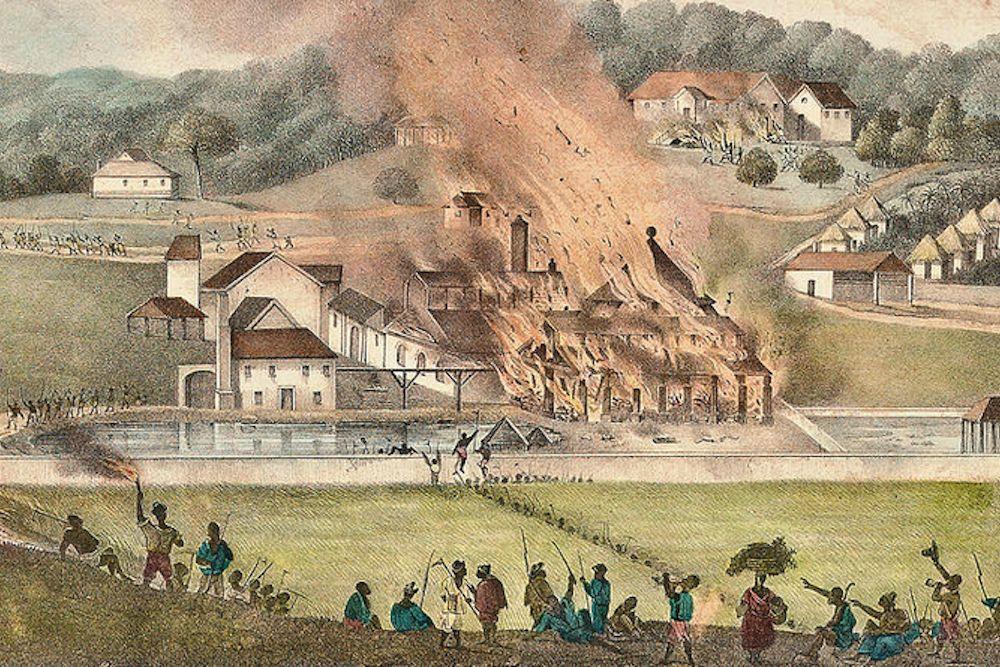
Today in Labor History December 25, 1831: The Great Jamaican Slave Revolt, the largest slave uprising in the British West Indies, began on this date. Samuel Sharpe, a black Baptist deacon, led the revolt of 60,000 enslaved people. The 11-day uprising began as a General Strike, but quickly turned violent. 14 whites and 207 enslaved black people died in the siege. However, another 340 rebels were executed afterward. The rebels had been inspired by the abolitionist movement in London and had intended to call for a peaceful uprising. The rebellion was depicted in Andrea Levy's 2010 novel, “The Long Song,” and in Herbert de Lisser’s The 1929 novel “The White Witch of Rosehall.” #workingclass #LaborHistory #slavery #abolition #revolt #uprising #jamaica #samuelsharpe #rebellion #books #novels #writer #author #fiction #BlackMastodon [@bookstadon]( ) image
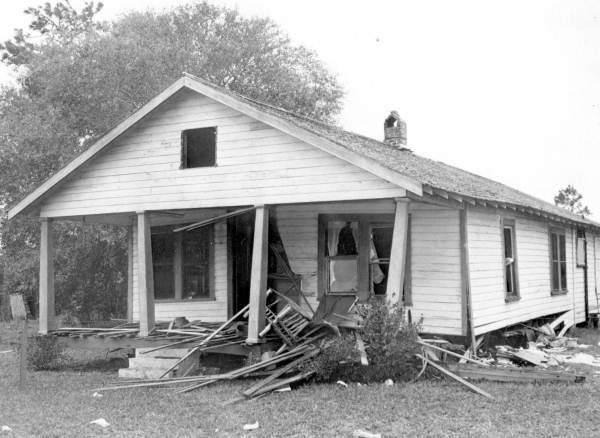
Today in Labor History December 25, 1951: A bomb exploded at the home of Harry and Harriette Moore, early leaders of the Civil Rights Movement, killing them both. Harry Moore was an African-American educator and founder of the first branch of the NAACP in Brevard County, Florida. Harriette was also an educator and civil rights worker. #workingclass #LaborHistory #civilrights #bombing #assassination #racism #BlackMastodon #florida #murder #teacher #education #christmas image
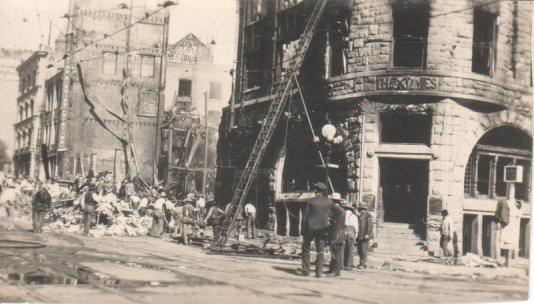
Today in Labor History December 25, 1910: A bomb destroyed a portion of the Llewellyn Ironworks in Los Angeles (where the LA Times was printed). On October 1st, a bomb had destroyed much of the Los Angeles Times building, killing 21 employees and injuring over 100. The Iron Workers had been engaged in a brutal and protracted battle with U.S. Steel and the American Bridge Company, which was busting their union with spies, informants, scabs, and agents provocateur. Los Angeles Times publisher Harrison Otis, who was viciously anti-union, provided propaganda for the bosses. By 1910, the owners had driven nearly all the unions from their plants, except for the Iron Workers union, which had instigated a bombing campaign starting in 1906. In April 1911, private detective William Burns and Chicago police sergeant William Reed kidnapped union organizer James McNamara and held him hostage for a week prior to illegally extraditing him to Los Angeles for the bombings. Burns later arrested his brother John, but denied him access to an attorney. Both McNamara brothers had been arrested based on the confession of a third man who had likely been tortured. And both were likely innocent of the bombings. Eugene Debs accused Otis, himself, of the Times bombing. James McNamara spent the rest of his life in San Quentin, dying there in 1941. John served 15 years and then went on to serve as an organizer for the Iron Workers. Roberta Tracy’s wonderful novel, Zig Zag Woman, takes place in the wake of the L. A. Times bombing. #workingclass #LaborHistory #iron #union #strike #unionbusting #bombing #prison #latimes #christmas #losangeles #police #torture #policebrutality #books #novels #historicalfiction #author #writer [@bookstadon]( ) image
PG&E should've been municipalized decades ago and its execs imprisoned for the scores of people killed through its negligence and greed. *8 killed in San Bruno pipeline explosion, 2010 *2 killed in Butte fire, 2015 *22 killed in 2017 Oct wildfires *85 killed in 2018 Camp fire *1500 wildfires sparked by PG&E in past 6 years *Unknown number of cancer deaths in Hinkley from illegal dumping of