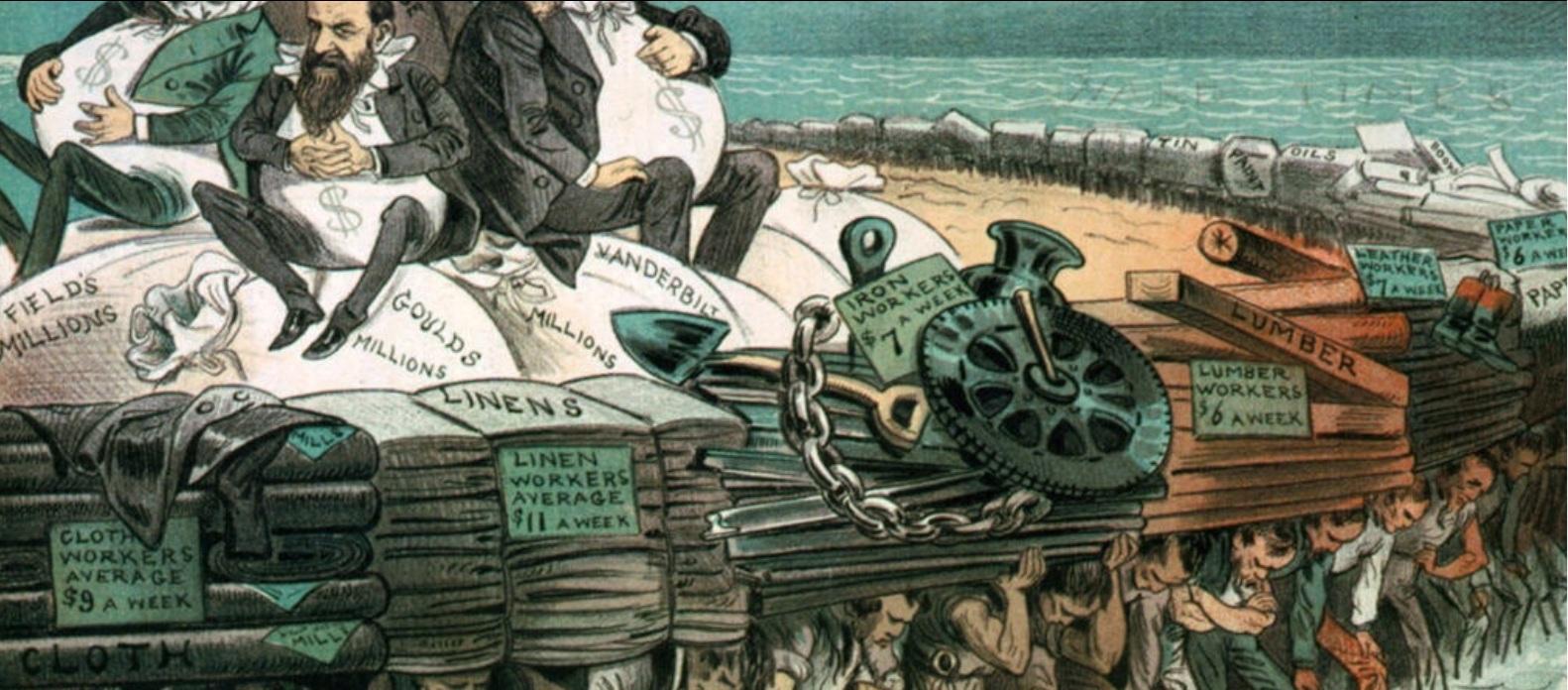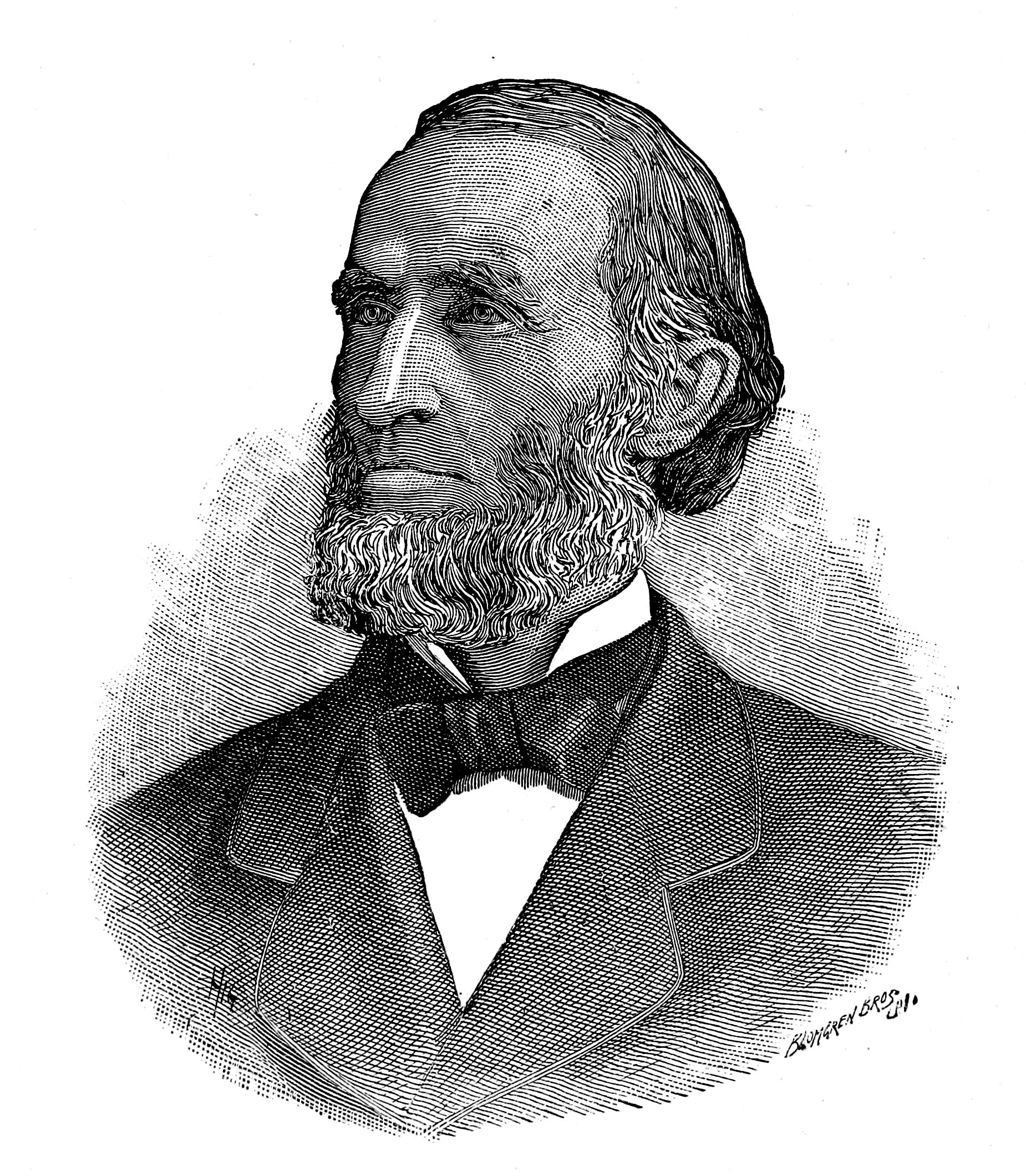
Today in Labor History November 10, 1887: Chicago Haymarket martyr Louis Lingg, 22, “cheated” the state the day before his scheduled execution by committing suicide in his prison cell. He exploded a dynamite cap in his mouth. It took him 6 painful hours to die. Using his own blood, he wrote "Hoch die anarchie!" (Hurrah for anarchy!) on the stones of his cell. In 1893, Illinois Governor John Altgeld granted Lingg a posthumous pardon because he, and his 7 codefendants were actually all innocent of the Haymarket bombing. None of them had even been present at Haymarket square when the bomb was thrown. All 8 were, however, anarchists, and were railroaded because of the political beliefs and affiliations. On May 1, 1886, 350,000 workers went on strike across the U.S. to demand the eight-hour workday. It was the world’s first May Day/International Workers’ Day demonstration—an event that has been celebrated ever since, by nearly every country in the world, except for the U.S. Two days later, another anarchist, August Spies, addressed striking workers at the McCormick Reaper factory. Chicago Police and Pinkertons attacked the crowd, killing at least one person. On May 4, anarchists organized a demonstration at Haymarket Square to protest that police violence. The police ordered the protesters to disperse. Somebody threw a bomb, which killed at least one cop. The police opened fire, killing another seven workers. Six police also died, likely from “friendly fire” by other cops. The authorities, in their outrage, went on a witch hunt, rounding up most of the city’s leading anarchists and radical labor leaders, including Albert Parsons, Louis Lingg and August Spies. Read my article on Lucy Parsons and the Haymarket affair here: #laborhistory #WorkingClass #haymarket #anarchism #prison #deathpenalty #EightHourDay #chicago #police #policebrutality #lucyparsons #louislingg image
Trump congratulates Rio de Janeiro’s governor, Cláudio Castro, after his police massacred 120 people, while protesters in Rio call for his resignation. https://abcnews.go.com/International/wireStory/protesters-call-governors-resignation-after-rios-deadliest-police-127076698 #massacre #police #brazil
Musk's new $1 trillion pay package (over the next 10 years) means he'll be getting the equivalent of $48 million per hour. image
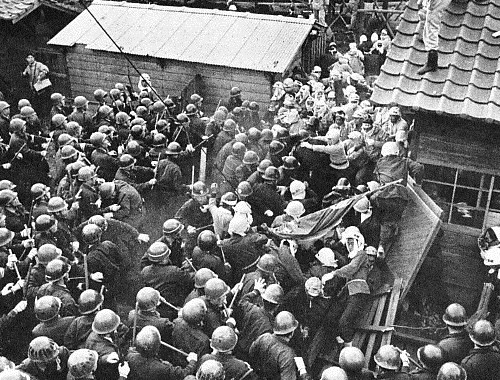
Today in Labor History November 9, 1963: At Miike coal mine, Miike, Japan, an explosion killed 458, and hospitalized 839 with severe carbon monoxide poisoning. Most of the survivors suffered permanent brain damage as a result. The miners’ exposure to the toxic gas was exacerbated by the mine’s ventilation system, which helped to spread the toxic gas, and by managers who wouldn’t let workers leave the mine. Just three years earlier, Miike miners had engaged in the largest labor-management dispute in Japanese history. #workingclass #LaborHistory #union #strike #japan #coal #mining #disaster #WorkerDeaths #WorkerSafety image
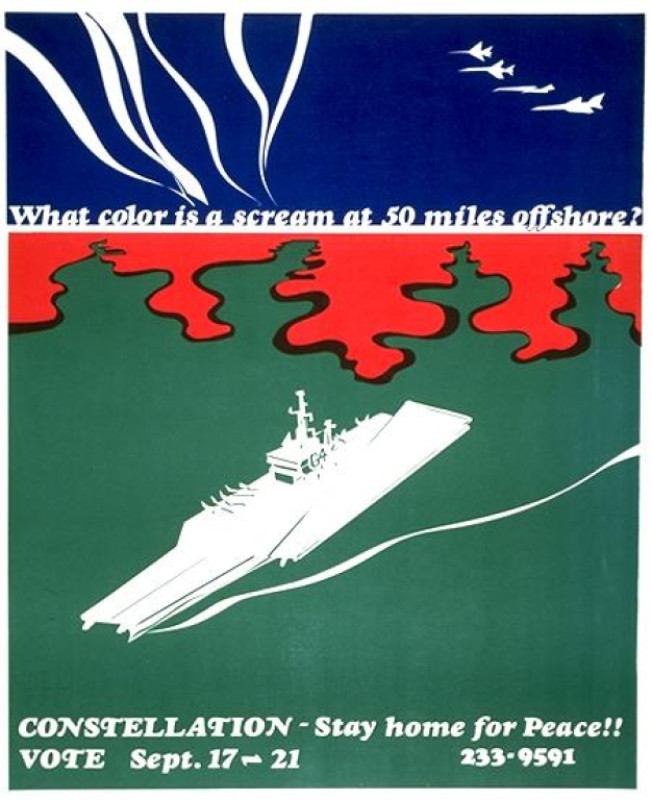
Today in Labor History November 9, 1972: Mutiny on the USS Constellation. 132 sailors, mostly African-American, refused to reboard the USS Constellation, in San Diego, during the Vietnam War, in protest of racist practices by the navy. In the year leading up to the mutiny, there had been considerable antiwar organizing targeting this ship. In 1971, two anti-Vietnam War groups, the Concerned Officers Movement and San Diego Nonviolent Action organized a Constellation Vote. With 54,721 votes counted. over 82% of voters elected to keep the ship home, including 73% of the military personnel who voted. The commander-in-chief of the Pacific Fleet said "never was there such a concerted effort to entice American servicemen from their posts." In late 1971, nine of crew members publicly refused to board the ship, taking sanctuary in a local Catholic church. The Connie 9 were ultimately arrested, but were honorably discharged. #workingclass #LaborHistory #mutiny #racism #vietnam #antiwar image
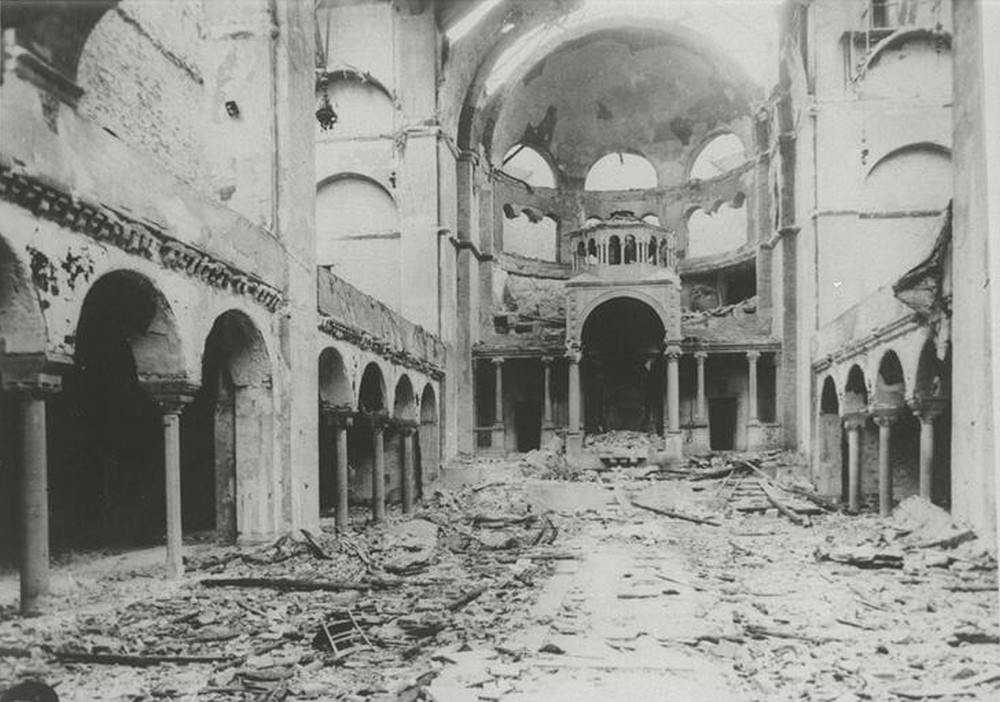
Today in Labor History November 9, 1938: Kristallnacht (Crystal Night) began in Germany, marking the beginning of the Holocaust. Nazi SS paramilitaries, Hitler Youth & civilians participated in the pogrom that killed hundreds of Jews and deported 30,000 to concentration camps. At least 90 Jews were murdered, and over 600 committed suicide. The name Kristallnacht comes from the shards of broken glass in the streets when the Nazis destroyed over 7,000 Jewish businesses, 267 synagogues, and countless Jewish homes, hospitals and schools. #workingclass #LaborHistory #holocaust #antisemitism #nazis #fascism #kristallnacht #massacre #terrorism #hitler image
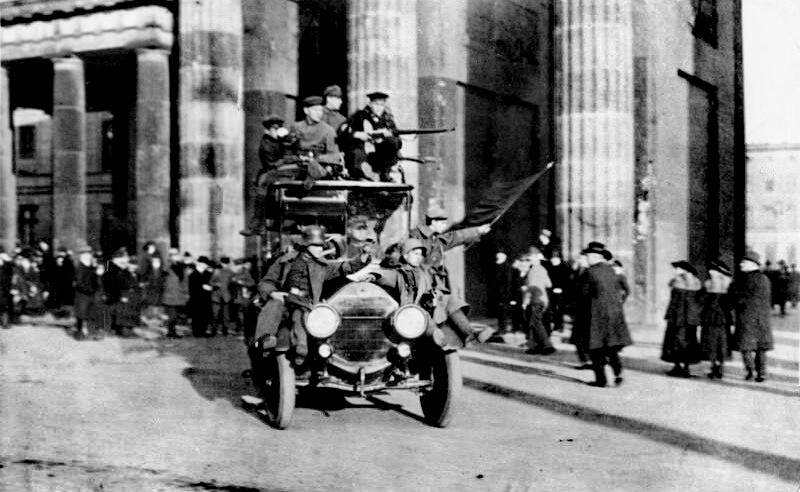
Today in Labor History November 9, 1918: Striking workers stormed the City Palace and the Rote Burg or "red fortress" in Berlin, freeing over 600 prisoners and declaring the buildings to be property of the people. Later that day, Karl Liebknecht, of the Spartacus League, stood on a truck and declared a Free Socialist Republic. This came on the heels of a General Strike, called the night before by the Revolutionary Stewards (union members who had opposed Germany’s participation in World War One), in which thousands of workers took to the streets, many of them armed. The soldiers and police who had been sent to suppress them, instead threw down their weapons and joined the revolution. The revolution had begun in October, 1918 with the sailors’ mutiny in Kiel. Within a week, workers' and soldiers' councils controlled both the government and military institutions throughout the country. A Republic was declared on November 9, 1918. On November 10, workers formed the Council of the People’s Deputies, led by the two main socialist parties: the Social Democrats and the Independent Social Democrats. The Council promised to implement an eight-hour work day and to give women the vote. The left-wing factions of the revolution, like the Spartacists, also wanted to nationalize key industries, democratize the military, and replace the parliamentary government with one run by Workers’ Councils. On January 1, 1919, Liebknecht and Rosa Luxemburg founded the Communist Party of Germany (KPD). Discontent over the direction the Social Democrats were going led many other leftist groups to join the KPD. In early January, they attempted to overthrow the Social Democrats in the Spartacist Uprising. The Social Democrats called on the Freikorps, a paramilitary composed of World War One veterans, many of whom were suffering from PTSD, who ultimately quashed the uprising. 200 people died in the fighting. The Freikorps then murdered Luxemburg and Liebknecht in an extrajudicial execution. Members of the Freikorps later supported the Nazis rise to power. Many of them went on to join the SS. #workingclass #LaborHistory #rosaluxemburg #karlliebknecht #spartacus #socialism #communism #workerscouncils #revolution #nazis #fascism image
Today in Labor History November 9, 1851: Kentucky marshals abducted abolitionist minister Calvin Fairbank from Jeffersonville, Indiana, under the 1850 Fugitive Slave Act. They took him to Kentucky to stand trial for helping a slave escape. Fairbank was an activist on the Underground Railroad. He spent over 17 years in prison and was lashed 35,000 times. He was pardoned in 1864. He was believed to have helped at least 47 people escape slavery. Fairbank wrote a memoir in 1890 called “Rev. Calvin Fairbank During Slavery Times: How He "Fought the Good Fight" to Prepare "the Way." He died in near-poverty, in Angelica, New York, in 1898, at the age of 81. #workingclass #LaborHistory #slavery #abolition #prison #racism #UndergroundRailroad #books #writer #author #books #memoir #biography [@bookstadon]( ) image
image
image