image
image
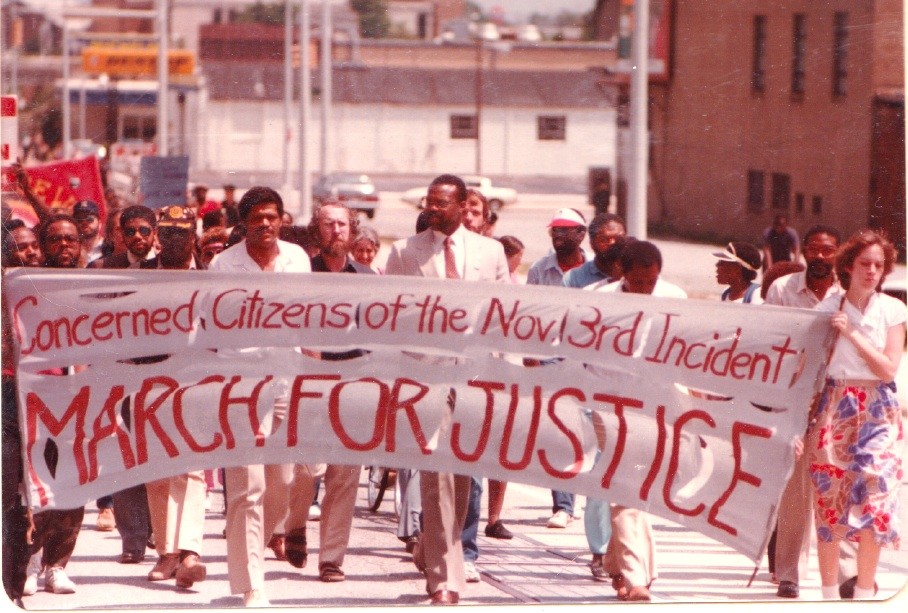
Today in Labor History November 3, 1979: KKK and Nazis shot and killed 5 members of the Communist Workers Party during a "Death to the Klan" rally in Greensboro, North Carolina, United States. The CWP had come to support workers' rights among mostly black textile industry workers in the area. The first 2 trials acquitted all the attackers. #workingclass #LaborHistory #greensboro #massacre #kkk #racism #communism #nazis #fascism #antifa #antifascism #BlackMastodon image
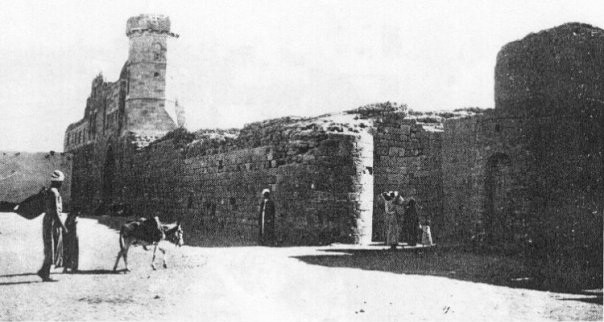
Today in Labor History November 3, 1956: Israel Defense Forces slaughtered 275 Palestinians in Khan Yunis, in Egyptian-controlled Gaza and another 111 in Rafah, during house to house searches for Fedayeen militants, during the Suez Crisis. #workingclass #LaborHistory #suez #israel #palestine #freepalestine #EndtheOccupation #massacre #egypt #zionism #warcrimes image
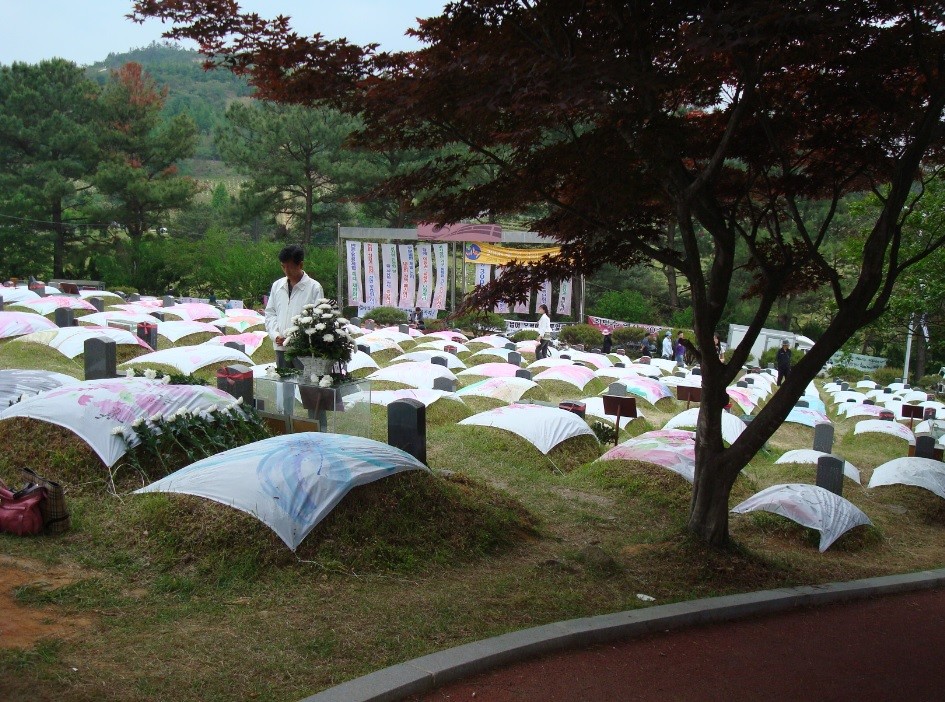
Today in Labor History November 3, 1929: The Gwangju Student Independence Movement against Japanese rule began. Over 50,000 people participated. It inspired protests in Manchuria, Shanghai, Beijing, Japan and the U.S. Throughout the years, Gwangju continued to maintain a left-wing, activist culture. In 1980, students and workers in Gwangju led an uprising against the U.S.-supported right-wing government of Korea. The government sent in hundreds of troops, who clubbed demonstrators and onlookers. They attacked with bayonets, raped people, and beat a deaf man to death. Outraged, the number of protesters swelled to over 10,000. Street battles continued for days, climaxing on May 21, when soldiers fired into a crowd of protesters. In response, citizens took up arms by robbing local armories and police stations, arming themselves with M1 rifles and carbines. By afternoon, there were bloody gunfights between ad hoc civilian militias and the army. However, by the end of the month, the government had prevailed, with up to 2,000 people massacred. Read my article on the Gwangju Massacre here: #workingclass #LaborHistory #korea #gwangju #massacre #dictatorship #students #protest #independence #imperialism image
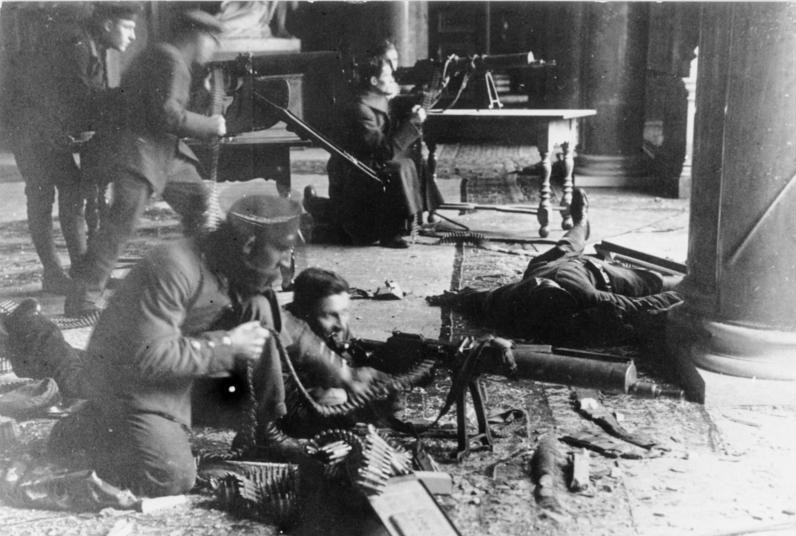
Today in Labor History November 3, 1918: The German Revolution of 1918–19 began when 40,000 sailors took over the port in Kiel, in the wake of the Wilhelmshaven mutiny, a few days earlier. In less than two weeks, it brought down the German empire, forcing all the monarchs to abdicate. They created a republic, led by the moderate Social Democrats, who vowed to implement modest reforms, including women’s suffrage and the eight-hour work day. The far-left socialists, however, wanted to create a republic led by workers’ councils. At the end of the year, violence erupted between the two groups over a dispute about sailors’ pay, killing 67. This led to the Communist Spartacist Uprising, led by Karl Liebknecht and Rosa Luxemburg, and the Bavarian Soviet. The Social Democrats enlisted the Freikorps to help them suppress the uprisings against its authority, resulting in another 200 deaths. The Freikorps was composed of right-wing veterans of World War One, many of whom went on to become members of the Nazi Party. #workingclass #LaborHistory #germany #communism #socialism #berlin #bavaria #mutiny #rosaluxemburg #nazi #socialdemocrat image
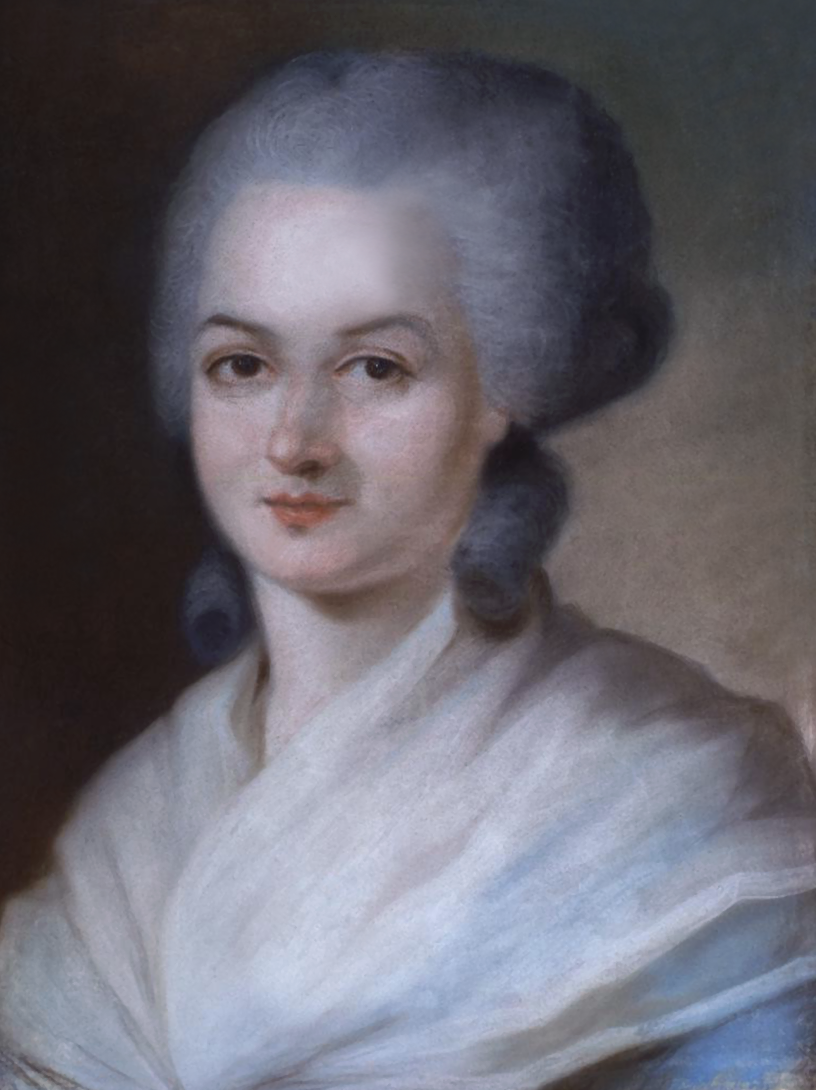
Today in Labor History November 3, 1793: French playwright, journalist and feminist Olympe de Gouges was guillotined during the Reign of Terror (1793–1794) for attacking the regime of the Revolutionary government and for her association with the moderate Girondists. Her writings on women's rights and abolitionism reached a large audience in many different countries. She was also an outspoken advocate against the slave trade in the French colonies. In her Declaration of the Rights of Woman and of the Female Citizen (1791), she challenged the practice of male authority and the notion of male-female inequality. #workingclass #LaborHistory #french #Revolution #feminism #abolition #slavery #colonialism #OlympeDeGouges #playwright #theater #writer #author [@bookstadon]( ) image
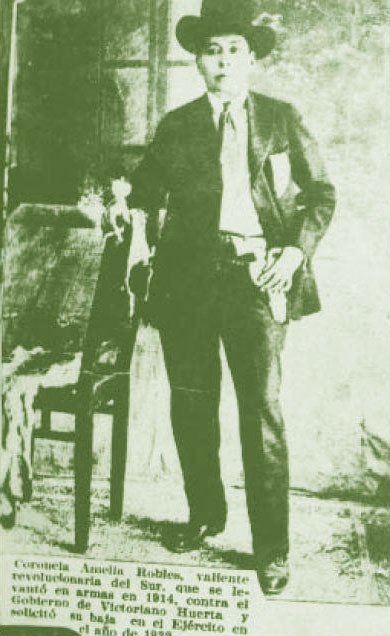
Trans People Have Always Existed Today in Labor History November 3, 1889: Amelio Robles Avila was born in Xochipala, Guerrero, Mexico. Assigned female at birth, Robles lived openly as a man from the age of 24 until his death at the age of 95. In 1911, Robles fought in the Mexican Revolution and for the overthrow of Porfirio Diaz. From 1913-1918, Robles fought as “el Coronel Robles” with the Zapatistas and was eventually given his own command. After Zapata was killed, he fought under Obregon in the Agua Prieta Revolt. One of his neighbors said that any time someone misgendered him, he would threaten them with a pistol. A public school was named after him using the masculine version of his name, though there is a museum in Xochipala that refers to him as “Coronela Amelia Robles.” #workingclass #LaborHistory #transgender #lgbtq #mexico #revolution #zapata #transmasc image