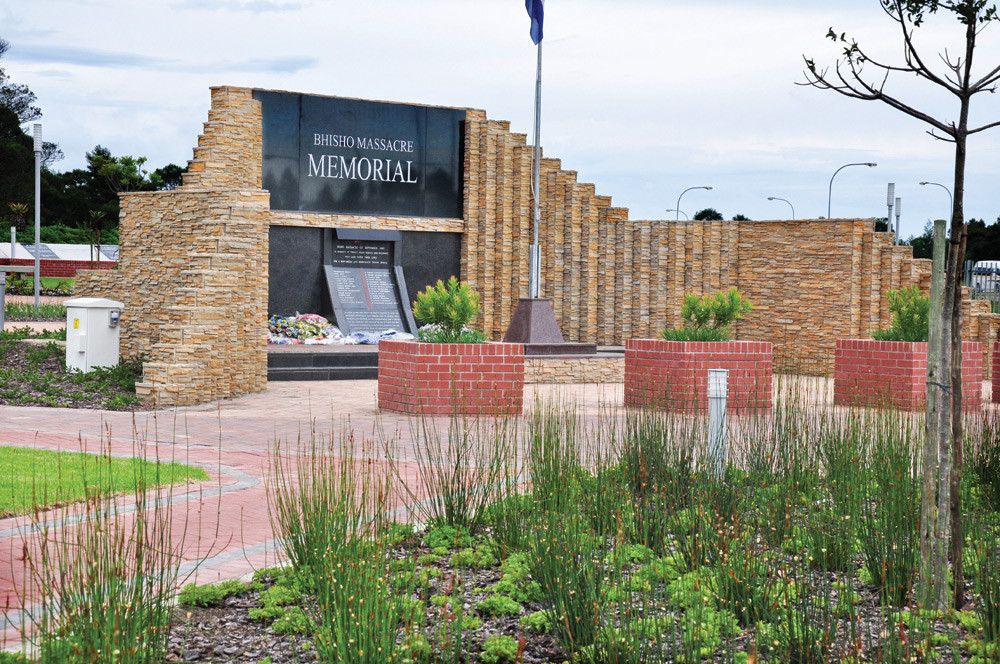
Today in Labor History September 7, 1992: Troops opened fire on 80,000 nonviolent African National Congress demonstrators, in the Ciskei "homeland" South Africa, murdering 28 in the Bisho Massacre. The protestors were demanding an end to the military government of Brigadier Joshua Gqozo and making the so-called black homeland officially part of South Africa. According to witnesses, no warning was made, nor was there any attempt to use non-lethal methods of dispersing the crowd. Just a few years later, in 1994, with the end of Apartheid, all of the so-called black homelands were re-incorporated back into South Africa. #workingclass #LaborHistory #southafrica #apartheid #anc #africannationalcongress #racism image
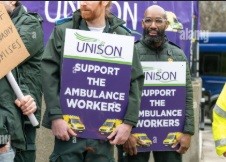
Today in Labor History September 7, 1976: Ian Davies, London social worker, won reinstatement after being demoted. He had been fired for being gay (after being entrapped by an undercover cop who approached him for sex in a public bathroom). His union, NALGO (National and Local Government Officers’ Association), fought and won reinstatement for him, but at a demoted status. So, 25 of his union members staged a wildcat strike, later approved by the union, which won him full reinstatement at his original grade. The struggle for working-class LGBTQ rights in the UK really took off in 1972, with the establishment of gay and lesbian worker branches within NALGO. By 1976, they had won LGBTQ-inclusive policies within NALGO and were publishing their own union newsletter: NALGAY. Homosexuality had only recently been decriminalized in England and Wales (1967). In 1993, NALGO merged with two other unions to form UNISON. #workingclass #LaborHistory #lgbtq #union #strike #descrimination #homophobia #NALGO image
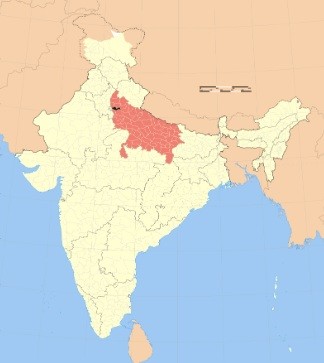
Today in Labor History September 7, 1977: Workers at Harig India Pvt Limited, in Ghaziabad, India, burned a factory and lynched two finks, with 40,000 going on strike in solidarity with insurgents. The action took place after company guards opened fire on workers who were protesting the suspension of fellow workers and unpaid wages. Workers from near-by factories launched protests in solidarity with the Ghaziabad factory workers, with the support of The Central Indian Trade Union (CITU). #workingclass #LaborHistory #india #factory #sabotage #strike #solidarity image
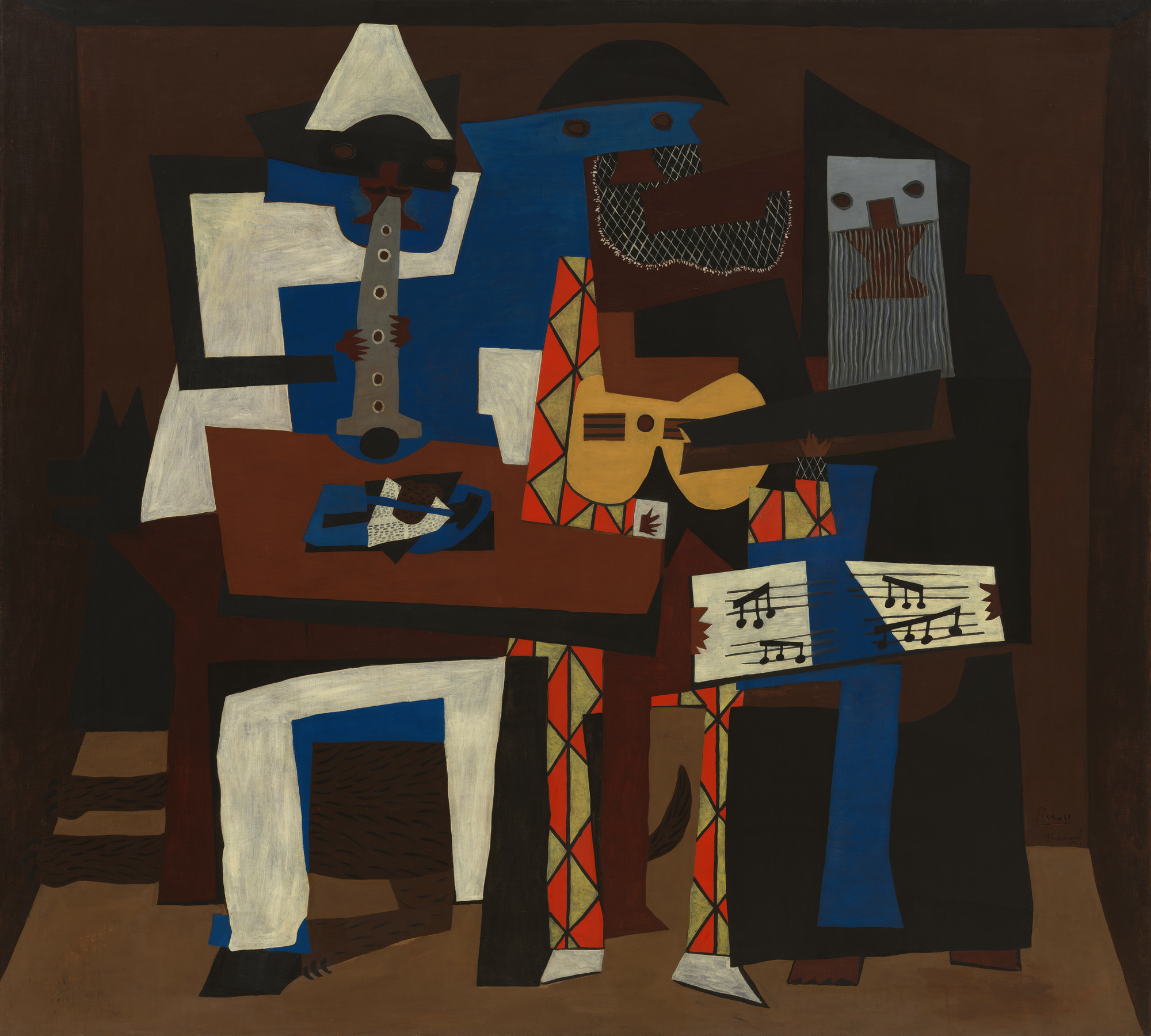
Today in Labor History September 7, 1911: French poet, playwright and novelist Guillaume Apollinaire was arrested for stealing the Mona Lisa from the Louvre Museum. They released him after a week. The crime had actually been committed by his former secretary. Apollinaire was one of the foremost poets of the early 20th century, as well as one of the most impassioned defenders of Cubism and a forefather of Surrealism. In fact, he was credited with coining both of these terms, the latter in 1917, with respect to the ballet, Parade, with music by Erik Satie, libretto by Jean Cocteau, and costumes by Pablo Picasso. Apollinaire wrote one of the first Surrealist literary works, the play “The Breasts of Tiresias” (1917). He was admired during his lifetime by the young poets who later formed the nucleus of the Surrealist group (Breton, Aragon, Soupault). Apollinaire died during the Spanish flu pandemic of 1918. #workingclass #LaborHistory #art #poetry #theatre #surrealism #dada #cubism #apollinaire #cocteau #picasso #influenza #pandemic #novel #fiction #books @npub1wceq...lzu8 image
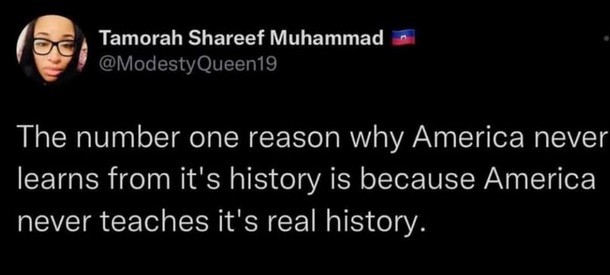
True, but then again, which state or government does accurately teach its full history? image
image
image