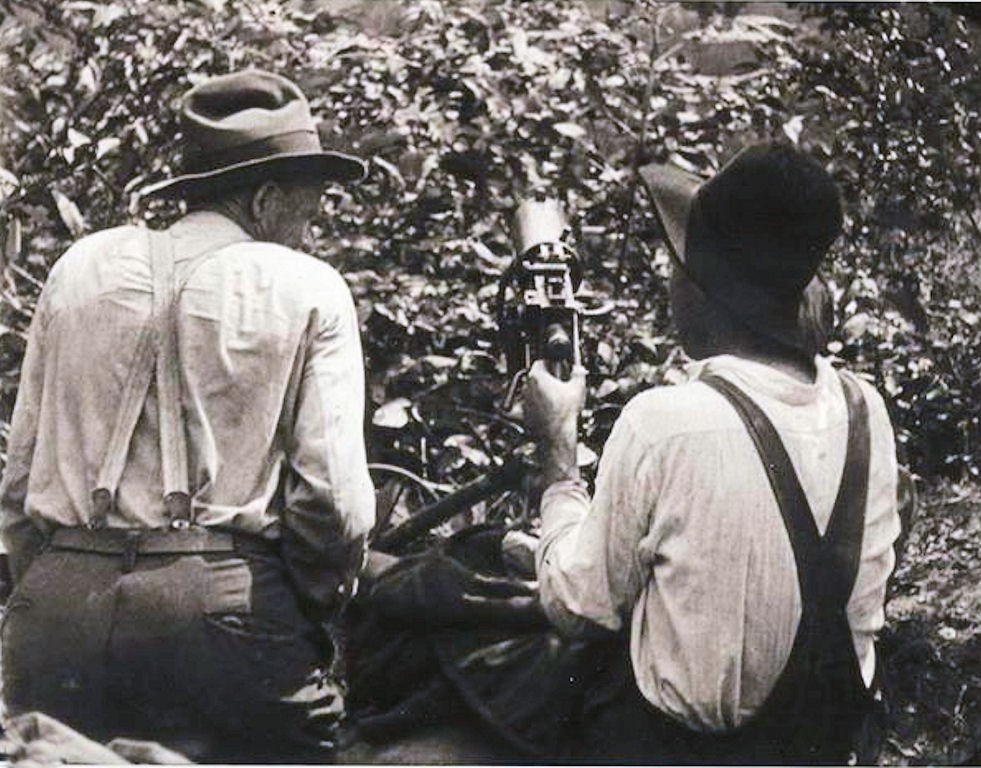
Today in Labor History September 2, 1921: The Battle of Blair Mountain ended on this date in 1921, with the U.S. government bombing striking coal miners by plane, the second time the U.S. government used planes to bomb its own citizens (the first was in the racist Tulsa riots, earlier that year). The Battle of Blair Mountain was one of the largest civil uprisings in U.S. history and the largest armed insurrection since the Civil War. The uprising lasted 5 days and involved 10,000-15,000 coal miners confronting an army of scabs and police. The battle came as mine owners tried to crush attempts by coal miners to unionize the southwestern West Virginia coalfields. From the late 1800s, mine owners forced workers to live in company towns, where rent was deducted from their wages and they were paid in scrip, which was accepted only at the overpriced company stores and was worthless everywhere else. The work was very dangerous and safety equipment and precautions were minimal. The mine owners had a long tradition of using private detectives and goons to spy on workers, infiltrate their meetings, rough them up, and block any attempts to unionize. The battle began after Sheriff Sid Hatfield (an ally of the miners and hero from the Battle of Matewan) was assassinated by Baldwin-Felts agents. Much of the region was still under martial law as a result of the Battle of Matewan. Miners began to leave the mountains armed and ready for battle. Mother Jones tried to dissuade them from marching into Logan and Mingo Counties, fearing a bloodbath. Many accused her of losing her nerve. The miners ignored her and a battle ensued between miners and cops, private detectives, scabs and eventually the U.S. military.
You can read my complete article on the Battles of Blair Mountain & Matewan here: https://michaeldunnauthor.com/2024/04/14/the-battle-of-blair-mountain/
#workingclass #LaborHistory #coal #mining #strike #union #blairmountain #westvirginia #matewan #police #policebrutality #massacre #policemurder #Riot #motherjones