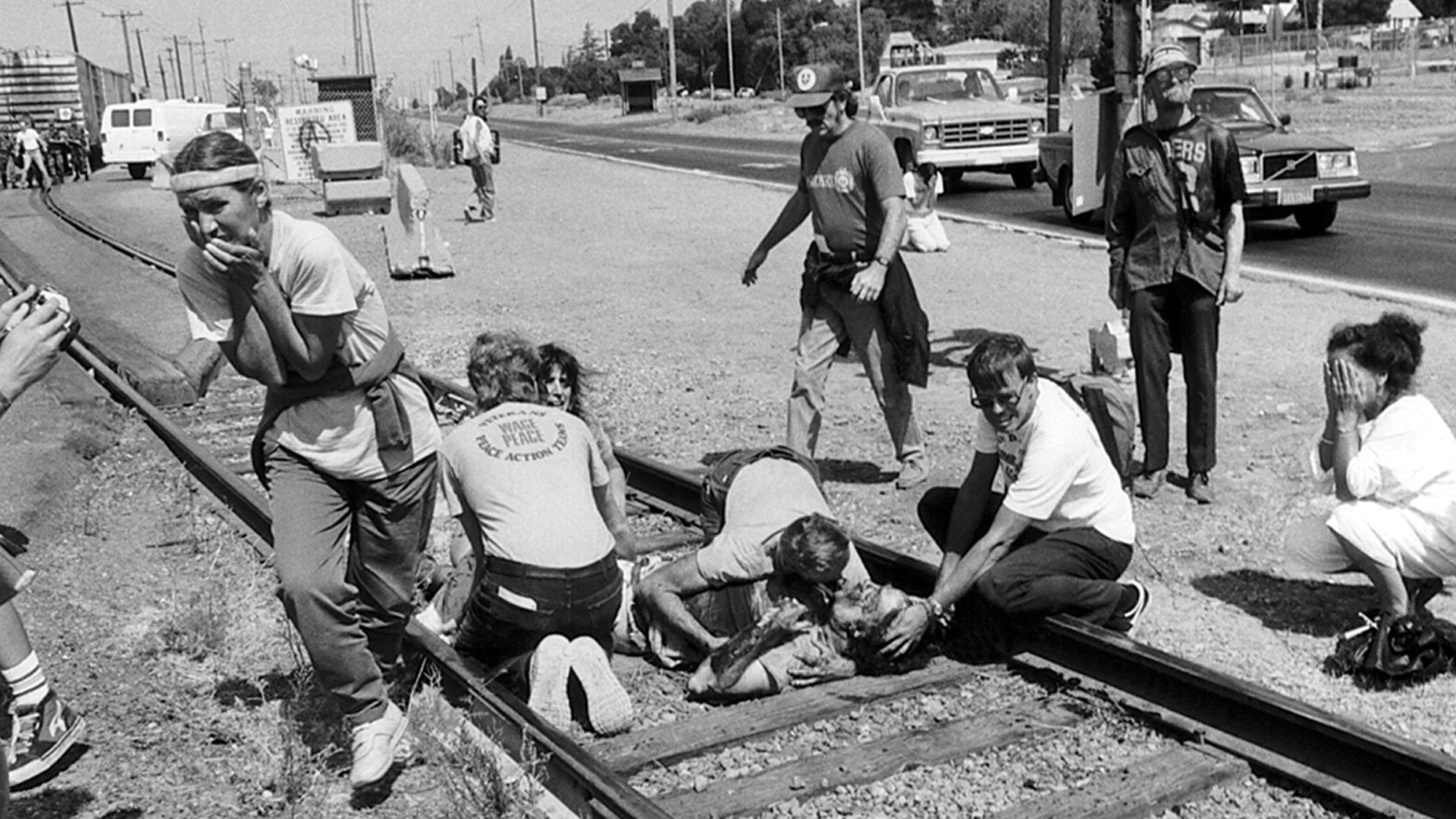
Today in Labor History September 1, 1987: During a nonviolent protest against the illegal U.S arming of the Nicaraguan Contras, a Navy munitions train ran over anti-war protester Brian Willson at the Concord Naval Weapons Station, just east of San Francisco. Willson lost both legs in the incident, as well suffering permanent brain damage. The next day, dozens of protesters returned to the site and dismantled the tracks. Three days later, over 10,000 people demonstrated at the site. And anti-war activists continued to maintain an around-the-clock vigil at the site for years afterward. At the time, the Concord station was shipping between 60,000 and 120,000 tons of munitions each year to U.S. forces and allies. For at least a year prior to the 1987 incident, the FBI had been monitoring Brian Willson as a “domestic terrorist.” Furthermore, the train crew had been advised to not stop the train, even if protesters were blocking the tracks. Willson later filed suit, arguing that the Navy and individual supervisors were given ample warning of their plan to block the tracks, and that the train crew had time to stop. The official Navy report confirmed this. The civilian members of the train crew subsequently sued him for the "humiliation, embarrassment & emotional distress" the incident caused them. Willson, a Vietnam War veteran and member of Veterans For Peace, continued to be an active leader in the anti-military, prisoners’ rights, and anti-imperialism movements. The Concord Naval Weapons was formerly known as Port Chicago. During World War Two, an explosion there killed 322 mostly black sailors during, setting off a rebellion known as the Port Chicago Mutiny, in which 200 black sailors refused to load any more munitions. 50 of them were convicted and sentenced to hard labor. Thurgood Marshall, who was working for the NAACP at the time, provided their legal representation. He noted that only black men had been assigned to the dangerous munitions loading job. Congress did not exonerate the men until 2019. #workingclass #LaborHistory #Nicaragua #contras #imperialism #usintervention #BrianWillson #activism #directaction #sabotage #portchicago #mutiny #solidarity image
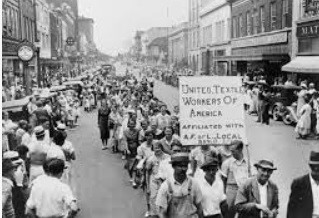
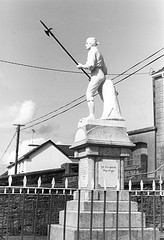
Today in Labor History September 1, 1934: A strike began in Woonsocket, Rhode Island, as part of a national movement to obtain a minimum wage for textile workers. The strike lasted until September 23, and involved more than 420,000 workers, with three of them being killed in the actions. #workingclass #LaborHistory #union #strike #textiles image
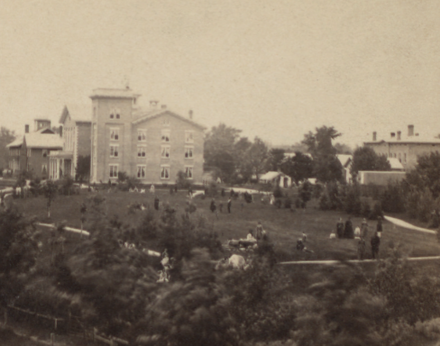
Today in Labor History September 1, 1880: The utopian communistic Oneida Community ended after 32 years. The Community was founded by John Humphrey Noyes and his followers in 1848 near Oneida, New York. They believed that Jesus had already returned in AD 70, allowing them to bring about Jesus's millennial kingdom themselves. The Community practiced communalism (holding all property and possessions in common). They also practiced complex marriage, where 3 or more people could enter into the same marriage, and male sexual continence, where the male’s goal was to not ejaculate during sex. They were also one of the first groups in the U.S. to practice mutual criticism, to root out bad characteristics in people, something adopted by many later cults, and even by Cesar Chavez and the UFW under his leadership. The Oneida Community has been portrayed in numerous works of fiction such as “Silken Strands,” by Rebecca May Hope (2019). “Assassination Vacation,” by Sarah Vowell (2005) and “Pagan House,” by David Flusfeder (2007). #workingclass #LaborHistory #socialism #oneida #cesarchavez #cult #communalism #books #author #writer #fiction #novel @npub1wceq...lzu8 image
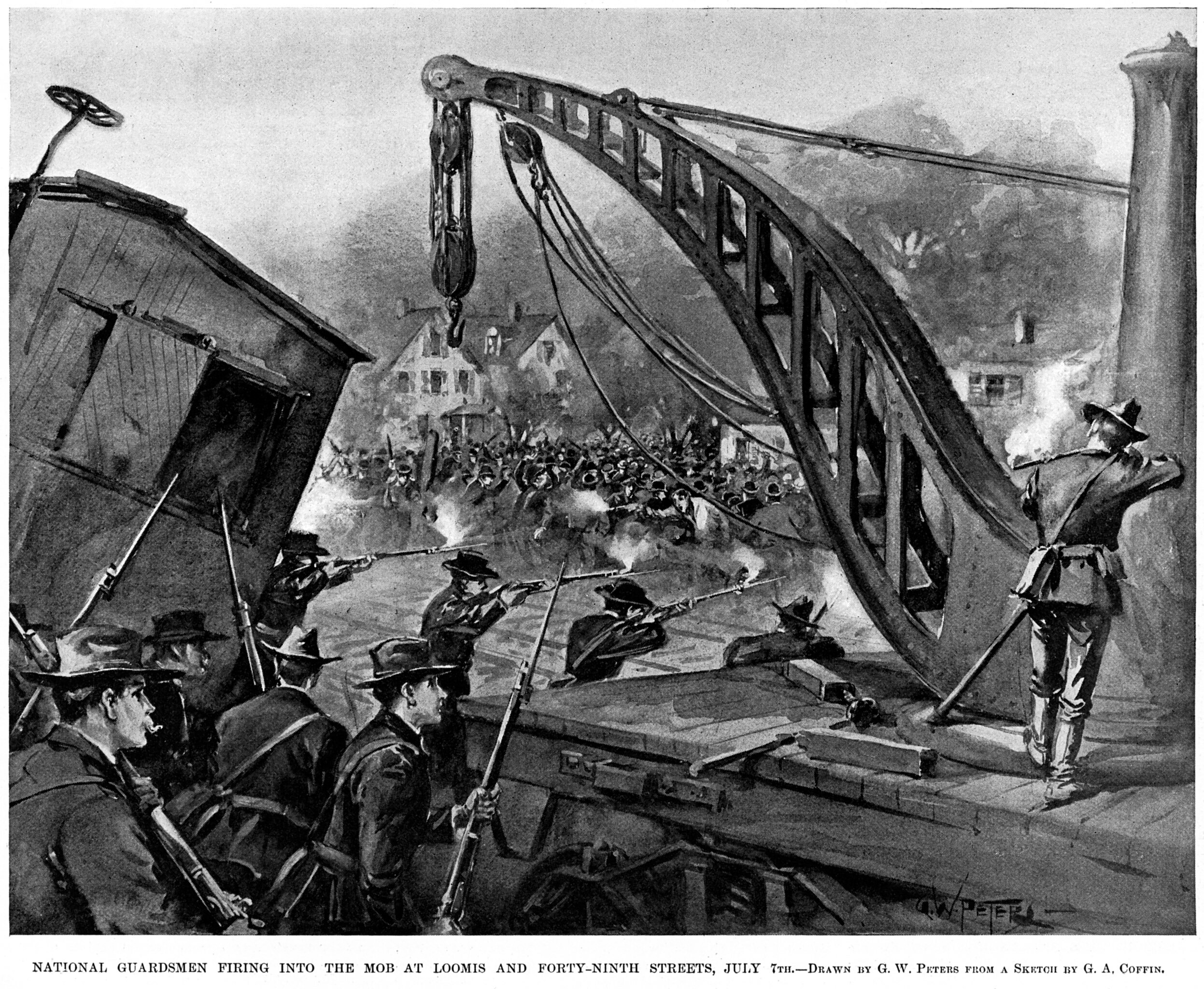
If you enjoy Labor Day, you could thank a union, like the memes suggest. But it would be historically more accurate to thank radical working-class activists and here is why. President Grover Cleveland initiated the holiday as a bone to calm the labor movement, irate over the 100 workers slaughtered in the Pullman strike of 1894. However, that strike started as a wildcat strike because the workers in Pullman, Illinois, had not yet formed a union. And when they did unionize, they affiliated with the militant American Railroad Union, led by Eugene Debs, socialist and later cofounder of the radical IWW, which struck despite a federal injunction prohibiting them from doing so (a risk that unions today refuse to take—remember the recent railroad strike?). The ARU’s militancy, solidarity and refusal to back down to federal violence led to attacks by the army, dozens of deaths, and the imprisonment of ARU leader Debs. And here is one more thing to consider: Pres. Cleveland’s commitment to the holiday had much less to do with his fear of or respect for labor, and much more to do with his desire to take the wind out of the sails of the then much more popular and radical May 1st, International Workers Day, which is currently celebrated in virtually every country in the world, except the U.S. That holiday commemorates the Haymarket anarchists who were falsely convicted and executed for their efforts fighting for the 8-hour work day and an end to child labor. You can read more about both the Pullman Strike and the Haymarket Affair in my articles on the Pinkertons and Lucy Parsons: #laborday #LaborHistory #workingclass #strike #union #eighthourday #childlabor #haymarket #anarchism #chicago #police #IWW #mayday image
image
Today in Labor History August 31, 1798: Irish rebels, with the assistance of French soldiers, established the short-lived Republic of Connacht during the Irish Rebellion of 1798. On September 8, 1798, just weeks after its proclamation, the British army defeated the new Republic at the Battle of Ballinamuck. The British army then spread out into the rebel-held Province of Connacht, and throughout the island, slaughtering people and burning villages. And they hunted down and hanged with many of the rebel leaders. #workingclass #LaborHistory #ireland #Revolution #rebellion #colonialism #massacre image