image
image
image
Lancet study reveals that vaccines have saved 154 million lives over the past 50 years, mostly infants, or 6 lives per minute. This would make the advent of vaccines the single greatest contribution to keeping babies alive. The measles vaccine has been the most significant, accounting for 60% of the lives saved due to immunization. All that will likely change, thanks to Trump and RFK Jr. Not only are fewer people being vaccinated because of irrational and unfounded fear of vaccines, promoted by hucksters like RFK. The Trump administration's slashing of USAID and other international aid will also reduce vaccination rates among the poorest and most vulnerable children in the world. #vaccinations #vaccines #antivax #publichealth #trump #rfkjr #usaid #measles #infantmortality
image
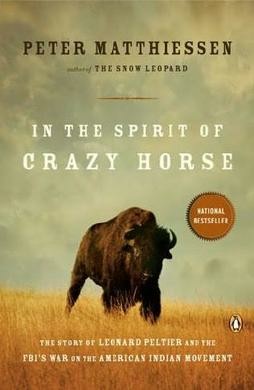
Today in Writing History May 22, 1927: Author Peter Matthiessen was born. Matthiessen was an environmental activist and a CIA officer who wrote short stories, novels and nonfiction. He’s the only writer to have won the National Book award in both nonfiction, for The Snow Leopard (1979), and in fiction, for Shadow Country (2008). His story Travelin’ Man was made into the film The Young One (1960) by Luis Bunuel. Perhaps his most famous book was, In the Spirit of Crazy Horse (1983), which tells the story of Leonard Peltier and the FBI’s war on the American Indian Movement. The former governor of South Dakota, Bill Janklow, and David Price, an FBI agent who was at the Wounded Knee assault, both sued Viking Press for libel because of statements in the book. Both lawsuits threatened to undermine free speech and further stifle indigenous rights activism. Fortunately, both lawsuits were dismissed. Peltier spent over 43 years in prison for a crime he did not commit. On January 19, 2025, the last full day of his presidency, Joe Biden commuted Peltier's life sentence to home confinement #workingclass #LaborHistory #petermatthiessen #indigenous #LeonardPeltier #nativeamerican #aim #fbi #fiction #nonfiction #writer #author #cia #FreeSpeech #censorship @npub1wceq...lzu8 image
image
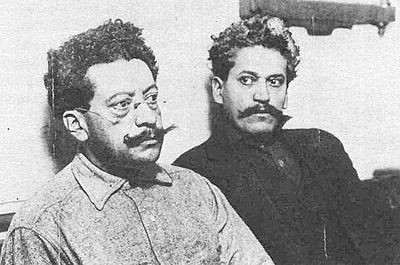
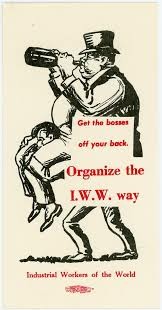
Today in Labor History May 20, 1911: Anarchist Magonistas published a proclamation calling for the peasants to take collective possession of the land in Baja California. They had already defeated government forces there. Members of the IWW traveled south to help them. During their short revolution, they encouraged the people to take collective possession of the lands. They also supported the creation of cooperatives and opposed the establishment of any new government. Ricardo Flores Magon organized the rebellion from Los Angeles, where he lived. In addition to Tijuana, they also took the cities of Ensenada and Mexicali. However, in the end, the forces of Madero suppressed the uprising. LAPD arrested Magon and his brother Enrique. As a result, both spend nearly two years in prison. Many of the IWW members who fought in the rebellion, later participated in the San Diego free speech fight. Lowell Blaisdell writes about it in his now hard to find book, “The Desert Revolution,” (1962). Read my article on the San Diego Free Speech fight here: #workingclass #LaborHistory #IWW #anarchism #magon #mexico #revolution #bajacalifornia #freespeech #sandiego #tijuana #books #author #writer #nonfiction #police #rebellion @npub1wceq...lzu8 image
Today in Labor History May 20, 1916: 1,000 IWW workers on the Pennsylvania Railway went on strike for the eight-hour day in Baltimore, Maryland. At the time, the Penn was one of the largest corporations in the world. That same day, Another 1,200-1,500 Wobblies struck against Alaska Railway. In Detroit, Michigan, the IWW won its strike at Kelsey Wheel Works. They won the eight-hour day and a raise. And the IWW also won their strike at Bronson’s and Cox’s camp in St. Maries, Idaho. #workingclass #LaborHistory #union #IWW #strike #railroad image
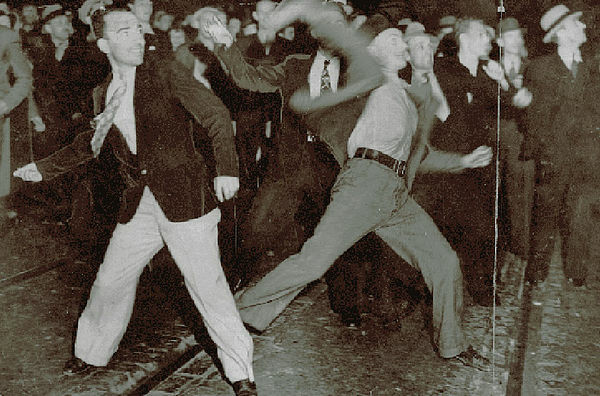
Today in Labor History May 20, 1938: 500 unemployed workers began a sit-down strike in the Hotel Georgia, in Vancouver, British Columbia. Unemployed men had been drifting to British Columbia during the Depression because of the milder climate and relatively better pay in the forestry camps. In early ’38, the government had cut grants to the provinces. As a result, many of the relief camps shut down and jobs dried up. In response, protesters occupied the Hotel George, the Vancouver Art Gallery and the main post office beginning on May 20. They were led by communist organizers. The owner of the hotel refused to call the cops, fearing major property damage in the melee that would ensue. So, he bribed the men to leave. However, those in the post office and art gallery remained for weeks. The conflict culminated on Bloody Sunday (June 19), when undercover Mounties brutally beat strikers in their attempt to evict them. 42 people were hospitalized, five of whom were cops. One striker lost an eye. Those who evaded arrest, along with onlookers and supporters on the outside, then marched to the East End, smashing windows. They caused $35,000 damage. #workingclass #LaborHistory #SitDownStrike #strike #unemployment #poverty #starvation #vancouver #bloodysunday #communism #depression #policebrutality #police #acab image