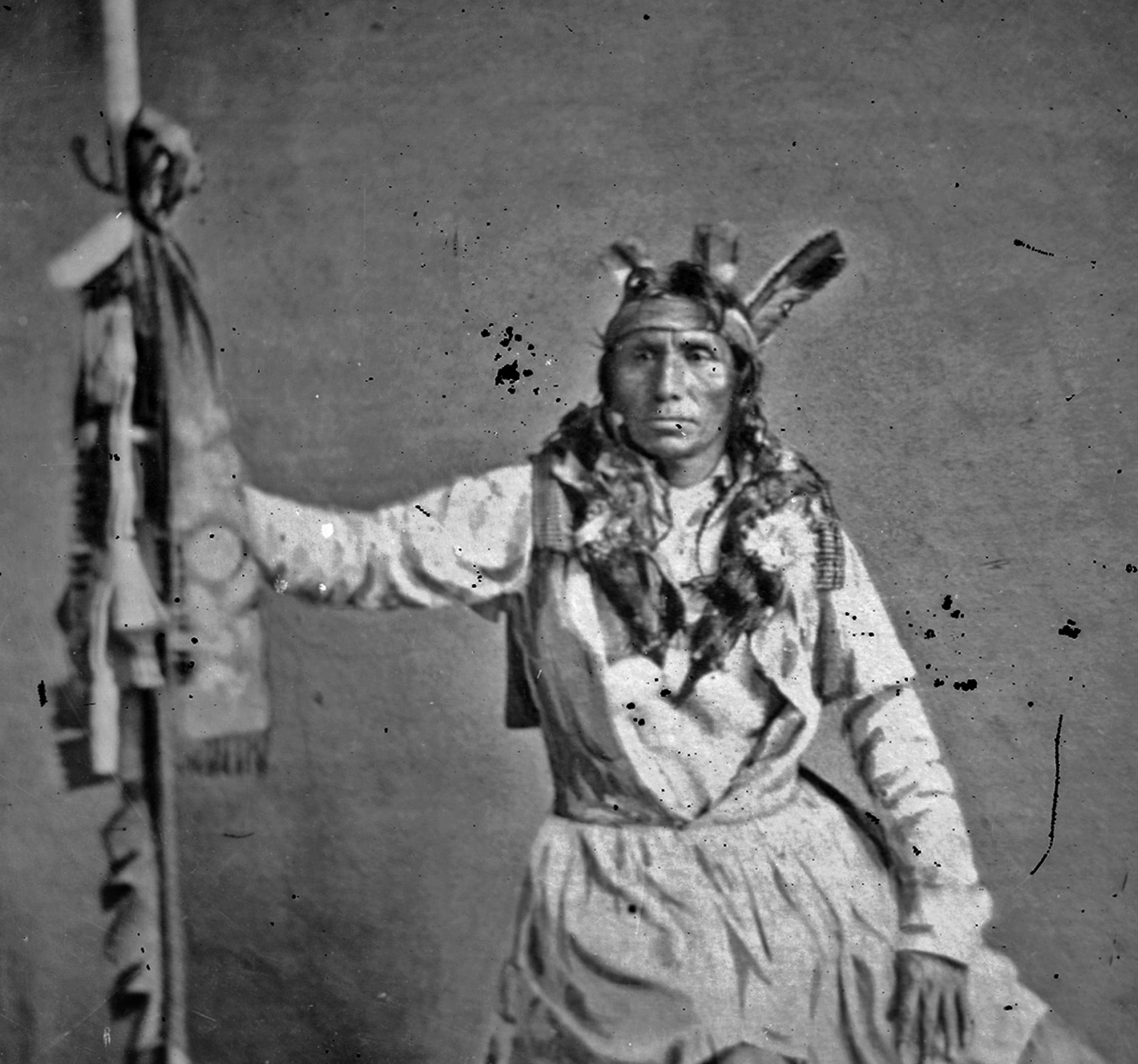
Today in Labor History December 26, 1862: The U.S. military hanged 38 Indigenous people in Mankato, Minnesota, for participating in the "Sioux Outbreak," in the nation’s largest single-day public mass execution. They built the gallows in a square shape, with ten nooses per side. They buried the victims in a mass grave along the bank of the Minnesota River. Despite a large guard force posted at the gravesite, doctors stole all the corpses on the first night to use for research. William Worrall Mayo took the body of Maȟpiya Akan Nažiŋ (Stands on Clouds). In the late 20th century, the Mayo Clinic returned his remains to a Dakota tribe and created a scholarship for a Native American student as apology.
The mass execution was punishment for an uprising that had begun in August. The U.S. government had forced the Sioux to give up their land and move onto reservations on a thin strip of land along the Minnesota River. The government also encouraged them to stop hunting and become farmers. However, the winter of 1861 was particularly harsh, causing mass starvation. Competition for resources increased between the Indigenous people, and the white settlers and traders. In August, 1862, a faction led by Chief Little Crow decided to attack the Lower Sioux Agency, and drive the settlers from the Minnesota River Valley. In the following weeks, they escalated their attacks, killings hundreds of settlers. The U.S. military, which was bogged down with the Civil War, was slow to respond. But by late September, they had quashed the uprising. Initially, the U.S. government sentenced 303 Indigenous men to death. President Lincoln reviewed the convictions and approved the death sentences of 38.
#workingclass #LaborHistory #nativeamerican #indigenous #genocide #massacre #execution #hanging #sioux #dakota #lincoln #minnesota