image
image
image
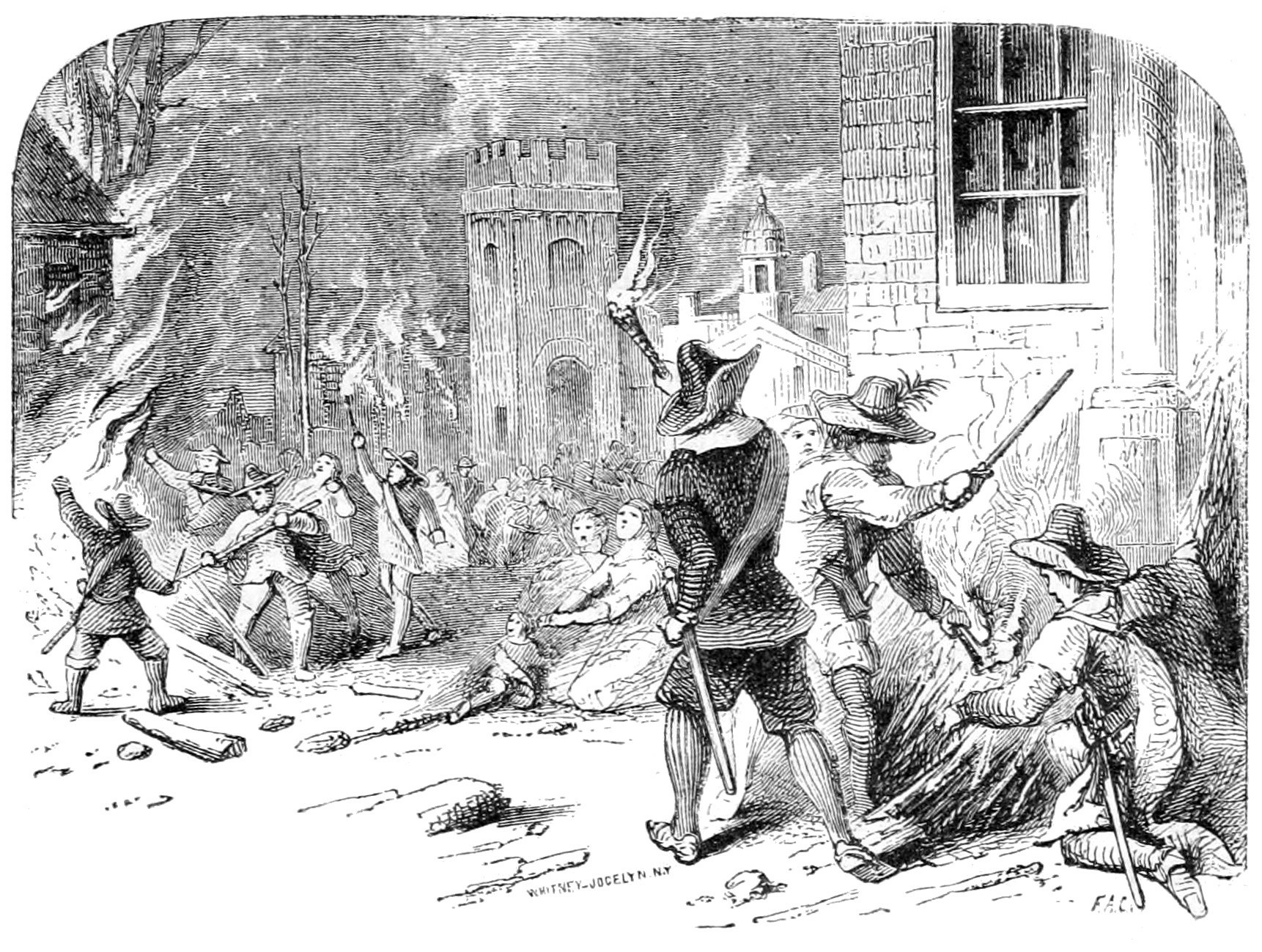
Today in Labor History September 19, 1676: Rebels burned Jamestown to the ground during Bacon's Rebellion. This armed insurrection against the rule of Governor William Berkeley was the first class uprising in North America and one of the driving forces for the creation of racial identities. During the uprising, thousands of indentured white Europeans united with free, indentured and enslaved blacks to demand rights and privileges they were being denied. They took up arms and drove Berkeley from Jamestown. The unification of poor blacks and whites scared the hell out of the ruling class. Consequently, they realized they needed to sow divisions between the poor, so they would fight among each other rather than unify in another uprising against the rich. This led to a hardening of the color lines, and the development of the ideas of race and racial superiority. #workingclass #LaborHistory #baconsrebellion #uprising #racism #race #ClassWar #slavery #solidarity image
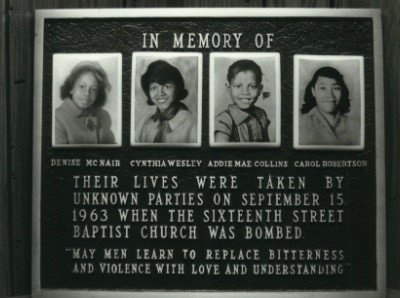
Today in Labor History September 15, 1963: Four members of the local KKK planted 19 sticks of dynamite in the Sixteenth Street Baptist church in Birmingham, Alabama. As a result, 4 young African-American girls died: Denise McNair, 11, and Carole Robertson, Cynthia Wesley and Addie Mae Collins, all 14. The outrage helped mobilize support for the civil rights movement. By 1965, the FBI knew who the perpetrators were. However, no prosecutions occurred until 1977. Others weren’t convicted until 2001-2002. #workingclass #LaborHistory #civilrights #SixteenthStreetBaptistChurch #birmingham #alabama #racism #whitesupremacy #massacre #fbi #kkk #kukluxklan #BlackMastadon image
image
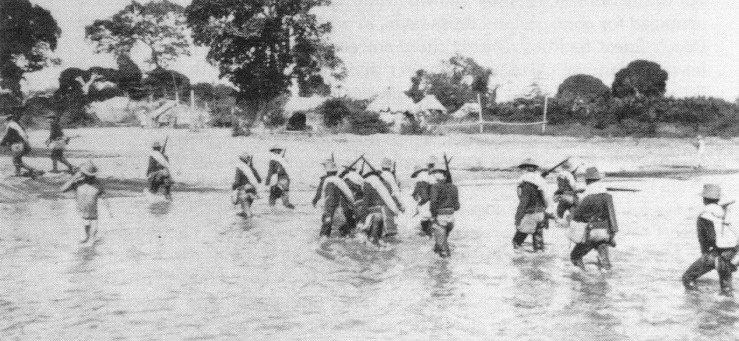
Today in Labor History September 13, 1900: Filipino insurgents defeated an American column in the Battle of Pulang Lupa, during the Philippine–American War. Captain Devereux Shields led a 54 Infantrymen into the mountains of Torrijos to combat Abad and his guerrillas. Local guerrillas informed Abad of Shields' movements. In response, he assembled a force of 180-250 regular Filipino soldiers and 1,000-2,000 bolomen. The regular Philippine soldiers were well armed with bolos, pistols, and Spanish Mausers. The bolomen only had machetes. They dressed as farmers by day and ambushed the Americans by night. Shields' defeat was one of the worst defeats for the Americans during the war. It was especially significant given the upcoming election between the hawkish President William McKinley and his anti-imperialist opponent William Jennings Bryan. The Philippine–American War, and the Moro Uprising (Philippine liberation war) against the U.S. occupation, lasted from 1899-1913. Estimates of Philippine deaths from battle range from 10,000-20,000. However, estimates of civilian deaths range from 250,000 to well over 1 million, mostly from the famine and disease brought on by the brutal U.S. occupation. #workingclass #LaborHistory #imperialism #Philippines #guerilla #insurgency #occupation #famine #liberation #potus image
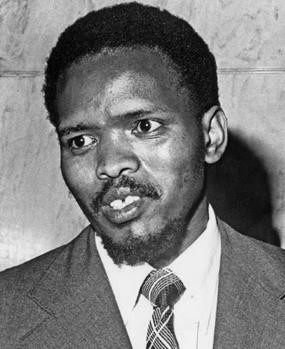
Today in Labor History September 12, 1977: South African anti-apartheid activist Steve Biko died after being beaten to death by police. Over 20,000 came to his funeral. His coffin was decorated with a clenched black fist. Biko was a socialist, anti-imperialist and pan-African nationalist, influenced by Frantz Fanon, Malcolm X and the U.S. Black Power Movement. #workingclass #LaborHistory #southafrica #apartheid #racism #stevebiko #MalcolmX #police #policebrutality #policemurder image
image
Today in Labor History September 9, 1971: The Attica prison riot began near Buffalo, New York. Nine prison guards were held hostage, dying along with 31 of their captors when 1,500 state police and other law-enforcement officers stormed the complex shooting indiscriminately. #workingclass #LaborHistory #prison #riot #murder #attica #racism #blm #BlackLivesMatter #police #policebrutality #BlackMastadon