Today in Labor History September 9, 1968: In a press conference about the brutality of the Chicago police during the Democratic Convention, Mayor Daley admitted what we’ve known all along: "The policeman isn't there to create disorder, the policeman is there to preserve disorder." #workingclass #LaborHistory #police #policebrutality #chicago #dnc #mayordaley #policebrutality
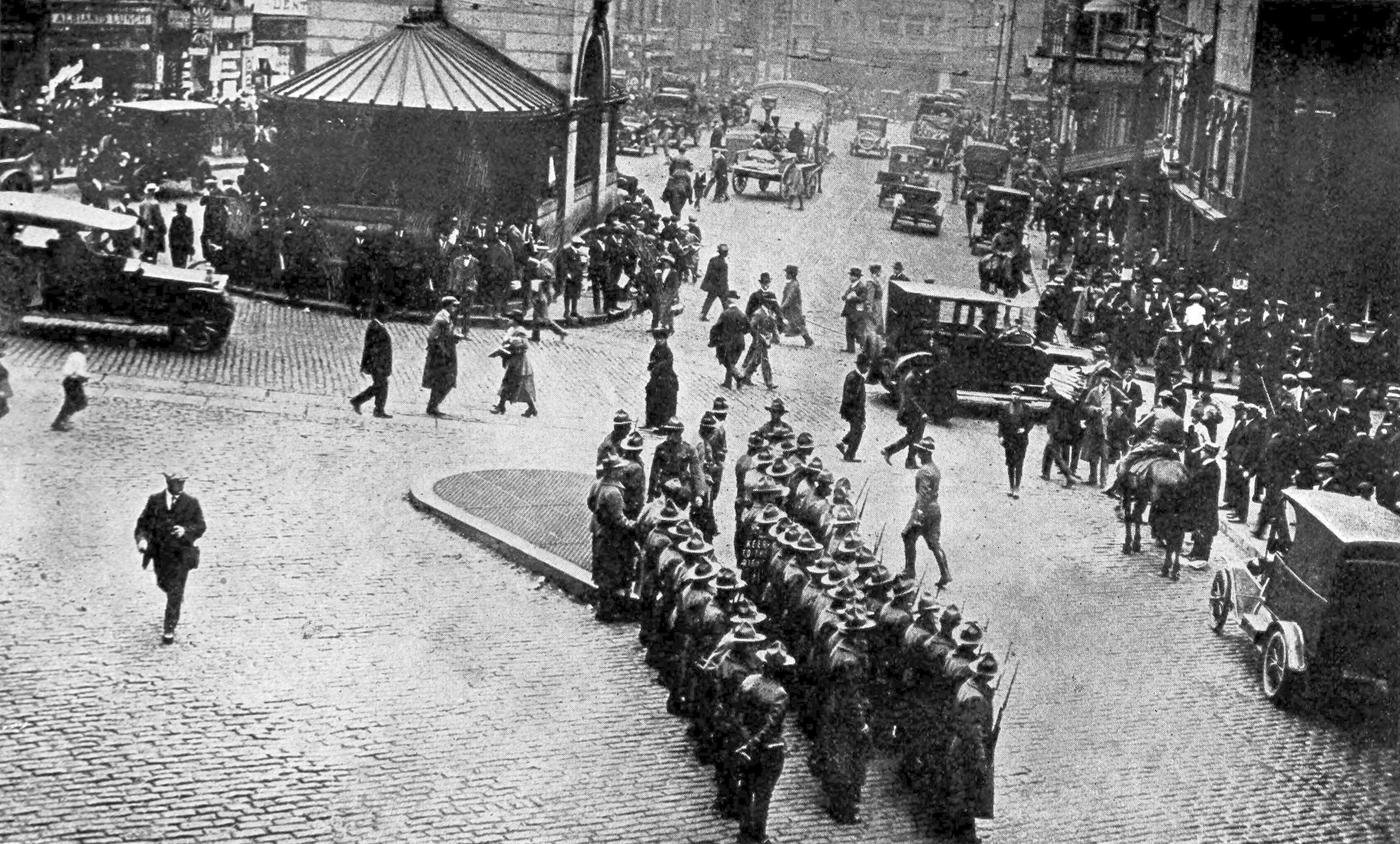
Today in Labor History September 9, 1919: Boston police walked off the job during the strike wave that was spreading across the country. The police had affiliated with the American Federation of Labor, prompting the police commissioner to suspend 19 of them for their organizing efforts, and prompting other cops to go on strike. Massachusetts Governor Calvin Coolidge announced that none of the strikers would be rehired and he called in the state police to crush the strike. However, over half of them showed solidarity and refused to work. Coolidge then mustered the state militia and created an entirely new police force made up of unemployed World War I veterans, and Harvard students. The poorly trained β€œcops” killed 9 people during the strike. But all the blame was placed on the strikers. U.S. President Woodrow Wilson called their strike a crime against civilization. AFL President Samuel Gompers urged the cops, whom he represented, to return to work. The press attacked the striking cops as Bolsheviks. The NY Times wrote: β€œA policeman has no more right to belong to a union than a soldier or a sailor. He must be ready to obey orders, the orders of his superiors, not those of any outside body. One of his duties is the maintenance of order in the case of strike violence. In such a case, if he is faithful to his union, he may have to be unfaithful to the public, which pays him to protect it.” And ever since, the cops and their β€œunions” (professional association might be a more appropriate term) have overwhelmingly followed the NYT advice, rarely striking themselves (~25 in the U.S. over the past 100 years) and eagerly attacking other working-class people who are on strike. #workingclass #LaborHistory #union #strike #police #cops #bolshevik #ww1 #worldwarone #NYTimes image
Today in Labor History September 9, 1918: Scottish & Anzac troops at the Etaples army base launched a successful five-day mutiny against harsh treatment and bad conditions by attacking the military police and carrying out daily demonstrations. Siegfried Sassoon described the terrible conditions in his poem "Base Details." English writer Vera Brittain described the atmosphere in her book β€œTestament of Youth.” William Allison and John Fairley wrote about it in their 1978 book, β€œThe Monocled Mutineer.” #workingclass #LaborHistory #ww1 #worldwarone #mutiny #poetry #books #writer #author #poet @npub1wceq...lzu8
image
image
image
image
Today in Labor History September 4, 1970: Socialist Salvador Allende was elected President of Chile. As president, he tried to nationalize major industries, expand education and improve conditions for the working class. On September 11, 1973 (the other 9/11), he was ousted in a coup by Augusto Pinochet, leading to a dictatorship that lasted until 1990. Thousands of workers, socialists, union members and activists were killed, including folk singer Victor Jara, who continued to sing, as his torturers mashed his fingers and demanded that he play his guitar. The coup and dictatorship were supported by the CIA, and by President Nixon, and by the Secretary of State, Henry Kissinger, who later won the Nobel Peace Prize. Here's is an interview & rare live footage of Jara singing his classic: El Derecho de Vivir en Paz. #workingclass #LaborHistory #chile #allende #cia #victorjara #pinochet #dictatorship #kissinger #nixon #socialism #union #folkmusic
image
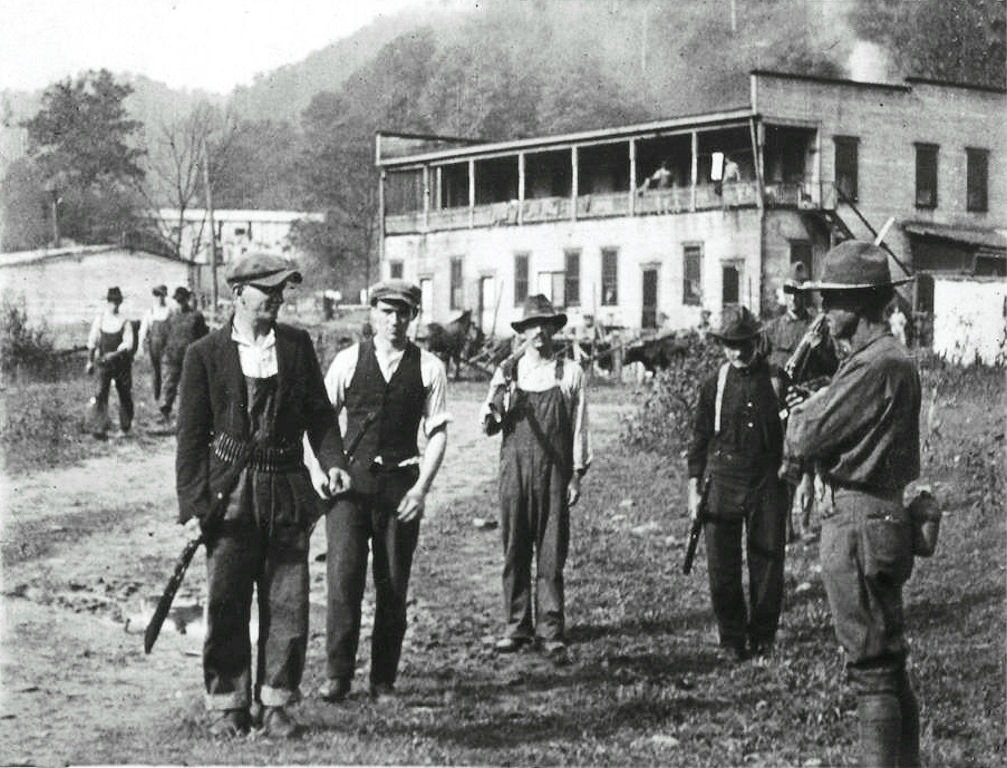
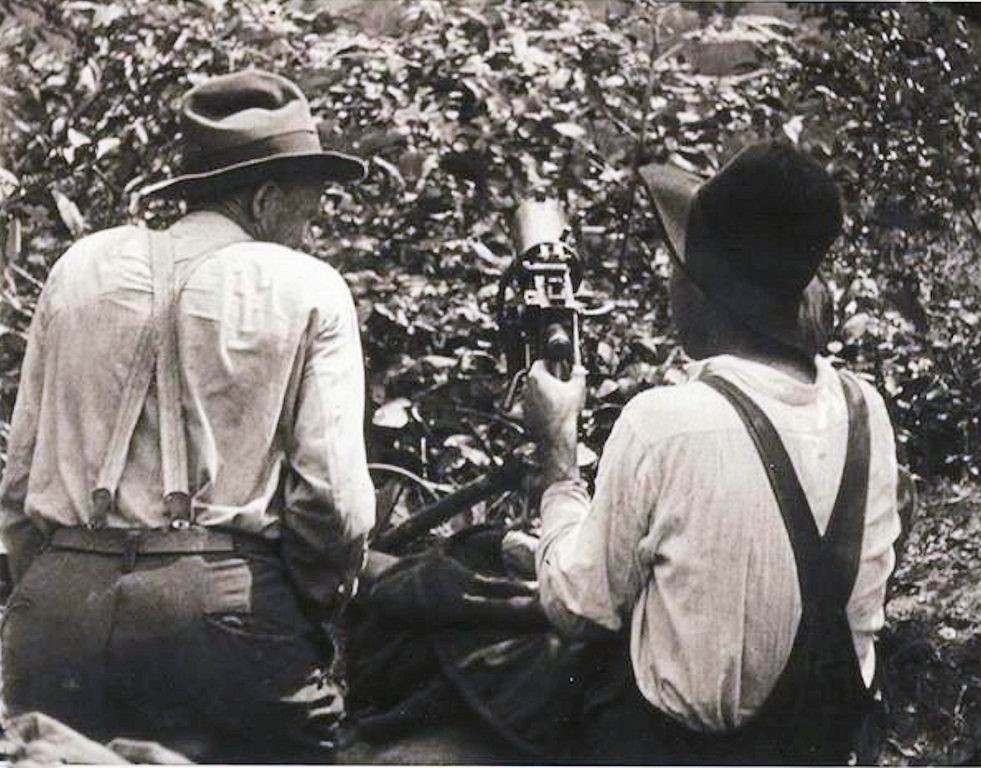
Today in Labor History September 2, 1921: The Battle of Blair Mountain ended on this date in 1921, with the U.S. government bombing striking coal miners by plane, the second time the U.S. government used planes to bomb its own citizens (the first was in the Tulsa riots, earlier that year). The Battle of Blair Mountain was one of the largest civil uprisings in U.S. history and the largest armed insurrection since the Civil War. The uprising lasted 5 days and involved 10,000-15,000 coal miners confronting an army of scabs and police. The battle came as mine owners tried to crush attempts by coal miners to unionize the southwestern West Virginia coalfields. From the late 1800s, mine owners forced workers to live in company towns, where rent was deducted from their wages and they were paid in scrip, which was accepted only at the overpriced company stores and was worthless everywhere else. The work was very dangerous and safety equipment and precautions were minimal. The mine owners had a long tradition of using private detectives and goons to spy on workers, infiltrate their meetings, rough them up, and block any attempts to unionize. The battle began after Sheriff Sid Hatfield (an ally of the miners and hero from the Battle of Matewan) was assassinated by Baldwin-Felts agents. Much of the region was still under martial law as a result of the Battle of Matewan. Miners began to leave the mountains armed and ready for battle. Mother Jones tried to dissuade them from marching into Logan and Mingo Counties, fearing a bloodbath. Many accused her of losing her nerve. The miners ignored her and a battle ensued between miners and cops, private detectives, scabs and eventually the U.S. military. You can read my complete article on the Battles of Blair Mountain & Matewan here: #workingclass #LaborHistory #coal #mining #strike #union #blairmountain #westvirginia #matewan #police #policebrutality #massacre #policemurder #Riot #motherjones image