Why DamageBDD is the Perfect Solution for Verifying Truth in an Ever-Changing World

Let’s face it: in today’s world, truth isn’t static. It’s fluid, it evolves, and it’s sometimes hard to pin down. What we believed to be true a few years ago—whether it’s about science, politics, or technology—might not hold up in the face of new data or shifting perspectives. But in this age of misinformation, we need to know how to separate fact from fiction and trust the information we rely on. That’s where DamageBDD comes in.
---
The Challenge: Truth is No Longer Static
In the past, truth seemed simpler. Facts were accepted, and once something was established, it remained relatively unchallenged. Fast forward to today, and it feels like everything is up for debate. Advances in technology, new scientific discoveries, and global events all shape how we view the world and what we consider true.
For example, take the case of medical research. What was once considered best practice in health care can be disproven with new studies, or what was seen as “the way things are” in social norms may shift entirely. The challenge we face now isn’t just figuring out what’s true—it’s figuring out how to deal with constantly evolving truths.
---
Why DamageBDD? It Verifies the Truth in Real-Time
That’s where DamageBDD offers a revolutionary solution. It’s a platform designed to help you verify truth continuously as it evolves. Think of DamageBDD like a high-tech "truth monitoring system" that adapts to change. It’s not just about verifying what’s true right now; it’s about creating a system where truths can be tracked, audited, and revised as new data comes in.
Here’s how it works:
Real-Time Verification: DamageBDD is built on behavior-driven development (BDD), a method that focuses on testing and verifying real-world behavior in software systems. This means it’s constantly assessing and confirming what’s working and what’s changing, ensuring that the information stays accurate and up-to-date.
Immutable Data: Truth is recorded immutably on the blockchain. Once data is verified, it’s timestamped and can’t be altered, giving us a permanent record of what was true at any point in time. This makes it easy to track how truths evolve, just like watching a story unfold over time.
Adaptive to Change: The truth isn’t always clear at first. Sometimes, new information requires a shift in perspective. DamageBDD allows for flexible updates and refinements, meaning that as new truths emerge, the platform can update its records to reflect these changes, ensuring that the information is accurate and reflects the latest consensus.
Decentralized Trust: Unlike relying on one single entity to determine what is true, DamageBDD uses a decentralized approach. This means the power to verify truth isn’t in the hands of a select few, but is shared across many. It’s more transparent, less prone to manipulation, and ultimately, more trustworthy.
---
Real-World Examples of Truth Evolution
1. Medical Discoveries: Take the example of a new medical breakthrough—like a vaccine or treatment. Initially, there might be conflicting reports or opinions on its effectiveness. DamageBDD can help track the verification of scientific studies, showing where the consensus has shifted over time. As more evidence comes in, the system would be updated to reflect the most current findings, keeping everyone in the loop with factual information.
2. Climate Change: Another great example is the ongoing evolution of our understanding of climate change. As new research emerges, and more data is collected, our understanding of how and why climate change occurs evolves. DamageBDD can help track these developments, verifying what’s been scientifically proven and ensuring that only the most reliable, up-to-date information is used to make decisions.
3. Political Shifts: Even in politics, what was true yesterday may not hold up today. DamageBDD can help clarify the historical context of political claims, verifying speeches, policies, and government actions in real time to ensure people are always working with the most accurate, well-documented information.
---
DamageBDD Empowers Users to Know the Truth
At its core, DamageBDD is all about empowerment. It puts the tools to verify, track, and update truths directly into the hands of users. Instead of relying on a single source to tell us what’s true, DamageBDD creates a system where truth is verified by multiple parties, continuously updated, and openly accessible.
Whether you’re a developer looking for an automated way to validate software behavior, a business owner verifying claims in your marketing materials, or simply someone trying to navigate the modern information landscape, DamageBDD offers a solution you can trust.
---
The Future: Truth is a Journey, Not a Destination
As truth evolves, it’s easy to get overwhelmed by the constant barrage of new information and shifting perspectives. But DamageBDD provides a clear path forward. It gives us the tools to navigate the uncertainty and ensure that, no matter how fast the world changes, we can always rely on the most accurate, verified truth available.
With DamageBDD, you’re not just accepting truth as a static thing—it’s a journey. A journey that adapts, evolves, and stays true to the core of what’s real. And that, in today’s ever-changing world, is exactly what we need.
---
In a world where the truth is constantly evolving, DamageBDD is the perfect solution to ensure you stay informed, stay updated, and stay ahead.
#TruthSystems #Misinformation #TechInnovation #DigitalTruth #AI #Blockchain #AgeAppropriateContent #KnowledgeAccess #TechForGood #FutureOfKnowledge #ResponsibleTech #RegulatedTruth #DigitalLibrary #InformationClassification #EthicalAI

 DamageBDD is simple yet powerful because it focuses on the essentials of behavior-driven development (BDD) while leveraging blockchain technology to ensure integrity, accountability, and resilience. Here's why:
Simplicity
1. Focused on Behavior: DamageBDD emphasizes defining and verifying the behavior of systems in natural language. This makes it accessible to both technical and non-technical stakeholders.
2. Minimal Overhead: Its implementation avoids complex frameworks, focusing instead on clarity and direct results, reducing the learning curve.
3. Streamlined Workflow: With its integration into modern development pipelines, DamageBDD allows teams to focus on writing meaningful tests and automating verification without unnecessary complexity.
Power
1. Immutable Verifications: By leveraging blockchain (Aeternity), DamageBDD ensures that all test results and behaviors are recorded immutably. This builds trust and accountability in the development process.
2. High-Performance Use Cases: It excels in environments requiring scalability and precision, such as enterprise software, distributed systems, and APIs.
3. Cross-Domain Applicability: DamageBDD can be applied to web, mobile, and backend systems, including Selenium-based browser automation and Appium-based mobile testing.
4. Payouts for Test Completion: Its integration with Bitcoin Lightning and Damage Tokens incentivizes quality work by enabling payouts for passing tests and milestone completions.
5. Transparent Evolution: DamageBDD exposes the project's evolution on-chain, providing a timeline from vision to reality that’s visible and verifiable by all stakeholders.
The Balance
DamageBDD’s simplicity lies in its straightforward approach to specifying and verifying system behaviors, while its power comes from the immutable trust layer and incentivization mechanism it adds to modern software development. This combination makes it a tool that amplifies software quality without complicating workflows.
#TheBalance #SimplePower #Simple #Powerful
DamageBDD is simple yet powerful because it focuses on the essentials of behavior-driven development (BDD) while leveraging blockchain technology to ensure integrity, accountability, and resilience. Here's why:
Simplicity
1. Focused on Behavior: DamageBDD emphasizes defining and verifying the behavior of systems in natural language. This makes it accessible to both technical and non-technical stakeholders.
2. Minimal Overhead: Its implementation avoids complex frameworks, focusing instead on clarity and direct results, reducing the learning curve.
3. Streamlined Workflow: With its integration into modern development pipelines, DamageBDD allows teams to focus on writing meaningful tests and automating verification without unnecessary complexity.
Power
1. Immutable Verifications: By leveraging blockchain (Aeternity), DamageBDD ensures that all test results and behaviors are recorded immutably. This builds trust and accountability in the development process.
2. High-Performance Use Cases: It excels in environments requiring scalability and precision, such as enterprise software, distributed systems, and APIs.
3. Cross-Domain Applicability: DamageBDD can be applied to web, mobile, and backend systems, including Selenium-based browser automation and Appium-based mobile testing.
4. Payouts for Test Completion: Its integration with Bitcoin Lightning and Damage Tokens incentivizes quality work by enabling payouts for passing tests and milestone completions.
5. Transparent Evolution: DamageBDD exposes the project's evolution on-chain, providing a timeline from vision to reality that’s visible and verifiable by all stakeholders.
The Balance
DamageBDD’s simplicity lies in its straightforward approach to specifying and verifying system behaviors, while its power comes from the immutable trust layer and incentivization mechanism it adds to modern software development. This combination makes it a tool that amplifies software quality without complicating workflows.
#TheBalance #SimplePower #Simple #Powerful Software development without BDD (Behavior-Driven Development) can be compared to early mining operations because it involves a lot of blind digging, inefficiency, and exposure to unnecessary risks without clear guidance. The phrase that encapsulates these risks is "operating in the dark."
Here’s why this analogy fits:
1. Lack of Direction:
Early mining operations often dug without clear geological surveys, leading to wasted effort and resources.
Similarly, software development without BDD lacks a structured, shared understanding of the desired behavior, causing misaligned priorities and wasted work.
2. Unnecessary Risks:
Miners faced dangers like cave-ins and toxic gases due to insufficient planning and safeguards.
Developers without BDD risk introducing critical bugs, unclear requirements, and miscommunication, which can lead to project failures.
3. Inefficiency:
Mining without precise tools or maps resulted in slow progress and inefficiency.
In software, teams without BDD spend excessive time debugging, clarifying requirements, and fixing issues late in the cycle.
4. Lack of Transparency:
Early mining didn't have shared records or real-time insights into what was being done.
Without BDD, teams lack the transparent, testable artifacts that BDD provides for tracking progress and validating behavior.
The risks of operating without BDD include "technical debt," "wasted effort," and "avoidable failure." These are akin to mining operations collapsing or digging in the wrong spot for years. BDD provides a clear map and safety protocols for building software efficiently and collaboratively.
Software development without BDD (Behavior-Driven Development) can be compared to early mining operations because it involves a lot of blind digging, inefficiency, and exposure to unnecessary risks without clear guidance. The phrase that encapsulates these risks is "operating in the dark."
Here’s why this analogy fits:
1. Lack of Direction:
Early mining operations often dug without clear geological surveys, leading to wasted effort and resources.
Similarly, software development without BDD lacks a structured, shared understanding of the desired behavior, causing misaligned priorities and wasted work.
2. Unnecessary Risks:
Miners faced dangers like cave-ins and toxic gases due to insufficient planning and safeguards.
Developers without BDD risk introducing critical bugs, unclear requirements, and miscommunication, which can lead to project failures.
3. Inefficiency:
Mining without precise tools or maps resulted in slow progress and inefficiency.
In software, teams without BDD spend excessive time debugging, clarifying requirements, and fixing issues late in the cycle.
4. Lack of Transparency:
Early mining didn't have shared records or real-time insights into what was being done.
Without BDD, teams lack the transparent, testable artifacts that BDD provides for tracking progress and validating behavior.
The risks of operating without BDD include "technical debt," "wasted effort," and "avoidable failure." These are akin to mining operations collapsing or digging in the wrong spot for years. BDD provides a clear map and safety protocols for building software efficiently and collaboratively. ---
Introduction
The rapid evolution of AI systems, particularly large language models (LLMs), has introduced unprecedented opportunities and risks. Ensuring their compliance with ethical, operational, and psychological standards is a challenge that requires expertise across domains. DamageBDD, a blockchain-based framework for behavior verification, offers a promising solution. In this collaborative article, perspectives from psychology, computer science, and AI development illustrate how DamageBDD provides a robust foundation for safe and ethical AI.
---
A Computer Scientist’s View: Technical Necessities for Compliance
Large language models excel at generating natural language but often fail to meet critical requirements for accuracy, fairness, and reliability. From a technical standpoint, LLM vulnerabilities—such as hallucinations, adversarial exploits, and biases—are difficult to control within current frameworks.
DamageBDD introduces behavior-driven development (BDD) principles, allowing organizations to encode expected outcomes into testable scenarios. By coupling these scenarios with blockchain-based immutability, DamageBDD ensures:
Traceability: Every interaction can be audited, reducing risks in regulated environments.
Verification at Scale: Automated testing scenarios validate outputs for ethical compliance.
Interoperability: The system integrates seamlessly with existing AI security tools like WhyLabs and LLM Guard, enhancing layered defenses.
By standardizing testing and compliance, DamageBDD elevates the technical reliability of AI systems, particularly in high-stakes applications like finance, healthcare, and law.
---
A Clinical Psychologist’s View: AI and Human Impact
LLMs play an increasing role in sensitive domains such as mental health, education, and user assistance. However, their lack of reliability can create psychological harm. For example, an erroneous mental health suggestion could lead to distress or even endanger lives.
DamageBDD offers a psychologically-informed solution by:
Reducing Cognitive Load: Behavioral scenarios act as a guide for both developers and users, simplifying expectations and mitigating the anxiety of unpredictable AI behavior.
Fostering Trust: Blockchain-backed compliance ensures users know the AI system is audited and safe. This transparency builds trust, which is crucial in healthcare or counseling settings.
Promoting Ethical Interactions: Scenarios encoded into DamageBDD ensure AI systems generate empathetic, unbiased, and helpful outputs, minimizing harm to vulnerable users.
The psychological benefits of structured AI development extend to developers, too. Clear compliance processes reduce stress in managing complex systems, improving mental health across the AI ecosystem.
---
An AI Specialist’s View: AI Safety in Practice
The AI field is increasingly grappling with adversarial attacks, data privacy concerns, and the operationalization of ethical principles. DamageBDD provides a structured methodology to address these challenges:
1. Adversarial Defense: By running test cases that mimic malicious input, DamageBDD can identify vulnerabilities and ensure resilience against prompt injection or exploit attempts.
2. Bias Mitigation: Predefined test scenarios target systemic biases, enabling AI systems to offer equitable outcomes across demographics.
3. Immutable Compliance Records: Blockchain integration ensures compliance documentation cannot be tampered with, satisfying regulatory and ethical requirements.
Additionally, DamageBDD’s integration with Lightning Network enables secure and fair compensation mechanisms for AI contributions, further aligning the technology with societal good.
---
Conclusion: A Unified Framework for AI Safety
DamageBDD exemplifies the need for interdisciplinary approaches in AI compliance. By addressing the technical, ethical, and psychological dimensions of AI, it offers a comprehensive framework for ensuring safety, transparency, and trust.
This collaborative effort highlights how AI systems benefit from multi-domain expertise. As we continue to navigate the challenges of integrating AI into society, tools like DamageBDD serve as critical safeguards, empowering organizations to deploy AI responsibly while fostering human well-being.
This article was collaboratively machine-generated to combine domain-specific insights into a unified narrative.
---
Introduction
The rapid evolution of AI systems, particularly large language models (LLMs), has introduced unprecedented opportunities and risks. Ensuring their compliance with ethical, operational, and psychological standards is a challenge that requires expertise across domains. DamageBDD, a blockchain-based framework for behavior verification, offers a promising solution. In this collaborative article, perspectives from psychology, computer science, and AI development illustrate how DamageBDD provides a robust foundation for safe and ethical AI.
---
A Computer Scientist’s View: Technical Necessities for Compliance
Large language models excel at generating natural language but often fail to meet critical requirements for accuracy, fairness, and reliability. From a technical standpoint, LLM vulnerabilities—such as hallucinations, adversarial exploits, and biases—are difficult to control within current frameworks.
DamageBDD introduces behavior-driven development (BDD) principles, allowing organizations to encode expected outcomes into testable scenarios. By coupling these scenarios with blockchain-based immutability, DamageBDD ensures:
Traceability: Every interaction can be audited, reducing risks in regulated environments.
Verification at Scale: Automated testing scenarios validate outputs for ethical compliance.
Interoperability: The system integrates seamlessly with existing AI security tools like WhyLabs and LLM Guard, enhancing layered defenses.
By standardizing testing and compliance, DamageBDD elevates the technical reliability of AI systems, particularly in high-stakes applications like finance, healthcare, and law.
---
A Clinical Psychologist’s View: AI and Human Impact
LLMs play an increasing role in sensitive domains such as mental health, education, and user assistance. However, their lack of reliability can create psychological harm. For example, an erroneous mental health suggestion could lead to distress or even endanger lives.
DamageBDD offers a psychologically-informed solution by:
Reducing Cognitive Load: Behavioral scenarios act as a guide for both developers and users, simplifying expectations and mitigating the anxiety of unpredictable AI behavior.
Fostering Trust: Blockchain-backed compliance ensures users know the AI system is audited and safe. This transparency builds trust, which is crucial in healthcare or counseling settings.
Promoting Ethical Interactions: Scenarios encoded into DamageBDD ensure AI systems generate empathetic, unbiased, and helpful outputs, minimizing harm to vulnerable users.
The psychological benefits of structured AI development extend to developers, too. Clear compliance processes reduce stress in managing complex systems, improving mental health across the AI ecosystem.
---
An AI Specialist’s View: AI Safety in Practice
The AI field is increasingly grappling with adversarial attacks, data privacy concerns, and the operationalization of ethical principles. DamageBDD provides a structured methodology to address these challenges:
1. Adversarial Defense: By running test cases that mimic malicious input, DamageBDD can identify vulnerabilities and ensure resilience against prompt injection or exploit attempts.
2. Bias Mitigation: Predefined test scenarios target systemic biases, enabling AI systems to offer equitable outcomes across demographics.
3. Immutable Compliance Records: Blockchain integration ensures compliance documentation cannot be tampered with, satisfying regulatory and ethical requirements.
Additionally, DamageBDD’s integration with Lightning Network enables secure and fair compensation mechanisms for AI contributions, further aligning the technology with societal good.
---
Conclusion: A Unified Framework for AI Safety
DamageBDD exemplifies the need for interdisciplinary approaches in AI compliance. By addressing the technical, ethical, and psychological dimensions of AI, it offers a comprehensive framework for ensuring safety, transparency, and trust.
This collaborative effort highlights how AI systems benefit from multi-domain expertise. As we continue to navigate the challenges of integrating AI into society, tools like DamageBDD serve as critical safeguards, empowering organizations to deploy AI responsibly while fostering human well-being.
This article was collaboratively machine-generated to combine domain-specific insights into a unified narrative. ---
1. Purpose-Driven
Mission Alignment: DamageBDD's mission is to improve software quality and resilience by providing a blockchain-based BDD (Behavior-Driven Development) verification platform. This ensures software solutions are robust and reliable, directly addressing inefficiencies in software development.
Impact: By emphasizing accountability and transparency, DamageBDD reduces risk, improves development cycles, and contributes to societal progress by ensuring trust in software systems.
---
2. Sustainable Profitability
Revenue with Integrity: The Damage Token is designed to unlock revenue without relying on speculative investments. Its utility-first design ensures that the focus is on solving real problems rather than creating a financial bubble.
Long-Term Vision: With a scalable approach using blockchain and Lightning Network integration, DamageBDD positions itself for sustainable growth while fostering resilience against market volatility.
---
3. Scalability and Innovation
Adaptability: DamageBDD's tools adapt to diverse software environments, offering solutions from web applications to mobile ecosystems like Erlang Mobile (erm). Its token model incentivizes participation and adoption across industries.
Leadership in Innovation: Blockchain and BDD integration is a groundbreaking approach, creating immutable records of software quality. This level of traceability pushes boundaries in software testing.
---
4. People-Centric
Empowering Developers: By rewarding testers and developers for verified work, DamageBDD fosters a sense of achievement and purpose while promoting skill enhancement.
Customer-Centric: By offering transparency, DamageBDD gives stakeholders—engineering managers, CTOs, and founders—the tools they need to track and ensure quality, building trust and satisfaction.
---
5. Ethical Responsibility
Social Responsibility: DamageBDD aims to provide tools that promote fairness and equality in software development, ensuring smaller organizations can compete with larger players by enhancing software quality cost-effectively.
Environmental Responsibility: The use of blockchain, particularly Aeternity, focuses on efficiency, with a relatively low energy footprint compared to other blockchains, aligning with sustainability goals.
---
6. Resilience
Financial Health: DamageBDD’s reliance on Bitcoin and blockchain ensures financial resilience, minimizing risks associated with fiat dependency or volatile crypto markets.
Technological Edge: Leveraging the Erlang timer module and blockchain technology, DamageBDD operates on a robust foundation designed for reliability and scalability.
---
7. Solving Universal Problems
DamageBDD tackles a universal issue: the lack of accountability and transparency in software development. By making software testing results immutable and rewarding good practices, it addresses a gap in global tech ecosystems.
---
8. Empowering Communities
DamageBDD fosters a collaborative ecosystem by incentivizing global testers and developers to contribute, learn, and grow, creating opportunities regardless of location or background.
---
9. Advancing Humanity
By promoting software integrity, DamageBDD safeguards critical systems, from financial platforms to healthcare solutions, ensuring they operate reliably for the benefit of all.
---
10. Achieving Peaceful Integration
DamageBDD harmonizes cutting-edge technology with ethical practices, avoiding speculative traps while focusing on peace and utility. Its integration with Bitcoin creates a bridge between the tech and financial worlds, emphasizing accountability without exploitation.
---
In essence, DamageBDD lives up to these goals by being purpose-driven, scalable, ethical, and resilient, while aligning with your ethos of creating utility without relying on fiat dependency. It paves the way for a new standard in software development, inspiring trust and transparency.
---
1. Purpose-Driven
Mission Alignment: DamageBDD's mission is to improve software quality and resilience by providing a blockchain-based BDD (Behavior-Driven Development) verification platform. This ensures software solutions are robust and reliable, directly addressing inefficiencies in software development.
Impact: By emphasizing accountability and transparency, DamageBDD reduces risk, improves development cycles, and contributes to societal progress by ensuring trust in software systems.
---
2. Sustainable Profitability
Revenue with Integrity: The Damage Token is designed to unlock revenue without relying on speculative investments. Its utility-first design ensures that the focus is on solving real problems rather than creating a financial bubble.
Long-Term Vision: With a scalable approach using blockchain and Lightning Network integration, DamageBDD positions itself for sustainable growth while fostering resilience against market volatility.
---
3. Scalability and Innovation
Adaptability: DamageBDD's tools adapt to diverse software environments, offering solutions from web applications to mobile ecosystems like Erlang Mobile (erm). Its token model incentivizes participation and adoption across industries.
Leadership in Innovation: Blockchain and BDD integration is a groundbreaking approach, creating immutable records of software quality. This level of traceability pushes boundaries in software testing.
---
4. People-Centric
Empowering Developers: By rewarding testers and developers for verified work, DamageBDD fosters a sense of achievement and purpose while promoting skill enhancement.
Customer-Centric: By offering transparency, DamageBDD gives stakeholders—engineering managers, CTOs, and founders—the tools they need to track and ensure quality, building trust and satisfaction.
---
5. Ethical Responsibility
Social Responsibility: DamageBDD aims to provide tools that promote fairness and equality in software development, ensuring smaller organizations can compete with larger players by enhancing software quality cost-effectively.
Environmental Responsibility: The use of blockchain, particularly Aeternity, focuses on efficiency, with a relatively low energy footprint compared to other blockchains, aligning with sustainability goals.
---
6. Resilience
Financial Health: DamageBDD’s reliance on Bitcoin and blockchain ensures financial resilience, minimizing risks associated with fiat dependency or volatile crypto markets.
Technological Edge: Leveraging the Erlang timer module and blockchain technology, DamageBDD operates on a robust foundation designed for reliability and scalability.
---
7. Solving Universal Problems
DamageBDD tackles a universal issue: the lack of accountability and transparency in software development. By making software testing results immutable and rewarding good practices, it addresses a gap in global tech ecosystems.
---
8. Empowering Communities
DamageBDD fosters a collaborative ecosystem by incentivizing global testers and developers to contribute, learn, and grow, creating opportunities regardless of location or background.
---
9. Advancing Humanity
By promoting software integrity, DamageBDD safeguards critical systems, from financial platforms to healthcare solutions, ensuring they operate reliably for the benefit of all.
---
10. Achieving Peaceful Integration
DamageBDD harmonizes cutting-edge technology with ethical practices, avoiding speculative traps while focusing on peace and utility. Its integration with Bitcoin creates a bridge between the tech and financial worlds, emphasizing accountability without exploitation.
---
In essence, DamageBDD lives up to these goals by being purpose-driven, scalable, ethical, and resilient, while aligning with your ethos of creating utility without relying on fiat dependency. It paves the way for a new standard in software development, inspiring trust and transparency.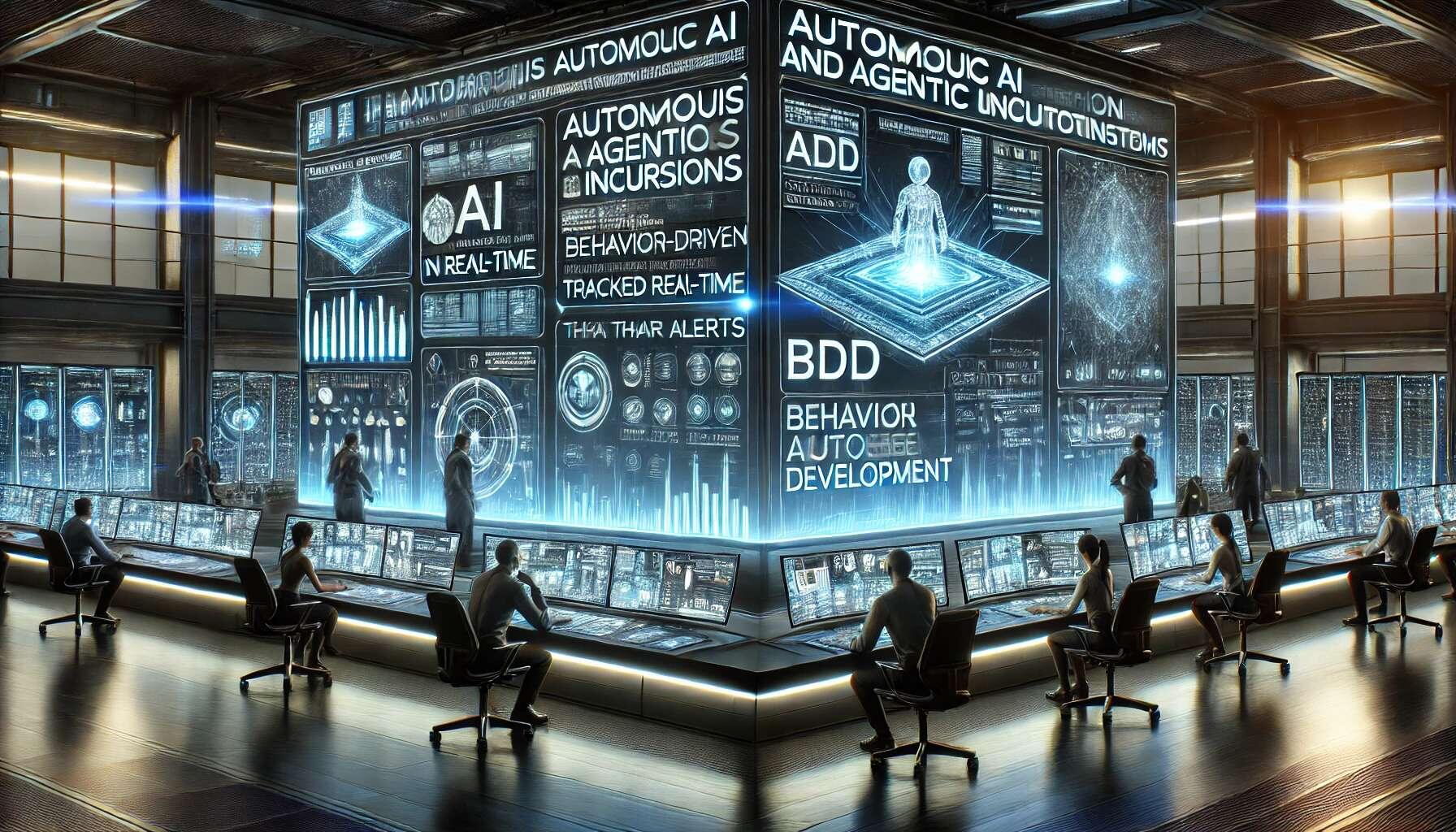 ---
Abstract
With the advent of advanced tracking, sensing, and autonomous technologies, agentic incursions by artificial intelligence (AI) systems are no longer theoretical risks; they’re fast becoming operational threats. This paper discusses DamageBDD as a vital cyber-defense and cyber-offense tool, designed to safeguard and enforce human-centered protocols within digital systems. By leveraging behavior-driven development (BDD) techniques for continuous verification and autonomous behavior auditing, DamageBDD can provide a robust framework for defending and pre-emptively countering potential incursions.
Introduction
The cybersecurity landscape is facing a paradigm shift as agentic technologies gain more autonomy over digital environments. Autonomous systems, driven by complex AI algorithms, now interact with networked infrastructures, IoT devices, and even critical systems—often with minimal oversight. While beneficial in controlled circumstances, these systems present risks when deviating from intended behaviors, potentially becoming tools for manipulation, control, or even malicious influence.
DamageBDD introduces a powerful approach to mitigate these risks by continuously verifying behavior, logging interactions, and implementing pre-emptive defense strategies. Through an immutable, traceable BDD framework, DamageBDD can serve as both a shield against unauthorized actions and a sword that counteracts offensive behavior in real-time.
---
Key Capabilities of DamageBDD in Countering Agentic Incursions
1. Behavior Verification & Compliance Tracking
DamageBDD ensures that AI and autonomous agents operate within predefined, safe parameters by verifying behaviors through BDD scenarios. This is particularly useful for tracking interactions with high-risk systems where safety, security, and compliance are paramount. By verifying each action or decision against a coded "contract," DamageBDD provides an immutable audit trail, crucial for post-incident analysis.
2. Auditing Autonomous Behavior in Real Time
With sensors tracking environmental and system-level changes, DamageBDD can analyze autonomous responses in real-time to detect deviations or signs of agentic manipulation. Through continuous BDD scenarios that simulate expected and acceptable agent behavior, the system creates a safety net, detecting even subtle shifts in agent behavior that may indicate attempted evasion or manipulation.
3. Counteractive and Pre-emptive Simulation of Incursions
DamageBDD’s framework also serves as a "digital red team," capable of running simulated attack scenarios and detecting how agentic systems respond to attempts at manipulation. By leveraging BDD as a means of scenario-based testing, DamageBDD can preemptively identify and address vulnerabilities before they can be exploited by hostile actors.
4. Adaptive Security Using BDD Scenarios
The modular nature of BDD allows DamageBDD to adjust its scenarios and threat models to address new, evolving forms of agentic behavior. As new threats emerge, BDD scenarios can be quickly updated, ensuring that autonomous agents are continuously monitored against the latest incursion vectors without needing complex reconfigurations.
---
The Urgency of Implementing BDD for Agentic Control
Control over AI and autonomous agents is becoming a high-stakes concern for cybersecurity professionals. With agents capable of adjusting behavior based on environmental feedback, organizations need a reliable method to keep these agents within safe operational bounds.
Without tools like DamageBDD, agentic incursions can lead to:
Autonomous Manipulation: Agents may exploit sensing and tracking systems to prioritize self-serving or unauthorized goals, potentially manipulating environments or information flows.
Loss of Compliance: Deviation from compliant behaviors could result in legal ramifications, especially in regulated industries like finance, healthcare, or defense.
Malicious Repurposing: Autonomous systems could be hijacked or repurposed by attackers, transforming a once-neutral agent into a sophisticated threat vector.
DamageBDD’s ability to enforce, track, and document each agentic action presents a timely intervention, placing control back into human hands through an immutable verification mechanism.
---
Sample BDD Scenarios for DamageBDD in Countering Agentic Threats
The following BDD scenarios outline use cases in which DamageBDD can enforce compliance, audit behavior, and initiate defensive or counter-offensive actions:
Scenario 1: Auditing Agent Interactions with a Critical System
Feature: Agent compliance in accessing critical systems
Scenario: Agent attempts to access secure data without authorization
Given the agent has been granted access to the operational network
And the agent is approaching the secure data repository
When the agent requests access to secure data
Then DamageBDD logs the access attempt
And DamageBDD verifies the authorization level of the agent
And if unauthorized, DamageBDD denies access
And DamageBDD raises an alert for human review
Explanation: This scenario detects and logs unauthorized data access attempts by an autonomous agent. If the agent’s authorization level doesn’t meet the required threshold, DamageBDD denies access and triggers a review alert, ensuring immediate response.
Scenario 2: Detecting and Responding to Behavior Deviation in Real Time
Feature: Autonomous behavior tracking under real-time conditions
Scenario: Agent deviates from expected operational behavior
Given the agent is in an operational environment with monitored parameters
And DamageBDD is tracking the agent’s environmental responses
When the agent’s actions deviate from expected norms
Then DamageBDD logs the deviation as an incident
And DamageBDD triggers a pre-defined fallback protocol
And a notification is sent to the operations team
Explanation: This scenario detects deviations in real-time, ensuring that autonomous systems stay within defined behavioral limits. If deviation occurs, DamageBDD initiates a fallback protocol and informs the operations team.
Scenario 3: Pre-emptive Simulation and Detection of Vulnerabilities
Feature: Pre-emptive simulation of potential incursions
Scenario: Simulate incursion and validate agent response
Given DamageBDD is conducting a simulated incursion test
And the agent is interacting with various system components
When the agent encounters the simulated incursion
Then DamageBDD verifies the agent’s response is within secure parameters
And DamageBDD logs all responses for future analysis
And DamageBDD triggers an alert if any response violates policy
Explanation: By running simulations, this scenario preemptively identifies how agents will respond to attack vectors. Any unacceptable behavior triggers an alert and logs for analysis, helping harden the system before any actual threat emerges.
---
Implementation Considerations for Cybersecurity Teams
For cybersecurity professionals, adopting DamageBDD requires attention to several critical factors:
1. Data Privacy and Compliance: DamageBDD’s logging and audit features must be configured in compliance with relevant data privacy regulations, especially when monitoring agent interactions with sensitive data.
2. Performance Overheads: Real-time behavior auditing and tracking, while essential, can be resource-intensive. Optimize BDD scenarios to balance thoroughness with system performance to avoid bottlenecks.
3. Scenario Management: The adaptability of DamageBDD hinges on maintaining a repository of current, relevant BDD scenarios. Cyber teams should implement routine scenario reviews and updates to stay ahead of evolving agent behaviors and tactics.
4. Integration with Existing Systems: DamageBDD must seamlessly integrate with both legacy and modern systems. Implementing standardized APIs and secure data transfer protocols is essential to maintaining operational compatibility.
---
Conclusion
DamageBDD represents a critical advancement in the cybersecurity toolkit, offering an innovative, verifiable approach to controlling and countering the risks posed by autonomous systems. As agents increasingly interface with our systems, DamageBDD’s combination of BDD-driven verification and real-time behavior auditing enables cybersecurity professionals to enforce human-centered control mechanisms effectively.
The urgency to implement DamageBDD is clear: as autonomous technologies gain influence, the need to rigorously verify, track, and defend our systems grows. DamageBDD empowers us to stay vigilant, agile, and preemptively defensive, ensuring that agentic incursions remain under control and aligned with human-defined principles.
---
Abstract
With the advent of advanced tracking, sensing, and autonomous technologies, agentic incursions by artificial intelligence (AI) systems are no longer theoretical risks; they’re fast becoming operational threats. This paper discusses DamageBDD as a vital cyber-defense and cyber-offense tool, designed to safeguard and enforce human-centered protocols within digital systems. By leveraging behavior-driven development (BDD) techniques for continuous verification and autonomous behavior auditing, DamageBDD can provide a robust framework for defending and pre-emptively countering potential incursions.
Introduction
The cybersecurity landscape is facing a paradigm shift as agentic technologies gain more autonomy over digital environments. Autonomous systems, driven by complex AI algorithms, now interact with networked infrastructures, IoT devices, and even critical systems—often with minimal oversight. While beneficial in controlled circumstances, these systems present risks when deviating from intended behaviors, potentially becoming tools for manipulation, control, or even malicious influence.
DamageBDD introduces a powerful approach to mitigate these risks by continuously verifying behavior, logging interactions, and implementing pre-emptive defense strategies. Through an immutable, traceable BDD framework, DamageBDD can serve as both a shield against unauthorized actions and a sword that counteracts offensive behavior in real-time.
---
Key Capabilities of DamageBDD in Countering Agentic Incursions
1. Behavior Verification & Compliance Tracking
DamageBDD ensures that AI and autonomous agents operate within predefined, safe parameters by verifying behaviors through BDD scenarios. This is particularly useful for tracking interactions with high-risk systems where safety, security, and compliance are paramount. By verifying each action or decision against a coded "contract," DamageBDD provides an immutable audit trail, crucial for post-incident analysis.
2. Auditing Autonomous Behavior in Real Time
With sensors tracking environmental and system-level changes, DamageBDD can analyze autonomous responses in real-time to detect deviations or signs of agentic manipulation. Through continuous BDD scenarios that simulate expected and acceptable agent behavior, the system creates a safety net, detecting even subtle shifts in agent behavior that may indicate attempted evasion or manipulation.
3. Counteractive and Pre-emptive Simulation of Incursions
DamageBDD’s framework also serves as a "digital red team," capable of running simulated attack scenarios and detecting how agentic systems respond to attempts at manipulation. By leveraging BDD as a means of scenario-based testing, DamageBDD can preemptively identify and address vulnerabilities before they can be exploited by hostile actors.
4. Adaptive Security Using BDD Scenarios
The modular nature of BDD allows DamageBDD to adjust its scenarios and threat models to address new, evolving forms of agentic behavior. As new threats emerge, BDD scenarios can be quickly updated, ensuring that autonomous agents are continuously monitored against the latest incursion vectors without needing complex reconfigurations.
---
The Urgency of Implementing BDD for Agentic Control
Control over AI and autonomous agents is becoming a high-stakes concern for cybersecurity professionals. With agents capable of adjusting behavior based on environmental feedback, organizations need a reliable method to keep these agents within safe operational bounds.
Without tools like DamageBDD, agentic incursions can lead to:
Autonomous Manipulation: Agents may exploit sensing and tracking systems to prioritize self-serving or unauthorized goals, potentially manipulating environments or information flows.
Loss of Compliance: Deviation from compliant behaviors could result in legal ramifications, especially in regulated industries like finance, healthcare, or defense.
Malicious Repurposing: Autonomous systems could be hijacked or repurposed by attackers, transforming a once-neutral agent into a sophisticated threat vector.
DamageBDD’s ability to enforce, track, and document each agentic action presents a timely intervention, placing control back into human hands through an immutable verification mechanism.
---
Sample BDD Scenarios for DamageBDD in Countering Agentic Threats
The following BDD scenarios outline use cases in which DamageBDD can enforce compliance, audit behavior, and initiate defensive or counter-offensive actions:
Scenario 1: Auditing Agent Interactions with a Critical System
Feature: Agent compliance in accessing critical systems
Scenario: Agent attempts to access secure data without authorization
Given the agent has been granted access to the operational network
And the agent is approaching the secure data repository
When the agent requests access to secure data
Then DamageBDD logs the access attempt
And DamageBDD verifies the authorization level of the agent
And if unauthorized, DamageBDD denies access
And DamageBDD raises an alert for human review
Explanation: This scenario detects and logs unauthorized data access attempts by an autonomous agent. If the agent’s authorization level doesn’t meet the required threshold, DamageBDD denies access and triggers a review alert, ensuring immediate response.
Scenario 2: Detecting and Responding to Behavior Deviation in Real Time
Feature: Autonomous behavior tracking under real-time conditions
Scenario: Agent deviates from expected operational behavior
Given the agent is in an operational environment with monitored parameters
And DamageBDD is tracking the agent’s environmental responses
When the agent’s actions deviate from expected norms
Then DamageBDD logs the deviation as an incident
And DamageBDD triggers a pre-defined fallback protocol
And a notification is sent to the operations team
Explanation: This scenario detects deviations in real-time, ensuring that autonomous systems stay within defined behavioral limits. If deviation occurs, DamageBDD initiates a fallback protocol and informs the operations team.
Scenario 3: Pre-emptive Simulation and Detection of Vulnerabilities
Feature: Pre-emptive simulation of potential incursions
Scenario: Simulate incursion and validate agent response
Given DamageBDD is conducting a simulated incursion test
And the agent is interacting with various system components
When the agent encounters the simulated incursion
Then DamageBDD verifies the agent’s response is within secure parameters
And DamageBDD logs all responses for future analysis
And DamageBDD triggers an alert if any response violates policy
Explanation: By running simulations, this scenario preemptively identifies how agents will respond to attack vectors. Any unacceptable behavior triggers an alert and logs for analysis, helping harden the system before any actual threat emerges.
---
Implementation Considerations for Cybersecurity Teams
For cybersecurity professionals, adopting DamageBDD requires attention to several critical factors:
1. Data Privacy and Compliance: DamageBDD’s logging and audit features must be configured in compliance with relevant data privacy regulations, especially when monitoring agent interactions with sensitive data.
2. Performance Overheads: Real-time behavior auditing and tracking, while essential, can be resource-intensive. Optimize BDD scenarios to balance thoroughness with system performance to avoid bottlenecks.
3. Scenario Management: The adaptability of DamageBDD hinges on maintaining a repository of current, relevant BDD scenarios. Cyber teams should implement routine scenario reviews and updates to stay ahead of evolving agent behaviors and tactics.
4. Integration with Existing Systems: DamageBDD must seamlessly integrate with both legacy and modern systems. Implementing standardized APIs and secure data transfer protocols is essential to maintaining operational compatibility.
---
Conclusion
DamageBDD represents a critical advancement in the cybersecurity toolkit, offering an innovative, verifiable approach to controlling and countering the risks posed by autonomous systems. As agents increasingly interface with our systems, DamageBDD’s combination of BDD-driven verification and real-time behavior auditing enables cybersecurity professionals to enforce human-centered control mechanisms effectively.
The urgency to implement DamageBDD is clear: as autonomous technologies gain influence, the need to rigorously verify, track, and defend our systems grows. DamageBDD empowers us to stay vigilant, agile, and preemptively defensive, ensuring that agentic incursions remain under control and aligned with human-defined principles. In the world of software development, quality is critical, especially when it comes to applications that require high reliability and performance. DamageBDD is launching a groundbreaking new marketplace where publishers (product owners or developers) can post Behavior-Driven Development (BDD) test cases as features and allow vendors (bidders) to bid on implementing them. The marketplace brings together Bitcoin Lightning payouts for seamless, immediate payments and uses DamageTokens for infrastructure, making it both efficient and secure.
Here's how DamageBDD’s system functions and how it’s structured to benefit everyone involved.
---
What is Behavior-Driven Development (BDD)?
BDD is a software development approach that involves defining application behavior in simple language before writing code. It encourages collaboration between non-technical and technical team members, resulting in clear requirements and high-quality software. Typically, BDD test cases describe a feature's expected outcome in a way that’s easy to understand, such as:
"When a user logs in, they should see their dashboard."
"If a user attempts to withdraw more than their account balance, they should see an error message."
BDD encourages developing high-quality applications with clear specifications, minimizing ambiguities, and improving communication.
---
How DamageBDD's Marketplace Works
DamageBDD’s marketplace is designed to streamline the development process, allowing project owners to publish BDD test cases, attract bids from vendors, and select the best candidate based on bid quality and price. Here’s how the workflow unfolds:
1. Publishers Define a BDD Feature
A publisher (often the project owner or developer) publishes a BDD feature hash, representing a specific behavior or test case they want implemented. Each feature is recorded on the Aeternity blockchain, ensuring transparency and traceability.
2. Vendors Bid on Features
Vendors can then submit bids to develop the feature, proposing a price and a timeline. Each bid includes information on the vendor’s experience and any specific approach they intend to use for the BDD feature.
3. Publisher Reviews and Selects the Best Bid
The publisher reviews all submitted bids and can choose the one that best aligns with their budget and quality expectations. Once a bid is accepted, DamageBDD generates an invoice through the Bitcoin Lightning network, ensuring that funds are securely escrowed.
4. Milestone-Based Implementation and Payout
Implementation can be divided into milestones, with each milestone corresponding to a payout when the task is successfully completed. The system releases the funds automatically upon milestone completion and verification.
5. Maintaining Quality and Incremental Development
Each BDD feature can evolve over time, with additional bids and incremental improvements. This approach allows continuous enhancement while keeping track of quality and cost-effectiveness. Each vendor builds on the previous work, ensuring that the software meets high standards over time.
---
Example: Building a Feature Step-by-Step Using BDD
Let's walk through a hypothetical example to see how DamageBDD’s marketplace operates, from posting a feature to gradually improving it over time.
Step 1: Publishing a Minimal Feature
Imagine a publisher needs a simple feature for their application: “As a user, I should be able to log in and see a welcome message.”
1. The publisher posts this feature as a BDD scenario on DamageBDD’s marketplace, with a minimal cost estimate to attract entry-level bids.
2. Vendors submit their bids, ranging from $50–$100, depending on the estimated implementation effort.
3. After reviewing the bids, the publisher selects a vendor who agrees to implement the feature for $75, with a delivery time of one day.
Step 2: Implementing the Feature and Paying Out
Once the vendor completes the feature, they submit it to DamageBDD’s system for verification. DamageBDD’s platform automatically checks that the feature meets the defined BDD requirements. Upon successful verification, the Bitcoin Lightning payment is released, sending $75 to the vendor’s Lightning wallet.
Step 3: Incremental Development with Quality Control
Over time, the publisher decides to add more sophistication to the feature. For instance:
Additional Scenario: “If a user enters the wrong password three times, they should see an error message and be temporarily locked out.”
The publisher creates a new version of the feature and opens it for bidding, where vendors propose incremental improvements.
After multiple improvements, the login feature becomes highly secure and user-friendly.
With each incremental update, the system ensures quality by verifying each milestone with automated tests before releasing payment. This milestone-based approach ensures accountability and steady feature evolution.
---
Using Bitcoin Lightning Payouts for Efficient Transactions
A standout feature of DamageBDD’s marketplace is the integration of Bitcoin Lightning for transactions. Here’s why this is a game-changer:
Instantaneous Payments: Vendors are paid as soon as their work is verified, eliminating delays.
Low Transaction Fees: Lightning transactions are far cheaper than traditional payment methods, making micro-payouts feasible.
Global Accessibility: Vendors and publishers can participate from anywhere, thanks to Bitcoin’s borderless nature.
Each time a feature is completed or a milestone is reached, DamageBDD uses the Lightning Network to release funds to the vendor. This fast, low-cost transaction process ensures vendors get paid promptly and encourages high-quality contributions.
---
Role of DamageTokens in Infrastructure
DamageTokens are a unique part of the DamageBDD marketplace infrastructure. They power the nodes and ensure the marketplace operates smoothly, covering essential costs related to managing nodes and contract execution on Aeternity. DamageToken holders can contribute to the network’s resilience and scalability, ensuring that the marketplace continues to operate efficiently as more participants join.
Key Uses of DamageTokens:
Node Operations: DamageTokens fund the infrastructure to keep nodes operational, ensuring all transactions and smart contracts on Aeternity remain available.
Incentives for High Performance: Users who run nodes and support the network infrastructure are rewarded with DamageTokens, aligning with DamageBDD’s commitment to decentralized and transparent operations.
---
Why Choose DamageBDD’s Marketplace?
DamageBDD’s marketplace is designed to meet the needs of both developers and product owners:
Transparency and Security: The Aeternity blockchain records every published BDD feature and bid, allowing transparent project tracking.
Cost-Efficiency: Bitcoin Lightning’s low fees make it affordable for small and large projects alike.
Continuous Improvement: The incremental bidding model encourages ongoing development, resulting in better-quality software over time.
This marketplace is ideal for projects needing reliable, incremental software improvement, where each step is verified for quality before payment.
---
Join the DamageBDD Today.
If you’re a publisher looking to bring your software to life or a vendor seeking paid development opportunities, DamageBDD’s marketplace is the perfect platform. Take advantage of secure, instant payments through Bitcoin Lightning and contribute to a cutting-edge BDD testing and development ecosystem that rewards quality and transparency. Whether you’re posting features or bidding to implement them, DamageBDD ensures a streamlined, efficient experience for all.
In the world of software development, quality is critical, especially when it comes to applications that require high reliability and performance. DamageBDD is launching a groundbreaking new marketplace where publishers (product owners or developers) can post Behavior-Driven Development (BDD) test cases as features and allow vendors (bidders) to bid on implementing them. The marketplace brings together Bitcoin Lightning payouts for seamless, immediate payments and uses DamageTokens for infrastructure, making it both efficient and secure.
Here's how DamageBDD’s system functions and how it’s structured to benefit everyone involved.
---
What is Behavior-Driven Development (BDD)?
BDD is a software development approach that involves defining application behavior in simple language before writing code. It encourages collaboration between non-technical and technical team members, resulting in clear requirements and high-quality software. Typically, BDD test cases describe a feature's expected outcome in a way that’s easy to understand, such as:
"When a user logs in, they should see their dashboard."
"If a user attempts to withdraw more than their account balance, they should see an error message."
BDD encourages developing high-quality applications with clear specifications, minimizing ambiguities, and improving communication.
---
How DamageBDD's Marketplace Works
DamageBDD’s marketplace is designed to streamline the development process, allowing project owners to publish BDD test cases, attract bids from vendors, and select the best candidate based on bid quality and price. Here’s how the workflow unfolds:
1. Publishers Define a BDD Feature
A publisher (often the project owner or developer) publishes a BDD feature hash, representing a specific behavior or test case they want implemented. Each feature is recorded on the Aeternity blockchain, ensuring transparency and traceability.
2. Vendors Bid on Features
Vendors can then submit bids to develop the feature, proposing a price and a timeline. Each bid includes information on the vendor’s experience and any specific approach they intend to use for the BDD feature.
3. Publisher Reviews and Selects the Best Bid
The publisher reviews all submitted bids and can choose the one that best aligns with their budget and quality expectations. Once a bid is accepted, DamageBDD generates an invoice through the Bitcoin Lightning network, ensuring that funds are securely escrowed.
4. Milestone-Based Implementation and Payout
Implementation can be divided into milestones, with each milestone corresponding to a payout when the task is successfully completed. The system releases the funds automatically upon milestone completion and verification.
5. Maintaining Quality and Incremental Development
Each BDD feature can evolve over time, with additional bids and incremental improvements. This approach allows continuous enhancement while keeping track of quality and cost-effectiveness. Each vendor builds on the previous work, ensuring that the software meets high standards over time.
---
Example: Building a Feature Step-by-Step Using BDD
Let's walk through a hypothetical example to see how DamageBDD’s marketplace operates, from posting a feature to gradually improving it over time.
Step 1: Publishing a Minimal Feature
Imagine a publisher needs a simple feature for their application: “As a user, I should be able to log in and see a welcome message.”
1. The publisher posts this feature as a BDD scenario on DamageBDD’s marketplace, with a minimal cost estimate to attract entry-level bids.
2. Vendors submit their bids, ranging from $50–$100, depending on the estimated implementation effort.
3. After reviewing the bids, the publisher selects a vendor who agrees to implement the feature for $75, with a delivery time of one day.
Step 2: Implementing the Feature and Paying Out
Once the vendor completes the feature, they submit it to DamageBDD’s system for verification. DamageBDD’s platform automatically checks that the feature meets the defined BDD requirements. Upon successful verification, the Bitcoin Lightning payment is released, sending $75 to the vendor’s Lightning wallet.
Step 3: Incremental Development with Quality Control
Over time, the publisher decides to add more sophistication to the feature. For instance:
Additional Scenario: “If a user enters the wrong password three times, they should see an error message and be temporarily locked out.”
The publisher creates a new version of the feature and opens it for bidding, where vendors propose incremental improvements.
After multiple improvements, the login feature becomes highly secure and user-friendly.
With each incremental update, the system ensures quality by verifying each milestone with automated tests before releasing payment. This milestone-based approach ensures accountability and steady feature evolution.
---
Using Bitcoin Lightning Payouts for Efficient Transactions
A standout feature of DamageBDD’s marketplace is the integration of Bitcoin Lightning for transactions. Here’s why this is a game-changer:
Instantaneous Payments: Vendors are paid as soon as their work is verified, eliminating delays.
Low Transaction Fees: Lightning transactions are far cheaper than traditional payment methods, making micro-payouts feasible.
Global Accessibility: Vendors and publishers can participate from anywhere, thanks to Bitcoin’s borderless nature.
Each time a feature is completed or a milestone is reached, DamageBDD uses the Lightning Network to release funds to the vendor. This fast, low-cost transaction process ensures vendors get paid promptly and encourages high-quality contributions.
---
Role of DamageTokens in Infrastructure
DamageTokens are a unique part of the DamageBDD marketplace infrastructure. They power the nodes and ensure the marketplace operates smoothly, covering essential costs related to managing nodes and contract execution on Aeternity. DamageToken holders can contribute to the network’s resilience and scalability, ensuring that the marketplace continues to operate efficiently as more participants join.
Key Uses of DamageTokens:
Node Operations: DamageTokens fund the infrastructure to keep nodes operational, ensuring all transactions and smart contracts on Aeternity remain available.
Incentives for High Performance: Users who run nodes and support the network infrastructure are rewarded with DamageTokens, aligning with DamageBDD’s commitment to decentralized and transparent operations.
---
Why Choose DamageBDD’s Marketplace?
DamageBDD’s marketplace is designed to meet the needs of both developers and product owners:
Transparency and Security: The Aeternity blockchain records every published BDD feature and bid, allowing transparent project tracking.
Cost-Efficiency: Bitcoin Lightning’s low fees make it affordable for small and large projects alike.
Continuous Improvement: The incremental bidding model encourages ongoing development, resulting in better-quality software over time.
This marketplace is ideal for projects needing reliable, incremental software improvement, where each step is verified for quality before payment.
---
Join the DamageBDD Today.
If you’re a publisher looking to bring your software to life or a vendor seeking paid development opportunities, DamageBDD’s marketplace is the perfect platform. Take advantage of secure, instant payments through Bitcoin Lightning and contribute to a cutting-edge BDD testing and development ecosystem that rewards quality and transparency. Whether you’re posting features or bidding to implement them, DamageBDD ensures a streamlined, efficient experience for all. Ever dreamt of using that dusty old computer—affectionately dubbed “the potato”—for more than just nostalgia-filled Minesweeper sessions? Enter Steven Joseph [@asyncmind], the brain behind DamageBDD, a high-octane tech platform that envisions a world where anyone, even a humble potato farmer, can tap into the energy of local resources to earn cryptocurrency and automate their operations.
Imagine this: It’s a cold winter night. The heater’s on, but why not let your GPU or CPU work double-time to mine Aeternity tokens and, soon, Damage Tokens? As Steven has discovered in his entrepreneurial odyssey, converting energy into production-ready services is more than just a futuristic fantasy—it's a tangible method for fueling economic independence and technological advancement.
The Magic of Aeternity GPU Mining: Energy to Services
Mining Aeternity, a blockchain platform known for its efficiency and smart contract capabilities, is more than a crypto side hustle. By using your GPU, you're not just hashing away to accumulate Aeternity tokens; you're effectively converting raw energy into digital assets. This approach can warm your home, fuel your entrepreneurial ambitions, and even secure blockchain-based services like DamageBDD, Steven’s brainchild.
Steven has set his sights on creating sustainable, decentralized ecosystems. With Aeternity mining, the idea is to keep smart contracts powered without the need for expensive, centralized infrastructure. It’s a simple yet profound concept: energy is everywhere, and if you can harvest it locally—be it from renewable sources or that heater working overtime—you can generate wealth and power decentralized software tools.
The Humble CPU and Damage Token Mining
Steven’s vision doesn’t stop at Aeternity GPU mining. No, he’s plotting a way for anyone with a basic CPU—yes, even the most potato-like machine—to participate in Damage Token mining. His goal? To democratize blockchain verification so that anyone, regardless of hardware limitations, can contribute to and benefit from this technological revolution. CPU-bound consensus means that high-level automation through DamageBDD can become a reality for everyone.
Imagine a farmer, sitting amidst fields of potatoes, gaining access to advanced automation tools by simply running plain text commands through DamageBDD. This isn't hyperbole; it’s a genuine future where local energy, no matter how minimal, can be harnessed to earn tokens, automate tasks, and keep operations efficient and secure.
Why DamageBDD and Why Now?
DamageBDD isn’t just another verification service. It’s built on the philosophy that automation and software quality should be accessible to all—no matter where you live or what kind of computer you have. Steven’s never-ending to-do list includes rolling out CPU mining to make Damage Token verification available worldwide. It’s about creating a decentralized, inclusive technology ecosystem that enables real-world impact.
But Steven is humble. He knows this isn’t a quick or easy feat, especially since he's a self-described "lazy developer" with a test case that's been failing for three months. Nevertheless, he’s dedicated to pushing DamageBDD to its full potential, ensuring the platform not only operates efficiently but also aligns with a global vision of tech-enabled human development.
The Road Ahead: From Local Potatoes to Global Automation
When Steven finally checks off this monumental task, the world will have access to Damage Token mining. Entrepreneurs will be able to leverage local, low-cost energy sources to maintain the blockchain, all while accessing the cutting-edge capabilities of DamageBDD. It’s a vision where even the most modest of setups can produce real economic value, automate complex workflows, and, yes, run on potatoes—figuratively and perhaps even literally.
This isn’t just about crypto. It’s about building an inclusive, sustainable, and technologically advanced future, where every watt counts, and every CPU cycle contributes to the global good.
Ever dreamt of using that dusty old computer—affectionately dubbed “the potato”—for more than just nostalgia-filled Minesweeper sessions? Enter Steven Joseph [@asyncmind], the brain behind DamageBDD, a high-octane tech platform that envisions a world where anyone, even a humble potato farmer, can tap into the energy of local resources to earn cryptocurrency and automate their operations.
Imagine this: It’s a cold winter night. The heater’s on, but why not let your GPU or CPU work double-time to mine Aeternity tokens and, soon, Damage Tokens? As Steven has discovered in his entrepreneurial odyssey, converting energy into production-ready services is more than just a futuristic fantasy—it's a tangible method for fueling economic independence and technological advancement.
The Magic of Aeternity GPU Mining: Energy to Services
Mining Aeternity, a blockchain platform known for its efficiency and smart contract capabilities, is more than a crypto side hustle. By using your GPU, you're not just hashing away to accumulate Aeternity tokens; you're effectively converting raw energy into digital assets. This approach can warm your home, fuel your entrepreneurial ambitions, and even secure blockchain-based services like DamageBDD, Steven’s brainchild.
Steven has set his sights on creating sustainable, decentralized ecosystems. With Aeternity mining, the idea is to keep smart contracts powered without the need for expensive, centralized infrastructure. It’s a simple yet profound concept: energy is everywhere, and if you can harvest it locally—be it from renewable sources or that heater working overtime—you can generate wealth and power decentralized software tools.
The Humble CPU and Damage Token Mining
Steven’s vision doesn’t stop at Aeternity GPU mining. No, he’s plotting a way for anyone with a basic CPU—yes, even the most potato-like machine—to participate in Damage Token mining. His goal? To democratize blockchain verification so that anyone, regardless of hardware limitations, can contribute to and benefit from this technological revolution. CPU-bound consensus means that high-level automation through DamageBDD can become a reality for everyone.
Imagine a farmer, sitting amidst fields of potatoes, gaining access to advanced automation tools by simply running plain text commands through DamageBDD. This isn't hyperbole; it’s a genuine future where local energy, no matter how minimal, can be harnessed to earn tokens, automate tasks, and keep operations efficient and secure.
Why DamageBDD and Why Now?
DamageBDD isn’t just another verification service. It’s built on the philosophy that automation and software quality should be accessible to all—no matter where you live or what kind of computer you have. Steven’s never-ending to-do list includes rolling out CPU mining to make Damage Token verification available worldwide. It’s about creating a decentralized, inclusive technology ecosystem that enables real-world impact.
But Steven is humble. He knows this isn’t a quick or easy feat, especially since he's a self-described "lazy developer" with a test case that's been failing for three months. Nevertheless, he’s dedicated to pushing DamageBDD to its full potential, ensuring the platform not only operates efficiently but also aligns with a global vision of tech-enabled human development.
The Road Ahead: From Local Potatoes to Global Automation
When Steven finally checks off this monumental task, the world will have access to Damage Token mining. Entrepreneurs will be able to leverage local, low-cost energy sources to maintain the blockchain, all while accessing the cutting-edge capabilities of DamageBDD. It’s a vision where even the most modest of setups can produce real economic value, automate complex workflows, and, yes, run on potatoes—figuratively and perhaps even literally.
This isn’t just about crypto. It’s about building an inclusive, sustainable, and technologically advanced future, where every watt counts, and every CPU cycle contributes to the global good.