THE BIG PRINT.
#BITCOIN IS THE ONLY SOLUTION.
- with Lawrence Leparde
@Lawrence Lepard
👀⚡️
YouTube:
Podcast:

Spotify for Creators
TDC #249: THE BIG PRINT. BITCOIN IS THE ONLY SOLUTION. - with LAWRENCE LEPARD by The Davani Show
#Bitcoin #TheBigPrint #Gold #LawrenceLepard Larry Lepard, co-founder & advisory partner of Bitcoin Opportunity Fund & author of the best-selling, t...
Fountain: keyvandavani@fountain.fm
#Bitcoin
#TheBigPrint #Gold #LawrenceLepard
Summary of the Interview with
@Lawrence Lepard :
In this engaging interview, Lawrence Lepard, a professional investment manager and author of The Big Print: What Happened to America and How Sound Money Will Fix It, discusses the profound flaws in the current monetary system, the untapped potential of technology, and the transformative possibilities offered by Bitcoin and gold as sound money alternatives. Below is a concise summary of the key themes and insights from the conversation.
1. Flaws in the Current Monetary System
Lepard argues that the modern monetary system is fundamentally broken and rigged in favor of the wealthy. He highlights how Federal Reserve policies, such as low interest rates and money printing, have exacerbated wealth inequality by benefiting those who can borrow cheaply and invest in appreciating assets. He cites staggering examples, like the 42% increase in the M2 money supply during the COVID-19 period, which he describes as a theft of savers' life energy. This system, built on inflation as a necessity (per Keynesian economics), clashes with a technology-driven world where goods and services should become cheaper, leading to an inevitable collapse.
Key Points:
The system favors bankers and the rich, with bailouts and manipulated interest rates.
Inflation devalues savings, disproportionately harming the average person.
Historical corruption, from the Federal Reserve’s founding to modern bailouts, underscores the problem.
2. Technology’s Unfulfilled Promise
Lepard emphasizes that technological advancements—such as the internet, AI, and productivity tools—should have ushered in an era of widespread prosperity, with shorter workweeks and improved living standards. Instead, the benefits have been siphoned off by the top 1% due to the monetary system’s structure. He laments that innovations in energy (e.g., nuclear power) and other fields have been stifled by corruption and centralized control, leaving society poorer than it should be.
Key Points:
Productivity gains should reduce poverty and inequality, but they haven’t.
The monetary system redirects technological benefits to the elite.
Centralized systems hinder progress in areas like energy and transportation.
3. Bitcoin and Gold as Sound Money Alternatives
Lepard advocates for Bitcoin and gold as viable solutions to the broken monetary system. He views both as forms of sound money but highlights their differences:
Gold: A traditional store of value, gold has held its purchasing power over time (e.g., rising 8% annually since 1971, matching inflation). However, it’s heavily manipulated through paper derivatives, with an estimated 100 claims per physical ounce, suppressing its price.
Bitcoin: A digital, decentralized currency with a fixed supply of 21 million coins, Bitcoin is transparent and resistant to manipulation. Lepard sees it as “digital gold,” poised to eventually replace gold due to its superior qualities in a digital world.
Key Points:
Gold offers stability but is centralized and manipulable.
Bitcoin’s absolute scarcity and decentralization make it revolutionary.
Both have roles, though Bitcoin’s potential is greater long-term.
4. The Big Print: Educating the Masses
Lepard wrote The Big Print to make these complex issues accessible to the average person, or “normie.” Unlike academic works like The Bitcoin Standard, his book is a thriller-style narrative that exposes the monetary system’s corruption and proposes sound money as the fix. He aims to spark a grassroots movement to demand change, targeting everyday citizens rather than just Bitcoin enthusiasts.
Key Points:
The book simplifies the monetary crisis and its solutions.
It’s a call to action for widespread education and reform.
Lepard hopes it bridges skepticism, especially among gold investors.
5. Gold Market Manipulation
Lepard details how the gold market is rigged through paper gold and derivatives, citing examples like JP Morgan’s $980 million fine for manipulation and historical efforts like the London Gold Pool. He contrasts this with Bitcoin, which is harder to manipulate due to its transparency and lack of centralized control, though he acknowledges some risk of paper Bitcoin derivatives emerging.
Key Points:
Gold’s price is suppressed by a 100:1 paper-to-physical ratio.
Bitcoin’s decentralized nature offers resistance to such tactics.
Manipulation benefits the powerful, reinforcing the need for reform.
6. Bitcoin’s Transformative Potential
Lepard sees Bitcoin as a game-changer that could level the financial playing field. Its fixed supply ensures purchasing power increases as productivity grows, shifting society from consumption to saving. He predicts Bitcoin’s value could reach millions per coin, driven by its network effects (akin to Amazon or Google), and envisions a fairer world with fewer wars and less corruption, as governments lose the ability to print money freely.
Key Points:
Bitcoin’s scarcity guarantees rising value over time.
It could reduce war and systemic corruption by limiting money printing.
Adoption is accelerating, with a potential resolution by 2030-2035.
7. Conclusion: A Call for Awareness
Lepard concludes with optimism tempered by urgency. He believes technology and Bitcoin will dismantle centralized corruption, but only if people understand and act. He encourages readers to buy The Big Print, share it, and embrace Bitcoin, framing it as a lifeboat in a sinking financial system. His message is clear: the current system is collapsing, and sound money offers hope for a better future.
This interview encapsulates Lepard’s critique of a rigged monetary system, his frustration with squandered technological potential, and his passionate advocacy for Bitcoin and gold as paths to equity and stability. Through The Big Print, he seeks to empower individuals to drive change, making this a compelling call to action for anyone concerned about economic fairness.
Larry Lepard, co-founder & advisory partner of Bitcoin Opportunity Fund & author of the best-selling, thrilling, & highly educational (non-fiction) book "The Big Print - What Happened to America & How Sound Money Will Fix It" joins Keyvan Davani on his to discuss the inherently broken, corrupt, & criminal fiat-system and why Bitcoin is the only root-solution to all the pain and suffering of humanity - and how Bitcoin can and will create an evolutionary abundance for all people.
Follow Larry Lepard on X & Nostr:

X (formerly Twitter)
Lawrence Lepard, "fix the money, fix the world" (@LawrenceLepard) on X
Investment Manager, Equity Management Associates,LLC. Sound money advocate. Gold stock fund manager. Austrian economist. Anti-Federalist. CrossFit ...
primal.net/lawrencelepard
Website:
Follow Keyvan Davani on X & other social media. Like, share, & subscribe!

X (formerly Twitter)
Keyvan Davani. The Davani Show. #Bitcoin (@keyvandavani) on X
#Bitcoin #Truth #Evolution
https://t.co/IgDvIqyBKF
https://t.co/QfPBozScdy
Nostr & Lightning: davani@primal.net
primal.net/p/nprofile1qqs2f659djdrhrn9ajjuhuadd6g4mny4sc4qnwups2p8gaa5qtlnlqsyf2wgt
https://www.instagram.com/keyvandavani/
https://www.youtube.com/@keydavani
Listen to my podcast on fountain.fm & stream Sats:
keyvandavani@fountain.fm
Bitcoin-Podcast:
https://anchor.fm/keyvandavani
Podcast-Platforms you can listen to my show:
Apple Podcast:

Apple Podcasts
The Davani Show
Education Podcast · Updated Monthly · With the transformational power of the scarcest money ever created in human history, Bitcoin, combined with...
Google Podcast:
https://bit.ly/31rSymq
Spotify:
Spotify
Spotify - Web Player: Music for everyone
Spotify is a digital music service that gives you access to millions of songs.
E-mail: info@bitcoin21.at
Websites: bitcoin21.at , bitcoinmentor.at
Buy easily Azteco's Bitcoin-Vouchers on telegram and redeem with any popular mobile Bitcoin & Lightning-Wallet:

Telegram
BitcoinVoucherBot
You can contact @BitcoinVoucherBot right away.
...
Recommended Hardware-Wallets:
Coldcard:
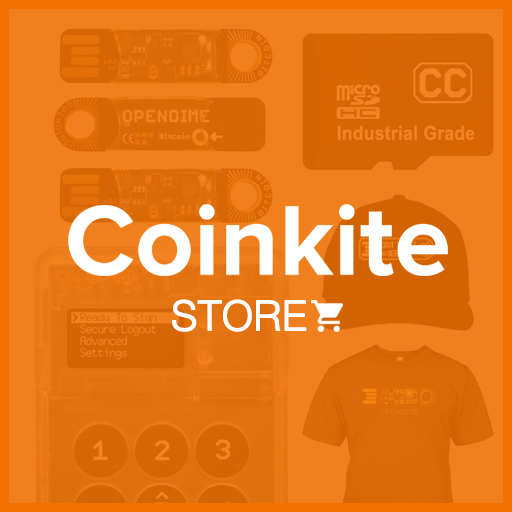
Coinkite Store – Get your Coinkite, Opendime and Coldcard product here!
Coinkite Store – Get your Coinkite, Opendime and Coldcard product here!
Get your Coinkite, Opendime and Coldcard product here!
---
Bitbox02:
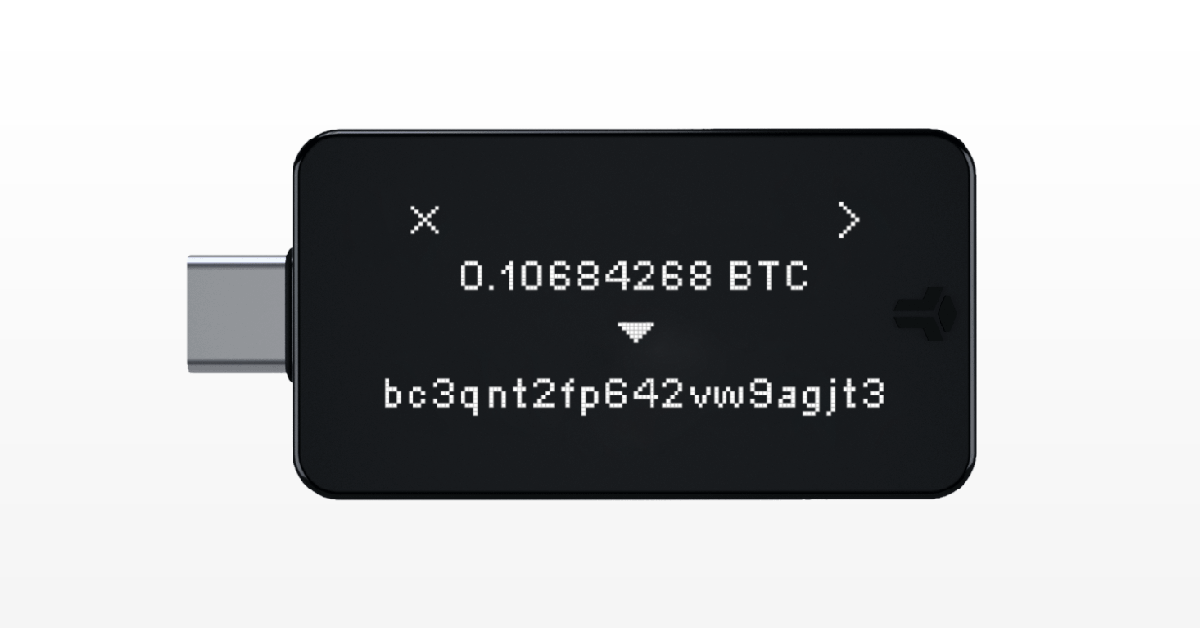
BitBox02 hardware wallet
Your crypto journey starts with a BitBox02. Secure your Bitcoin and cryptocurrency with the Swiss-made hardware wallet 🔒
(use discount code DAVANI)
---
X: @keyvandavani
linkedIn: /keyvandavani
telegram: @davani
instagram: /keyvandavani
medium.com/@keyvandavani
davani.substack.com/
"We should all be working 20 hours work-weeks. The monetary system has been stolen from us. We've got more efficient ways of doing things....and all that productivity benefit is going up to the top 1%.
I am with Jeff Booth ...it's a broken system." 👀
-
@Lawrence Lepard
