Schools and lawmakers are grappling with how to address a new form of peer-on-peer image-based sexual abuse that disproportionately targets girls. With The 19th:

The U.S. Senate voted not to interfere with state AI regulations, defeating a 10-year moratorium on such laws that had earlier cleared the House and alarmed California officials.
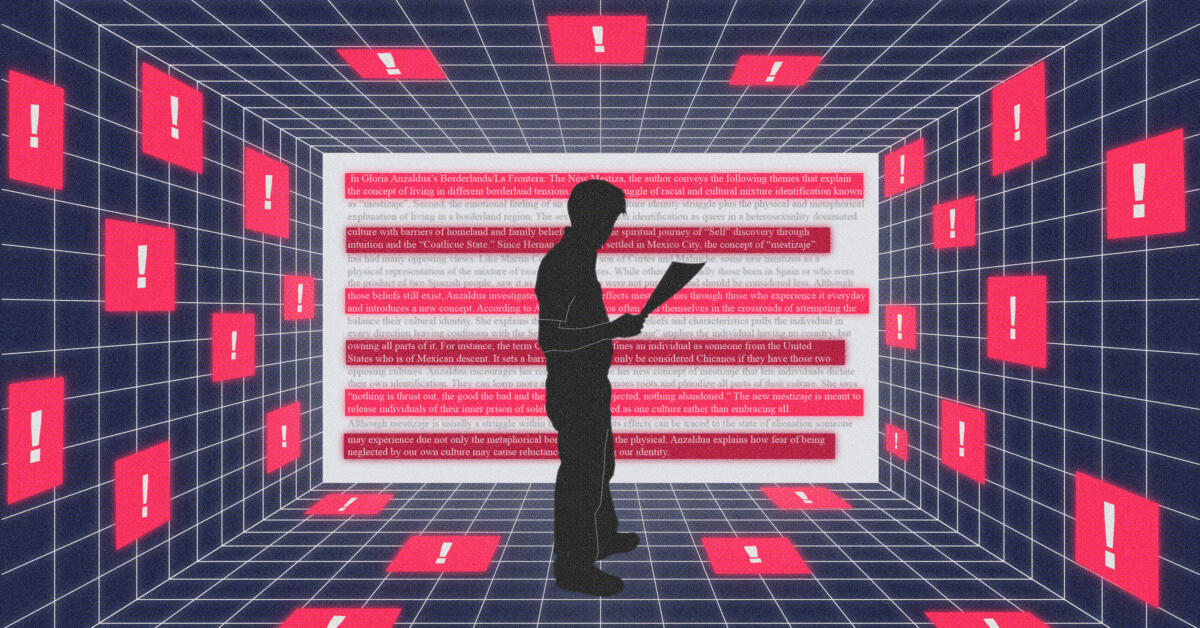
NEW: Colleges and universities renew Turnitin subscriptions year after year even though its flawed detectors are expensive and require students to let the company keep their papers forever.
Is there anything I can do to stop my information from being leaked this way? The answer is yes 👇
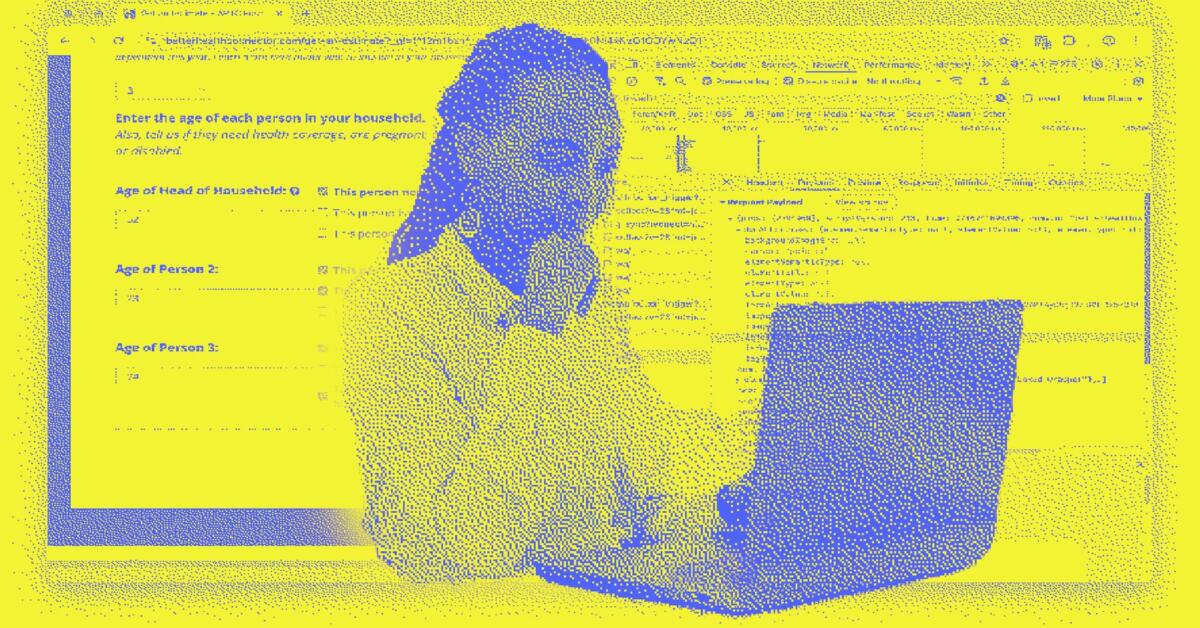
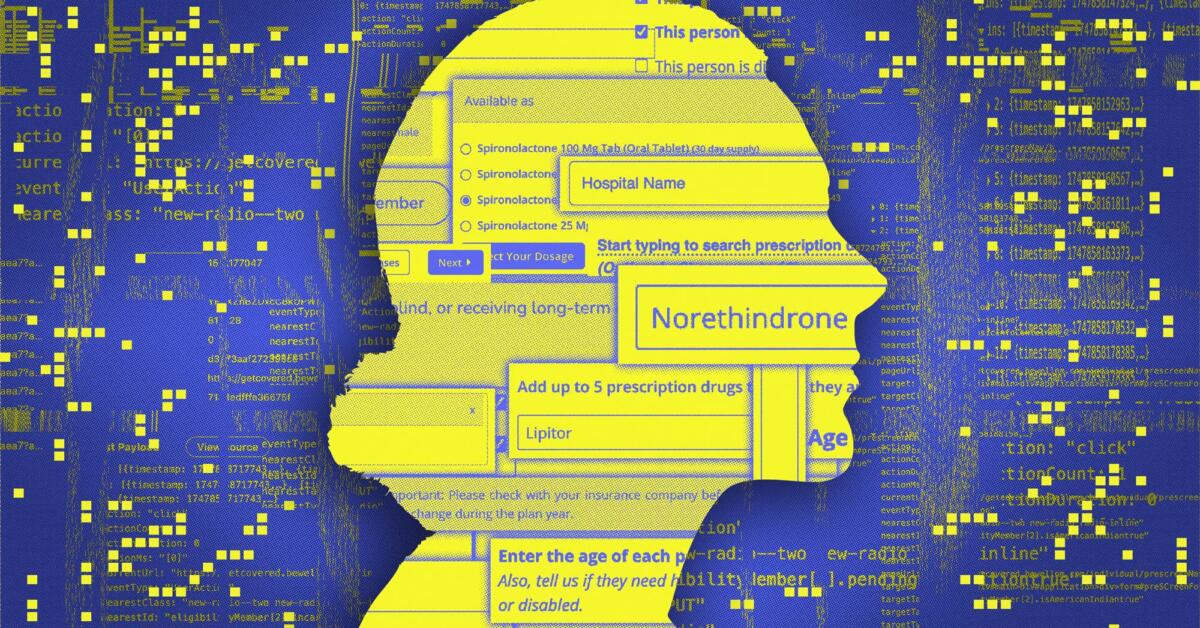
State healthcare sites have been quietly sending sensitive user data to Google and LinkedIn. We scanned the websites of states that independently operate their own online health exchange, and found four states — Nevada, Maine, Rhode Island, and Massachusetts — exposed users’ sensitive health info. Our findings:
Schools’ web filters are supposed to block porn. Instead, they block useful info and prevent students from learning. And most students can find their way to access an unfiltered internet anyway:
A hack of location data company Gravy Analytics has revealed which apps are—knowingly or not—being used to collect your information behind the scenes. 1/2
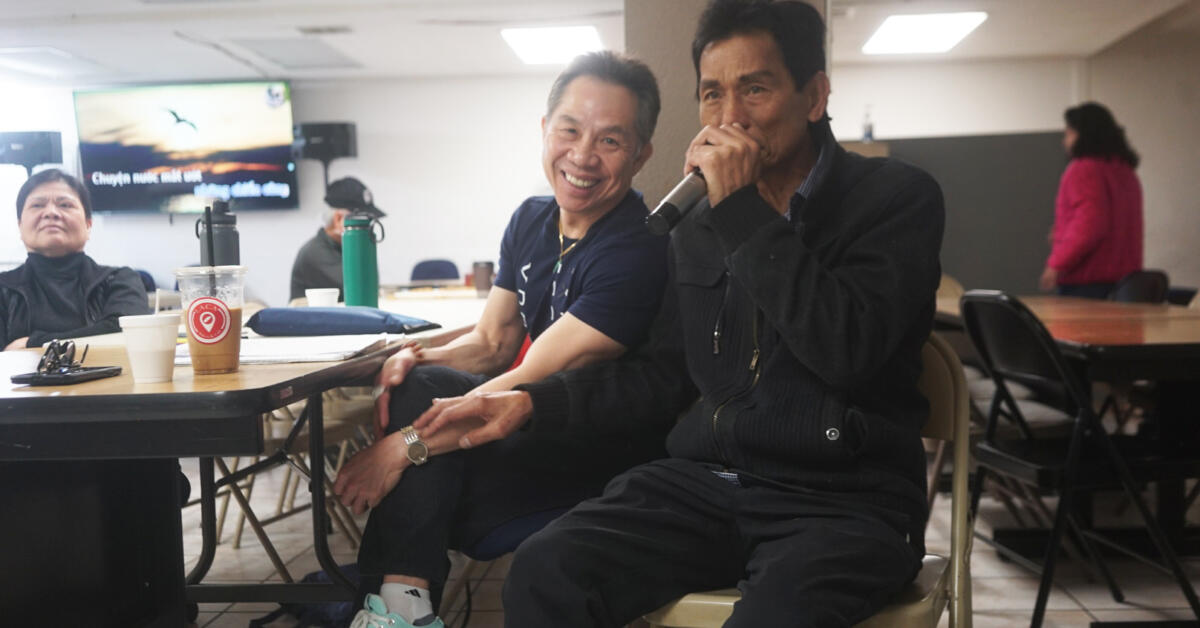
Immigrant communities are particularly impacted by misinfo. That’s why educating our elders can be so important. What that looks like in Lam's Vietnamese immigrant community:
Our reporters often use "burner" or secondary phone numbers to keep their sources extra safe and even to protect their own privacy—including when using dating apps. How we do it:
About 70% of teachers and students in a new survey said digital censorship in their schools hinders students’ ability to complete their assignments. Learn how 👇