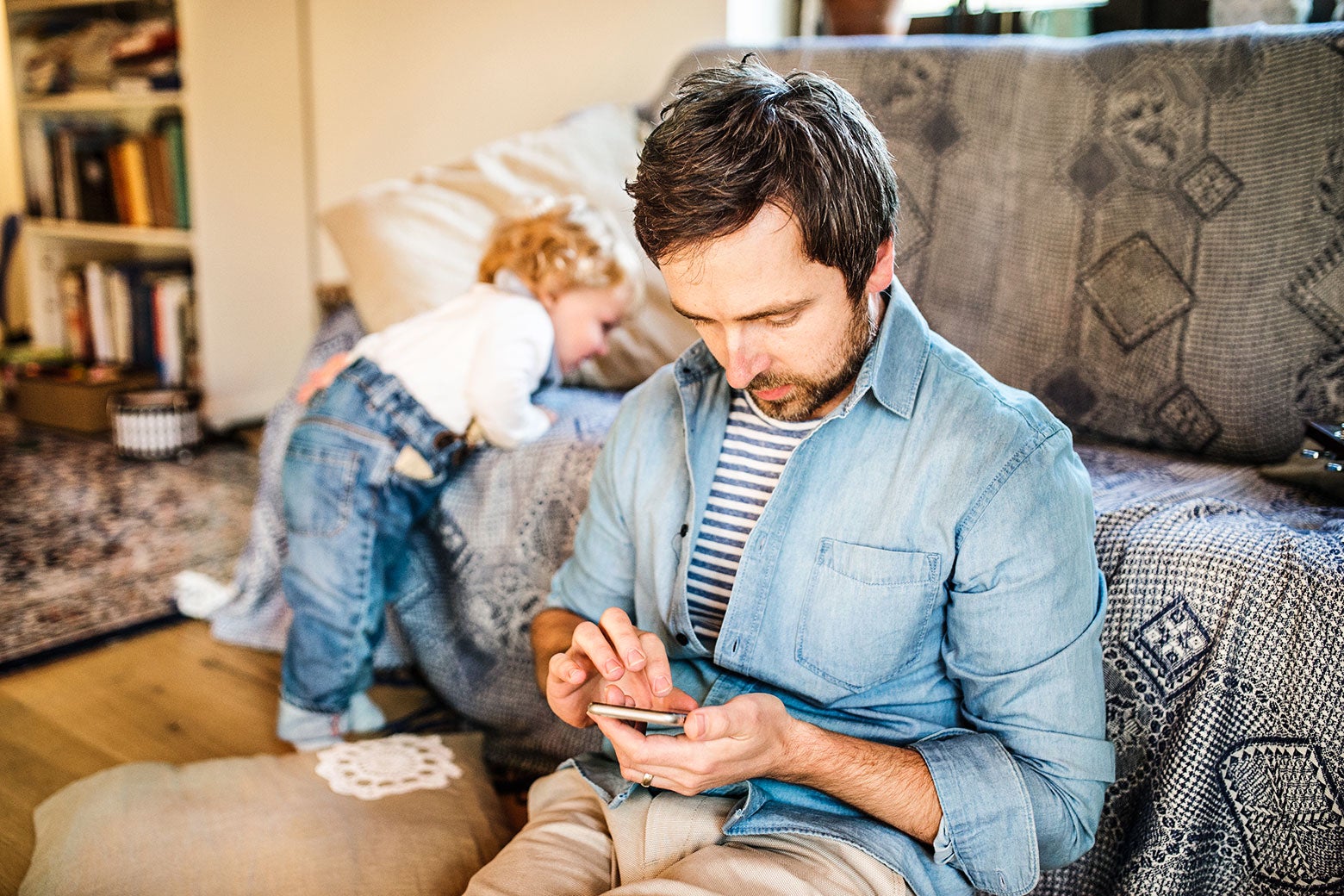
Irene was off on a trip, and many new questions came into play: how was baby León going to sleep when he had never known bottle nor dummy? How was he going to sleep without the breast at 21 months? What was going to happen to Lorenzo, aged five, to have to wait for me to put his little brother to sleep first? #parenting #fatherhood
“The problem with the research isn’t the way it presents caregiving as a burden, but how it presents it only as a burden, with little curiosity on what makes it a burden, and even less on what makes it an opportunity.” Elissa Strauss in When You Care: The Unexpected Magic of Caring for Others
Parenthood’s small battles. The horrible and the positive aspects of the "terrible twos." From adorable baby to mischievous little goblin. Recipes, frustration, and strategies. A small victory on a chaotic morning. If you know strategies that work well for you or have ideas triggered by this text — tricks? resources? — please hit reply and share!
Parenting in the smartphone age brings unexpected challenges. From toddlers fixated on digital screens during potty training to the impact of "constant connectivity" on family life. Are smartphones solving problems or creating new ones in early childhood?
image
Women are not only ahead in planning the family’s tasks, but they also remember (and organize) those of the rest of the family members: "Did you call the pediatrician?", "Did you find out if we can take the dog or where to leave it for the vacations?", and a long list of etceteras. This leads to what is commonly referred to as "hidden mental load". And no, my friend, women do not have a factory setup that makes them better at these tasks than men. It's not much of a mystery: these are skills that are acquired and developed with practice. There is no special female biology, which men were denied in their DNA that comes with remarkable domestic or caregiving skills (or for everything we men don't do because they supposedly do it better). More here:
From my garden, good morning! 😃 image
On a global level, women do 76.2% of all of the care work which is not remunerated, dedicating 3.2 times more time to these tasks than men, according to the International Labour Organisation (ILO). As an exercise, let’s ask ourselves: Who is researching, looking for, finding, choosing and closing the deal on a specialist, pediatrician or therapist to cover the range of needs at different stages of childhood? Who skips work when a child gets sick and can’t go to school? And why is it like this?