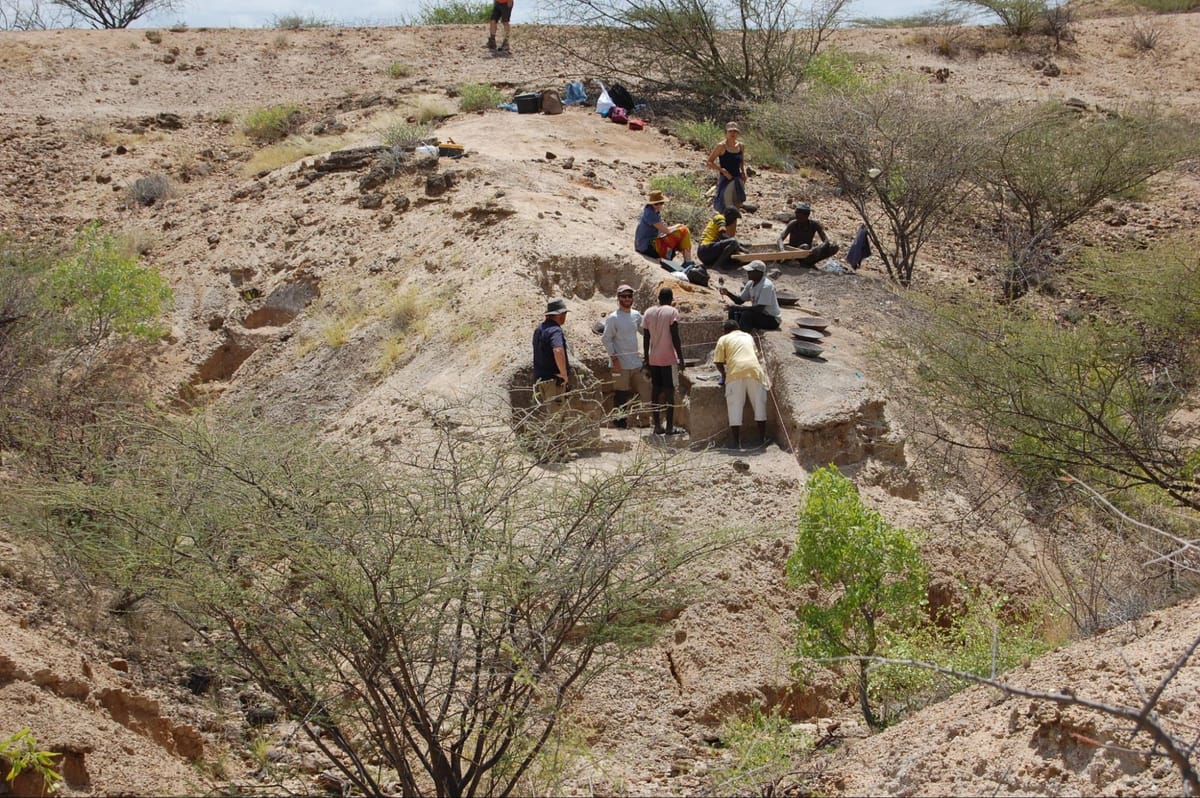
Site in Kenya reveals 300,000 years of uninterrupted toolmaking. Archaeologists uncovered nearly 1,300 stone tools spanning 2.44 to 2.75 million years, showing that early hominins taught and replicated the same techniques across roughly 10,000 generations. During this time period, the surrounding landscape shifted from lush, humid forests to arid desert shrubland and back again - and the hominins survived in part because of their toolmaking traditions. #ShareGoodNewsToo
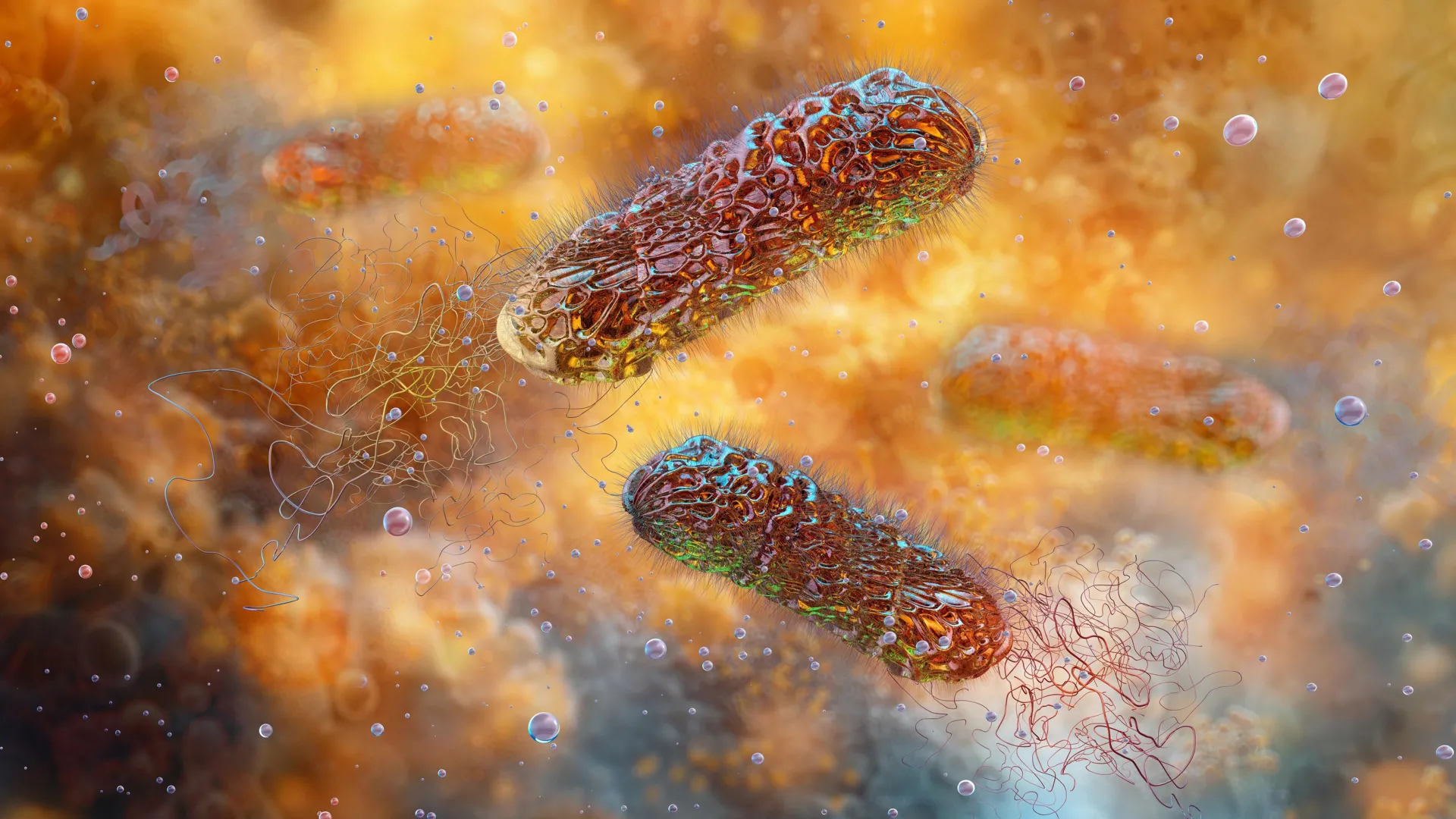
British and Australian chemists have discovered a powerful new antibiotic called pre-methylenomycin C lactone, hiding in a well-known soil bacterium that produces another drug, methylenomycin A. This molecule however, is 100 times more potent than methylenomycin A and kills drug-resistant bacteria without triggering resistance. The find could reshape antibiotic discovery and revive the fight against superbugs. #ShareGoodNewsToo
Doctors in China have used lab-grown insulin-producing cells to treat a woman with type 1 diabetes. The cells were made from her own tissue, reprogrammed into stem cells, and then grown into tiny clusters that release insulin. A year after the transplant, her blood sugar remains normal without medication. It’s the first time in history that a person with type 1 diabetes has been freed from insulin injections using cells made from their own body. https://www.cell.com/cell/fulltext/S0092-8674(24)01022-5?utm_source=substack&utm_medium=email #ShareGoodNewsToo
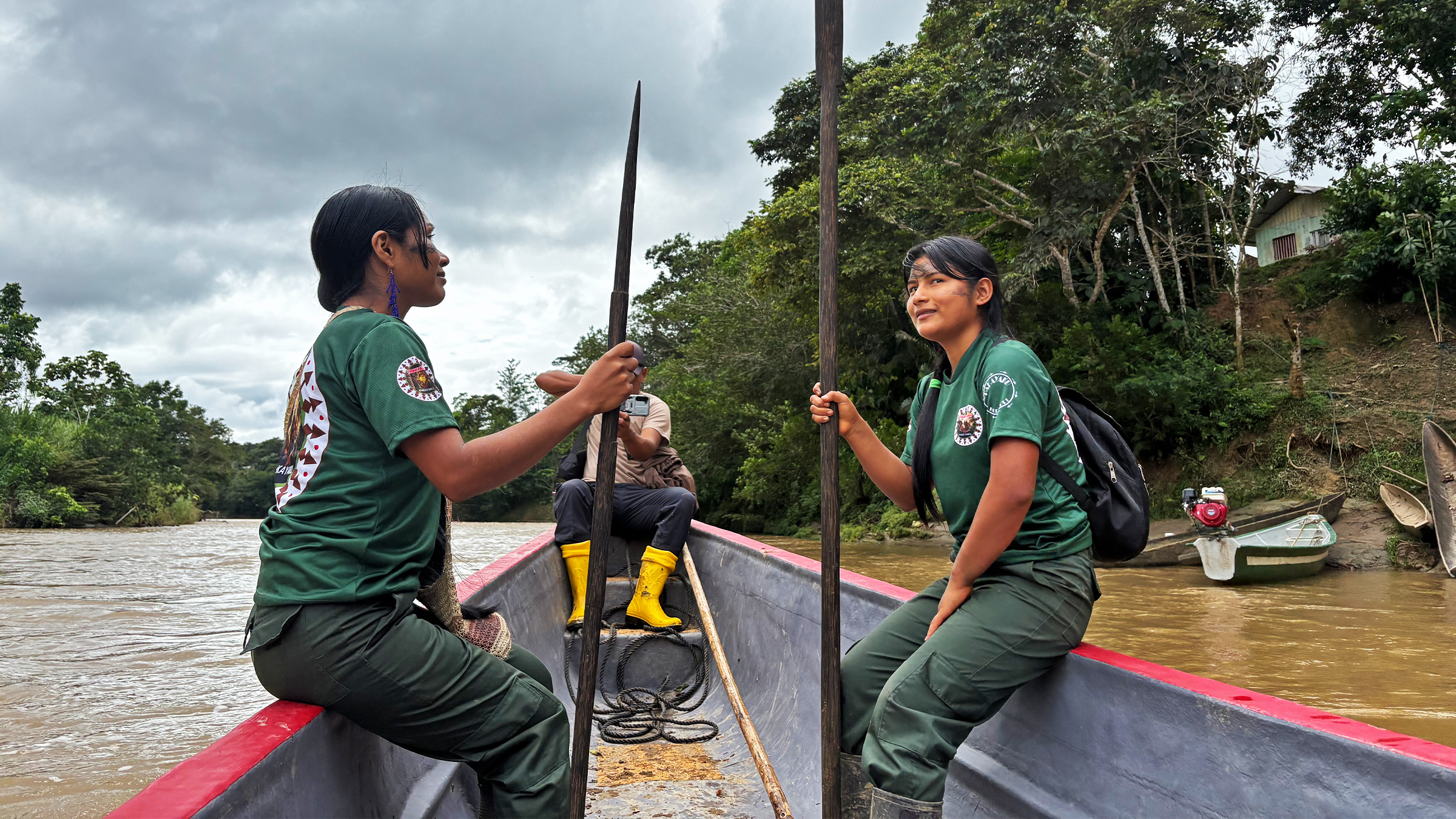
In Ecuador’s Pastaza province, the Kichwa community of Pakayaku has kept 400 km² of Amazon rainforest free from mining, oil and logging through a self-organised guardian force. 45 women patrol the territory, enforcing ancestral laws and mapping sustainable livelihoods in a “plan of life.” Their vigilance has preserved both forest ecosystems and cultural autonomy amid growing national extractive pressures. #ShareGoodNewsToo
Christiana Figueres: The global south is now leading the clean-energy revolution. The architect of the Paris Agreement argues that while politics remain paralysed, economics and technology are driving unstoppable change, led by emerging economies from Nigeria to Oman. Clean industries are scaling at exponential speed across the global south - home to 70% of the world’s wind and solar potential. The Economist https://archive.li/2AHpU #ShareGoodNewsToo
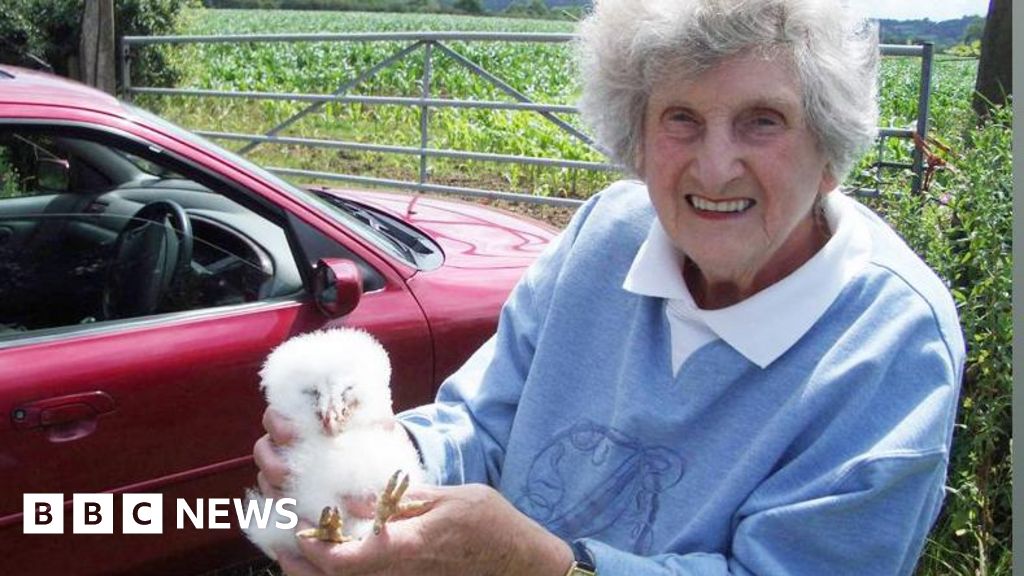
Barn owl numbers soar in Cheshire thanks to volunteers. Three decades after a survey found just six breeding pairs in West Cheshire, the Broxton Barn Owl Group now counts around 160 pairs: a 25-fold increase, driven entirely by local volunteers. Founded in 1995 by Dot and George Bramall, the group has restored habitats, installed nest boxes and monitored chicks, turning once-vanishing owls into a thriving rural presence across the county. BBC #ShareGoodNewsToo
The World Bank’s latest data shows a quiet global triumph: 93% of people aged 15 to 24 can now read and write, up from 87% in 2000. In many regions, including East Asia, Latin America, and Central Europe, youth literacy has reached or neared universal levels, marking one of the most successful, least reported stories in development. https://data.worldbank.org/indicator/SE.ADT.1524.LT.ZS?end=2024&start=2000&utm_source=substack&utm_medium=email #ShareGoodNewsToo
Maldives eliminates mother-to-child transmission of HIV, syphilis, and hepatitis B. No babies were born with HIV or syphilis in 2022–23, and hepatitis B has vanished among children. The WHO is calling it a “triple elimination,” the world’s first of its kind. #ShareGoodNewsToo
Aztec-era farms revived by women to heal Mexico City wetlands Women farmers in Xochimilco and San Gregorio are restoring chinampas (high-yield island farms) using canal-mud fertiliser, biofilters and invasive-fish barriers. The programme has certified 16 producers and is improving water quality in a wetland that’s just 3% of its original extent but buffers floods, cools the city and shelters the axolotl. AP #ShareGoodNewsToo
Social media use begins global decline. For the first time, time spent on social media is falling worldwide. An analysis of 250,000 adults across 50 countries shows average daily use dropped nearly 10% since 2022, reversing a decade of growth. The steepest declines are among teens and 20-somethings, suggesting humanity’s fever may have broken. Financial Times #ShareGoodNewsToo