A decade after the Paris Agreement, global greenhouse gas emissions are barely rising, up just 0.3% a year since 2015, compared with 1.7% before. #ShareGoodNewsToo
Paris turns the Seine into an air conditioner. Beneath the city, 100 km of pipes now channel river water through heat exchangers to cool 800 buildings - none more than the Louvre, which alone draws 12MW to protect its art. The way the system works is by transferring heat through closed loops, room by room, until it disperses back into the Seine. The network will more than double by 2042, supplying 3,000 sites as heatwaves intensify. WIRED https://archive.md/64Dni #ShareGoodNewsToo
In good ocean news, Scotland is officially banning bottom trawling in 11 marine protected areas starting October 16, in a move welcomed by both environmental groups and the Scottish Fisherman’s Federation. Oceana UK #ShareGoodNewsToo
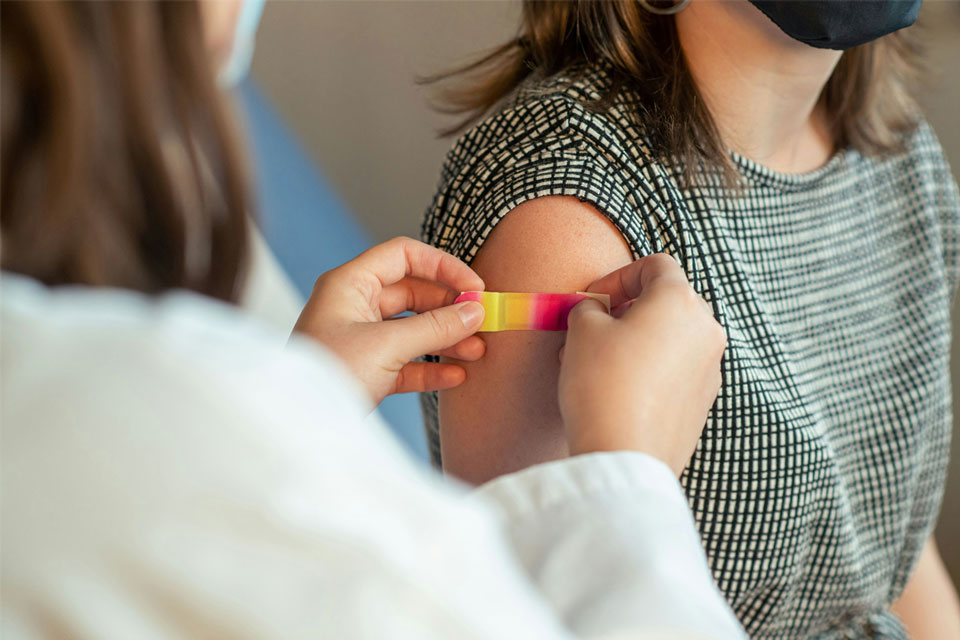
Denmark is on track to wipe out the most dangerous strains of HPV. 15 years after rolling out its national HPV vaccination program, Denmark is closing in on eliminating the leading cancer-causing strains of the virus. New data shows the vaccine has all but wiped out HPV16 and HPV18 - which together cause around 70% of cervical cancers - among young women born after 2000. It's a powerful proof point for what widespread, equitable vaccine coverage can do. #ShareGoodNewsToo
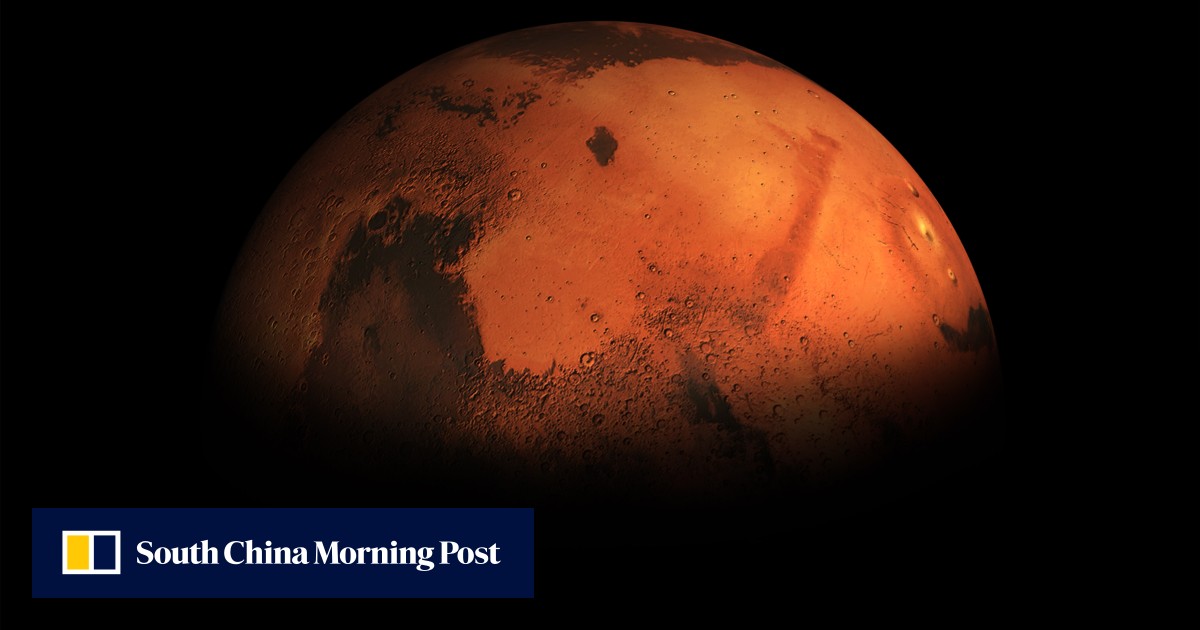
Scientists from China and the U.S. have found direct evidence of a solid inner core inside Mars. Using seismic data from NASA’s now-retired InSight lander, researchers detected a solid core about 600 km in radius, roughly the same inner-core-to-planet ratio as Earth. If confirmed, it would mean that Earth, the Moon, and Mars all share the same inner structure, hinting at a more dynamic history for our rocky neighbours than we realized #ShareGoodNewsToo
In recent years, we’ve all been horrified by news of increasing wildfires, but between 2002 and 2021, global burned area fell 26%. The horror mostly comes now that humans are being exposed to more wildfires, because settlement near wild lands and climate change makes fires easier to encounter and start - but ignores how they’ve also gotten easier to stop. Science https://www.science.org/doi/10.1126/science.adu6408?utm_source=substack&utm_medium=email #ShareGoodNewsToo
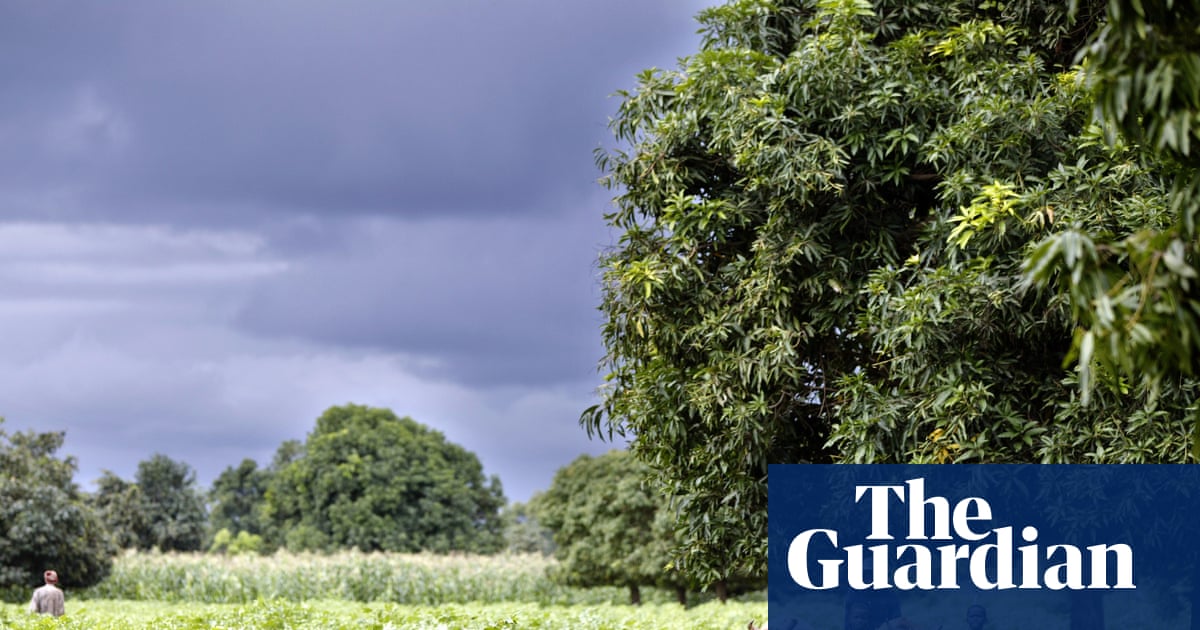
Cotton farmers are turning to nature’s own pest control. Developed by entomologist Robert Mensah, a simple mix of yeast, sugar, and water lures in ladybirds and lacewings (predator insects that feast on crop pests). The method has since spread from Australia to Benin, Ethiopia, Vietnam and India, protecting farmers’ health while cutting pesticide use. The Guardian #ShareGoodNewsToo
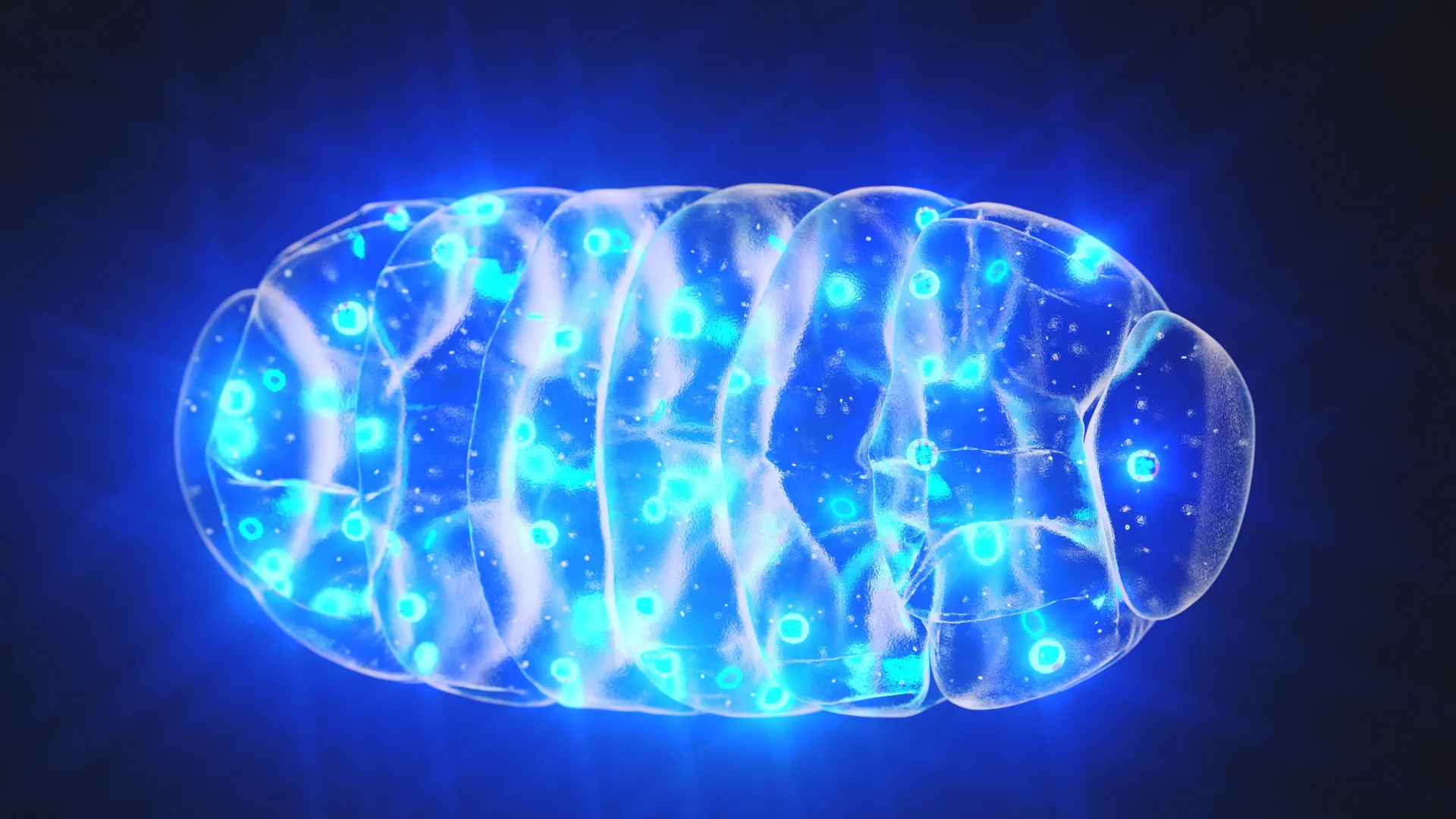
We can now restore memory by recharging the brain’s batteries. French and Canadian researchers have shown that faulty mitochondria directly drive memory loss in dementia. Using a new tool to boost mitochondrial activity in mice, they restored memory performance, proving cause and effect for the first time. The work points to mitochondria as a powerful target for therapies that could slow, or even prevent, neurodegenerative diseases like Alzheimer’s. #ShareGoodNewsToo
Scientists just created the first global maps of mycorrhizal fungi, the vast underground mushroom networks that connect plant roots and let plants trade nutrients and store carbon. Safeguarding these networks could boost biodiversity, food security, and carbon storage all at once, with the maps identifying hotspots most in need of protection. Plus, the initiative was led by SPUN, the whimsically named Society for the Protection of Underground Networks. #ShareGoodNewsToo
Just one year after its breakout public health moment, 'miracle drug' lenacapavir has been approved by the FDA and recommended by the WHO. The drug, which Science called its 'breakthrough of the year' in 2024, is a long-lasting shot that provides almost 100% protection against HIV infection. https://www.science.org/content/article/breakthrough-2024 #ShareGoodNewsToo