Electric propulsion now dominates global ferry orders, with 70% of new vessels featuring batteries. Already operating on about 200 ferries worldwide, this shift to batteries means reduced emissions and lower maintenance costs. Thanks to a 5-8 year payback period, most fleet operators have now developed electric retrofit plans, signalling an irreversible transformation. Clean Technica #ShareGoodNewsToo
New Caledonia has enacted a sweeping 50-year ban on all commercial seabed mining across its entire 1.3 million km² maritime zone. The French Pacific territory, home to nearly one-third of the world's remaining pristine coral reefs, says it is prioritising environmental protection over economic extraction, allowing only non-invasive scientific research. RFI #ShareGoodNewsToo
A shipbuilding company in Tasmania just launched the world's largest fully electric ship—a 130 metre ferry capable of carrying 2,100 passengers and 225 vehicles between Argentina and Uruguay. Equipped with over 250 tonnes of batteries—four times larger than any previous vessel—it represents one of Australia's most significant single manufacturing exports. The Driven #ShareGoodNewsToo
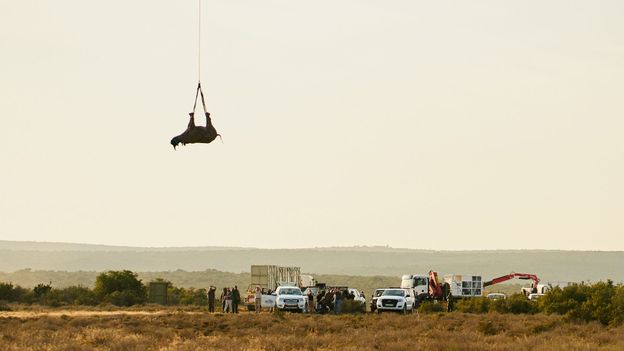
Helicopters from the Vietnam war are airlifting rhinos to safety. In the best kind of plot-twist - using a war machine to save lives, Hueys are revolutionising rhino translocation across Africa; a conservation measure designed to create new populations and ensure genetic diversity. The use of helicopters decreases the health risks associated with crate travel and long transportations due to lack of roads. BBC #ShareGoodNewsToo
We’ve discovered a new class of antibiotics that can beat drug-resistant bacteria. McMaster researchers have identified lariocidin, the first new class of antibiotics in nearly 3 decades, effective against drug-resistant bacteria. Extracted from backyard soil bacteria and successfully tested in animal models, this discovery might go some way towards addressing the global antimicrobial resistance crisis responsible for 4.5 million annual deaths worldwide. https://phys.org/news/2025-03-breakthrough-moment-class-antibiotics.html?ref=fixthenews.com #ShareGoodNewsToo
A new study finds that global conservation efforts are reliably bringing species back from the brink. A major review of over 67,000 animal species by the University of Cambridge has found that targeted conservation measures like habitat protection, captive breeding and reintroductions are successfully restoring populations of endangered animals. We are facing an ecological crisis - but it is possible to do something about it. https://phys.org/news/2025-03-efforts-species-brink-biodiversity-falls.html?ref=fixthenews.com #ShareGoodNewsToo
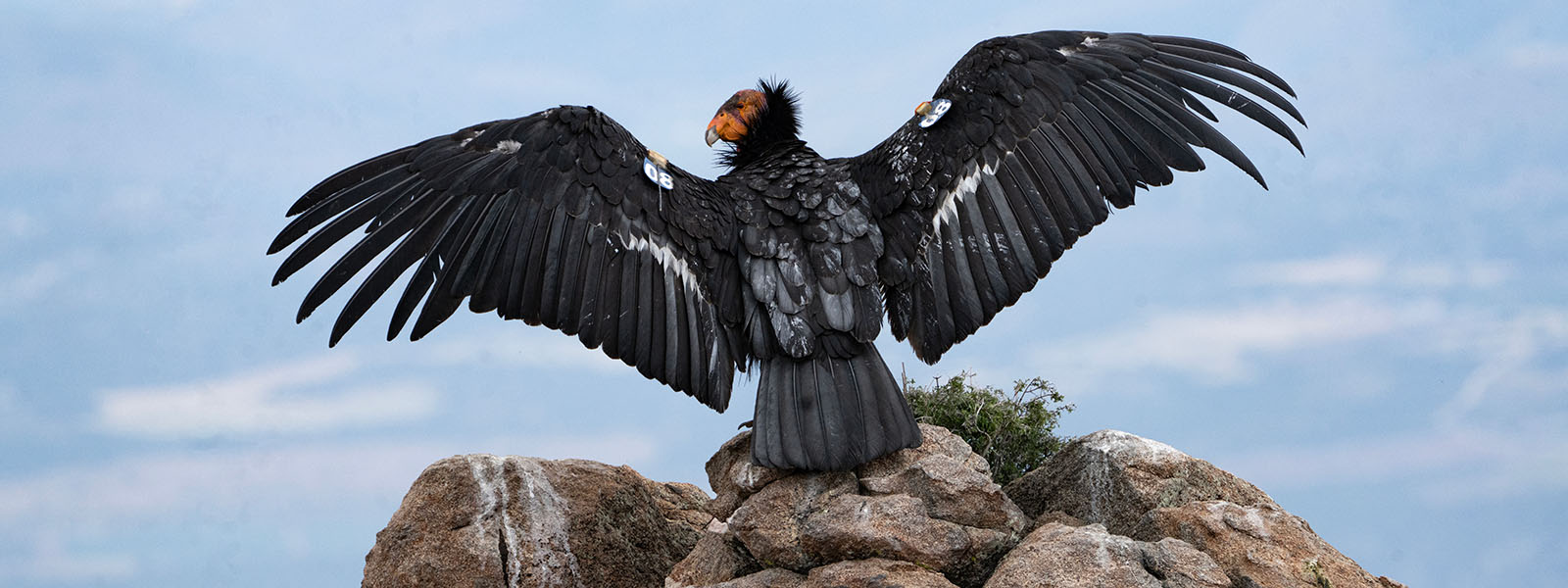
From 22 to 561: California condor rebounds from extinction. In 1987 there were only 22 remaining California condors, North America's largest bird. There are 561 today, with 344 flying free. This remarkable recovery stems from innovative breeding techniques, genetic research, and cross-border collaboration between US and Mexican institutions. Knowable Magazine #ShareGoodNewsToo
After a 3,000 years of absence on mainland Australia, Tasmanian devils have been released into a protected sanctuary in New South Wales. The rewilding initiative aims to restore ecological balance by reintroducing these apex predators, which can help control invasive foxes and cats devastating native wildlife (did someone just say trophic cascade?!). New Scientist https://archive.md/SBbVw #ShareGoodNewsToo
Puerto Rico can now take on climate criminals. A US judge ruled that Exxon, Chevron, and Shell must face claims in Puerto Rico accusing them of misleading the public on climate change and suppressing clean energy alternatives. Reuters https://buff.ly/hLkDk6k #ShareGoodNewsToo
Well-managed solar farms triple bird populations. A study of solar farms in East Anglia in the United Kingdom has shown that they host nearly three times more birds than surrounding croplands. Solar sites maintaining diverse habitats, uncut grass, and hedgerows create vital refuges for declining farmland species like yellowhammers and corn buntings. BBC https://buff.ly/4hTbmBC #ShareGoodNewsToo