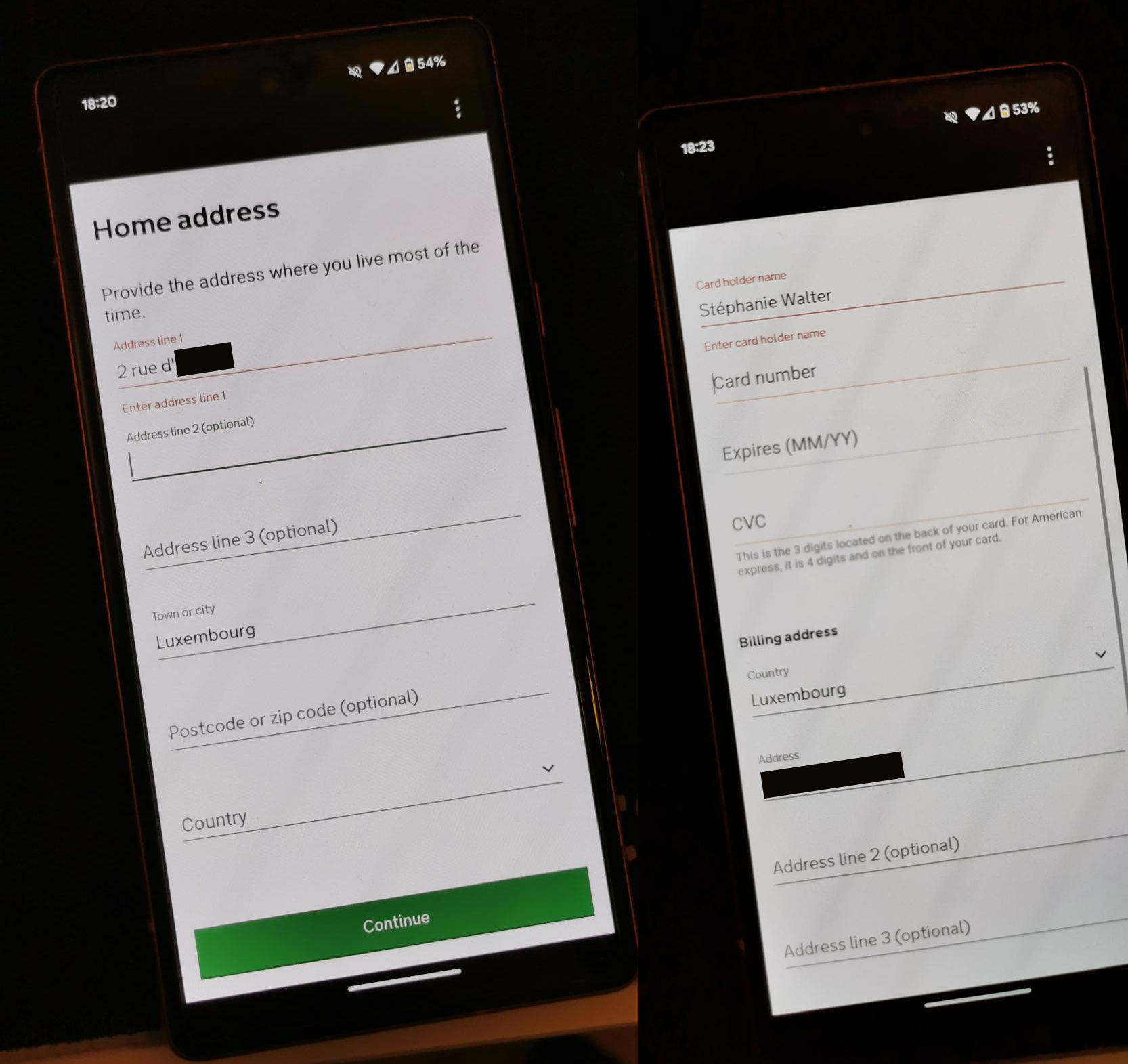
Applying for an ETA to enter the UK, a UX case study for anyone who keeps saying "UX is common sense": - download a native app that is, mostly, a web view that crashes every time it goes into the background for more than 2 minutes, and start from scratch, 3 times. - the app has issues with scanning the passport chip, crashes, start again, 2 more times. - apparently, no apostrophe shall be allowed the address, and of course, no é on my first name. image
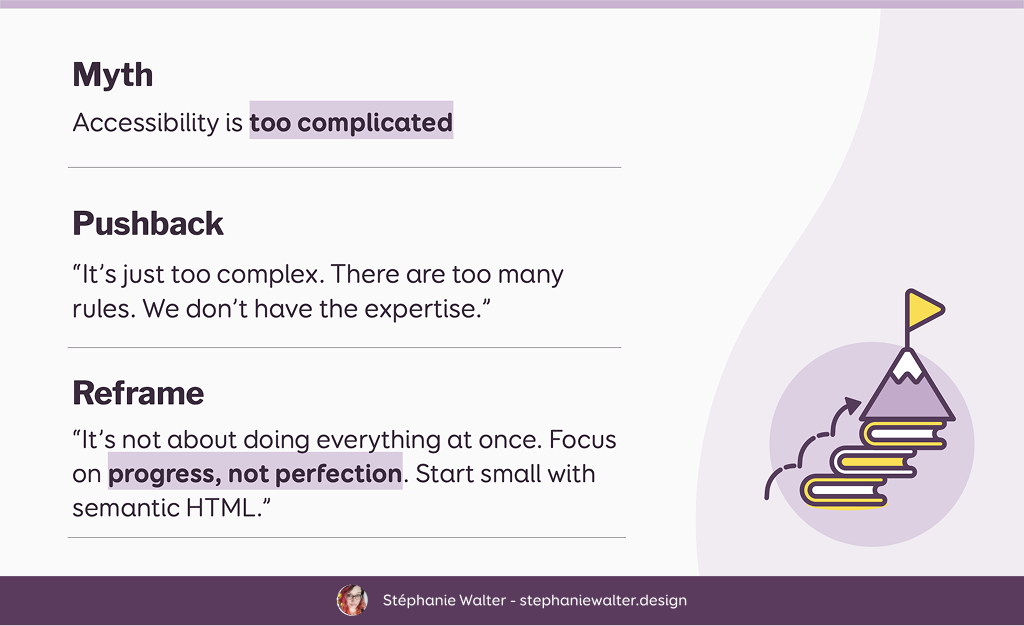
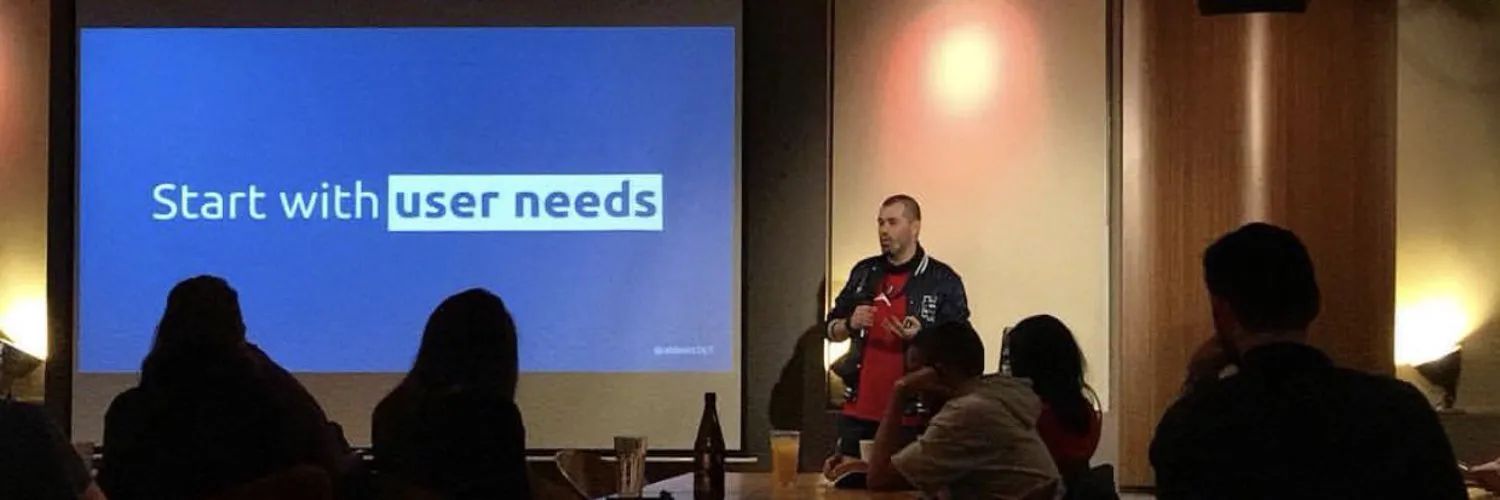
Today, I was invited to attend a GAAD event, where a blind user explained what the most annoying things are, when it comes to inaccessibility: - lack of alt text - lack of proper a heading structures - lists not properly tagged as lists - forms that don't bind label to elements - charts that are not described. The sad part: we are in 2025, and those are, technically, quite easy to fix. Basic HTML, and a bit of good will / training, for people to write the alternatives. image
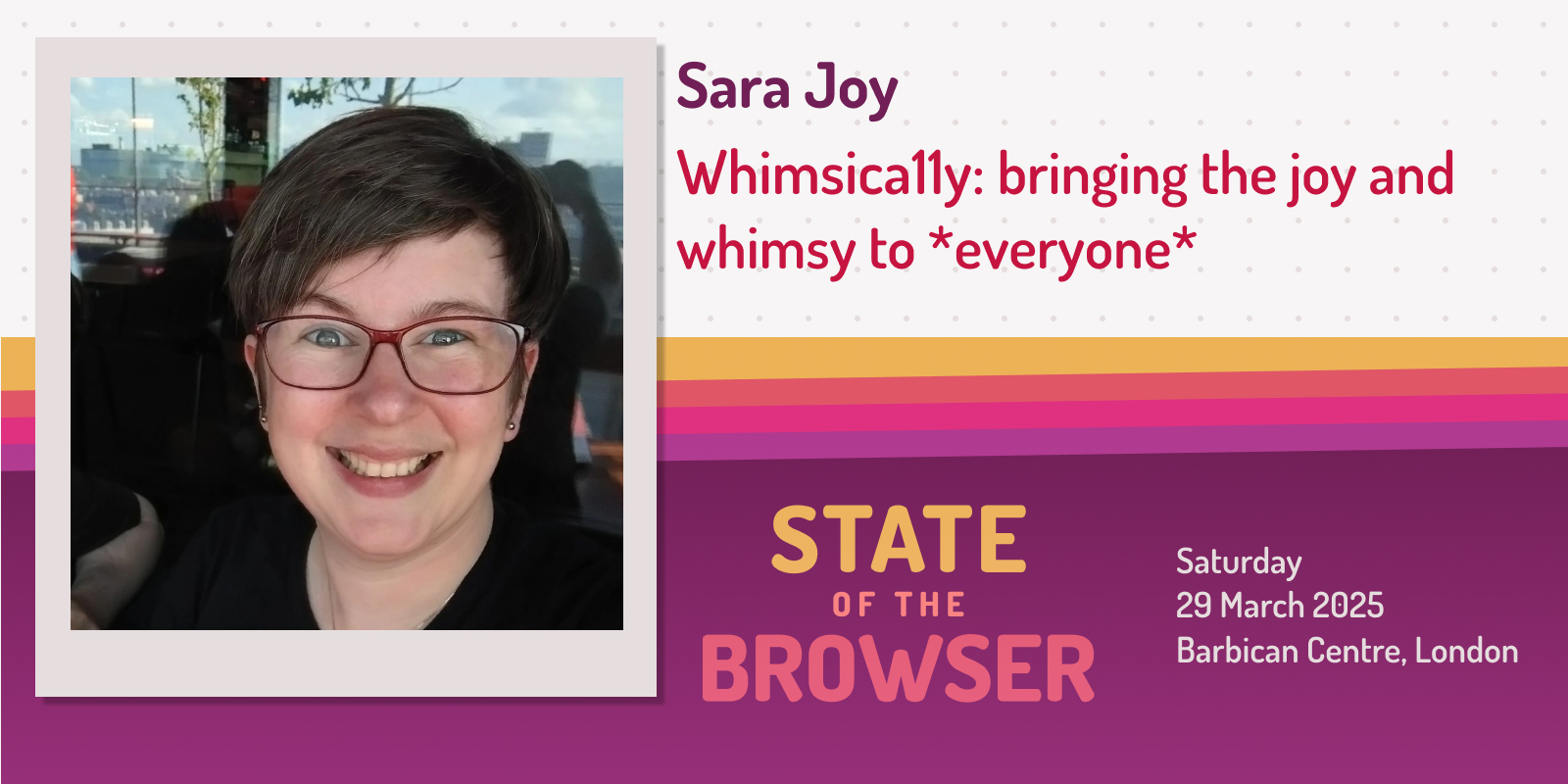
Whimsica11y: bringing the joy and whimsy to *everyone*, an absolutely brilliant talk by @npub1jpyl...yfwv, who advocates for bringing the fun and the whimsy back to websites, especially personal ones, while still being accessible. This includes a couple of things, like fun accessible audio (that user chose to play), bringing CSS speech to browsers, bringing the poetry to dull alt text to match the vibe of the picture, etc.
Do people starting an email with "Hey St√©phanie Walter" really expect me to reply? 2025 and you still can't encode my name properly? Why should I even bother? So, here we go again: hello my name is St�phanie – a talk on “special characters”, inclusive design and user experience
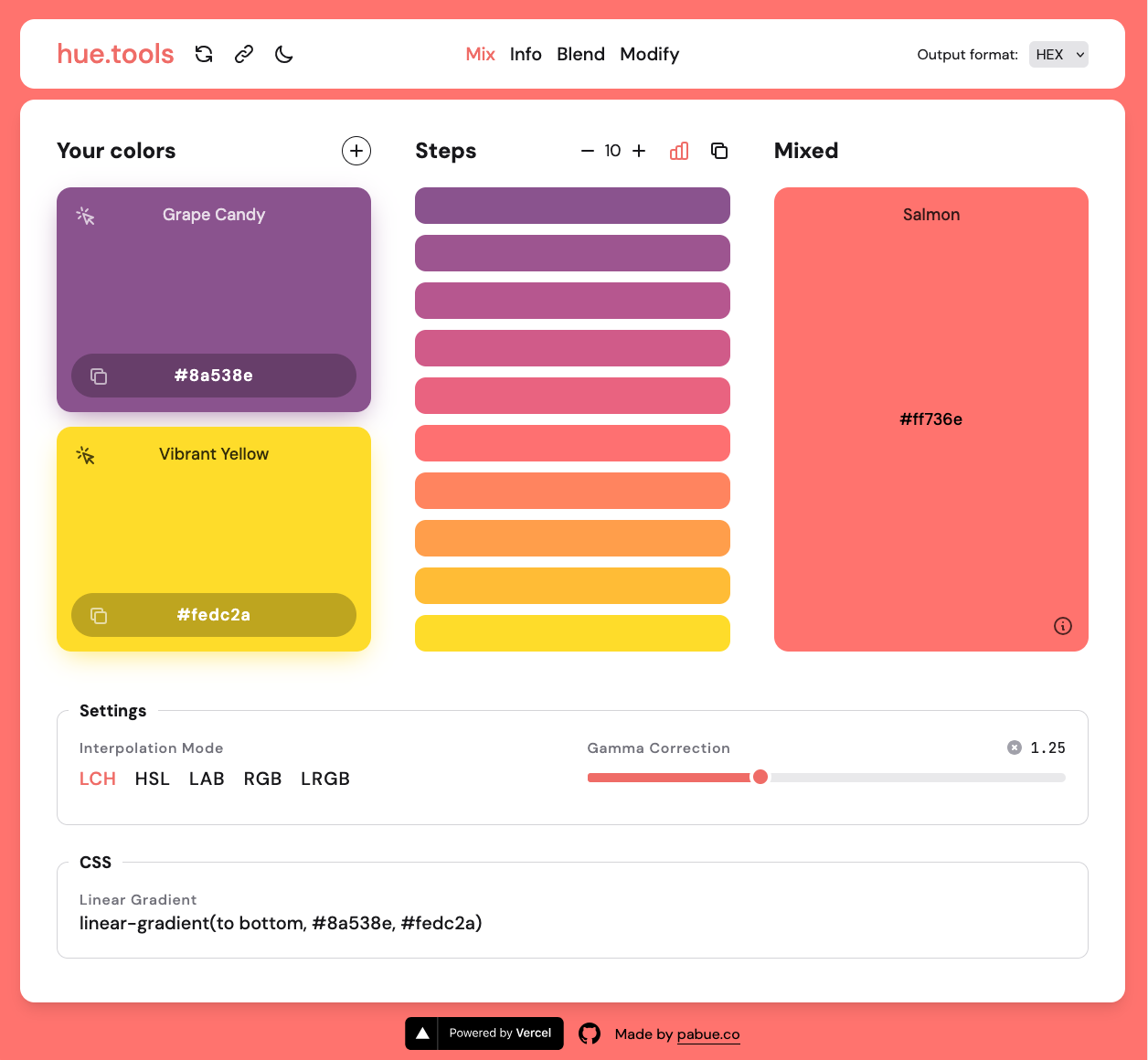
Hue Color Tool a really nice color tool, with multiple options: mix, to build color scales with steps, info to get all information about a specific color, in different spaces and values, and some combination options, blend to preview the result of 2 colors with different blend modes, and modify, to play with different settings of the same color. Made by Pascal Bürkle https://hue.tools/mix?format=hex&mode=lch&colors=8a538eff%3Bfedc2aff&gamma=1.25 image
Here's a PDF Version of the CIA Guide to Sabotaging Fascism, just, you know, in case. It "describes ways to train normal people to be purposefully annoying telephone operators, dysfunctional train conductors, befuddling middle managers, blundering factory workers, unruly movie theater patrons, and so on. In other words, teaching people to do their jobs badly". This is a scan of the original guide:
I knew one day I’d have to watch powerful men burn the world down – I just didn’t expect them to be such losers. “Living your life to impress other men by hating women is one of the most embarrassing things I can imagine. Looking up to any of these men for how to live your life is even sadder.” No notes, perfect summary of what is currently happening, by Rebecca Shaw
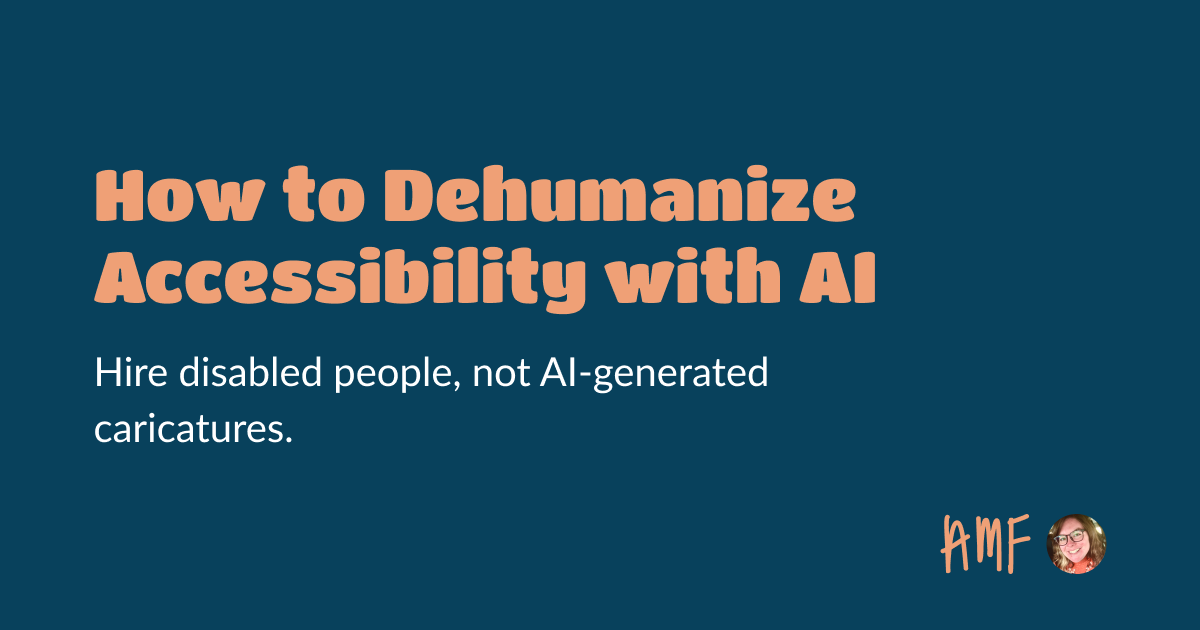
Repeat after me: generative AI does not and cannot ever represent disabled people. A great article by Ashle Emboyer, who explains why solutions who pretend to do that are dehumanizing the lived experiences of disabled people by replacing authentic stories with synthetic, generative AI outputs. Please, read the full article:
What is it like to use a screen reader on an inaccessible website? Navigating is like using a narrow-beamed flashlight in a dark, constantly changing room—you must carefully piece together a mental map while unseen changes make it harder to orient yourself. Dynamic content without clear cues, like vague "aria-live" alerts, can add confusion, but precise and context-aware descriptions can greatly improve navigation and understanding. A great analogy by Craig Abbott.
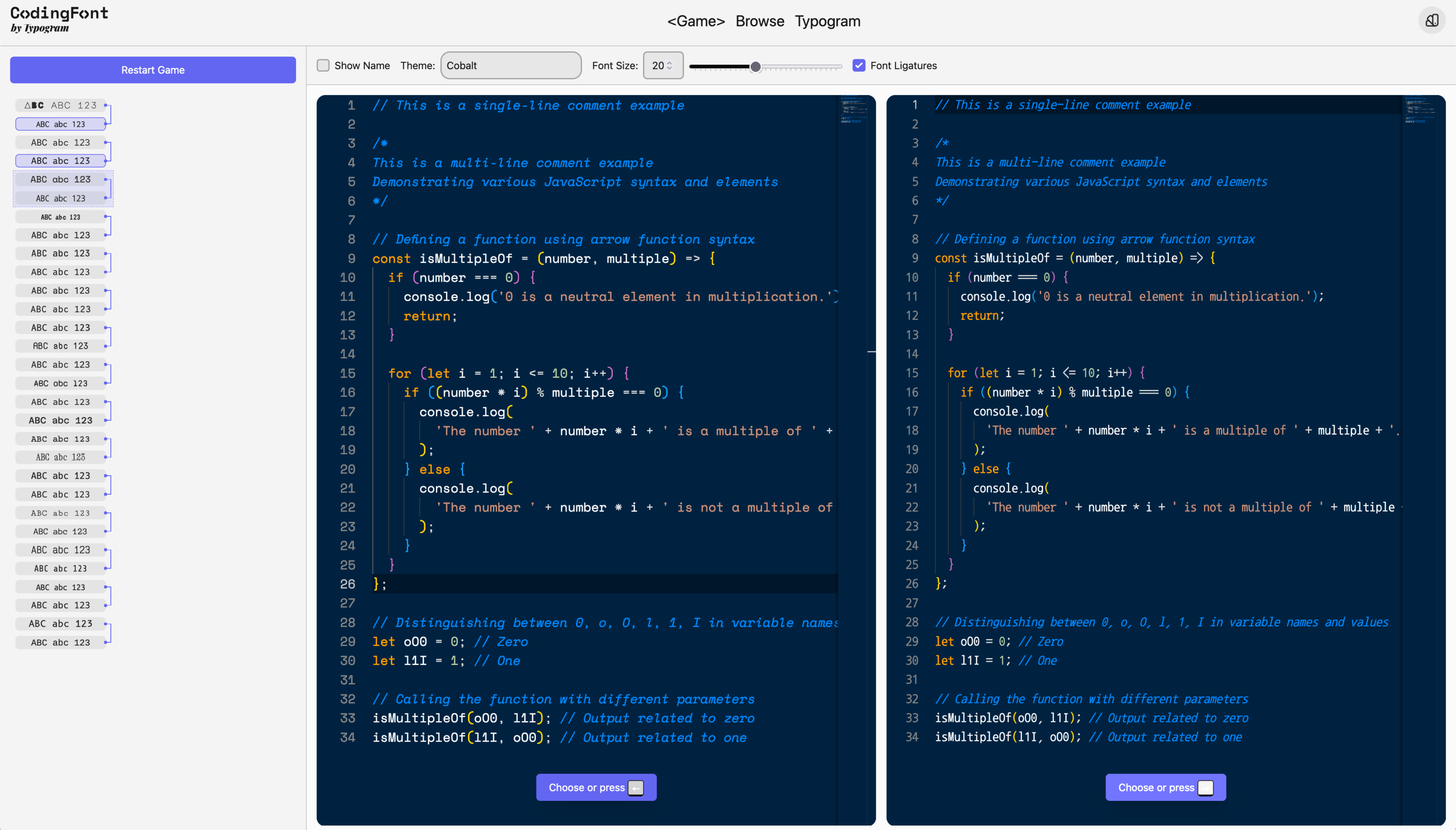
Coding Font: compare coding fonts 2 by 2 in a couple of rounds until you find the one that you’ll love coding with. So, which one did you end up with? https://www.codingfont.com/ image