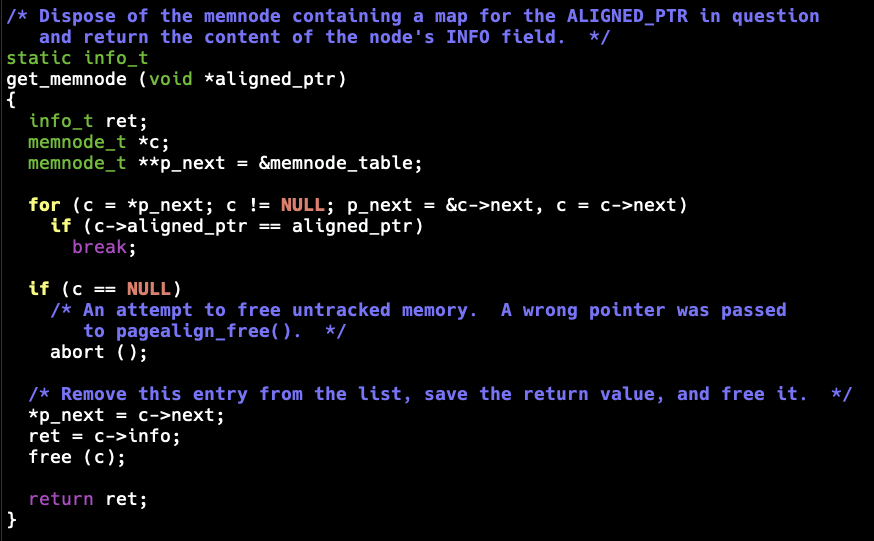
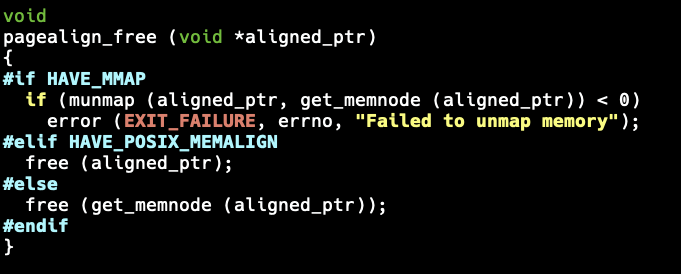
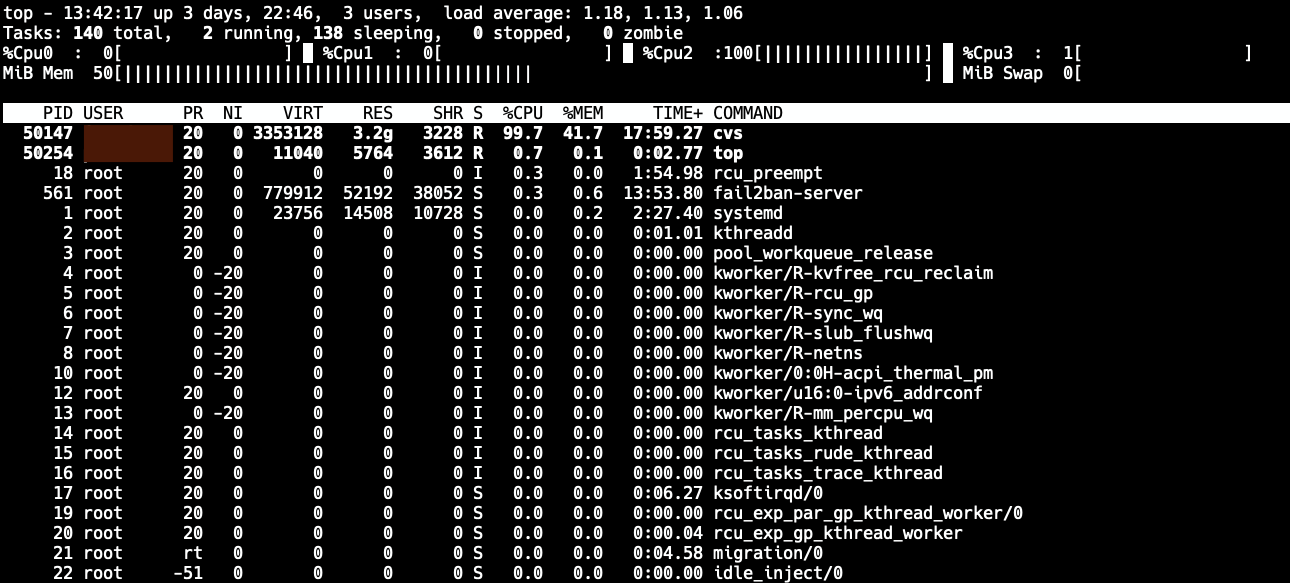
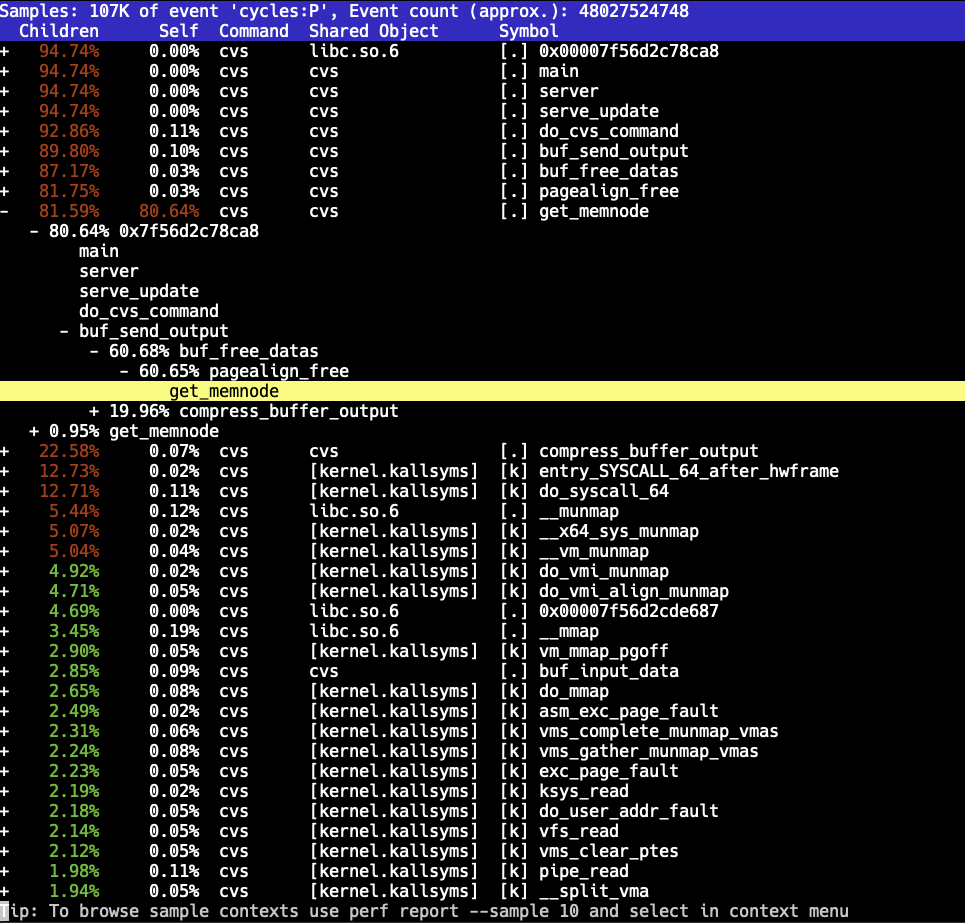
As it happens, we still use CVS in our operating system project (there are reasons for doing this, but migration to git would indeed make sense). While working on our project, we occasionally have to do a full checkout of the whole codebase, which is several gigabytes. Over time, this operation has gotten very, very, very slow - I mean "2+ hours to perform a checkout" slow. This was getting quite ridiculous. Even though it's CVS, it shouldn't crawl like this. A quick build of CVS with debug symbols and sampling the "cvs server" process with Linux perf showed something peculiar: The code was spending the majority of the time inside one function. So what is this get_memnode() function? Turns out this is a support function from Gnulib that enables page-aligned memory allocations. (NOTE: I have no clue why CVS thinks doing page-aligned allocations is beneficial here - but here we are.) The code in question has support for three different backend allocators: 1. mmap 2. posix_memalign 3. malloc Sounds nice, except that both 1 and 3 use a linked list to track the allocations. The get_memnode() function is called when deallocating memory to find out the original pointer to pass to the backend deallocation function: The node search code appears as: for (c = *p_next; c != NULL; p_next = &c->next, c = c->next) if (c->aligned_ptr == aligned_ptr) break; The get_memnode() function is called from pagealign_free(): #if HAVE_MMAP if (munmap (aligned_ptr, get_memnode (aligned_ptr)) < 0) error (EXIT_FAILURE, errno, "Failed to unmap memory"); #elif HAVE_POSIX_MEMALIGN free (aligned_ptr); #else free (get_memnode (aligned_ptr)); #endif This is an O(n) operation. CVS must be allocating a huge number of small allocations, which will result in it spending most of the CPU time in get_memnode() trying to find the node to remove from the list. Why should we care? This is "just CVS" after all. Well, Gnulib is used in a lot of projects, not just CVS. While pagealign_alloc() is likely not the most used functionality, it can still end up hurting performance in many places. The obvious easy fix is to prefer the posix_memalign method over the other options (I quickly made this happen for my personal CVS build by adding tactical #undef HAVE_MMAP). Even better, the list code should be replaced with something more sensible. In fact, there is no need to store the original pointer in a list; a better solution is to allocate enough memory and store the pointer before the calculated aligned pointer. This way, the original pointer can be fetched from the negative offset of the pointer passed to pagealign_free(). This way, it will be O(1). I tried to report this to the Gnulib project, but I have trouble reaching gnu.org services currently. I'll be sure to do that once things recover. #opensource #development #bugstories
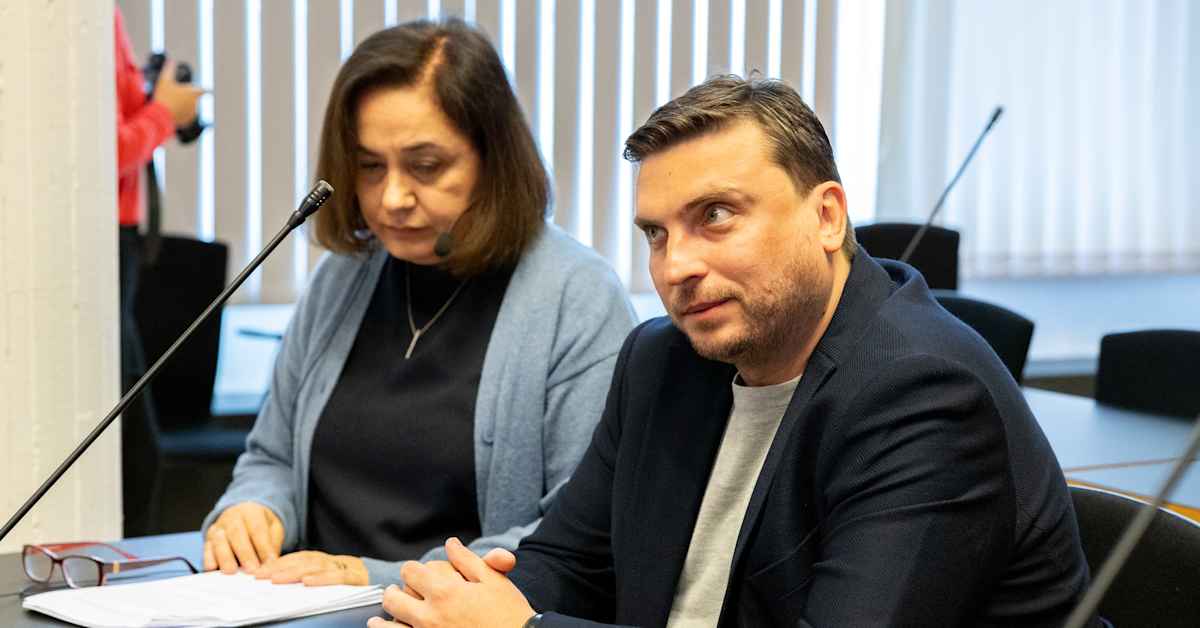
Finnish police covertly recorded multiple phone calls between the Eagle S captain and the shipping company Caravella when the vessel had been intercepted after cutting multiple undersea cables in December 2024. In the recorded conversations — presented as evidence in court — the representative of the shipping company Caravella instructs the captain to: • destroy evidence, which the captain agrees to do • withhold documentation and logs lest they could be financially liable • deny any knowledge of cutting cables (not being aware of causing any damage) The conversation continues with coordinating the responses the captain is supposed to give. The company representative also requests that the conversation must remain between "the two of us". Well, that didn't quite work out as planned. Yle News coverage: "Prosecutor demands prison sentences as anchor-dragging Eagle S trial begins in Helsinki" #eagles #infrastructure #shipping
The first FTP server I ever connected to (ftp.funet.fi) is still going strong. The README is a fun read, especially the history part. Here are some of the early entries: 1988 First of December Finland gets it's first internet link of 56Kbit/s via the NORDUnet co-operation and major part of the traffic was from FTP 1989 Funet saw the need for a FTP-server that would allow better access to the internet content (web was still a dream) from Finland. Decision to set up NIC.FUNET.FI was made and Request for Proposals sent out 1990 First NIC.FUNET.FI, a SUN 4/330, with dual 40Mhz SPARC processors, 128MB RAM and 6GB of usable disk space which made it then among the largest FTP servers in the Internet. Our international internet connectivity for whole Funet was 64Kbit/s so mea develops an ftpd with speed limits More hardware details are available in /pub/files/Historical/staff-docs/historical/First-NIC-Hardware.txt 1991 Linus Torvalds offered a small OS for public distribution which our volunteer Ari Lemmke decided to call Linux and the name stuck... International connection was upgraded to 128Kbit/s ... https://ftp.funet.fi/README #funet #history #computinghistory
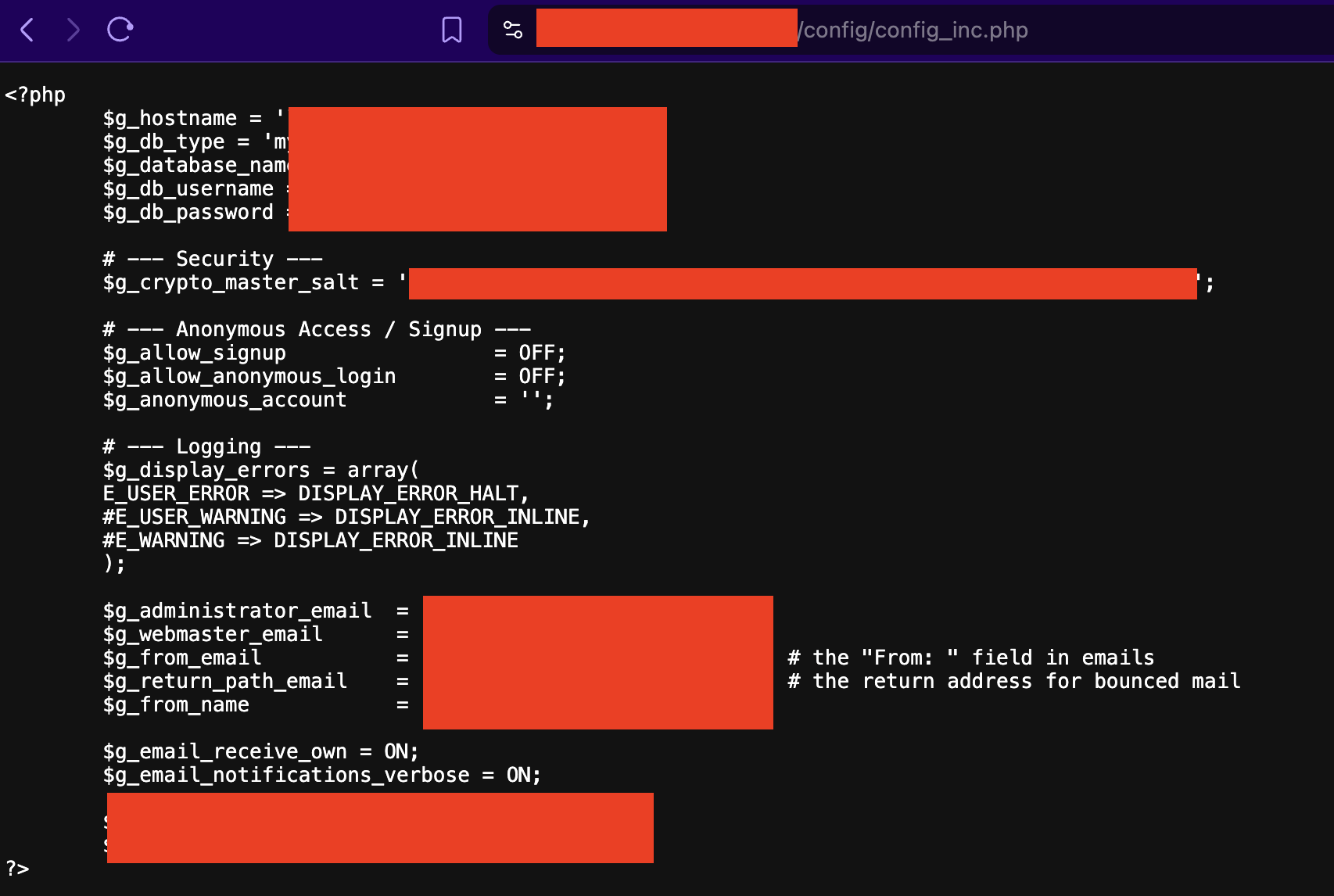
A reminder that upgrading your server might shut down parts of the security related components and leave services unintentionally exposed. Upgrading should not be done without proper filtering of unwanted incoming traffic (via for example a firewall in front of the server). Here we can see some database passwords and cryptographic secrets exposed during #debian13 upgrade due to PHP being down while the httpd was not. #infosec #cybersecurity image
#MorphOS is 25 years old today. The first public beta version 0.1 was released August 1st 2000. We're currently working on MorphOS 3.20.
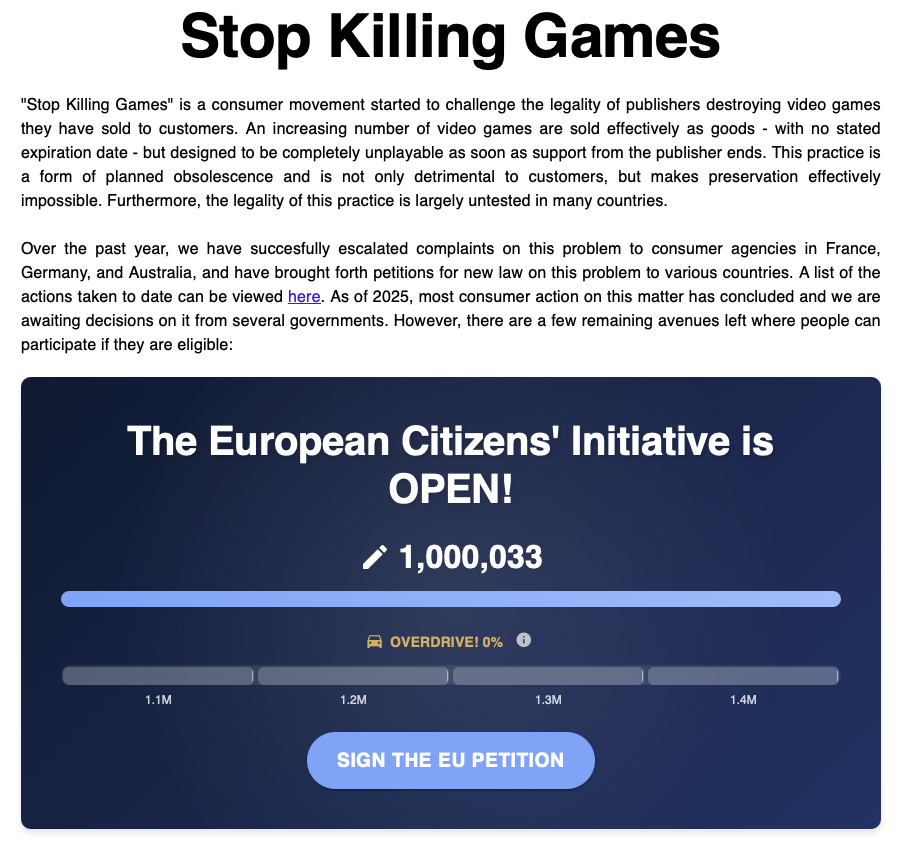
Stop Killing Games European Citizens' Initiative has reached the required 1 million signatures. #consumerrights #stopkillinggames #gaming image
Insecure defaults can lead to surprises. When creating FIFO sockets with systemd, be sure to note that SocketMode defaults to 0666 - that is world readable and writable. That is: any local user can communicate with the FIFO. If your FIFO is used to perform privileged operations you must ensure that either the FIFO file itself is located in secured location or set SocketMode to stricter value. I spotted one such insecure use in cloud-init: the hotplug FIFO was world writable. This is CVE-2024-11584 and fixed in cloud-init 25.1.3. The commit fixing this is in #CVE_2024_11584 #ubuntu #systemd #infosec #cybersecurity
Russian citizens and dual nationals are not permitted to operate unmanned aircraft (such as #drones) in Finland. While the updated EU #sanctions regulation (EU) No. 833/2014 gives member states the option to grant exceptions, Finnish authorities have not deemed it necessary to do so. source: (in english)
I always recommend everyone to turn off any kind of motherboard manufacturers' driver auto-installers. They have a history of containing significant vulnerabilities leading to arbitrary code execution. The vulnerabilities discovered by MrBruh in ASUS Driver Hub again confirm this recommendation. There were several vulnerabilities that, when combined, lead to a devastating end result. #CVE_2025_3462 #CVE_2025_3463 #RCE
S-ryhmä on tuomassa kaikenlaista uutta tekoälytoimintoa S-etukortteihin ja muihin palveluihinsa. Huomioitavaa on, että S-ryhmä hyödyntää oletuksena tietojasi tekoälymallien kouluttamisessa, ellet sitä erikseen kiellä: "Tietosuoja on sisäänrakennettu, ja edes mallin kouluttamiseen ei käytetä sellaisten asiakkaiden dataa, jotka ovat asettaneet analytiikkakiellon." Kiellon voi tehdä täällä: Suosittelen tutustumaan kohtiin: "Kohdentaminen S-ryhmän ulkopuolisissa kanavissa", "Tuotetasoinen ostotieto" ja "Analytiikka ja asiakasryhmittely". Lähde: #tietosuoja #yksityisyys