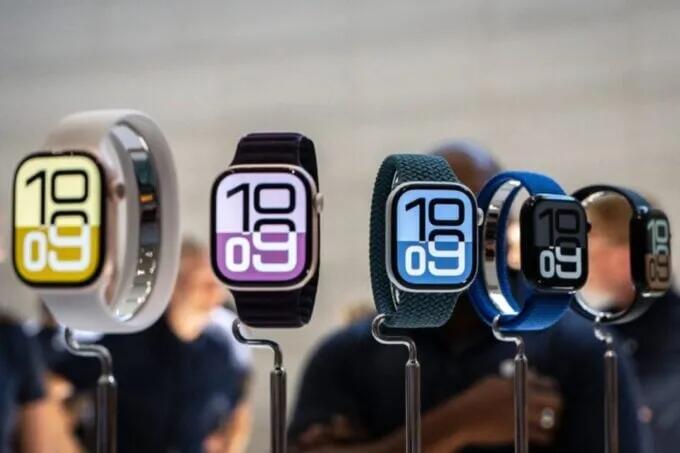
Future Apple Watches Could Have Sensors Embedded in the Bands: Maybe Not A Great Idea It sounds good as such sensors may provide some good functionality, but it is also the reason I sold my LG Watch and never bought another one from them. The reason is that straps, like batteries, are the first things that start breaking. The strap usually goes way before the battery does, and if it is any form of silicone/plastic strap, this usually happens after just a year and a bit. Then you'll discover those straps are really pricey with the sensors inside. Also, you can forget about having two or three alternative colour straps for other occasions, as that will also be expensive. Want to buy a cheaper alternative strap? Well, then you lose some functionality on your watch. Oh, and seeing this integrates with the watch, you'll have to buy replacement straps from Apple otherwise they won't work. Great for the manufacturer (Apple), not great for the consumer. See #technology #Apple image
BrickMasterVR - Building Lego using Oculus Quest VR Glasses I know someone who builds Lego for therapy. He buys sets on an ongoing basis, some of which are well over 10,000 pieces (think of the Titanic). They take up a mass of space. I get that some sets are great for physical display, but it also gets costly building and giving them away. There is already online free virtual Lego building with Bricklink Studio, but has none of the "handling" of the pieces nor seeing it in proper three dimensions. The logical direction to take this is towards VR glasses type solutions, where you can see it in 3D (as if you were looking at the real model) and be able to pick up and place pieces (using virtual hands). A partnership between Lego and Apple would also have been a logical conclusion for this. But, as far as I know, there is still no real working solution for this, despite lots of interest in it. The video linked below shows an early prototype in action, but that was about 3 years ago. It was also discussed on Reddit in r/OculusQuest back then. See #technology #VR #Lego image
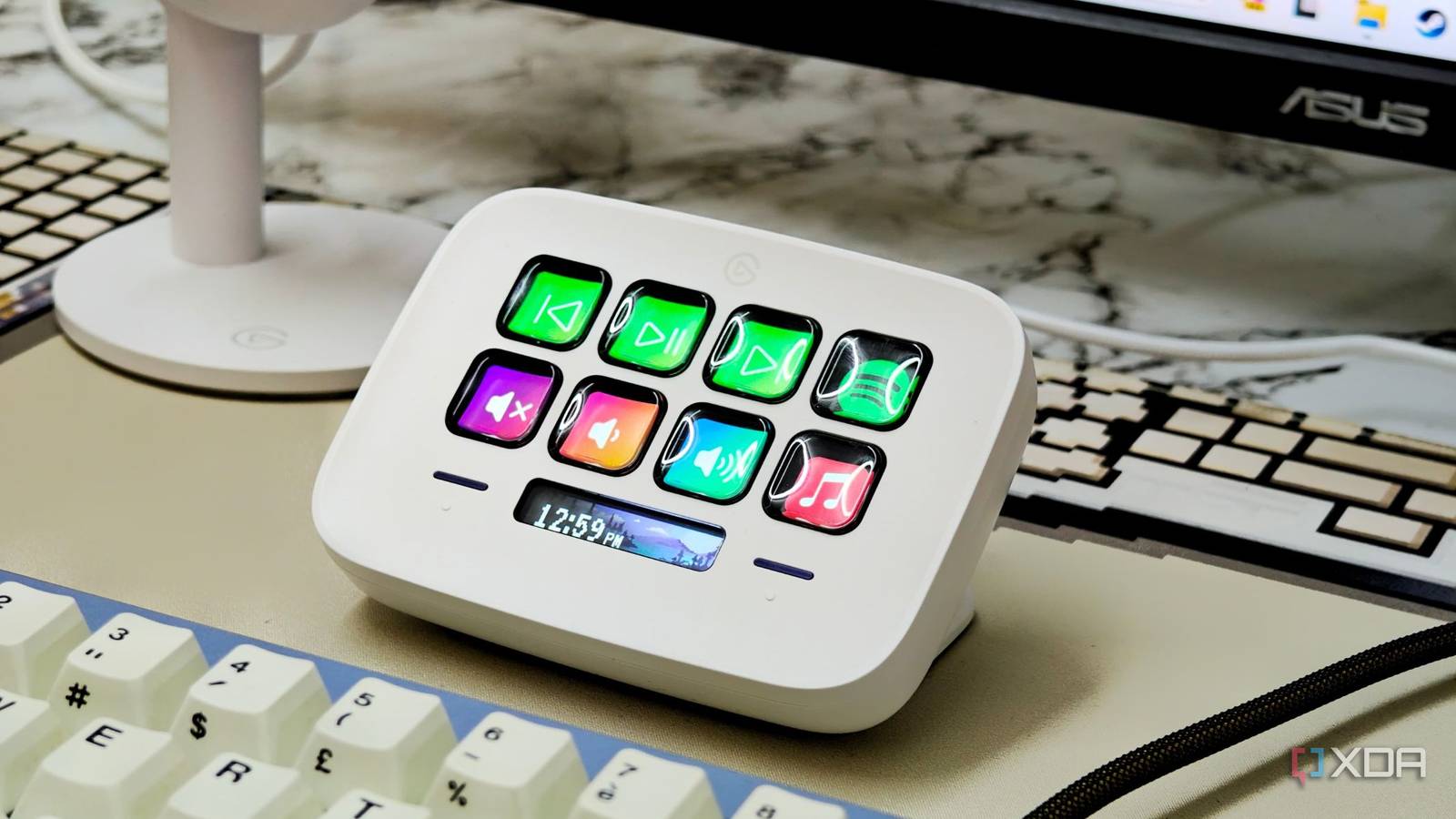
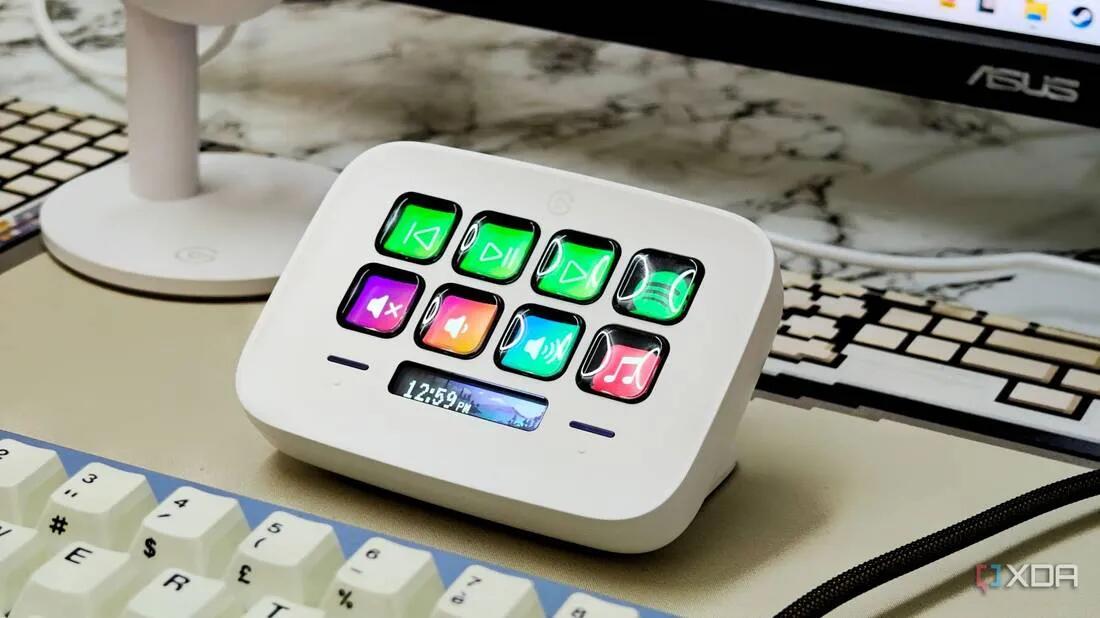
10 non-stream things to use a Stream Deck for I've done a video before about how I'm using my Stream Decks (I even bought a second one) for so many different things. I'm using about 20 different pages at the moment and can quickly move between them to fire up regularly used apps, including my notes manager with specific notes, run updates, be alerted of events from Home Assistant, open certain reference web pages, quite a few of my games, change mouse profiles, etc. The power really comes with unlimited pages that you can customise, and the ability to show status or feedback on each button. See #technology #productivity #streamdeck image
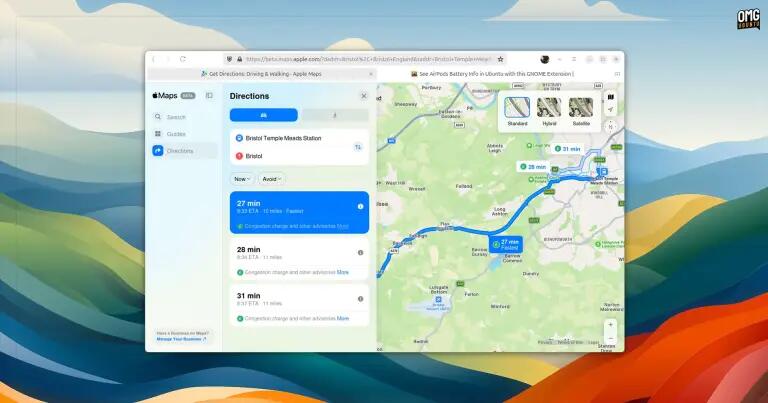
Apple Maps on Web Now Works on Linux (But Only in Firefox) The screenshot above shows Mozilla Firefox 132 (running on Ubuntu 24.04 LTS) with the web version of Apple Maps successfully loaded. All features work as they should, including search, directions, hybrid images, location detection, guides, places of interest, plus core interactive features like scrolling/zooming, and so on. In other browsers, this is not the case. Thing is, Linux users being able to access a competent alternative (not the only alternative, of course) to Google Maps is a good thing, even if most people would prefer to use another service, like OpenStreetMap. See #technology #firefox #applemaps image
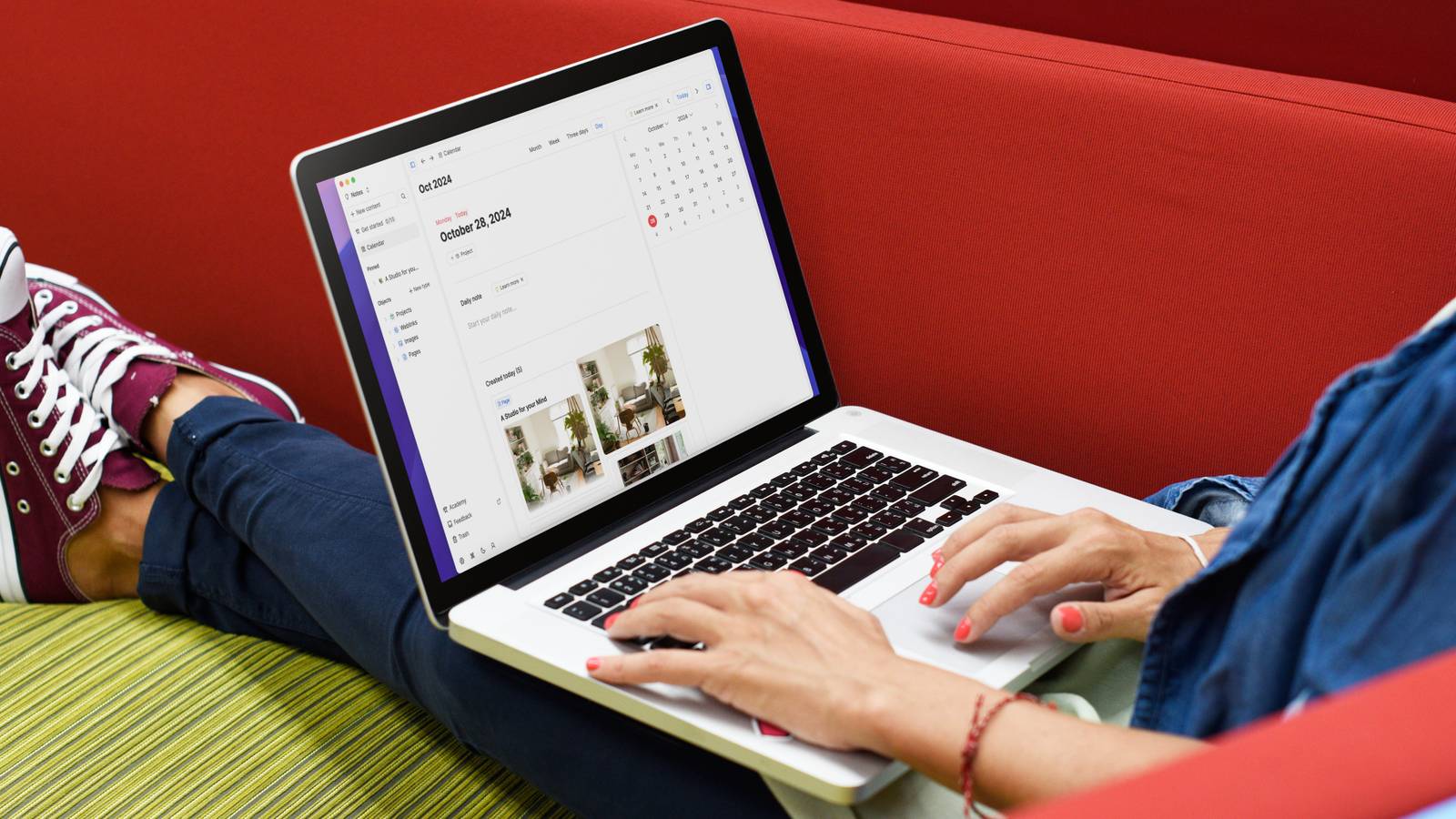
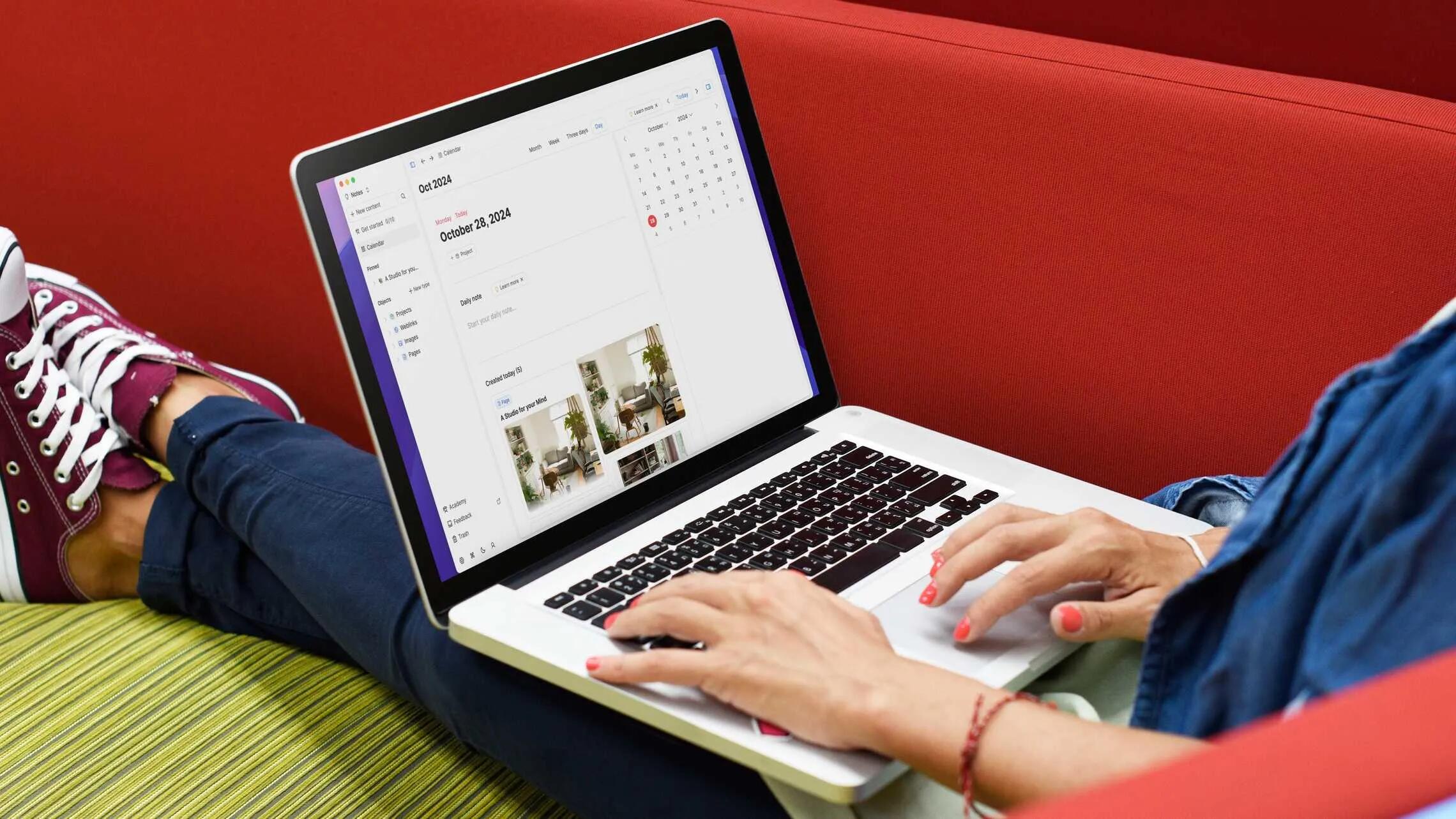
Capacities could be a very good alternative to Obsidian Notes I've only had a brief look and test so far, but I'll be testing this out a lot more. Obsidian is free to use but not open source software, Capacities is the same with a generous free option and is not open source software either. Something quite different, but useful, is that Capacities is cloud synced first, so the various clients all sync via the cloud for free (unlike Obsidian which can be a bit clunky via SyncThing or similar sync software). Obsidian is more offline first in Markdown format for full portability between other note apps. Capacities however does export (and backup) to various formats including PDF, Markdown, MS Word, and Latex. I'm just not seeing a bulk export yet of selected notes (called pages in Capacities) to these various formats. I'm testing this a bit more still. Getting some notes from Obsidian into Capacities so far was just a matter of copy and pasting. I just had to copy and paste any images separately into the note. Tables, code snippets, headings, etc all came across perfectly. Speaking of code snippets, I do really like that you can tag each one as a bash script, Python code, Lua code, etc, and it does a great job of syntax highlighting (something I was not seeing in Obsidian). Capacities does not yet have all the plugins that Obsidian has, but for many who were thinking of starting to use Obsidian, Capacities may be a good option to consider. I'll also be interested to see what the Linux app (in development) stores locally and how well it works offline. There are already desktop apps for macOS and Windows (and mobile apps for Android and iOS). See #technology #knowledgemanagement #notes image
10 brilliant PC games you can enjoy without a graphics card Modern PC gaming often gets a bad rap for being too demanding, pricing out countless gamers who lack powerful graphics cards. Plus, the state in which some AAA games get released, makes them a struggle to play even on high-end GPUs. Fortunately, the most demanding games don't always equate to the most impressive ones. Even if you don't have a recent graphics card on your gaming PC, you have a treasure trove of titles to explore. You actually don't even need a discrete GPU (or a PC) to experience these must-play games. Even your laptop with Intel HD or Iris Xe graphics (or AMD equivalent) can handle these titles, albeit sometimes with optimized settings. Firewatch looks like an interesting game to try. See #technology #gaming image
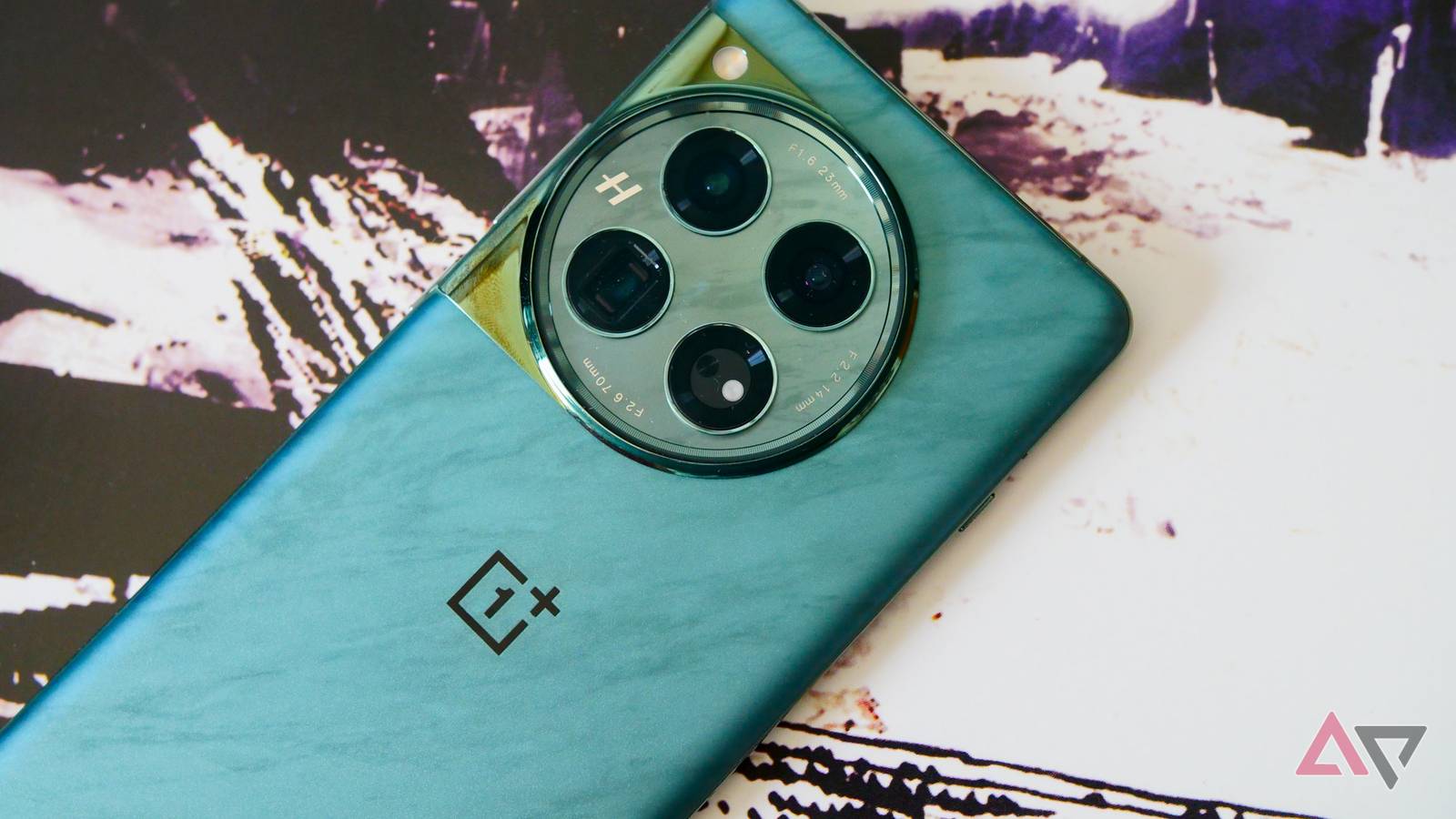
The ultrasonic fingerprint sensor revolution is here, and OnePlus is leading the charge From bulky physical button sensors, and capacitive ones, to under-display optical fingerprint sensors and ultrasonic ones, the technology has significantly advanced over the last decade, with ultrasonic sensors sitting at the pinnacle at the moment. They truly shine when it comes to accuracy, considering that their ultrasonic pulses can penetrate through surface or finger contaminants like dirt, oil, or moisture. We've previously only seen ultrasonic fingerprint scanners on Samsung's flagship devices, and most recently, the Pixel 9 series. Ultrasonic fingerprint scanners have long had one major drawback — they're expensive, essentially preventing them from making their way to a wider range of devices. OnePlus recently confirmed in a Weibo post that its upcoming OnePlus 13 flagship will be unveiled on October 31 in China. See #technology #security image
SearXNG is an open source privacy respecting metasearch engine that is really easy to use SearXNG is a free internet metasearch engine which aggregates results from more than 70 search services. Users are neither tracked nor profiled. Additionally, SearXNG can be used over Tor for online anonymity. My video covers how to pronounce SearXNG, what does it do exactly, some demo searches, user preferences, setting it as a browser default search, and some self-hosting answers to problems I faced with the Docker installation. See #technology #search #privacy #selfhosted #opensource image
The open secret of open washing – why companies pretend to be open source This is a deceptive practice in which companies or organizations present their products, services, or processes as "open" when they are not truly open in the spirit of transparency, access to information, participation, and knowledge sharing. This term is modelled after "greenwashing" and was coined by Michelle Thorne, an internet and climate policy scholar, in 2009. Some corporations use open washing to shield their models and practices from scientific and regulatory scrutiny, while benefiting from the "open" label. Another major factor is that the EU AI Act provides special exemptions for "open source" models. This creates a powerful incentive for open washing: if their models count as open, they'll have far less restrictive requirements. That, in turn, means they'll need less money to meet regulatory requirements or have to clean their datasets of copyright and other intellectual property (IP) issues. It's true, too, that the term open source is used way too loosely by many companies. We just have to think also about the recent débâcle with Winamp. And, as pointed out in the article, many of the Big Tech companies also punt products as being open source when they are not. See #technology #opensource image
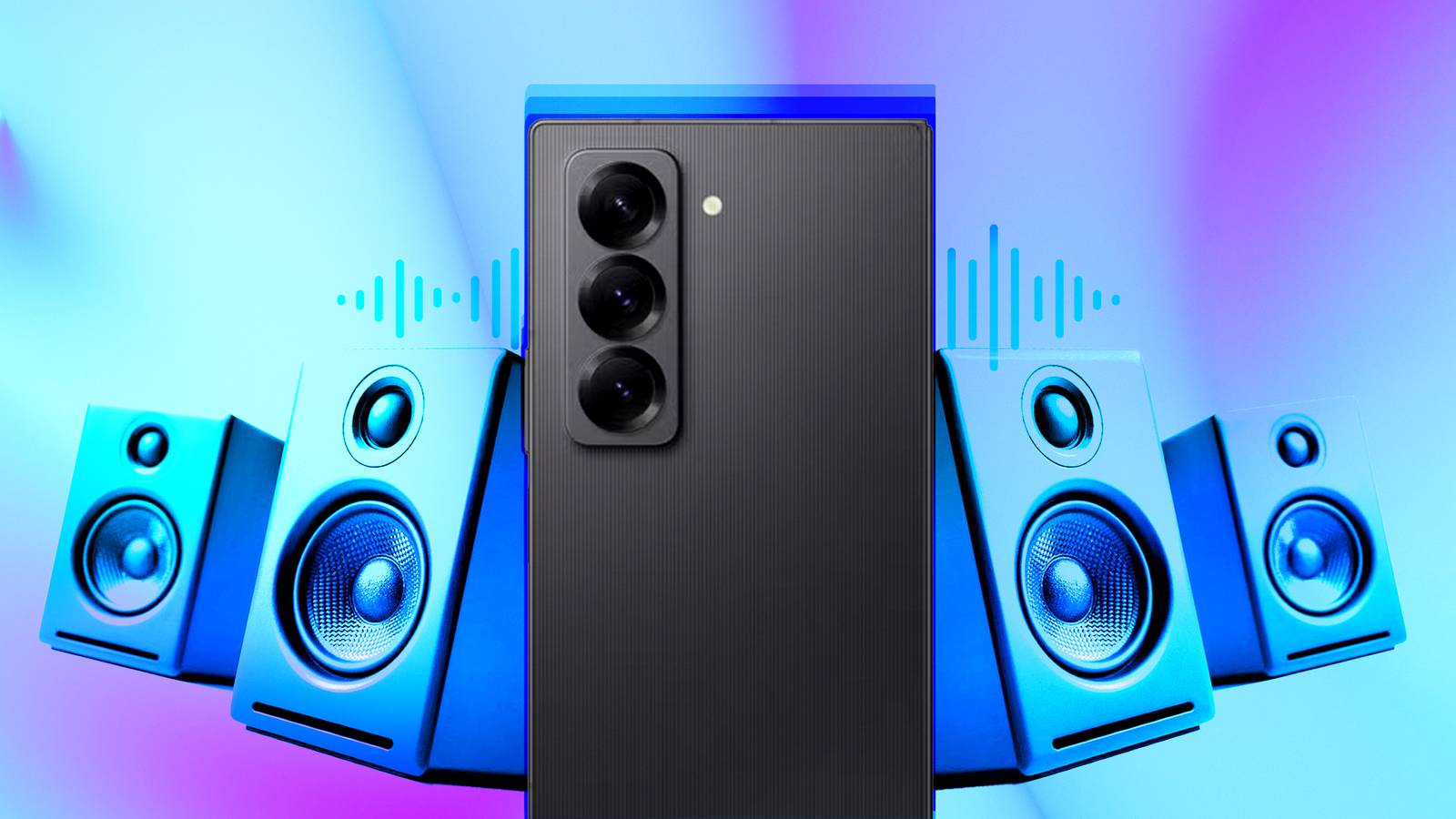
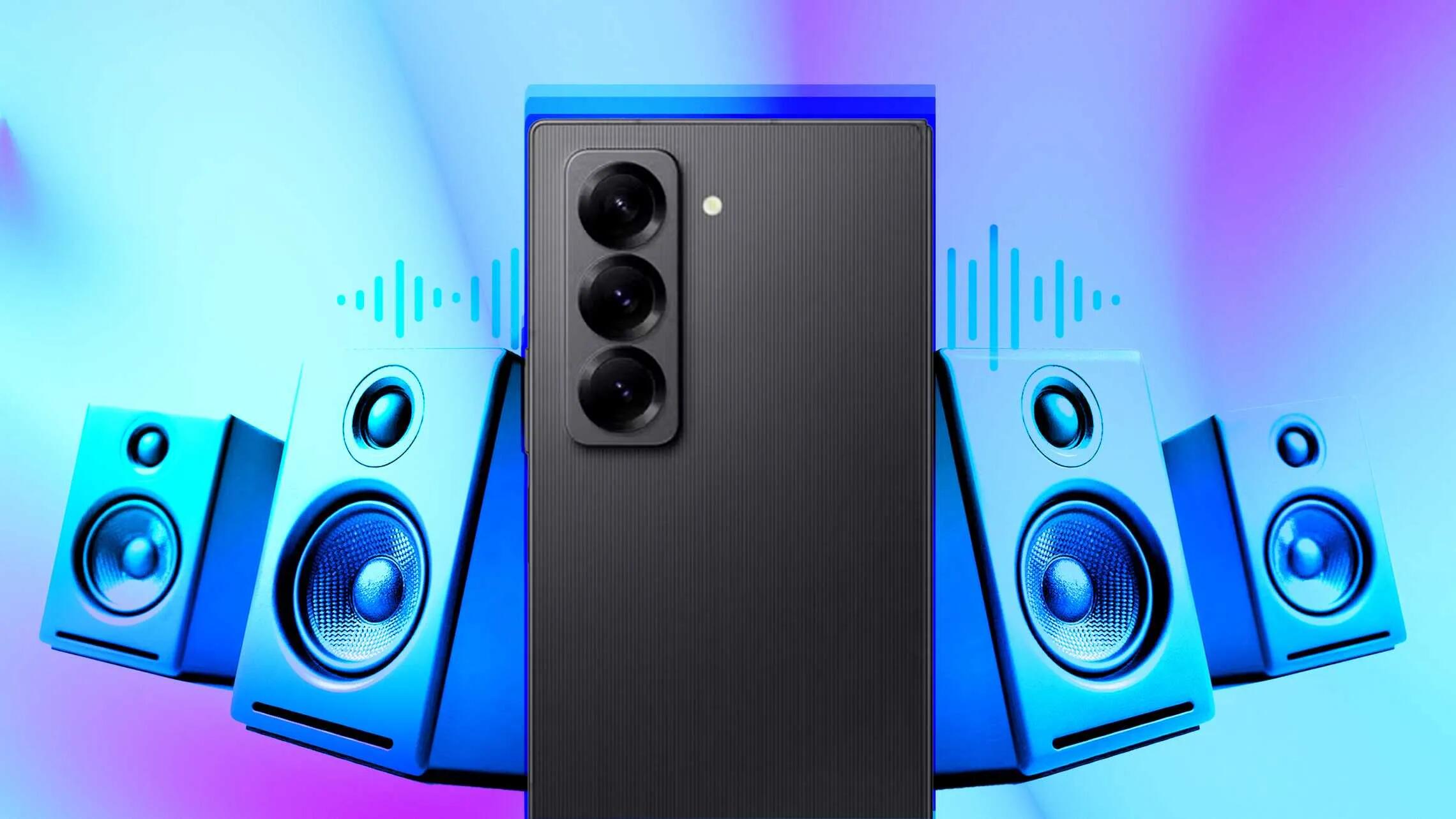
Samsung Dual Audio: What it is and how to use it Most Android phones can connect and stream audio to one Bluetooth device. But there may be situations where you may want to stream to multiple devices instead. For example, you own a pair of portable Bluetooth speakers that can't be paired in stereo mode but would prefer the audio to be louder. Another example would be if you wanted to use your earphones and speakers simultaneously. You can accomplish all this with Samsung's Dual Audio feature. It allows you to stream audio to two Bluetooth devices without switching. Dual Audio and Multipoint audio are two different features. Dual Audio streams audio to two earphones or speakers simultaneously. Multipoint audio is available on the best wireless earbuds, which allows them to connect to two devices and switch between them seamlessly. For example, you can connect your Pixel Buds Pro to your phone and laptop and move between the two devices without issues. See #technology #Samsung #audio image