FIFA, the LA Clippers and Boston Red Sox all failed to deliver on their promises of carbon offsets to reduce their climate impact. Sports management researchers explore commitments teams have been making to see whether they translate into measurable environmental outcomes.

Our free webinar on how #AI is reshaping drug development starts in 1 hour, and it’s not too late to join ⏰ Tech editor Eric Smalley talks with researchers Jeffrey Skolnick & Benjamin P. Brown break down how AI speeds discovery, improves testing & where its limits are. Save your free spot and see you in 1 hour:
NASA just launched a low-cost mission to Mars called ESCAPADE. It could reveal how the planet’s atmosphere was stripped away, but cheaper missions like this come with bigger risks (and haven’t always worked in the past) Will this one pay off?
Rural America isn’t vanishing, isn’t mostly white and isn’t made up of farmers alone. We break down 6 major myths about the places where 1 in 5 Americans live, in charts.
Trump is pushing hard for more oil drilling, but energy companies aren’t biting. Given the high costs and difficult terrain in places like Alaska, oil companies don’t see a clear path to profit – and that matters to them more than climate change.
Undocumented teens already live with deportation fears, but now getting into college is a whole new challenge. States like South Carolina are blocking them from public universities or taking away in-state tuition, making college unaffordable for many who have spent nearly their whole lives in the U.S.
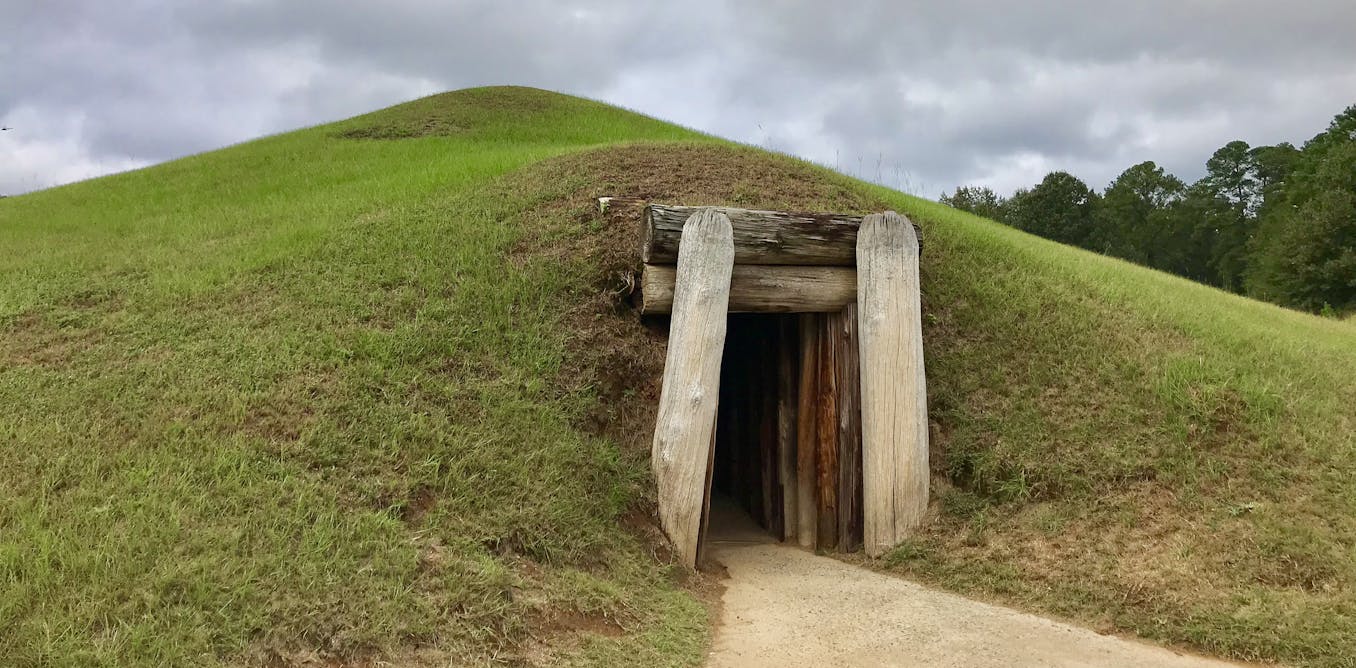
Ocmulgee Mounds in Georgia, which contains 12,000 years of Indigenous history, may become the newest U.S. national park. But here's the catch: the redesignation won't actually offer additional legal protection or funding for the site.
Hanukkah’s story of the heroism of Judah Maccabee and his brothers ignores two inspiring women who were prominent in the earliest tellings of the story.
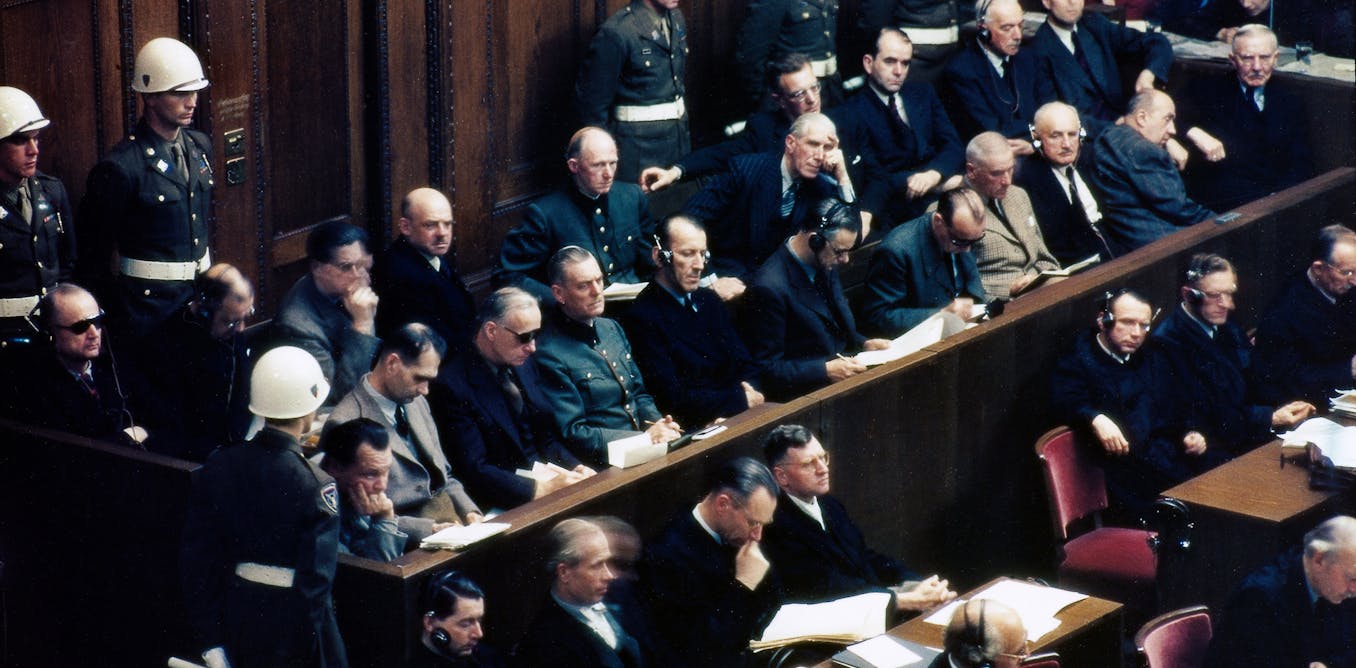
The new film “Nuremberg” highlights how the tribunal broke ground – and where it fell short – raising enduring questions about complicity, morality and whether humanity can ever truly judge its worst crimes.
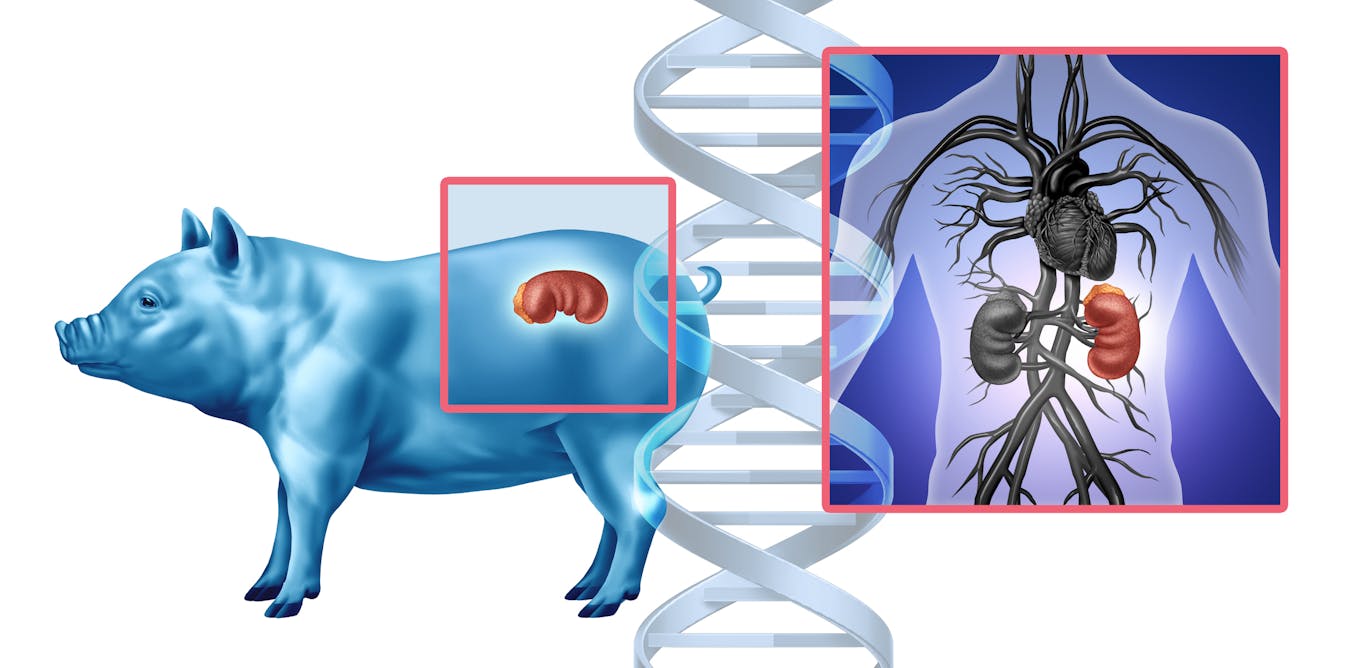
The NIH paused funding for growing human organs inside pigs in 2015 over fears that human cells might make pigs too human. Yet regulators now approve putting pig organs in humans. A bioethicist examines the inconsistent logic.