As sea levels are projected to rise at least 30 cm this century, researchers are exploring whether reflooding Egypt’s vast Qattara Depression could help. Project lead Amir AghaKouchak says it may also offer benefits like aquaculture, renewable energy and tourism — though the idea is still in its early stages. by Jeremy Hance #news #climatechange #environment #oceans
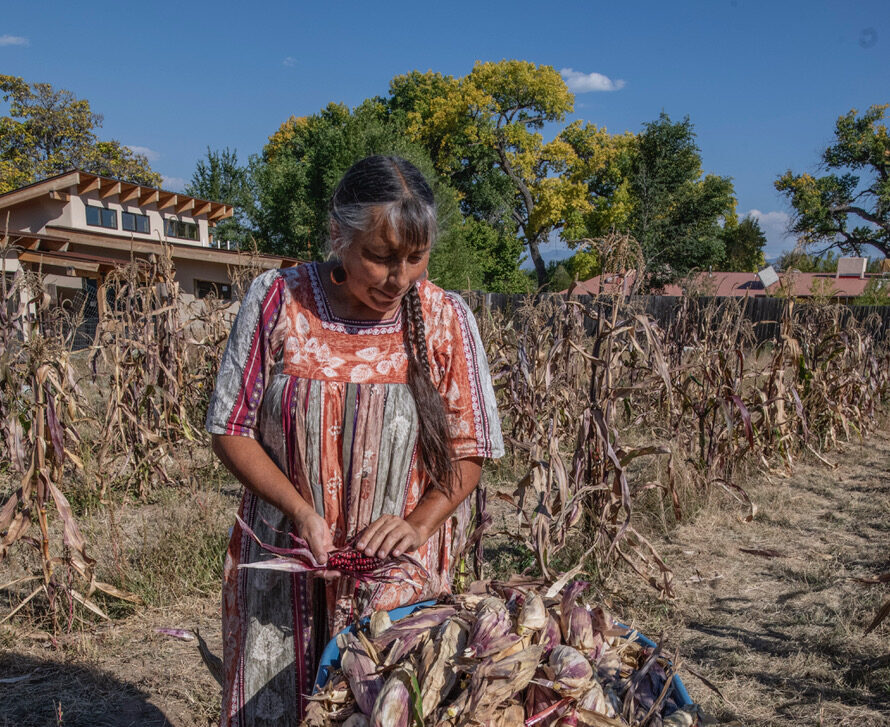
Native American farmers in the southwestern U.S. have long deployed weather-adaptive techniques to grow crops in high-desert environments. The techniques range from hillside terracing and “waffle” gardening, to water conservation and leveraging microclimates on a piece of land. This month, Mongabay spoke with the leaders of these groups about how these farming techniques can be replicated in increasingly dry regions around the world. #environment #indigenous #climate
Aware that fossil fuels and renewables by themselves likely can’t handle the astronomical energy demands posed by AI mega-data centers, Internet companies are reactivating the once moribund nuclear industry, despite intractable problems with radioactive waste disposal. Voices in the Global South say that AI computing (whose producers remain principally in the Global North) is evolving as a new form of extractive colonialism. by Gerry McGovern and Sue Branford #AI #news
Across parts of Venezuela, Indigenous communities have been drawn into gold mining as their traditional way of life has been disturbed and they lack other economic opportunities. Armed groups and a push for extractives have turned the Imataca Forest Reserve in the state of Bolivar into a mining hotspot, sources tell Mongabay, boosting deforestation and river pollution and destroying the livelihoods of Indigenous Pemón families. by Catherine Ellis #news #venezuela #gold
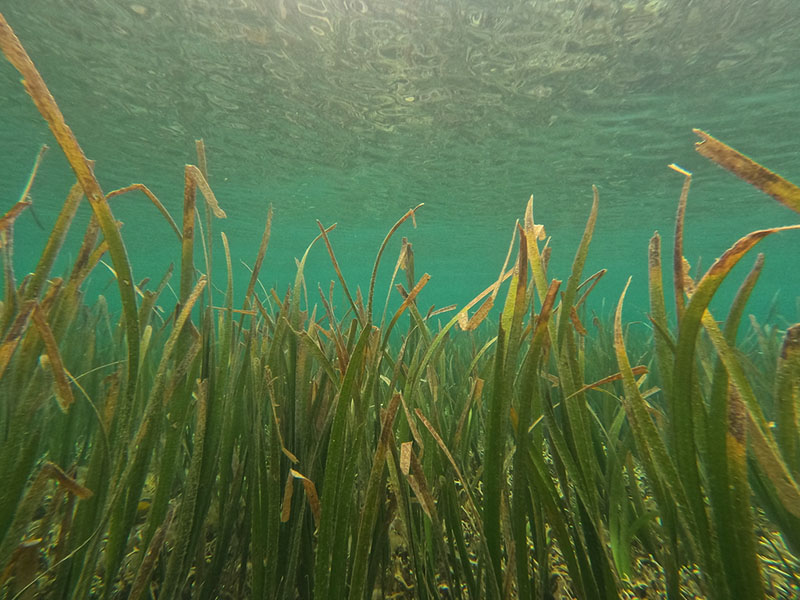
Marine experts at the Indonesian Seagrass Symposium in Bali warned that seagrass ecosystems — vital for carbon storage, biodiversity and coastal protection — remain largely overlooked in national policy and conservation efforts. Scientists and conservation leaders urged stronger data collection, funding and institutional capacity to support restoration, monitoring and community participation. by Basten Gokkon #news #carbon #climate #conservation #marinebiodiversity
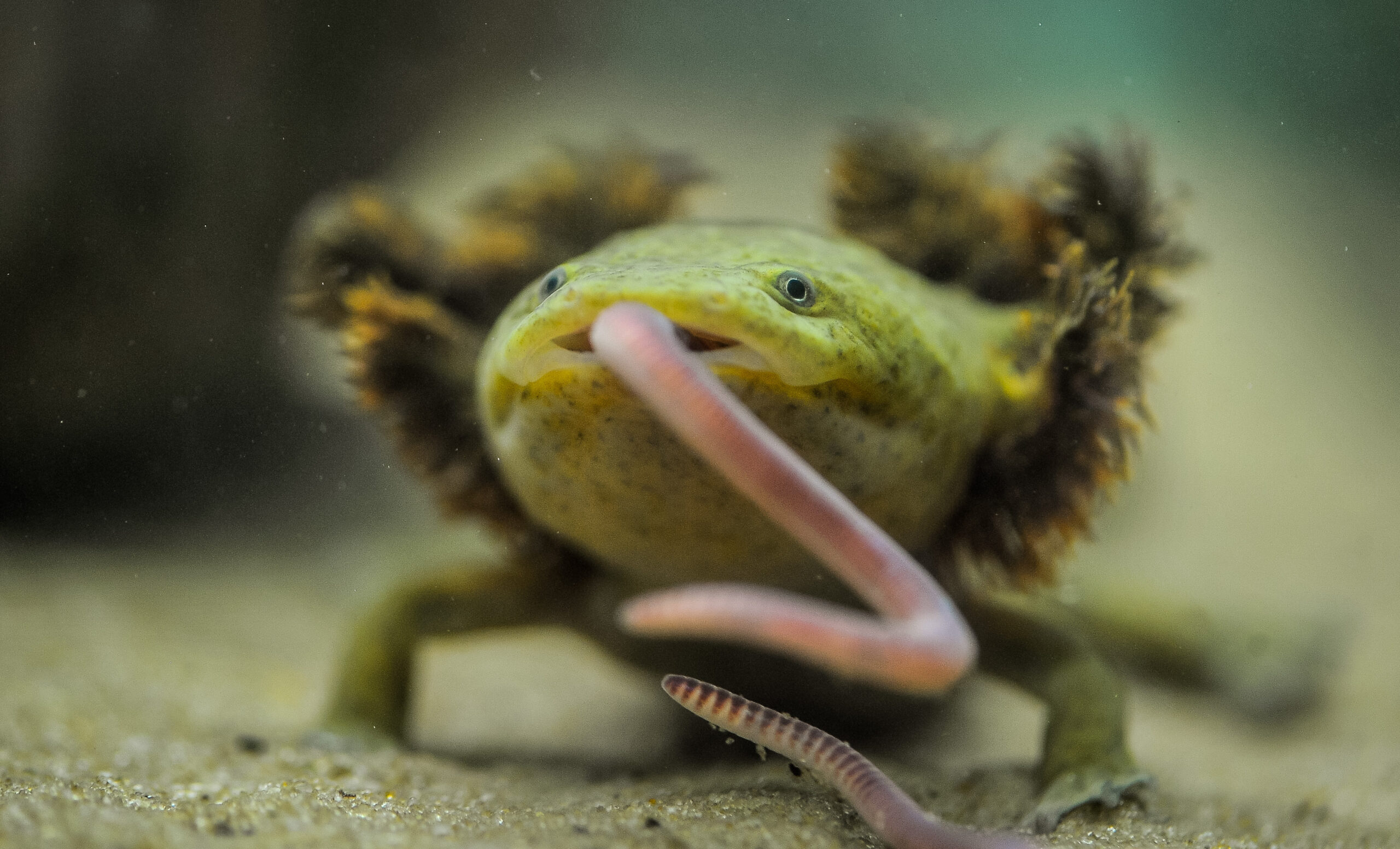
Dominican nuns at a monastery in Mexico have become unlikely conservation heroes, maintaining the world’s largest captive population of critically endangered achoque salamanders, which number fewer than 150 in the wild. The nuns’ 150-year tradition of breeding salamanders for the production of traditional cough syrup evolved into a critical conservation program after wild populations crashed in the 1980s due to lake pollution and overfishing. by Liz Kimbrough #news
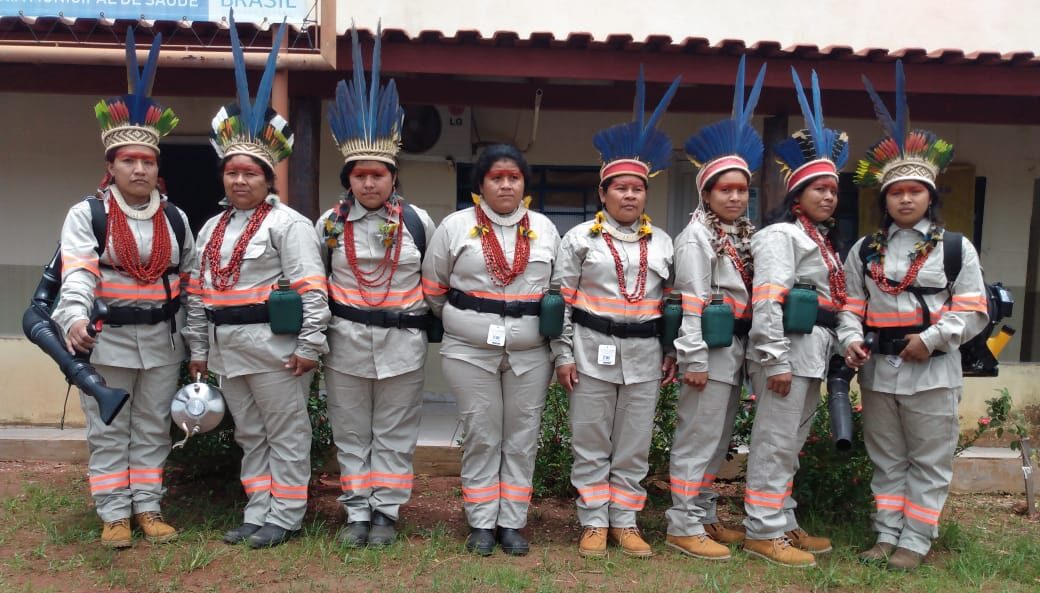
Brazil’s Cerrado savanna has experienced its worst fire season on record, but a tiny Indigenous territory here has for four years now kept the flames at bay. The volunteer brigade made up largely of Bakairi Indigenous women has been instrumental in preventing major fires from devastating the Santana Indigenous Territory in Mato Grosso state. by Mariana Rosetti and Paola Churchill #news #forestfires #guardians #indigenouswomen
Sea otters were nearly hunted into extinction a century ago for their luxurious pelts. But they have been surging in population in the Gulf of Alaska, bringing both benefits to nearshore ecosystems and drawbacks to the shellfish economy. Described by commercial shellfish harvesters and Native Alaskans as pillagers of clams and crabs, sea otters are seen by many marine biologists as having positive impacts on kelp forests. by Justin Catanoso #news #otters #Alaska
When environmental journalism in Latin America needed a regional voice, Maria Isabel Torres, Program Director of Mongabay Latam, focused on building one rooted in collaboration, empathy, and impact. From cross-border investigations on deforestation to stories amplifying women and Indigenous defenders, Maria Isabel and the team at Mongabay Latam have reshaped how environmental issues are reported across the region. Meet the person behind this journalism:
For decades, conservationists have warned that the planet’s attention—and its purse—are skewed toward the charismatic few. A sweeping analysis of some 14,600 conservation projects over 25 years confirms that bias in stark terms. The authors, led by Benoit Guénard, found that 83 percent of funding and 84 percent of projects went to vertebrates, leaving plants, invertebrates, fungi, and algae to divide the scraps. by Rhett Ayers Butler #news #conservation #amphibians