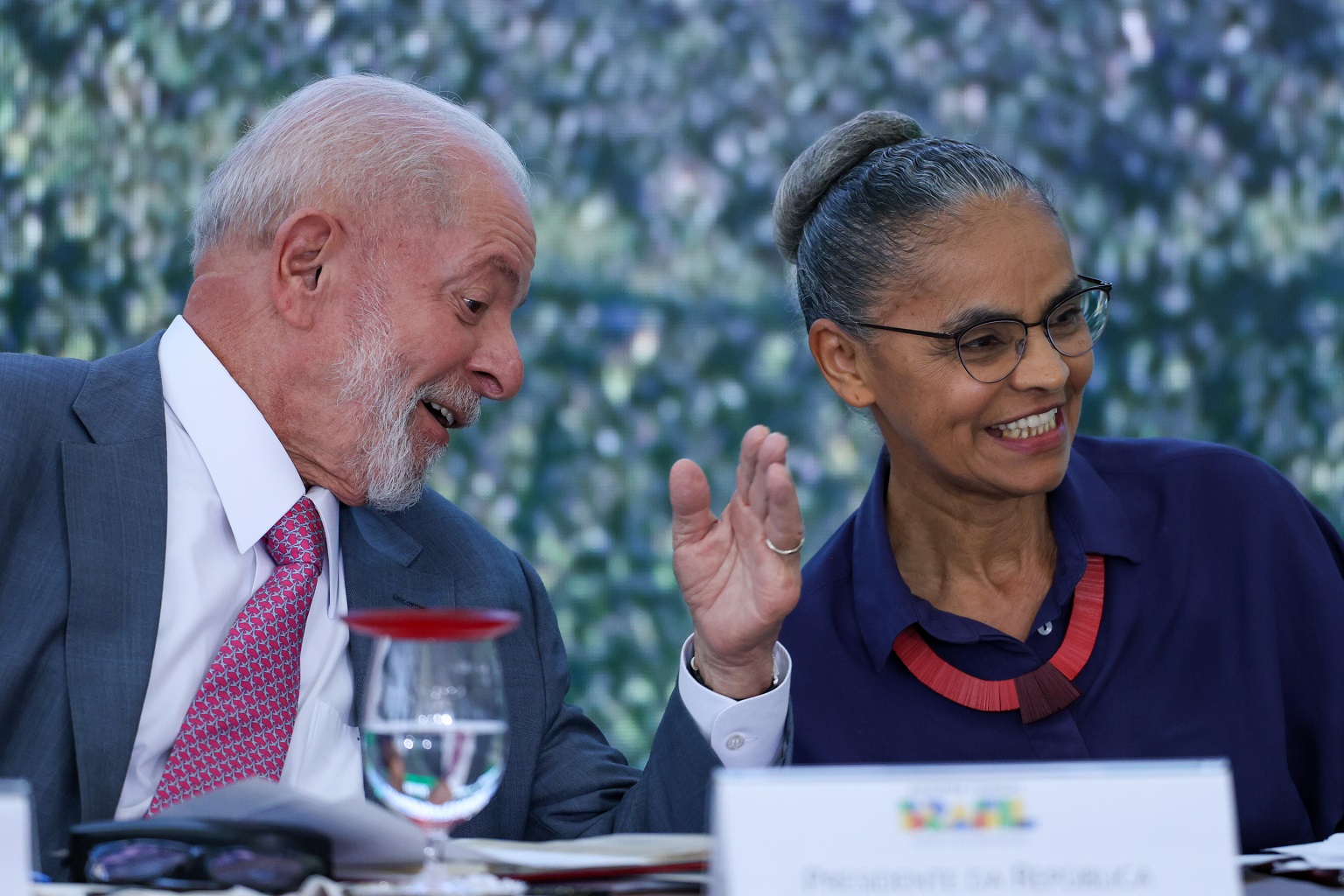
Brazil’s President Lula has personally cemented his support for the project and set his cabinet to work out a deal to renew the BR-319 highway, which passes through one of the most preserved areas of the Amazon. Scientists warn the highway will create a “fishbone effect” of illegal side roads, fueling deforestation that could push the Amazon past a critical tipping point and trigger its irreversible conversion into a savanna. by Rafael Spuldar #news #Amazon #Brazil
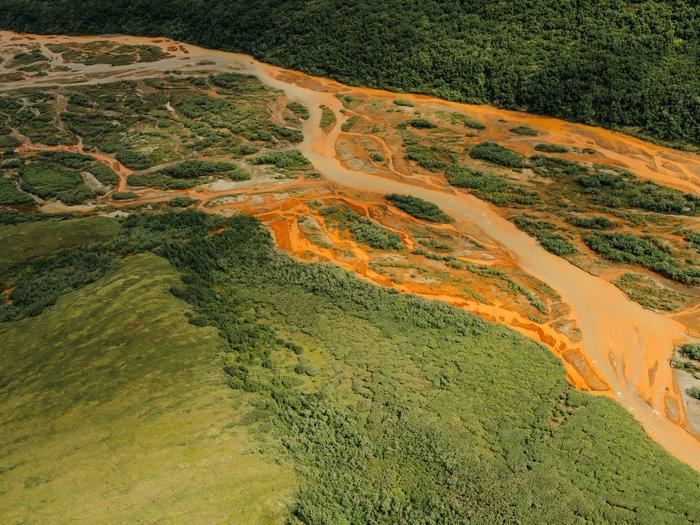
A new study found that 75 streams in Alaska’s Brooks Range have turned orange due to thawing permafrost, which releases metals that exceed U.S. Environmental Protection Agency safety thresholds for aquatic life. The contamination threatens fish populations that Indigenous communities depend on for food and income. Scientists warn that this climate change impact is irreversible and spreading. by Liz Kimbrough #news #biodiversity #fish #climatechange #indigenouspeople
Forged signatures. Flawed assessments. Secret night-time bulldozing. Mongabay uncovered how a hydropower project in Nepal’s sacred mountains was 90x bigger than reported—threatening Indigenous yak herders, red pandas, and snow leopards. Within weeks, 30+ organizations cited our coverage, and in 2025 it won the Indigenous Media Award. This is the power of independent journalism. 🌍 Support our efforts:
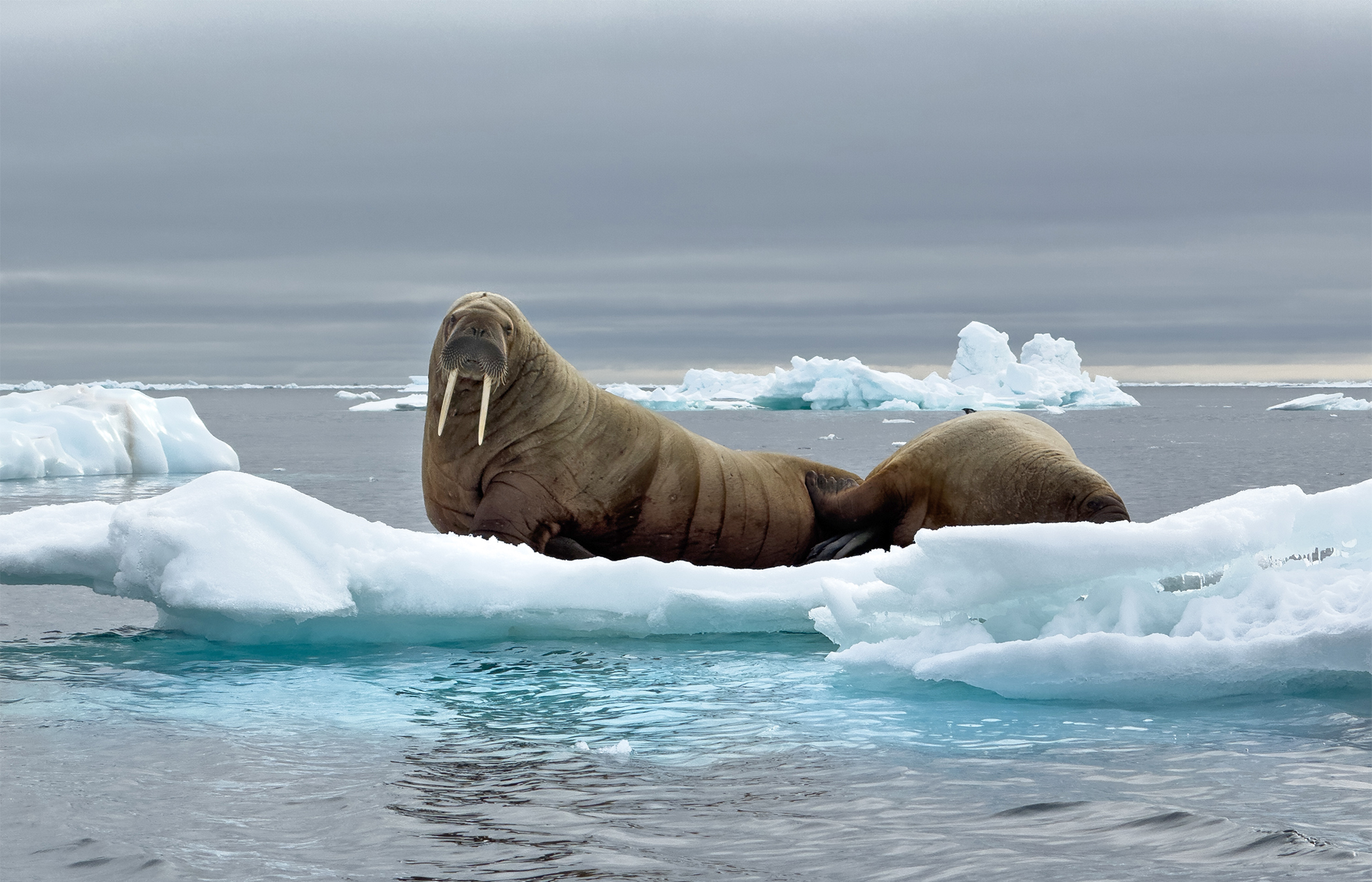
Arctic sea ice hit its 2025 summer minimum without setting a record low on Sept. 10, despite a historically low winter maximum earlier. Scientists say sea ice loss has slowed over the past 20 years due to natural variability in atmospheric and ocean systems, counterbalancing the impacts from human-caused climate change. However, they warn that this slowdown likely offers only a temporary reprieve. by Gloria Dickie #news #globalwarming #climatechange #environment
Over the past two decades, a group of women in Lampang province, Thailand, have taken action to improve their local environment and curb sources of haze by restoring their local community forest. Their bold approach to fire prevention — combining regular patrols, check dams and fire breaks, as well as an innovative wildfire alert system — has earned them a reputation as a regional model for other communities. by Carolyn Cowan #forest #conservation #indigenouswomen
From conflict to coexistence: Quechua women in Peru’s Andes are rewriting the story of wildcats 🐆👩🏽🌾. Their group blends science, tradition & women’s leadership to protect species like the endangered Andean cat. After Mongabay’s feature, orgs like Panthera stepped in with support 🌍. Independent journalism sparks real conservation change. Read more 👇 Support independent media: #news #impact #indigenous #conservation #women #cats
Vian Ruma, a 30-year-old opponent of a geothermal project on Flores Island, was found dead under circumstances his family and allies say point to foul play. His death highlights Indonesia’s long and worsening record of attacks on environmental defenders. Under President Prabowo Subianto, cases of threats and attacks on environmental human rights defenders have more than doubled in 2025. by Hans Nicholas Jong #news #environment
The daily destruction of nature’s carbon stores is happening right before our eyes, as forests are ravaged by catastrophic wildfires and vast tracts of wildlands are cleared for agriculture. But even greater stores of carbon lie hidden beneath our feet, and they too are under threat. Preserving the ecosystem services of this subterranean environment is crucial to meeting global net zero commitments. by Claire Asher #news #conservation #soil #biodiversity #carbon
A new study has found that the Mekong River’s largest freshwater fish are shrinking in size, with critically endangered species like the giant catfish and giant barb now averaging less than half their historical size. Overfishing, habitat loss, dam construction, sand mining, pollution and climate change are driving the decline. Scientists warn the trend mirrors global declines in large freshwater species. by Anton L. Delgado #news #fishing #endangeredspecies
A recently published study on Kanzi the bonobo found that he was able to track the location of people familiar to him, even when they were out of sight and could recognize the individual voices of his caretakers, a skill that has never before been tested in bonobos. Similar abilities to track groupmates have been observed in vervet and howler monkeys, but only one other great ape is known to share the bonobos’ tracking ability: humans. by Bobby Bascomb #news #bonobos