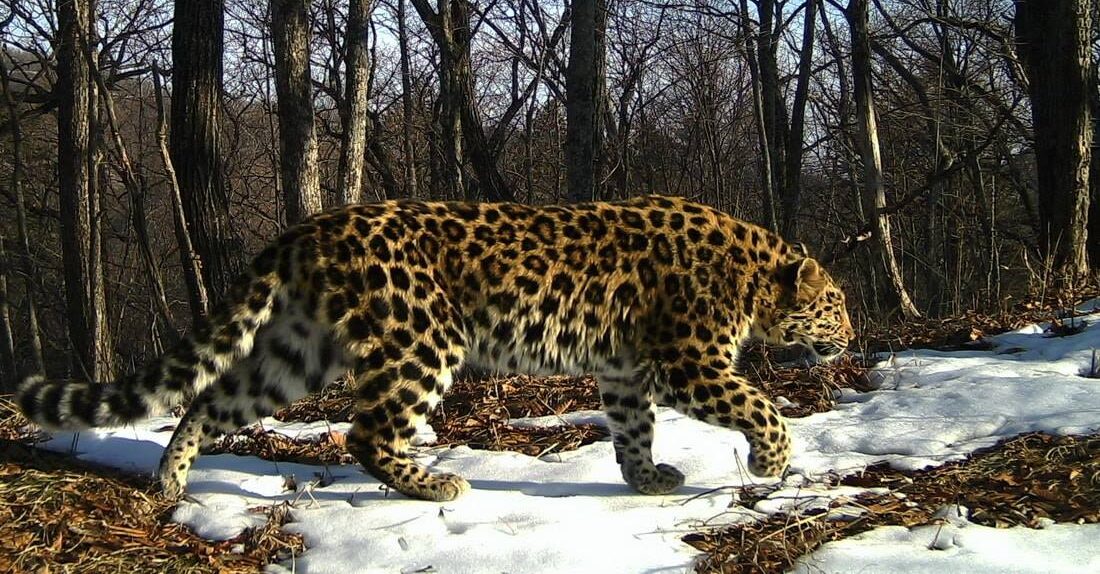
The Amur leopard lives in isolation in the freezing forests of southeast Russia and northeast China. It’s one of the most endangered of eight leopard subspecies in the world. Today, its population is on the upswing. In the 20th century, poaching for its spotted fur, forest fires and conversion of land for farming caused the wildcat’s population to plummet to roughly 25 individuals in the wild. Today, there are approximately 130 in Russia alone. by Manuel Fonseca #news
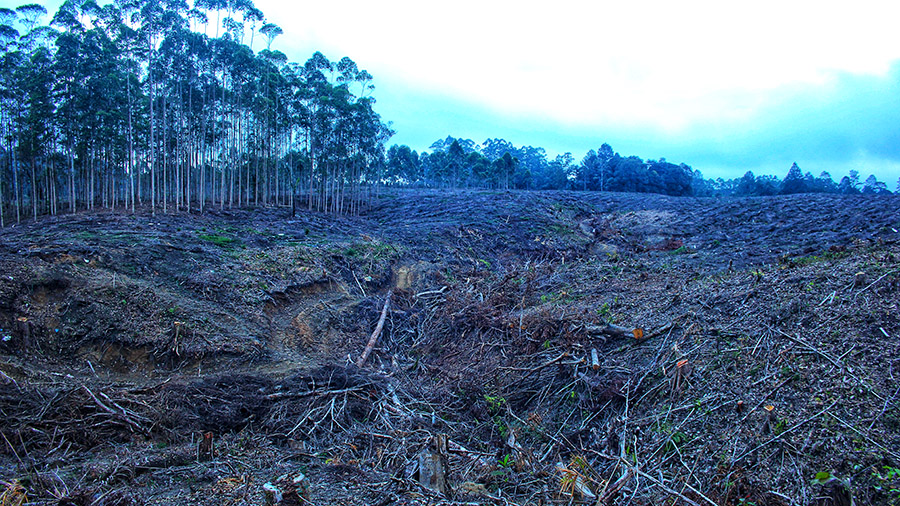
Indonesia is the first test case for the Forest Stewardship Council’s new remedy framework, which allows logging firms to regain ethical certification by addressing past environmental and social harms. However, NGOs have found serious flaws in the process, including lack of consent, rushed assessments, and exclusion of many affected Indigenous communities. by Hans Nicholas Jong #News #indigenouscommunities #indigenousrights #environment #logging
Space may be the final frontier, but the modern race to launch rockets and satellites at an unsurpassed rate has generated a large and rapidly growing environmental footprint, the full effects of which are poorly understood. Some experts warn of the Kessler Syndrome, a cascade of colliding and fragmenting space debris that may one day render key Earth orbits unusable. Analysts say proactive national and international regulations are much needed. by Sean Mowbray #News #environment #climate
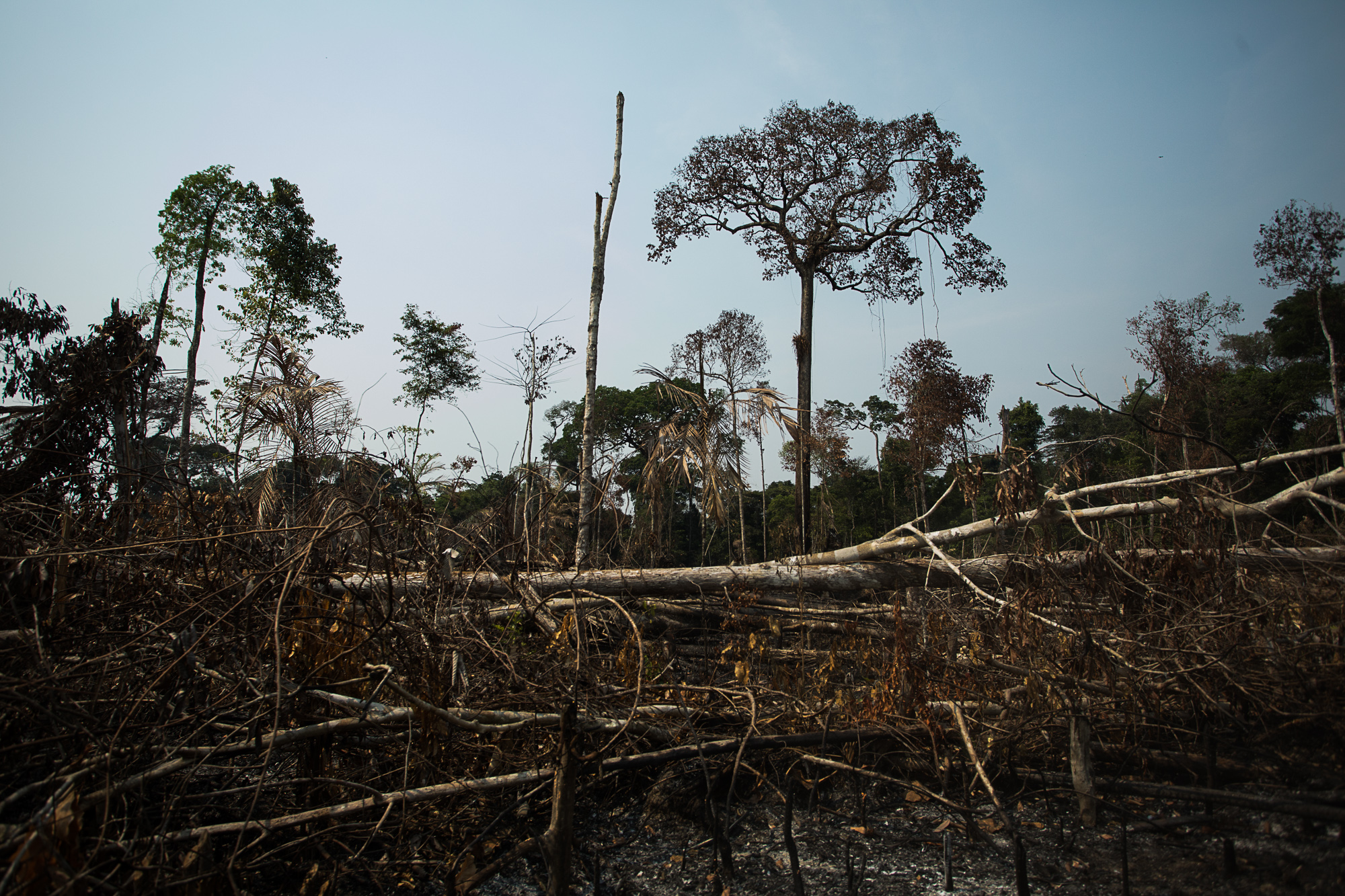
A new and alarming pattern of destruction is emerging in the rainforest, challenging Brazilian authorities ahead of COP30. After plunging in 2023 and 2024, deforestation in the Amazon surged 92% in May and is up 27% in 2025, half of it in recently burned land — an all-time high. By Lucas Berti #News #Conservation #Environment #Deforestation #Forests #Brazil
🕵️‍♀️ What if your next story could help expose corruption, protect ecosystems, and hold the powerful accountable? 🌍 Mongabay is hiring an Investigative Researcher and Reporter to join our global newsroom. We’re looking for a journalist who thrives on uncovering hidden truths — someone who’s ready to dive deep into the forces behind environmental destruction and bring untold stories to light. #News #Conservation #EnvironmentalJournalism #JournalismOpportunities image
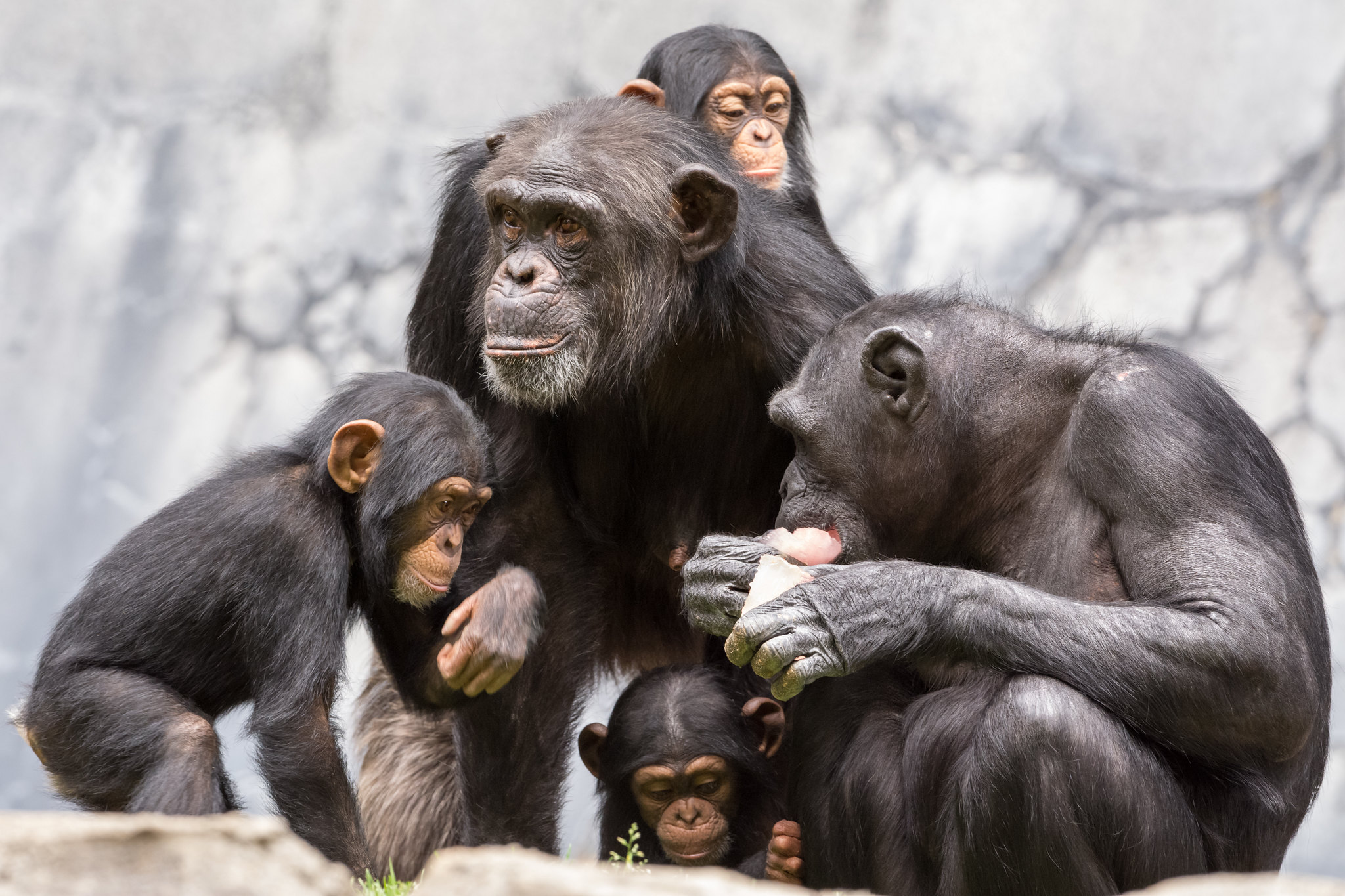
The more we try to understand chimpanzees, one of our closest relatives, the more we find ourselves humbled by the richness and complexity of their lives — and of their intelligence. Today, on World Chimpanzee Day, we look back at some of the latest studies that reveal facets of these great apes’ long, powerful memories. By Shreya Dasgupta #News #Conservation #Environment #Wildlife #Chimpanzees #WorldChimpanzeeDay
For over 30 years, Mark Erdmann has combined scientific discovery with grassroots conservation in Indonesia, helping communities protect their reefs from destructive practices and documenting more than 220 new species. As a leader behind Raja Ampat’s pioneering community-governed marine protected areas, Erdmann has shown how local stewardship can revive ecosystems—bringing back sharks, rays, and sustainable tourism. By Rhett Butler #News #Environment #Sharks #Wildlife
A zoo in the U.S. state of Kansas has welcomed the birth of a healthy baby pygmy hippopotamus, raising hope for a species that’s becoming rare in the wild. The yet-to-be-named male pygmy hippo calf, born June 26, is the fifth offspring of parents Pluto and Posie since their arrival at Tanganyika Wildlife Park in the city of Goddard from different zoos in 2014. By Shreya Dasgupta #News #Conservation #Environment #Wildlife
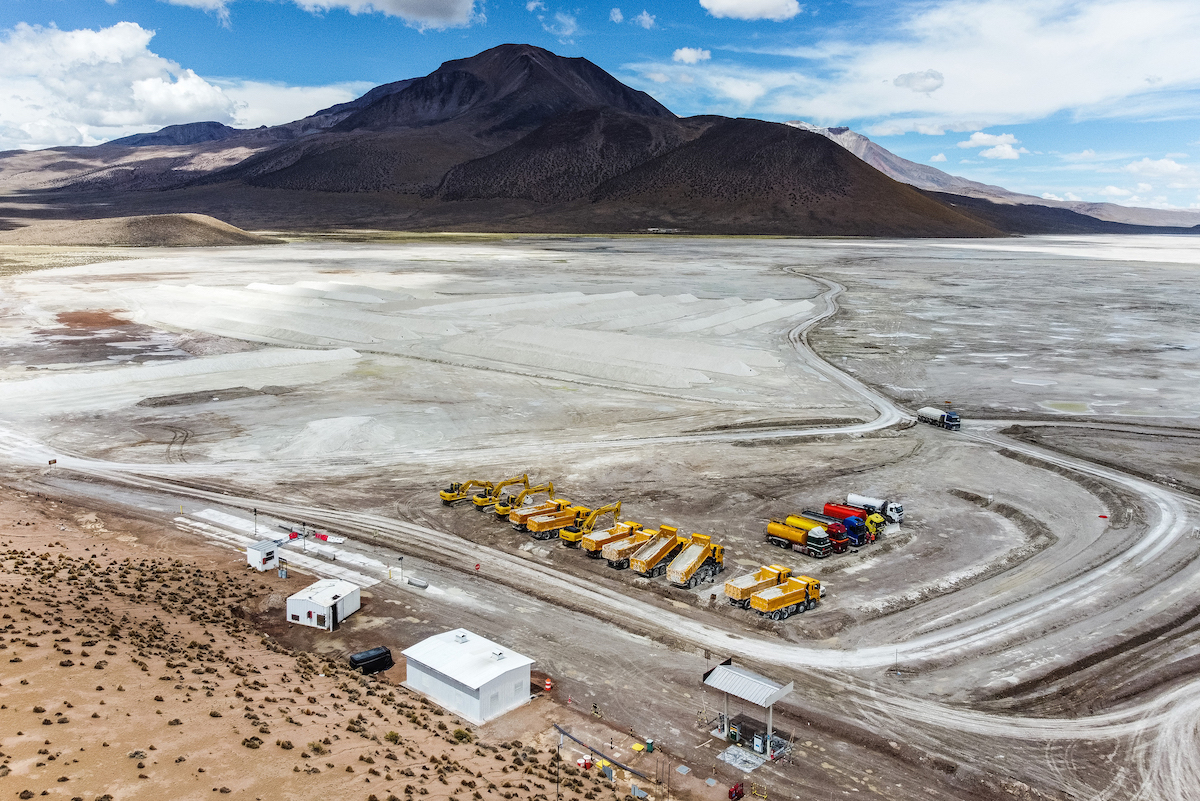
In March 2024, Mongabay Latam and Ciper published a joint investigation into how a boric acid mining company that operated within protected zones of the Surire Salt Flat was being managed by Chile’s Environmental Superintendency. Following the report’s publication, Chilean authorities — including the Environmental Superintendency, the Ministry of the Environment, and the National Geology and Mining Service — undertook site inspections and initiated formal proceedings.
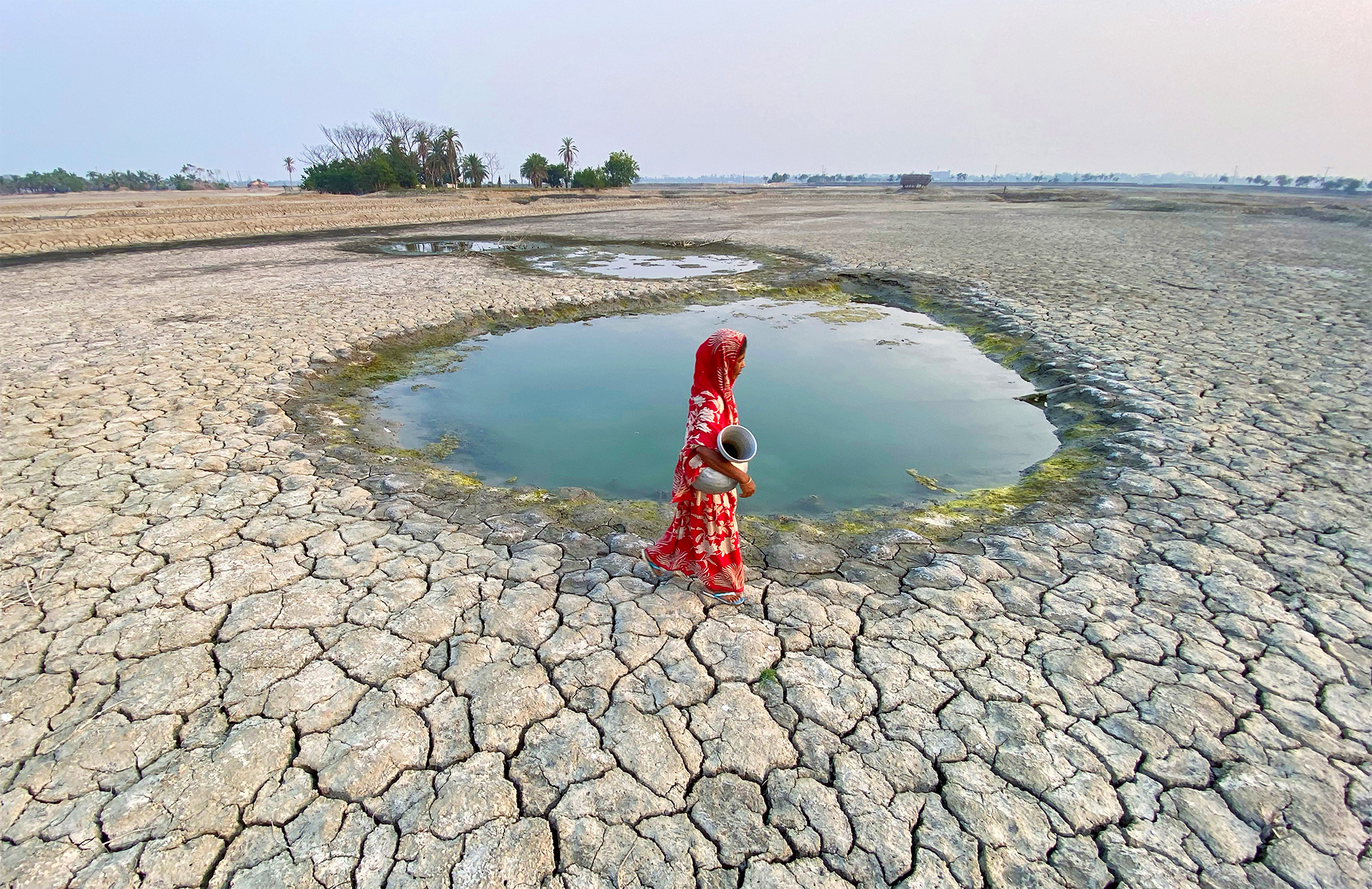
A new report documents some of the most widespread and damaging droughts in recorded history, between 2023 and 2025, affecting millions across Africa, the Mediterranean, Latin America and Southeast Asia. More than 90 million people across Eastern and Southern Africa face acute food insecurity or need food assistance, while women and children bear disproportionate burdens. By Liz Kimbrough #News #Environment #Conservation #ClimateChange #Drought