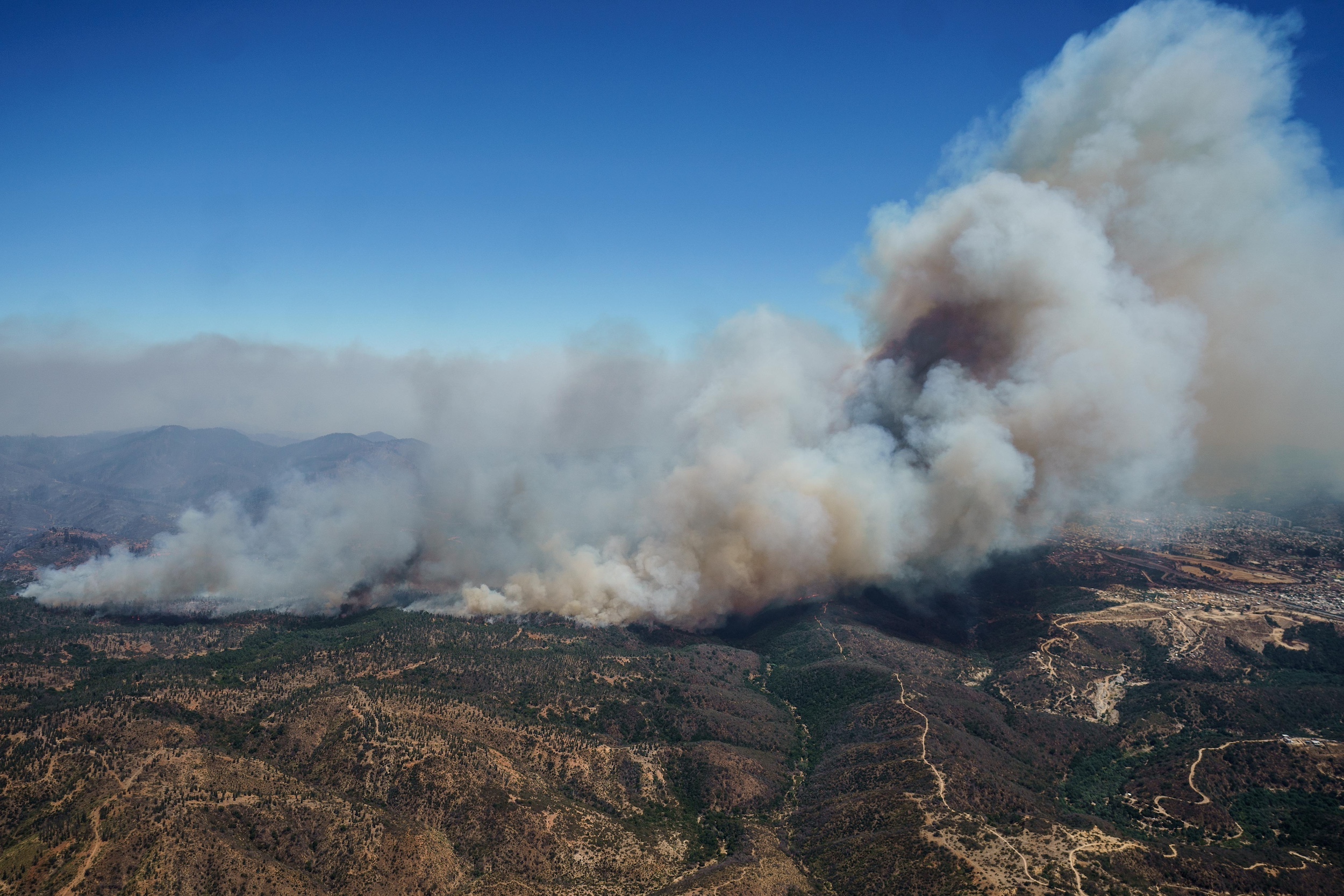
Record-breaking forest loss in 2024: Tropical primary rainforest loss surged to 6.7 million hectares—nearly double the previous year—driven primarily by fire for the first time on record. Latin America bore the brunt: Brazil accounted for 42% of global tropical forest loss, while Bolivia saw a staggering 200% increase; Colombia experienced rising deforestation linked to land grabs and coca cultivation. By Rhett Butler #News #Conservation #Environment #Rainforest
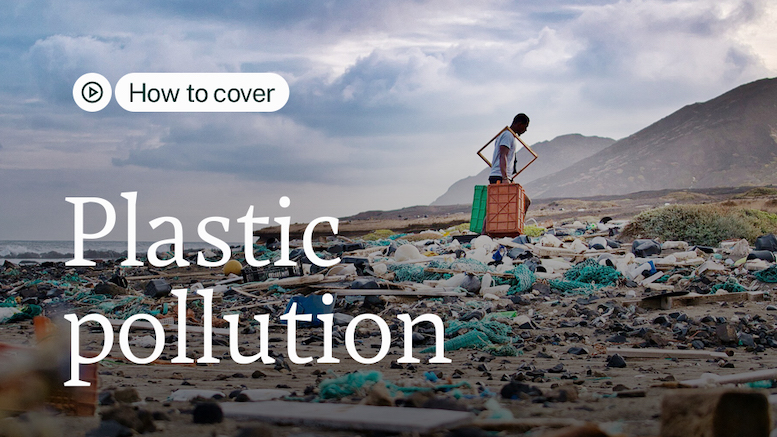
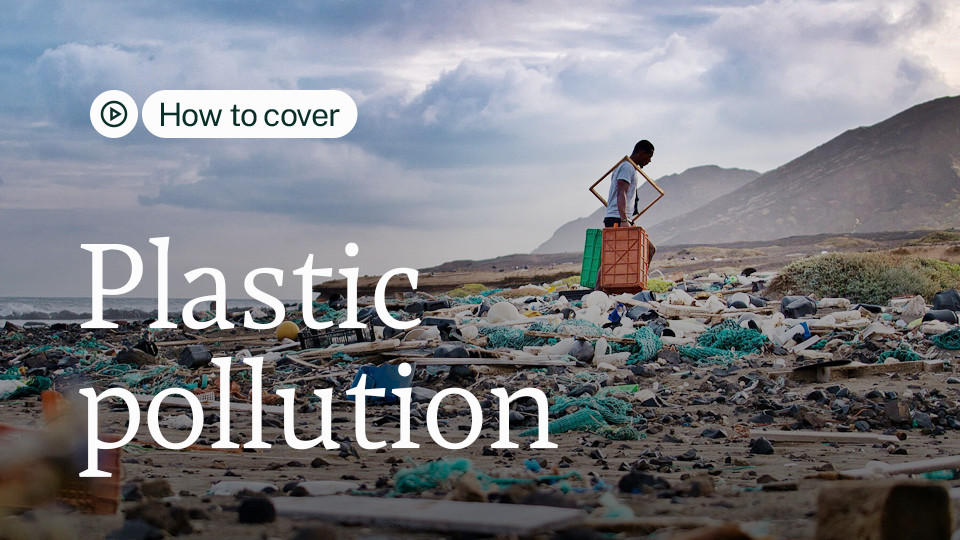
Plastic pollution is more than just an environmental issue—it's a global human health crisis. Join Mongabay's webinar on June 24, 2025, at 12:00 pm UTC to learn how to report on plastics from top science, civil society, and journalism experts. Live on YouTube and LinkedIn. Register now: #News #Conservation #Environment #Journalism #Webinar #EnvironmentalJournalism #JournalismOpportunities image
The governments of the Solomon Islands and Vanuatu have announced their commitment to create a massive multinational Melanesian Ocean Reserve. If implemented as envisioned, the reserve would become the world’s first Indigenous-led ocean reserve, covering an area nearly as big as the Amazon Rainforest. By Shreya Dasgupta #News #Conservation #Environment #IndigenousPeoples #Oceans
This two-part Mongabay mini-series examines the current status of the climate emergency; how world leaders, scientists and the global community are responding; and what may lie ahead as the world warms beyond the crucial 1.5° Celsius (2.7° Fahrenheit) limit established in the Paris Agreement 10 years ago. By Claire Asher #News #Conservation #Environment #ClimateChange
Governments across Southeast Asia are looking at carbon capture and sequestration (CCS) as a way to meet climate targets. Projects have been proposed in Malaysia, Indonesia and Thailand, with Japanese companies involved in all three countries. Critics say CCS costs too much to be commercially viable, underperforms at capturing carbon, and serves as a diversion from actually reducing emissions. By Nithin Coca #News #Conservation #Environment #Carbon #ClimateChange
Construction has begun on a Qatari-backed project to build 37 luxury villas on Assomption Island, the gateway to Aldabra Atoll, a UNESCO World Heritage Site in Seychelles that is home to one of the last remaining populations of giant tortoises. The resort threatens the entire cluster of islands and atolls (known collectively as the Aldabra Group), according to activists, who cite the risk of invasive species. By Malavika Vyawahare #News #Conservation #Environment
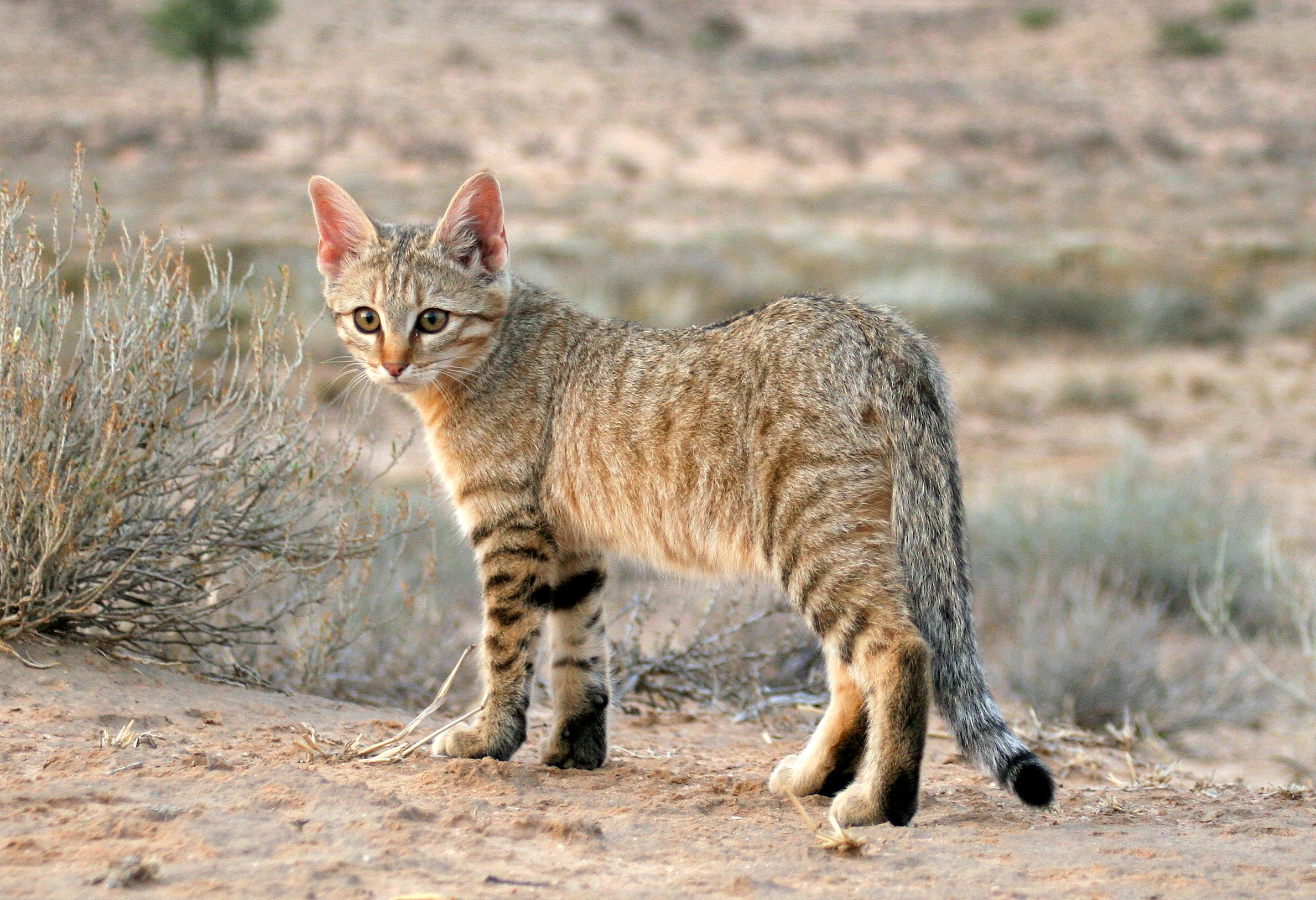
The Afro-Asiatic wildcat (Felis lybica) is the world’s most widely distributed small wildcat, but it’s also one of the least studied. The cat’s conservation status is listed as “of least concern” by the IUCN. But due to a lack of data, population trends are unknown, and the species, or subspecies, could vanish before humanity realizes it. By Petro Kotzé #News #Conservation #Environment #Wildlife #Cats
A new analysis of more than 70,000 wild animal species reveals that climate change is now the third-greatest threat to the planet’s wildlife, following overexploitation and habitat degradation. The study found that nearly 5% of the assessed species are threatened by climate change, with ocean invertebrates being particularly vulnerable to climate change-related threats, such as extreme temperatures, floods, droughts, storms and ocean acidification. By Spoorthy Raman
Agricultural expansion in Brazil’s Pará and Mato Grosso states has destroyed 27 million hectares of jaguar habitat with 5 million hectares cleared between 2014 and 2023, most of it illegally. A report by Global Witness links some of this deforestation to indirect suppliers of JBS, the world’s largest meatpacker, which has failed to fully uphold its pledge to eliminate illegal deforestation from its supply chain by 2025. By Constance Malleret #News #Deforestation
A new dataset and analysis released by World Resources Institute finds global tropical forest loss jumped to a record high in 2024, with 6.7 million hectares worldwide. In total, the area of forest lost in 2024 is nearly the size of Panama. For the first time, fire, not agriculture, was the primary driver of primary tropical forest loss, with Latin America badly hit. By Ruth Kamnitzer #News #Conservation #Environment #LatinAmerica #Forests