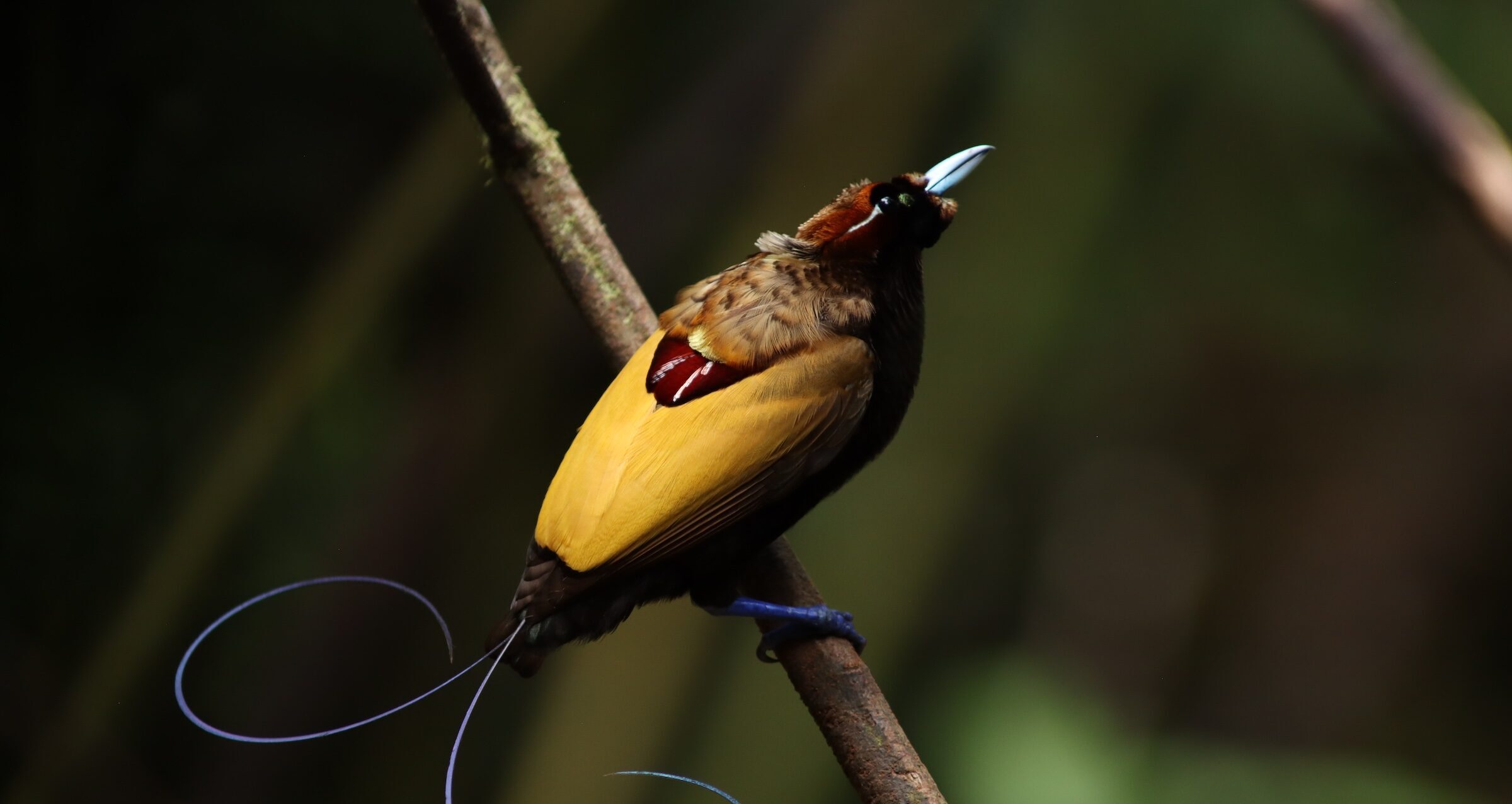
Located at the edge of the western Pacific Ocean, New Guinea is a vast island where the biota of Asia and Australasia meet, making it a melting pot of unique plants and animals that occur nowhere else on the planet. Development pressure is ramping up across the island, however, opening up landscapes to new roads, industrial logging and agricultural conglomerates pushing biofuel agendas. By Carolyn Cowan #News #Conservation #Environment #Wildlife #Deforestation
A Hindu religious sect tried to enter Ecuador, Paraguay and Bolivia by lying to authorities and Indigenous leaders. The self-proclaimed nation, the United States of Kailasa, operates from different parts of the world and offered high sums of money to Indigenous leaders in exchange for lands to exploit or conserve for carbon credit projects, say legal experts. By Iván Paredes Tamayo #News #Conservation #Environment #IndigenousPeoples
Five of the six nonhuman primate species found in the Indonesia’s Mentawai Islands have traditionally been hunted; traditional beliefs forbid killing the sixth, Kloss’s gibbon, or bilou. With widespread deforestation and the erosion of traditional practices that governed hunting behavior, all of the islands’ primates are now endangered or critically endangered. By Ana Norman Bermúdez #News #Conservation #Environment #IndigenousPeoples #Primates
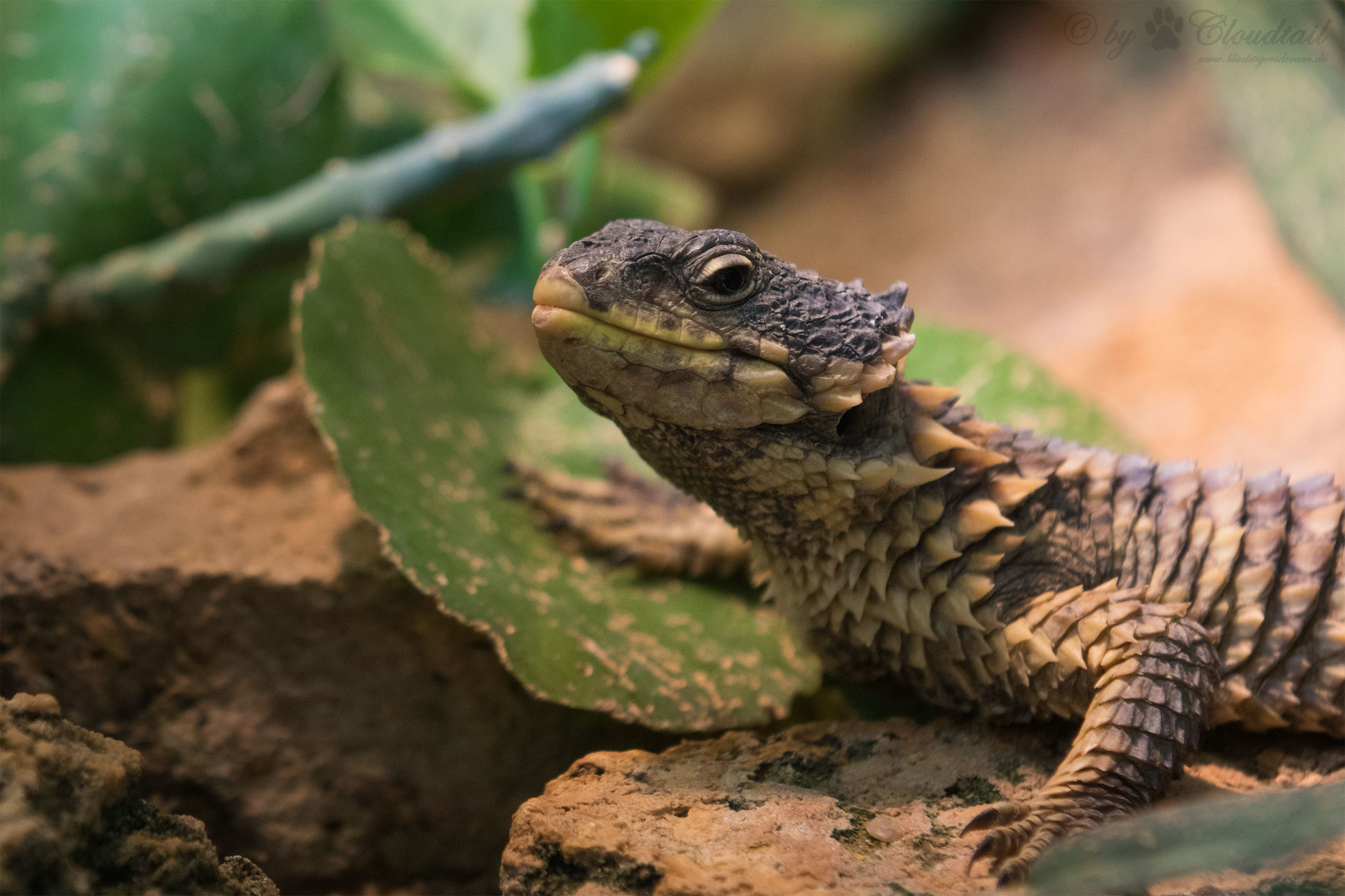
South Africa’s native reptiles and amphibians, including threatened species, are being illegally captured and exported for the global pet trade. A recent study found that eight of the 10 most-exported reptiles from South Africa are native species, most of which are not protected by CITES, the global wildlife trade convention. By Ryan Truscott #News #Conservation #Environment #Reptiles #WildlifeTrade #Wildlife
In October 2023, Mongabay traveled to Uganda’s Queen Elizabeth National Park as part of a reporting series on protected areas in East Africa. While there, we heard allegations that Uganda Wildlife Authority rangers have carried out extrajudicial killings of suspected bushmeat poachers inside the park. How do history, human rights, and biodiversity intersect in conservation in East Africa? Mongabay’s new series, Beyond the Safari, dives deep:
In recent decades a growing number of lawsuits have been launched to hold fossil fuel companies financially liable for the climate harm caused by the greenhouse gas emissions their products produce. But those efforts often come up against challenging legal arguments made by the companies saying that their actions and emissions cannot be scientifically linked to specific climate change-driven extreme weather events. By Justin Catanoso #News #Environment #ClimateChange
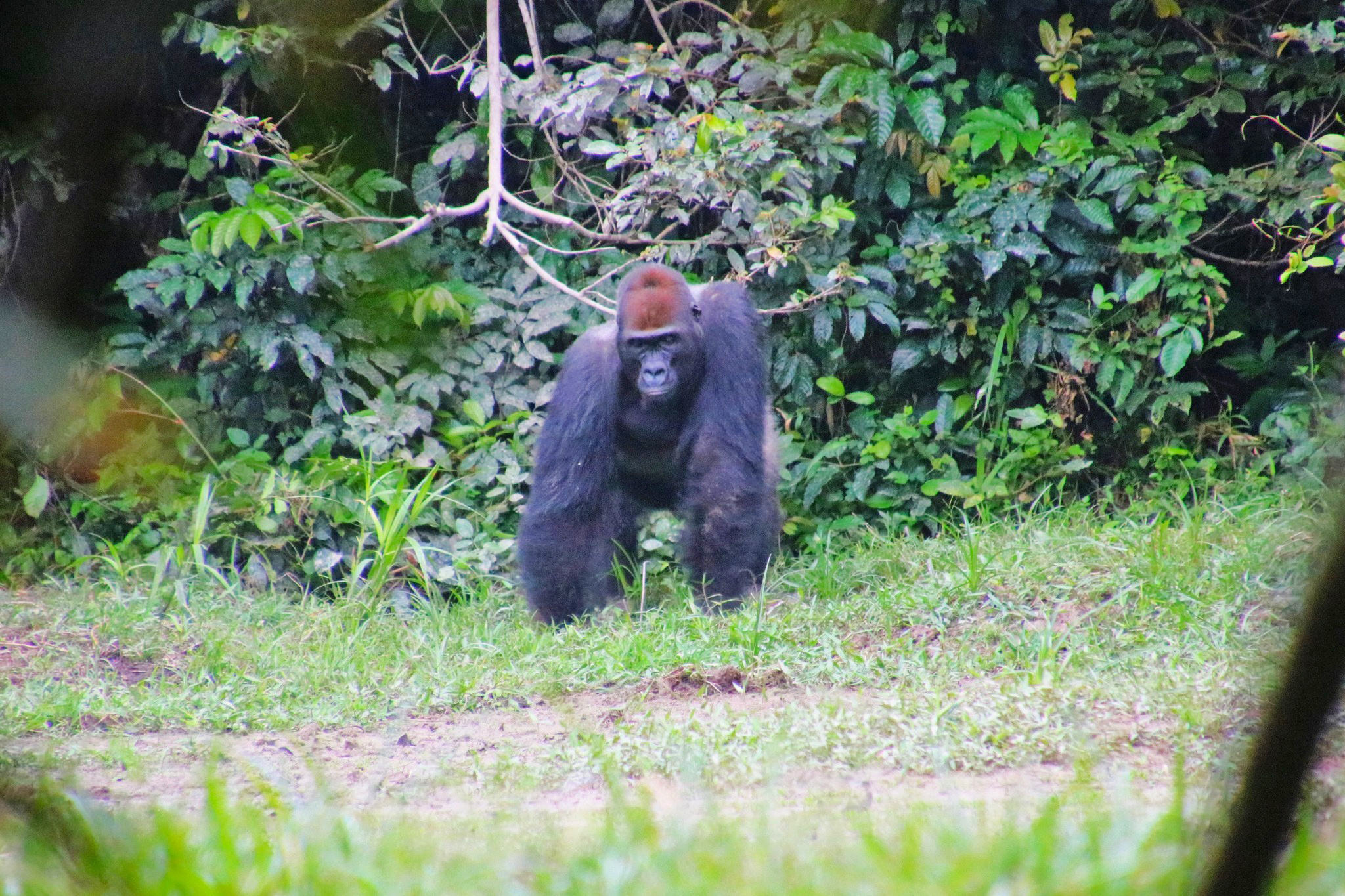
Many forest reserves in southern Cameroon, despite being highly degraded and fragmented, harbor significant biodiversity. A recent study using camera traps in two such forest reserves captured the first evidence of great apes — a gorilla and several chimpanzees — foraging in and navigating the mosaic of fragmented landscapes. By Spoorthy Raman #News #Conservation #Environment #Wildlife #Apes #Animals #Cameroon
Illegal gold miners are now operating very close to the second-tallest tree in the Amazon Rainforest, Mongabay’s Fernanda Wenzel reported in April. Six giant trees, including a red angelim that stands 85 meters tall, are found inside the Iratapuru River Sustainable Development Reserve in Brazil’s Amapá state. Despite the area’s protected status, gold miners are illegally operating just a kilometer away, the Amapá state public ministry reported.
The Metals Company (TMC) has submitted its first application to commercially exploit seabed minerals in international waters, along with applications for two exploration licenses, under the U.S. regulatory authority. The contentious move follows a recent executive order from the Trump administration that directed the U.S. government to fast-track deep-sea mining in an effort to secure supplies of critical minerals for the U.S. By Elizabeth Alberts #News #Conservation
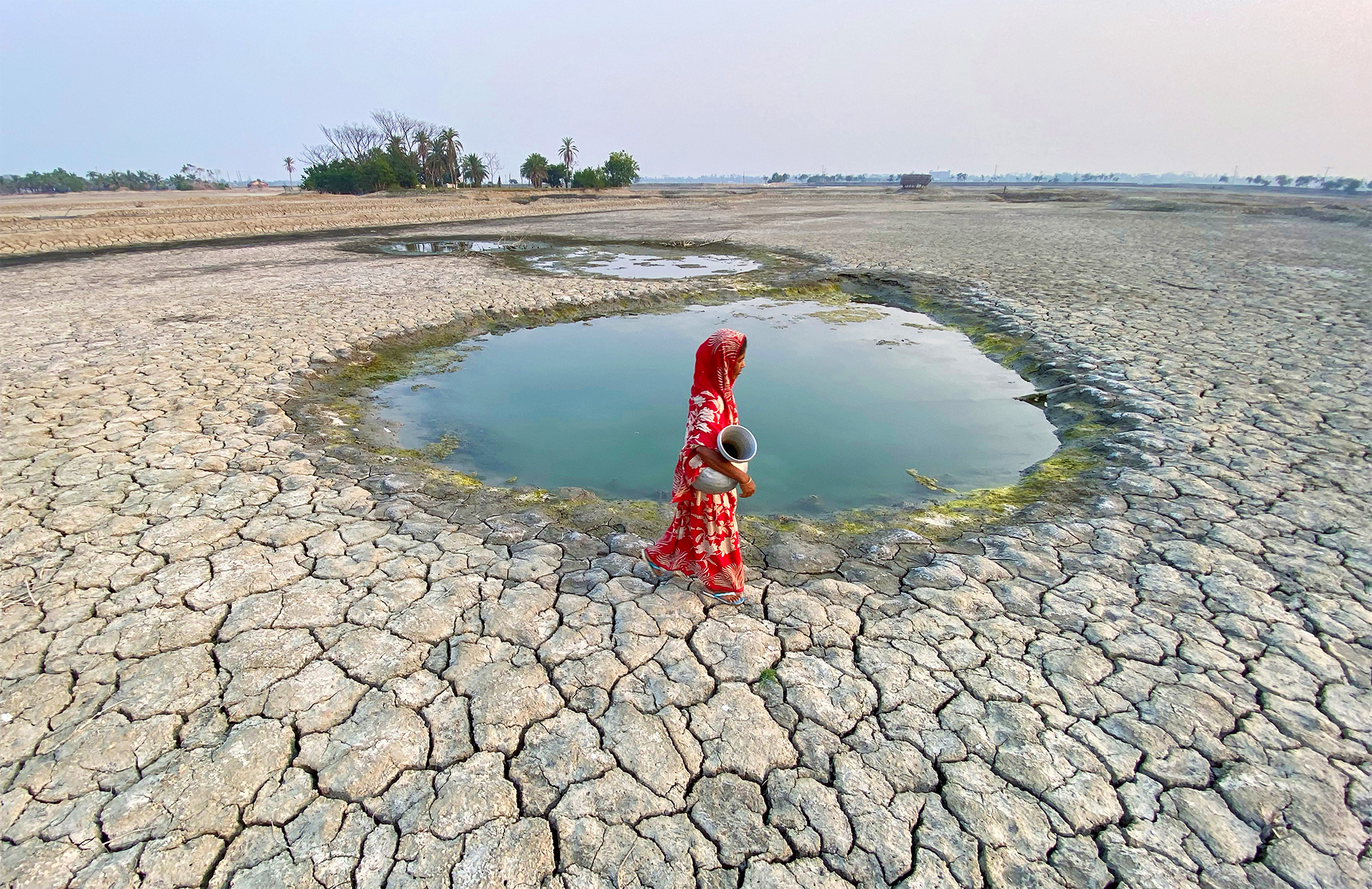
The world’s most vulnerable people, including refugees, migrants and the poor, increasingly face threats related to climate change. Many lack the ability to move away from impacts like heat, flooding and landslides. A new study reveals a lack of data showing the causes of this involuntary immobility. By John Cannon #News #Conservation #Environment #ClimateChange