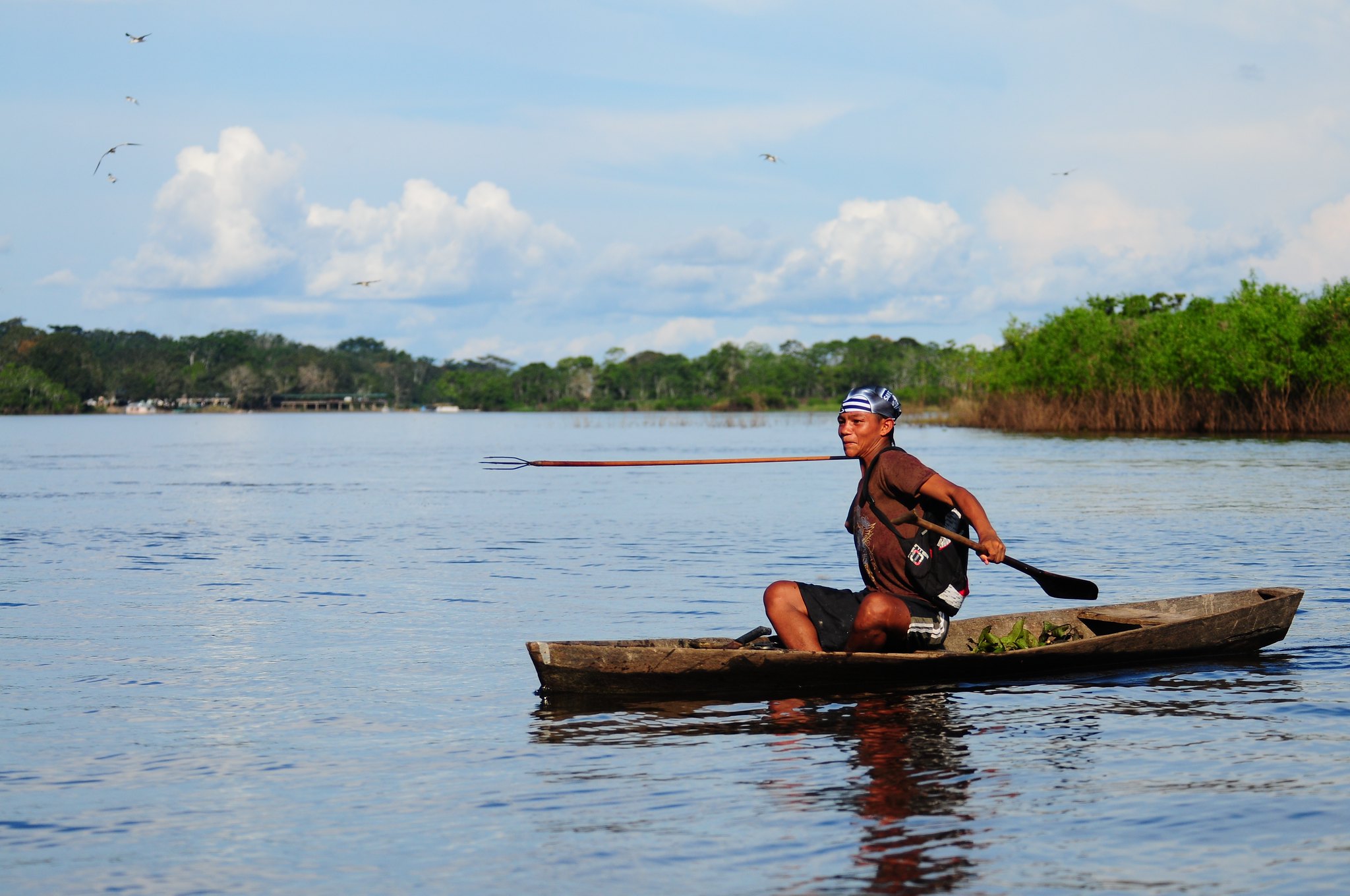
The Colombian government has issued a decree that recognizes Indigenous peoples as environmental authorities in their territories. The decree gives new powers to Indigenous peoples to protect ecosystems, manage and conserve their territories and resources, plan budgets and make decisions about land use. By Aimee Gabay #News #Conservation #Environment #IndigenousPeoples
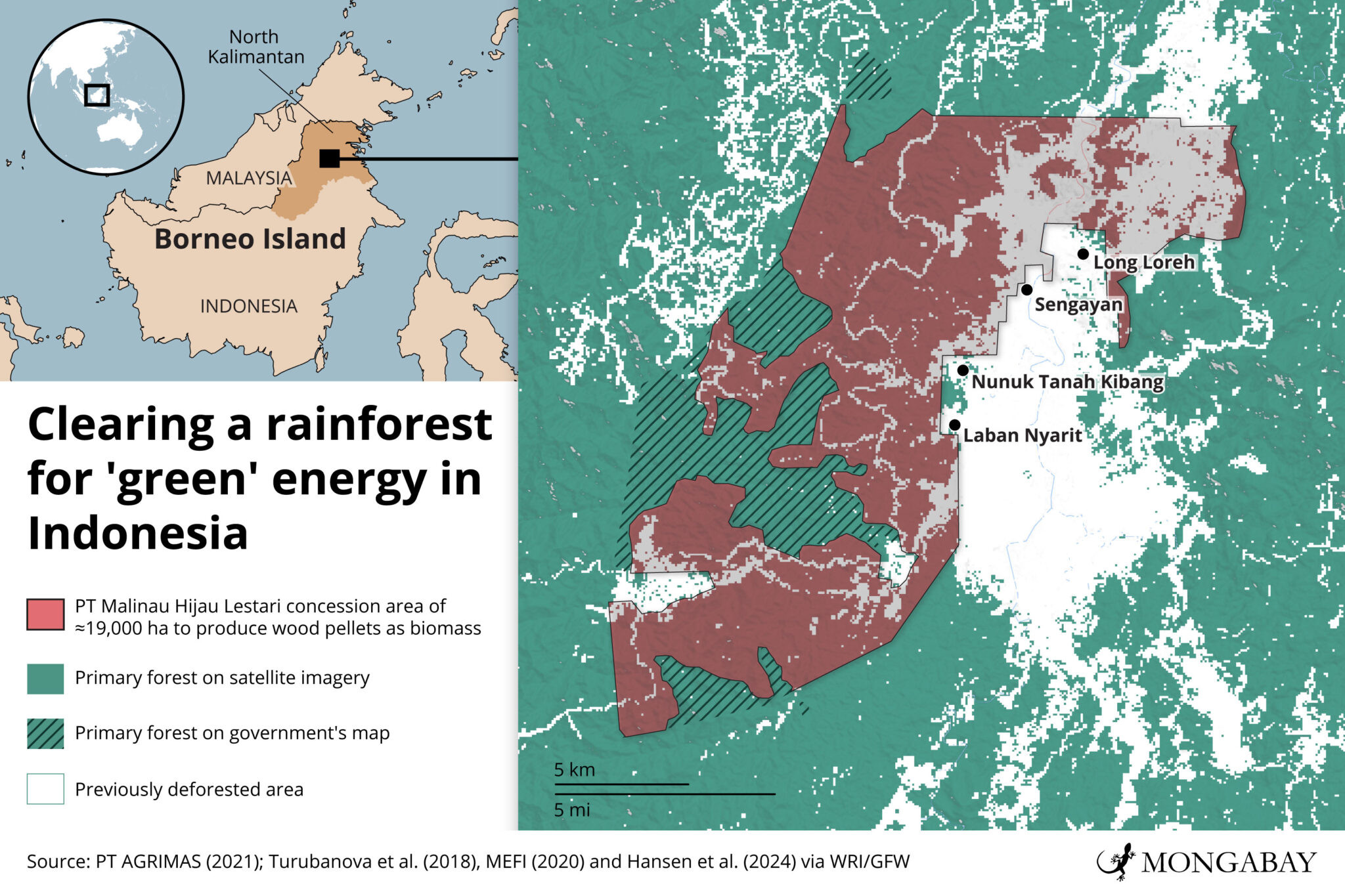
The Mongabay Data Studio bridges the divide between environmental science and action by developing impactful tools, creating insightful data journalism. Check out studio.mongabay.com to explore the studio's tools and more of Mongabay's data journalism stories like this one: Revealed: Biomass firm poised to clear Bornean rainforest for dubious ‘green’ energy #News #Conservation #Environment #DataJournalism #DataVisualization #Deforestation #Energy image
The Azores, an autonomous Portuguese archipelago, has approved legislation to create the largest marine protected area network in the North Atlantic Ocean. Spread across 287,000 square kilometers (about 110,800 square miles), the new marine protected area network covers 30% of the ocean surrounding the archipelago. Half of the MPA network is “fully protected,” while the other half is “highly protected.” By Shreya Dasgupta #News #Conservation #Environment #Oceans
In Jakarta’s coastal fishing communities, child marriage rates are on the rise as families struggle with economic hardships. Siti and Azizah, two sisters married as teens, reflect a growing trend where parents view early marriage as a way to ease financial burdens amidst declining fish stocks and rising costs of living. #News #Conservation #Environment #Fisheries
Climate policies like REDD+ often fail to prioritize Indigenous peoples, undermining their effectiveness in tackling the root causes of deforestation and climate change, according to a recent study. The authors propose 12 principles to improve climate policies, based on themes such as supporting Indigenous territorial defense and their rights, encouraging Indigenous-led climate initiatives, and directing climate funding to these populations. By Sarah Brown #News
A group of 225 global NGOs from more than 40 countries has issued a statement urging the European Parliament and EU governments to reject a proposal that would delay the implementation of the EU’s ambitious anti-deforestation law by a year. The collective statement, titled “Hands off the EU deforestation regulation!,” noted that the law was adopted democratically, “with a record level of public engagement and support.” #News #Conservation #Environment #EUDR #Forests
As global leaders, experts, activists and Indigenous voices meet this October in the Colombian city of Cali at the U.N. Biodiversity Conference, COP16, missteps and successes within President Gustavo Petro’s environment agenda are watched closely. COP16 occurs two years after the country’s first-ever left-wing president was sworn in, pledging to turn Colombia into “a leader in the protection of life.” By Lucas Berti #News #Conservation #Environment #cop16
Indonesia’s strategy for increasing renewable energy production could see Indigenous communities lose huge swathes of their forests to biomass plantations. Mongabay visited the planned site of one such project on the island of Borneo, where 3 villages have signed over at least 5,000 hectares of their land to a biomass company. Much of this area, locals say, is covered in rainforest that would presumably be cleared for the project. By Hans Nicholas Jong and Phil Jacobson
In Brazil, 256 Indigenous people were elected mayors, vice mayors and city councilors, the highest in the country’s history and an 8% increase compared with 236 elected in 2020. Increasing representation of Indigenous people elected in municipal ballots is a key move to ensure the fulfillment of Indigenous rights and should pave the way to increase the number of Indigenous people elected in the 2026 state and federal ballots, advocates and activists say. By Karla Mendes
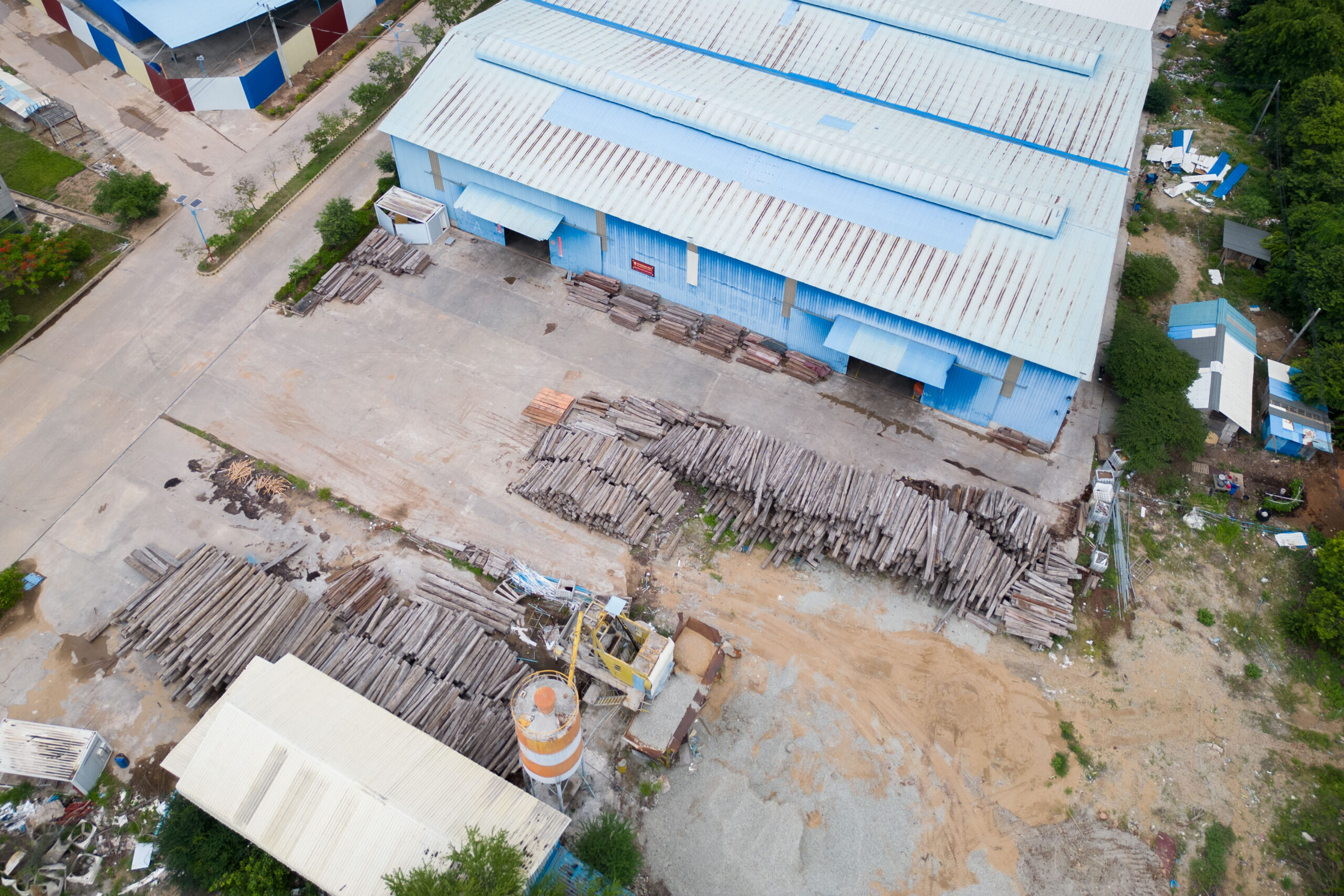
A year-long Mongabay investigation shows that one of Cambodia’s most notorious logging companies likely illegally exported rare tree species to Vietnam and China for years. We found evidence Angkor Plywood has been illegally logging timber from protected areas and violating various laws by exporting sawn logs — and doing all this with impunity, in part thanks to its well-connected founders. By Gerald Flinn #News #Conservation #Environment #Deforestation #Logging