
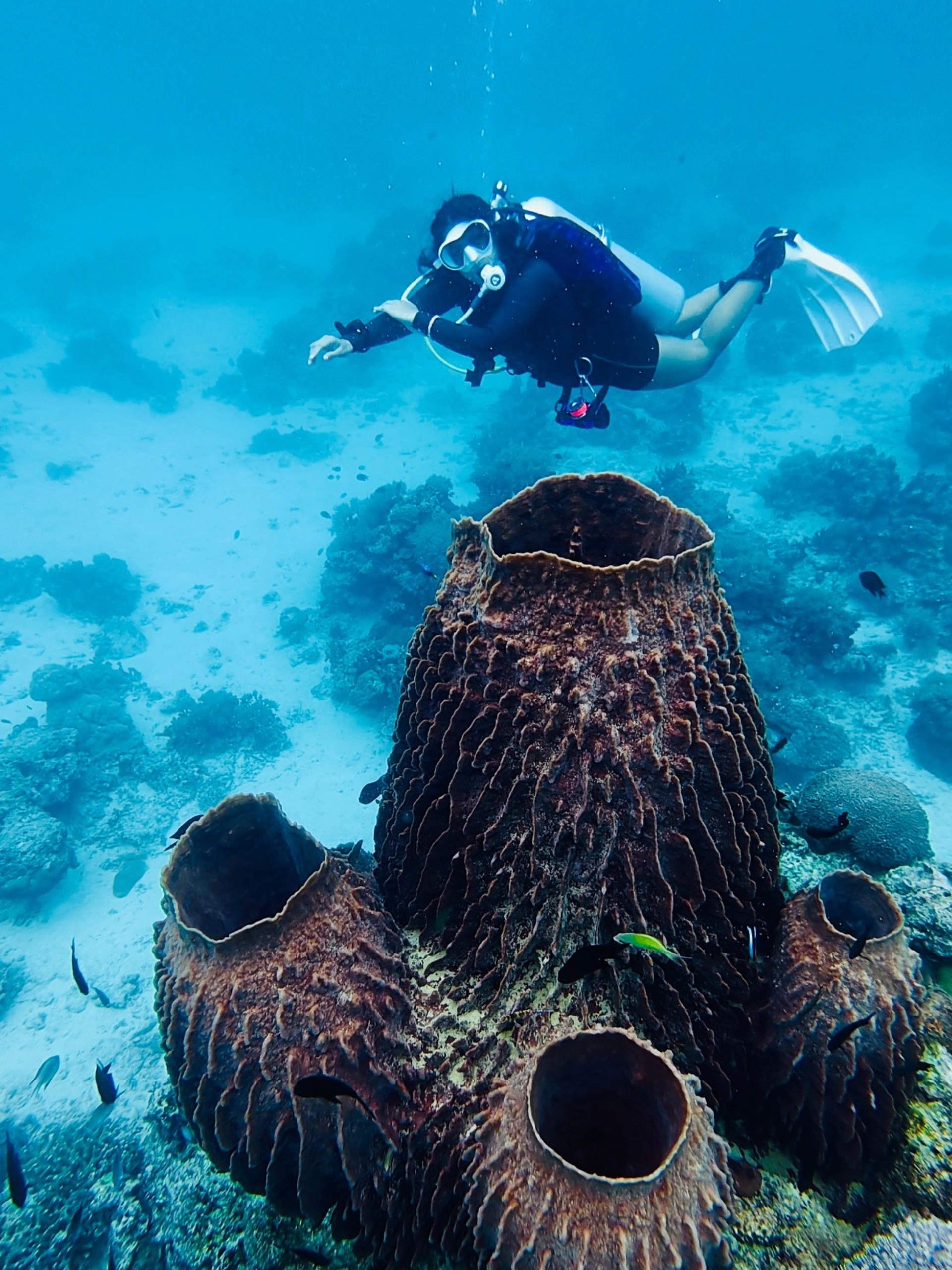
🌊 SURF 'N TURF 🏝️
-THE BORACAY ISLAND LIFE-
 Franz Kafka was a man consumed by dualities—an artist trapped in a bureaucrat’s body, a son crushed beneath the weight of an overbearing father, a lover forever estranged from intimacy.
Born in Prague in 1883, Kafka lived at the crossroads of fading empires and emerging modernity, a world teetering between ancient traditions and the cold, impersonal machinery of industrialization. By day, he toiled in an insurance office, navigating labyrinthine regulations, but by night, he poured his soul into writing—shaping the despair, alienation, and absurdity of his existence into haunting literary forms. It was during one of his darkest periods, suffocating under the weight of his father’s disapproval and his own self-loathing, that Kafka wrote The Trial.
The novel, left unfinished at his death in 1924, is a bleak allegory of power, guilt, and humanity’s futile struggle against incomprehensible authority.
The story begins with an arrest. Josef K., an unremarkable man in an unnamed city, is detained one morning without explanation. What follows is a nightmarish descent into a world of faceless judges, opaque accusations, and endless corridors of shifting rules. K. learns nothing of his crime, only that he must defend himself in a system that offers no clarity, no justice, and no escape.
Kafka’s world mirrors the bureaucratic sprawl of early 20th-century Europe, where the individual was increasingly dwarfed by the machine of the state. Written during the rise of totalitarianism and the slow erosion of personal freedoms, The Trial captured the growing fear that modern life was stripping humanity of its dignity and autonomy.
“It’s only because of their stupidity that they’re able to be so sure of themselves,” one character sneers, encapsulating the grim satire of Kafka’s vision. In the novel’s harrowing climax, Josef K. is led to his execution, bewildered and defeated, and stabbed “like a dog.” Kafka himself died at the age of 40, his genius unrecognized, but The Trial remains a timeless indictment of the dehumanizing forces that continue to shadow us—a work as unsettling and enigmatic as the man who created it.
"Pure signal, no noise"
Credits Goes to the respective
Author ✍️/ Photographer📸
🐇 🕳️
Franz Kafka was a man consumed by dualities—an artist trapped in a bureaucrat’s body, a son crushed beneath the weight of an overbearing father, a lover forever estranged from intimacy.
Born in Prague in 1883, Kafka lived at the crossroads of fading empires and emerging modernity, a world teetering between ancient traditions and the cold, impersonal machinery of industrialization. By day, he toiled in an insurance office, navigating labyrinthine regulations, but by night, he poured his soul into writing—shaping the despair, alienation, and absurdity of his existence into haunting literary forms. It was during one of his darkest periods, suffocating under the weight of his father’s disapproval and his own self-loathing, that Kafka wrote The Trial.
The novel, left unfinished at his death in 1924, is a bleak allegory of power, guilt, and humanity’s futile struggle against incomprehensible authority.
The story begins with an arrest. Josef K., an unremarkable man in an unnamed city, is detained one morning without explanation. What follows is a nightmarish descent into a world of faceless judges, opaque accusations, and endless corridors of shifting rules. K. learns nothing of his crime, only that he must defend himself in a system that offers no clarity, no justice, and no escape.
Kafka’s world mirrors the bureaucratic sprawl of early 20th-century Europe, where the individual was increasingly dwarfed by the machine of the state. Written during the rise of totalitarianism and the slow erosion of personal freedoms, The Trial captured the growing fear that modern life was stripping humanity of its dignity and autonomy.
“It’s only because of their stupidity that they’re able to be so sure of themselves,” one character sneers, encapsulating the grim satire of Kafka’s vision. In the novel’s harrowing climax, Josef K. is led to his execution, bewildered and defeated, and stabbed “like a dog.” Kafka himself died at the age of 40, his genius unrecognized, but The Trial remains a timeless indictment of the dehumanizing forces that continue to shadow us—a work as unsettling and enigmatic as the man who created it.
"Pure signal, no noise"
Credits Goes to the respective
Author ✍️/ Photographer📸
🐇 🕳️
Franz Kafka was a man consumed by dualities—an artist trapped in a bureaucrat’s body, a son crushed beneath the weight of an overbearing father, a lover forever estranged from intimacy.
Born in Prague in 1883, Kafka lived at the crossroads of fading empires and emerging modernity, a world teetering between ancient traditions and the cold, impersonal machinery of industrialization. By day, he toiled in an insurance office, navigating labyrinthine regulations, but by night, he poured his soul into writing—shaping the despair, alienation, and absurdity of his existence into haunting literary forms. It was during one of his darkest periods, suffocating under the weight of his father’s disapproval and his own self-loathing, that Kafka wrote The Trial.
The novel, left unfinished at his death in 1924, is a bleak allegory of power, guilt, and humanity’s futile struggle against incomprehensible authority.
The story begins with an arrest. Josef K., an unremarkable man in an unnamed city, is detained one morning without explanation. What follows is a nightmarish descent into a world of faceless judges, opaque accusations, and endless corridors of shifting rules. K. learns nothing of his crime, only that he must defend himself in a system that offers no clarity, no justice, and no escape.
Kafka’s world mirrors the bureaucratic sprawl of early 20th-century Europe, where the individual was increasingly dwarfed by the machine of the state. Written during the rise of totalitarianism and the slow erosion of personal freedoms, The Trial captured the growing fear that modern life was stripping humanity of its dignity and autonomy.
“It’s only because of their stupidity that they’re able to be so sure of themselves,” one character sneers, encapsulating the grim satire of Kafka’s vision. In the novel’s harrowing climax, Josef K. is led to his execution, bewildered and defeated, and stabbed “like a dog.” Kafka himself died at the age of 40, his genius unrecognized, but The Trial remains a timeless indictment of the dehumanizing forces that continue to shadow us—a work as unsettling and enigmatic as the man who created it.
"Pure signal, no noise"
Credits Goes to the respective
Author ✍️/ Photographer📸
🐇 🕳️ 1995 Lamborghini Diablo SE30 Jota.


 On this day in 1974, The Rolling Stones LP “It's Only Rock 'n Roll” re-entered the UK Albums Chart at #39 (December 21)
The album re-entered the charts after peaking at #2 the previous month (November 9), and dropping out of the charts the previous week (December 14).
It was the last Rolling Stones album to feature guitarist Mick Taylor.
Taylor allegedly made songwriting contributions to this one, (as he claimed with the previous album “Goats Head Soup”), but on the album jacket, all original songs were credited to Jagger/Richards.
Taylor said in 1997:
"I did have a falling out with Mick Jagger over some songs I felt I should have been credited with co-writing on It's Only Rock 'n Roll.
We were quite close friends and co-operated quite closely on getting that album made.
By that time Mick and Keith weren't really working together as a team so I'd spend a lot of time in the studio."
Jagger grudgingly admitted in a 1995 Rolling Stone interview about "Time Waits for No One" that Taylor "maybe threw in a couple of chords".
Belgian painter Guy Peellaert did the cover art, and also did the cover for Bowie’s “Diamond Dogs” the same year.
“It's Only Rock 'n Roll” marked the Stones' first effort in the producer's chair since “Their Satanic Majesties Request” in 1967, and the first for Jagger and Richards under their pseudonym "The Glimmer Twins".
Ronnie Wood, a long-time acquaintance of the band, began to get closer to the Rolling Stones during the recording sessions after he invited Mick Taylor to play on his debut solo album, “I've Got My Own Album to Do”.
Wood eventually became Taylor’s replacement in the Stones.
The title track, which went on to become a staple of the band’s live set list, was recorded separately from the rest of the album.
The basic rhythm track had been laid down by members of the Faces, including Wood and drummer Kenney Jones, during a jam session with Jagger, David Bowie, and bassist Willie Weeks.
Jagger liked the song so much that he brought the basic track to Richards, who added some guitar overdubs, and after some polishing, it was put on the album as-is.
Taylor, Charlie Watts and Bill Wyman are all featured miming playing the song in sailor suits in the video, but didn’t play on the actual recording!
On the charts, the album went all the way to #1 in the US, #2 in the UK, #3 in Norway and Sweden, #5 in Canada and the Netherlands, #6 in Austria and Italy, #7 in Australia, #9 in Finland, #12 in Germany, and #29 in Japan.
#rollingstones, #therollingstones, #micktaylor, #mickjagger, #keithrichards, #charliewatts, #itsonlyrockandroll, #classicalbum, #70srock, #70smusic, #rockmusic, #thisdayinrock, #dailyrockhistory, #thisdayinmusic, #onthisday, #rockhistory
"Pure signal,no noise"
Credits Goes to the respective
Author ✍️/ Photographer📸
🐇 🕳️
On this day in 1974, The Rolling Stones LP “It's Only Rock 'n Roll” re-entered the UK Albums Chart at #39 (December 21)
The album re-entered the charts after peaking at #2 the previous month (November 9), and dropping out of the charts the previous week (December 14).
It was the last Rolling Stones album to feature guitarist Mick Taylor.
Taylor allegedly made songwriting contributions to this one, (as he claimed with the previous album “Goats Head Soup”), but on the album jacket, all original songs were credited to Jagger/Richards.
Taylor said in 1997:
"I did have a falling out with Mick Jagger over some songs I felt I should have been credited with co-writing on It's Only Rock 'n Roll.
We were quite close friends and co-operated quite closely on getting that album made.
By that time Mick and Keith weren't really working together as a team so I'd spend a lot of time in the studio."
Jagger grudgingly admitted in a 1995 Rolling Stone interview about "Time Waits for No One" that Taylor "maybe threw in a couple of chords".
Belgian painter Guy Peellaert did the cover art, and also did the cover for Bowie’s “Diamond Dogs” the same year.
“It's Only Rock 'n Roll” marked the Stones' first effort in the producer's chair since “Their Satanic Majesties Request” in 1967, and the first for Jagger and Richards under their pseudonym "The Glimmer Twins".
Ronnie Wood, a long-time acquaintance of the band, began to get closer to the Rolling Stones during the recording sessions after he invited Mick Taylor to play on his debut solo album, “I've Got My Own Album to Do”.
Wood eventually became Taylor’s replacement in the Stones.
The title track, which went on to become a staple of the band’s live set list, was recorded separately from the rest of the album.
The basic rhythm track had been laid down by members of the Faces, including Wood and drummer Kenney Jones, during a jam session with Jagger, David Bowie, and bassist Willie Weeks.
Jagger liked the song so much that he brought the basic track to Richards, who added some guitar overdubs, and after some polishing, it was put on the album as-is.
Taylor, Charlie Watts and Bill Wyman are all featured miming playing the song in sailor suits in the video, but didn’t play on the actual recording!
On the charts, the album went all the way to #1 in the US, #2 in the UK, #3 in Norway and Sweden, #5 in Canada and the Netherlands, #6 in Austria and Italy, #7 in Australia, #9 in Finland, #12 in Germany, and #29 in Japan.
#rollingstones, #therollingstones, #micktaylor, #mickjagger, #keithrichards, #charliewatts, #itsonlyrockandroll, #classicalbum, #70srock, #70smusic, #rockmusic, #thisdayinrock, #dailyrockhistory, #thisdayinmusic, #onthisday, #rockhistory
"Pure signal,no noise"
Credits Goes to the respective
Author ✍️/ Photographer📸
🐇 🕳️ Work by artist Johnson Tsang.




 “Whatever happens, stay alive.
Don't die before you're dead.
Don't lose yourself, don't lose hope, don't loose direction. Stay alive, with yourself, with every cell of your body, with every fiber of your skin.
Stay alive, learn, study, think, read, build, invent, create, speak, write, dream, design.
Stay alive, stay alive inside you, stay alive also outside, fill yourself with colors of the world, fill yourself with peace, fill yourself with hope.
Stay alive with joy.
There is only one thing you should not waste in life,
and that's life itself..."
~ Virginia Woolf
"Pure signal, no noise"
Credits Goes to the respective
Author ✍️/ Photographer📸
🐇 🕳️
“Whatever happens, stay alive.
Don't die before you're dead.
Don't lose yourself, don't lose hope, don't loose direction. Stay alive, with yourself, with every cell of your body, with every fiber of your skin.
Stay alive, learn, study, think, read, build, invent, create, speak, write, dream, design.
Stay alive, stay alive inside you, stay alive also outside, fill yourself with colors of the world, fill yourself with peace, fill yourself with hope.
Stay alive with joy.
There is only one thing you should not waste in life,
and that's life itself..."
~ Virginia Woolf
"Pure signal, no noise"
Credits Goes to the respective
Author ✍️/ Photographer📸
🐇 🕳️