On 8 December, politicians in the UK will be debating a petition that reached almost 3 million signatories rejecting mandatory digital ID. If you’re based in the UK, contact your MP through Big Brother Watch’s tool to oppose the plans for a digital ID system.
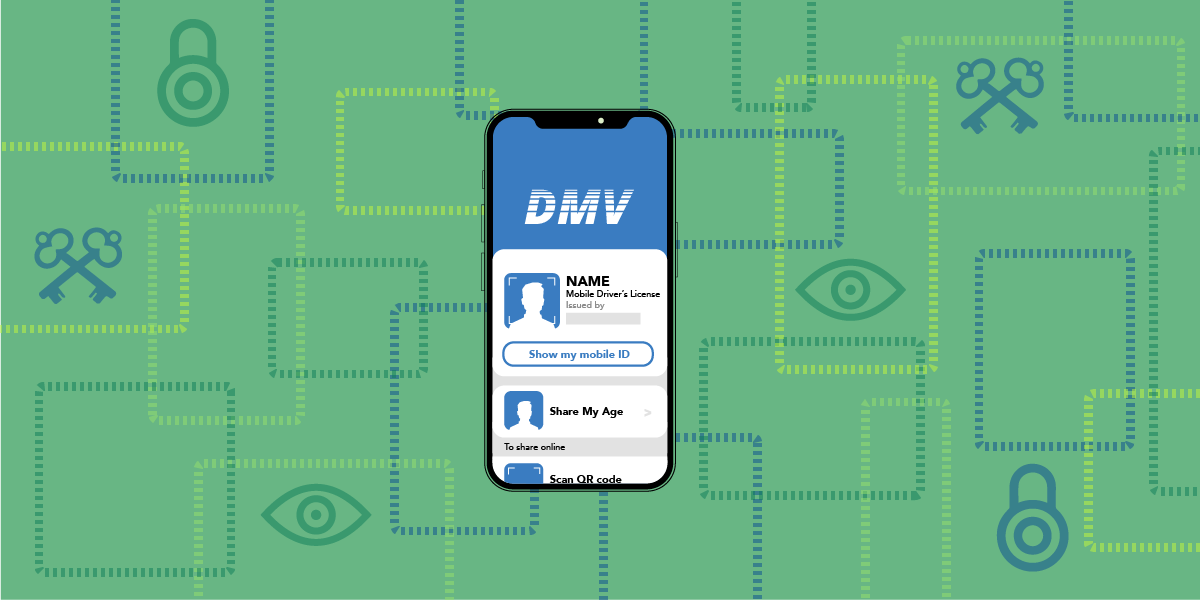
As more and more states roll out some form of mobile driver’s license, you might be asking yourself: should I use this thing?
Governments, law enforcement agencies, and even private citizens use malware to circumvent encryption and to spy on users. Knowing how it works can help you protect yourself.
Everything you do online is tracked, saved, and shared for what feels like a lifetime. But there are some steps you can take to minimize what data is out there.
Alongside armored vehicles, local police are getting surveillance technology with help from the federal government. Learn what tech law enforcement have in your area with EFF's Atlas of Surveillance, where we’ve documented thousands of examples:
Maintaining the CLETS database’s integrity is vitally important, EFF’s Dave Maass told East Bay Times. “Once you start ignoring the rules that are in place, once you start ignoring due process, ... then everything starts falling apart.”
There is no “cloud,” just someone else's computer—and when the cops come knocking on their door, these hosts need to be willing to stand up for privacy.
Attacks on VPNs are attacks on digital privacy and digital freedom. And that battle is being fought by people who clearly have no idea how any of this technology actually works.
On 8 December, politicians in the UK will be debating a petition that reached almost 3 million signatories rejecting mandatory digital ID. If you’re based in the UK, contact your MP through Big Brother Watch’s tool to oppose the plans for a digital ID system.
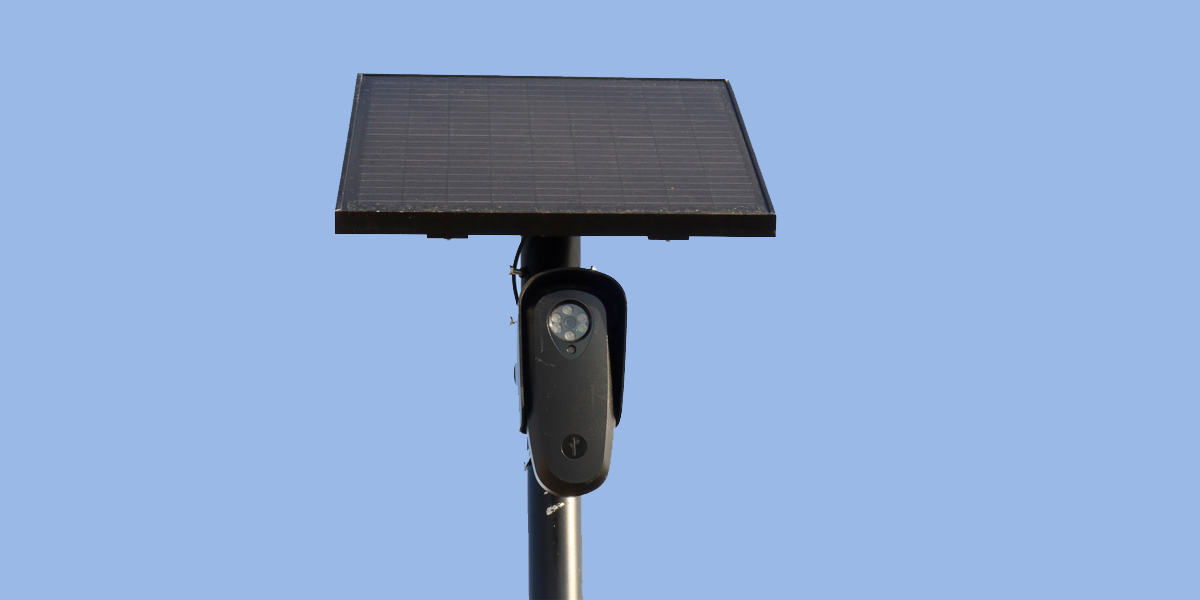
Thousands of cities allowed cops to run racists searches through their Flock Safety license plate reader databases.