The answer to how do we keep kids safe online isn't destroy everyone's privacy. It's not force people to hand over their IDs to access legal content. And it's certainly not ban access to the tools that protect journalists, activists, and abuse survivors.
The way that encrypted chat apps handle backups can be a loophole, so knowing how they work—and how those you communicate with use this feature—is very important.
Attacks on VPNs are attacks on digital privacy and digital freedom. And that battle is being fought by people who clearly have no idea how any of this technology actually works.
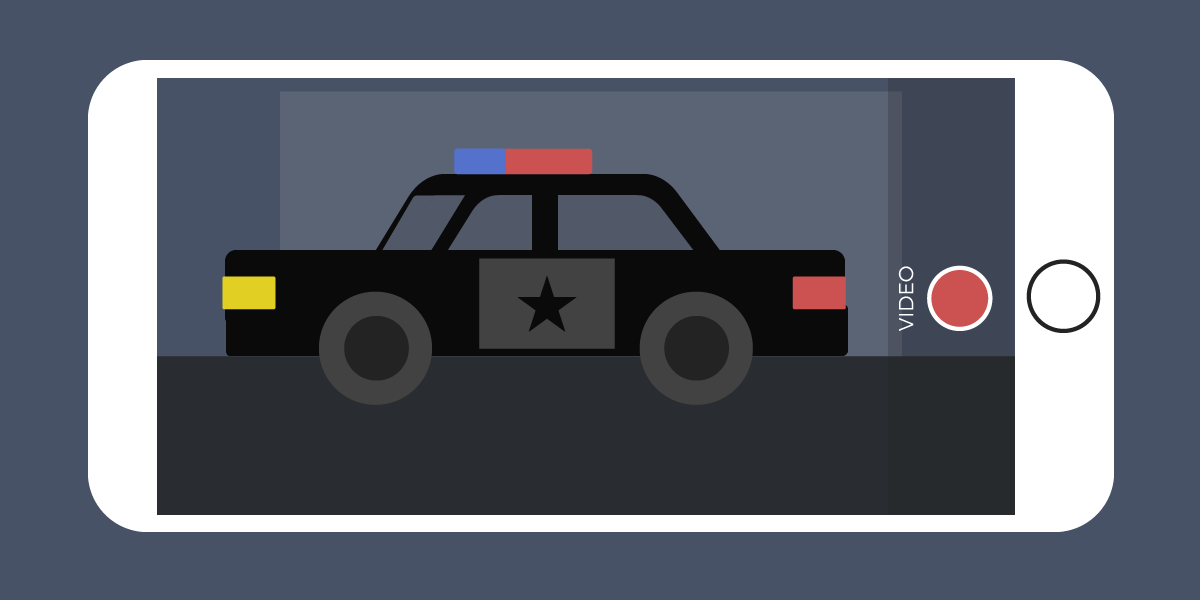
As with other law enforcement, you have a First Amendment right to film ICE.
Download Privacy Badger to block spying ads and invisible trackers.
Whether you're new to WhatsApp or a longtime user, there are a bunch of settings buried away that can help improve your security.
If lawmakers genuinely care about young people's wellbeing, they should invest in education, support parents with better tools, and address the actual root causes of harm online. What they shouldn't do is wage war on privacy itself.
Activists in more and more cities are pressuring local elected officials to rethink their automated license plate reader contracts, or at least to put more solid privacy protections and accountability in place, EFF’s Rin Alajaji told the Arizona Mirror. https://azmirror.com/2025/11/13/glendale-police-used-an-ethnic-slur-to-search-a-license-plate-surveillance-database/
A Washington state trial court has shot down local municipalities’ effort to keep ALPR data secret, making it clear that the public has a right to these records even when the government uses a third-party vendor to conduct surveillance and store personal data.
Everyone's talking about AI 🤖 But who's keeping your rights in mind as it evolves? Join us tomorrow, November 13 at 10 AM PT for a livestream on the risks of AI and how we can safeguard civil liberties online.