
Title of the work in Latin
MEDULLA S. THOMAE AQUITATIS PER OMNES ANNI LITURGICI DIES DISTRBUITA, SEU MEDITATIONES EX OPERIBUS S. THOMAE DEPROMPTAE
Compilation and organization by
FR. Z. MÉZARD O. P.
NOTE
All titles marked with an asterisk contain material that is no longer attributed to Saint Thomas Aquinas
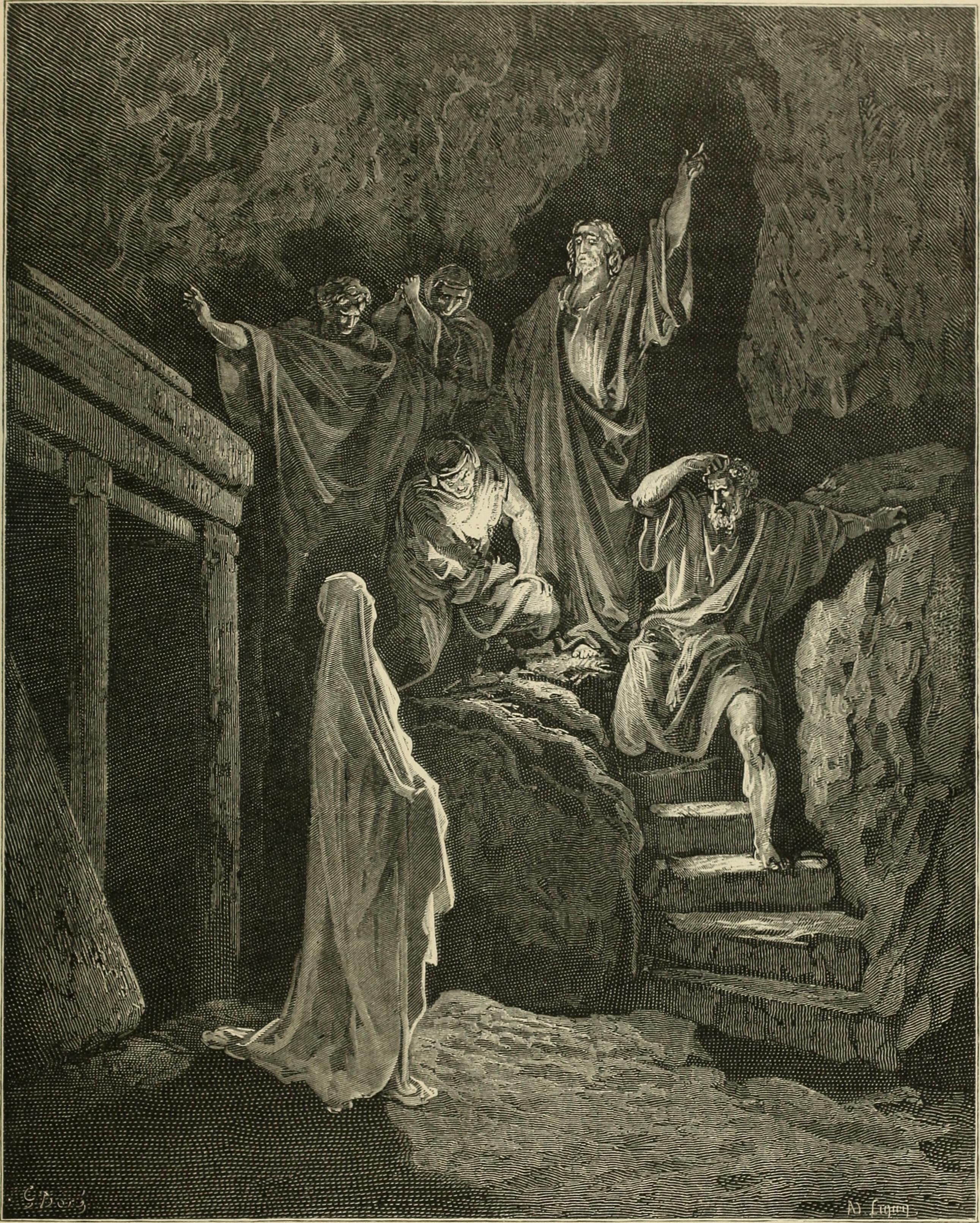 30. Thursday after the IV Sunday of Lent:
The Death of Lazarus
Thursday of the IV week of Lent
“Our friend Lazarus sleeps” (John 11:11)
I. We call someone “Our friend” because of the numerous benefits and services they have rendered to us; therefore, we should not neglect them in their time of need.
“…Lazarus sleeps”: this is the reason we need to assist him. “A friend… becomes a brother in the time of misfortune” (Proverbs 17:17). In the words of Saint Augustine, he sleeps for the Lord; for men, who cannot raise him, he is dead.
The word sleep can be used to signify many things: natural sleep itself, negligence, the sleep of guilt, the rest of contemplation or future glory, and sometimes death, as Saint Paul says, “But we do not want you to be uninformed, brothers, about those who are asleep, that you may not grieve as others do who have no hope” (1 Thessalonians 4:13).
Death is called sleep because of the hope of resurrection. For this reason, it is often referred to as “rest” since the time when Our Lord died and rose again: “I lay down and slept” (Psalm 3:6).
II. “but I will awaken him.” With this, Jesus implies that it is as easy for Him to raise Lazarus from the tomb as it is to wake someone from sleep. There is nothing surprising in this, for it is He who raises the dead and gives them life. That is why He said: “Do not marvel at this, for the hour is coming when all who are in the tombs will hear the voice of the Son of God” (John 5:28).
III. “let us go to him.” The mercy of God shines here; while men, in a state of sin and as the dead, cannot go to Him on their own, it is He who draws them, mercifully preceding them, as stated in the Scriptures: “I have loved you with an everlasting love; therefore, I have continued my faithfulness to you” (Jeremiah 31:3).
IV. “And when Jesus arrived, he found that he had already been in the tomb four days.” According to Saint Augustine, Lazarus, dead for four days, signifies the sinner held by the death of a quadruple sin: original sin, sin against natural law, actual sin against positive law, and actual sin against Gospel law and grace.
Alternatively, it can be said that the first day represents the sin of the heart, cf. “Cease to do evil; remove the evil of your deeds from before My eyes” (Isaiah 1:16); the second, the sin of the tongue, “Let no corrupt word proceed out of your mouth” (Ephesians 4:29); the third, the sin of deeds, about which Isaiah says, “Cease to do evil” (Isaiah 1:16); the fourth day represents the sin of bad habits.
In any way the text is presented, the Lord sometimes heals those who have been dead for four days, that is, those who transgress the law of the Gospel and are trapped in the habit of sin.
In John, XI
(P. D. Mézard, O. P., Meditationes ex Operibus S. Thomae.)
#God #Deus #Isten #Gott #Jesus #Católico #Catholic #Katholik #katholisch #Katolikus #catholique #Faith #Fé #foi #信仰 #Latin #Latim #Gospel #Evangelho #Evangélium #évangile #Dieu #福音 #日本 #カトリック #Bible #Biblestr #Nostr #Grownostr
30. Thursday after the IV Sunday of Lent:
The Death of Lazarus
Thursday of the IV week of Lent
“Our friend Lazarus sleeps” (John 11:11)
I. We call someone “Our friend” because of the numerous benefits and services they have rendered to us; therefore, we should not neglect them in their time of need.
“…Lazarus sleeps”: this is the reason we need to assist him. “A friend… becomes a brother in the time of misfortune” (Proverbs 17:17). In the words of Saint Augustine, he sleeps for the Lord; for men, who cannot raise him, he is dead.
The word sleep can be used to signify many things: natural sleep itself, negligence, the sleep of guilt, the rest of contemplation or future glory, and sometimes death, as Saint Paul says, “But we do not want you to be uninformed, brothers, about those who are asleep, that you may not grieve as others do who have no hope” (1 Thessalonians 4:13).
Death is called sleep because of the hope of resurrection. For this reason, it is often referred to as “rest” since the time when Our Lord died and rose again: “I lay down and slept” (Psalm 3:6).
II. “but I will awaken him.” With this, Jesus implies that it is as easy for Him to raise Lazarus from the tomb as it is to wake someone from sleep. There is nothing surprising in this, for it is He who raises the dead and gives them life. That is why He said: “Do not marvel at this, for the hour is coming when all who are in the tombs will hear the voice of the Son of God” (John 5:28).
III. “let us go to him.” The mercy of God shines here; while men, in a state of sin and as the dead, cannot go to Him on their own, it is He who draws them, mercifully preceding them, as stated in the Scriptures: “I have loved you with an everlasting love; therefore, I have continued my faithfulness to you” (Jeremiah 31:3).
IV. “And when Jesus arrived, he found that he had already been in the tomb four days.” According to Saint Augustine, Lazarus, dead for four days, signifies the sinner held by the death of a quadruple sin: original sin, sin against natural law, actual sin against positive law, and actual sin against Gospel law and grace.
Alternatively, it can be said that the first day represents the sin of the heart, cf. “Cease to do evil; remove the evil of your deeds from before My eyes” (Isaiah 1:16); the second, the sin of the tongue, “Let no corrupt word proceed out of your mouth” (Ephesians 4:29); the third, the sin of deeds, about which Isaiah says, “Cease to do evil” (Isaiah 1:16); the fourth day represents the sin of bad habits.
In any way the text is presented, the Lord sometimes heals those who have been dead for four days, that is, those who transgress the law of the Gospel and are trapped in the habit of sin.
In John, XI
(P. D. Mézard, O. P., Meditationes ex Operibus S. Thomae.)
#God #Deus #Isten #Gott #Jesus #Católico #Catholic #Katholik #katholisch #Katolikus #catholique #Faith #Fé #foi #信仰 #Latin #Latim #Gospel #Evangelho #Evangélium #évangile #Dieu #福音 #日本 #カトリック #Bible #Biblestr #Nostr #Grownostr
30. Thursday after the IV Sunday of Lent:
The Death of Lazarus
Thursday of the IV week of Lent
“Our friend Lazarus sleeps” (John 11:11)
I. We call someone “Our friend” because of the numerous benefits and services they have rendered to us; therefore, we should not neglect them in their time of need.
“…Lazarus sleeps”: this is the reason we need to assist him. “A friend… becomes a brother in the time of misfortune” (Proverbs 17:17). In the words of Saint Augustine, he sleeps for the Lord; for men, who cannot raise him, he is dead.
The word sleep can be used to signify many things: natural sleep itself, negligence, the sleep of guilt, the rest of contemplation or future glory, and sometimes death, as Saint Paul says, “But we do not want you to be uninformed, brothers, about those who are asleep, that you may not grieve as others do who have no hope” (1 Thessalonians 4:13).
Death is called sleep because of the hope of resurrection. For this reason, it is often referred to as “rest” since the time when Our Lord died and rose again: “I lay down and slept” (Psalm 3:6).
II. “but I will awaken him.” With this, Jesus implies that it is as easy for Him to raise Lazarus from the tomb as it is to wake someone from sleep. There is nothing surprising in this, for it is He who raises the dead and gives them life. That is why He said: “Do not marvel at this, for the hour is coming when all who are in the tombs will hear the voice of the Son of God” (John 5:28).
III. “let us go to him.” The mercy of God shines here; while men, in a state of sin and as the dead, cannot go to Him on their own, it is He who draws them, mercifully preceding them, as stated in the Scriptures: “I have loved you with an everlasting love; therefore, I have continued my faithfulness to you” (Jeremiah 31:3).
IV. “And when Jesus arrived, he found that he had already been in the tomb four days.” According to Saint Augustine, Lazarus, dead for four days, signifies the sinner held by the death of a quadruple sin: original sin, sin against natural law, actual sin against positive law, and actual sin against Gospel law and grace.
Alternatively, it can be said that the first day represents the sin of the heart, cf. “Cease to do evil; remove the evil of your deeds from before My eyes” (Isaiah 1:16); the second, the sin of the tongue, “Let no corrupt word proceed out of your mouth” (Ephesians 4:29); the third, the sin of deeds, about which Isaiah says, “Cease to do evil” (Isaiah 1:16); the fourth day represents the sin of bad habits.
In any way the text is presented, the Lord sometimes heals those who have been dead for four days, that is, those who transgress the law of the Gospel and are trapped in the habit of sin.
In John, XI
(P. D. Mézard, O. P., Meditationes ex Operibus S. Thomae.)
#God #Deus #Isten #Gott #Jesus #Católico #Catholic #Katholik #katholisch #Katolikus #catholique #Faith #Fé #foi #信仰 #Latin #Latim #Gospel #Evangelho #Evangélium #évangile #Dieu #福音 #日本 #カトリック #Bible #Biblestr #Nostr #Grownostr
Title of the work in Latin
MEDULLA S. THOMAE AQUITATIS PER OMNES ANNI LITURGICI DIES DISTRBUITA, SEU MEDITATIONES EX OPERIBUS S. THOMAE DEPROMPTAE
Compilation and organization by
FR. Z. MÉZARD O. P.
NOTE
All titles marked with an asterisk contain material that is no longer attributed to Saint Thomas Aquinas
29. Wednesday after the IV Sunday of Lent: The Divine Friend
Wednesday after the IV Sunday of Lent
“Therefore his sisters sent to Him, saying, ‘Lord, behold, he whom You love is sick.’” (John 11:3)
Here there are three things to consider:
a) The first is that the friends of God sometimes suffer in body. Thus, it is not a sign of a lack of friendship with God to suffer in body. Eliphaz was wrong to say to Job, “Remember: Who, being innocent, has ever perished? Or where were the upright ever destroyed?” (Job 4:7), as demonstrated by the sisters of Lazarus: “Lord, behold, he whom You love is sick.” We read in the book of Proverbs (3:12): “For whom the Lord loves, He corrects, just as a father the son in whom he delights.”
b) The second is that they do not say, “Lord, come, heal him,” but simply state his condition: “behold, he is sick.” This means that it suffices to express our needs to a friend, without adding any request; for a friend, just as he seeks his own good and fights against his personal evils, will fight against the evils of his friend. And this is especially true of one who truly loves. The psalm says (144:20): “The Lord preserves all who love Him.”
c) The third is that the two sisters, desiring the healing of their sick brother, do not come personally to Christ, as the paralytic and the centurion did; and this is because of their confidence in Jesus Christ, due to the special love and familiarity that He will show them. And perhaps they were held back by grief, as St. John Chrysostom said, in accordance with what is stated in Ecclesiasticus (6:11): “If your friend perseveres in firmness, he will be to you as an equal; he will deal at ease with those of your household.”
In John, XI
(P. D. Mézard, O. P., Meditationes ex Operibus S. Thomae.)
#God #Deus #Isten #Gott #Jesus #Católico #Catholic #Katholik #katholisch #Katolikus #catholique #Faith #Fé #foi #信仰 #Latin #Latim #Gospel #Evangelho #Evangélium #évangile #Dieu #福音 #日本 #カトリック #Bible #Biblestr #Nostr #Grownostr
View quoted note →
View quoted note →
29. Wednesday after the IV Sunday of Lent: The Divine Friend
Wednesday after the IV Sunday of Lent
“Therefore his sisters sent to Him, saying, ‘Lord, behold, he whom You love is sick.’” (John 11:3)
Here there are three things to consider:
a) The first is that the friends of God sometimes suffer in body. Thus, it is not a sign of a lack of friendship with God to suffer in body. Eliphaz was wrong to say to Job, “Remember: Who, being innocent, has ever perished? Or where were the upright ever destroyed?” (Job 4:7), as demonstrated by the sisters of Lazarus: “Lord, behold, he whom You love is sick.” We read in the book of Proverbs (3:12): “For whom the Lord loves, He corrects, just as a father the son in whom he delights.”
b) The second is that they do not say, “Lord, come, heal him,” but simply state his condition: “behold, he is sick.” This means that it suffices to express our needs to a friend, without adding any request; for a friend, just as he seeks his own good and fights against his personal evils, will fight against the evils of his friend. And this is especially true of one who truly loves. The psalm says (144:20): “The Lord preserves all who love Him.”
c) The third is that the two sisters, desiring the healing of their sick brother, do not come personally to Christ, as the paralytic and the centurion did; and this is because of their confidence in Jesus Christ, due to the special love and familiarity that He will show them. And perhaps they were held back by grief, as St. John Chrysostom said, in accordance with what is stated in Ecclesiasticus (6:11): “If your friend perseveres in firmness, he will be to you as an equal; he will deal at ease with those of your household.”
In John, XI
(P. D. Mézard, O. P., Meditationes ex Operibus S. Thomae.)
#God #Deus #Isten #Gott #Jesus #Católico #Catholic #Katholik #katholisch #Katolikus #catholique #Faith #Fé #foi #信仰 #Latin #Latim #Gospel #Evangelho #Evangélium #évangile #Dieu #福音 #日本 #カトリック #Bible #Biblestr #Nostr #Grownostr
View quoted note →