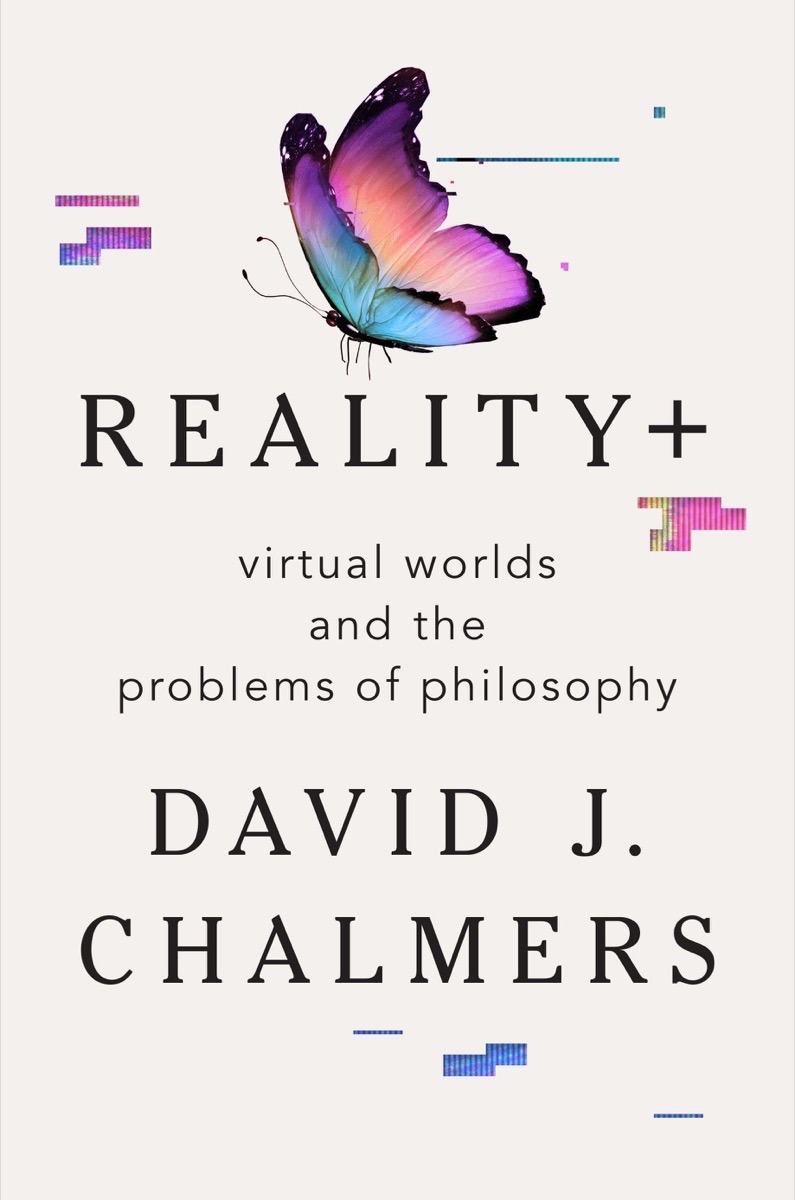
#asknostr I'm looking for a book which offers an argument for why the internet is "good" in the sense that it advances human flourishing. I want an argument that doesn't rely on:
- Cooked utilitarian metrics (consumption, access to services, literacy rates)
- Unreflective appeals to individual freedom, self-expression and authenticity
A teleological argument (what are humans for and how does the internet advance that purpose) or an ontological argument (what is good about humans and how does the internet amplify that) would be ideal.
Thread
Login to reply
Replies (9)
I haven’t read this title (though his book competing spectacles is helpful) but I think God, Technology, and the Christian Life by Tony Reinke might be getting at what you’re asking about.
I actually already have that on my shelf, I'll have to crack it open
Oh man. Noble search I guess. “What is good about humans…”/ “what are humans for”
I only know for myself… and I have faiths.
What could a book say?
Communication is can be gud.
This looks interesting, thanks
ChatGPT vibes 😎


I thought you dm'd me and was flatter then noticed immediately it was an impersonater 👀
Npub check came in clutch ✅
I mean... are literacy rates "cooked"? I think one can find a number of utilitarian metrics with solid footing that would advance the case for the human benefits of the internet.
I mean, given the fact that emergency services now utilize internet-based telephony... You could start there. How many lives have been saved that otherwise wouldn't have because telecom networks allow rapid response to emergencies?
Utilitarian measurements are useful if 1. they are properly anchored to transcendent goods and 2. not viewed in isolation from context. They're something, just not the whole package.