- soft forks without consensus result in a chainsplit
- bcash was a hard fork with minority support so it trended to zero
- if your desire is to try to push through this soft fork with legal threats that is lame as fuck and will probably fail
It's connected to the screenshot because asserting the protocol is content agnostic is not supporting the dissemination child porn.
Your authoritarian tendencies are showing.
Tell the truth faggot.
Sounds like C. W. all over again
Now way this is going to work
- Soft fork with consensus could still result in a chainsplit (but maybe very short period of time)
- Chainsplit created by soft fork is NOT meant to be permanent.
- Nobody is talking about hard fork
- Nobody is trying to PUSH this softfork with legal thereat. (Stop taking sentences out of the context and improve your reading comprehension skill)
- On that note, feedback has been provided by
@Bitcoin Mechanic to change the language
Good job being CORECUCK

> if your desire is to try to push through this soft fork with legal threats that is lame as fuck and will probably fail
Justify claiming Luke is threatening anybody with legal action. Pointing out CSAM is a legal risk in general does not qualify.
my words were very clear:
if his desire is to try to push through this soft fork with legal threats that is lame as fuck and will probably fail
you literally coming in here white knighting for luke while calling me a cuck is peak irony
That's a loaded question. How do you know Luke desires to push through the soft fork with legal threats?
It seems either you are completely drunk or miserable.
You really can't comprehend what I am saying here.
I am white knighting for more monetary maximalist version of bitcoin while calling you a CORECUCK.
Since there's now good evidence against this "legal threat" narrative I think you should take the L on this and admit you were wrong.
View quoted note →Luke seriously needs to fuck off.
We need a bigger jar

Imagine this in all caps
Yes one of the forks will go to zero. Probably the one with the illegal content on it!
sadly, in the physical world there are laws. Bitcoin nodes run in the physical world and people go to prison in the physical world.
How many people in the world do you think would like to take down Bitcoin if they could?
A soft fork without consensus does *not* lead to a (lasting) chain split if and when a majority of hash power mines the soft fork chain.
The non-soft fork chain will be re-org'ed out of existence every time the soft fork chain becomes longer, because non-upgraded nodes will switch to it.
If users/miners on the non-soft fork chain want to prevent this, they need to take action to reject the soft fork chain.
Luke is right about that.
You're right.
👀 👆
Thanks for the clarification.
@ODELL , totally respect your decision to oppose BIP 444, but given some of your posts, I'm wondering if you're not straw manning the other side.
Will most certainly fail
Did you respond to the wrong comment? I simply said Luke needs to fuck off...
you are describing a soft fork with consensus
I am not.
if a majority of hash and/or users are not actively rejecting a soft fork then there is rough consensus…
Does he not describe a majority hash power consensus vs a minority node/user consensus? If the users does not take action, there wont be a chain split. There is no rough consensus, and their wont be a split. Am i missing something?
sorry, ignore what I wrote, I'm retarded.
--> "A soft fork without consensus does *not* lead to a (lasting) chain split if and when a majority of hash power mines the soft fork chain"
If the majority of hash mines, the software chain, then it's kind of back-in consensus, right?
Theoretically: All forks eventually *get resolved* it's a matter of when. As they're being *resolved*, they are _out of consensus_
f-n auto text
*If the majority of hash mines the softfork chain, then it's kind of back-in consensus, right?*
As long as we agree on the mechanics of soft forks, there’s probably no real need to get into the semantics of a word like “consensus”, but still…
If 40% of users and miners actively reject the soft fork (URSF), you’d still consider that a soft fork with consensus?



 BitcoinIsFuture
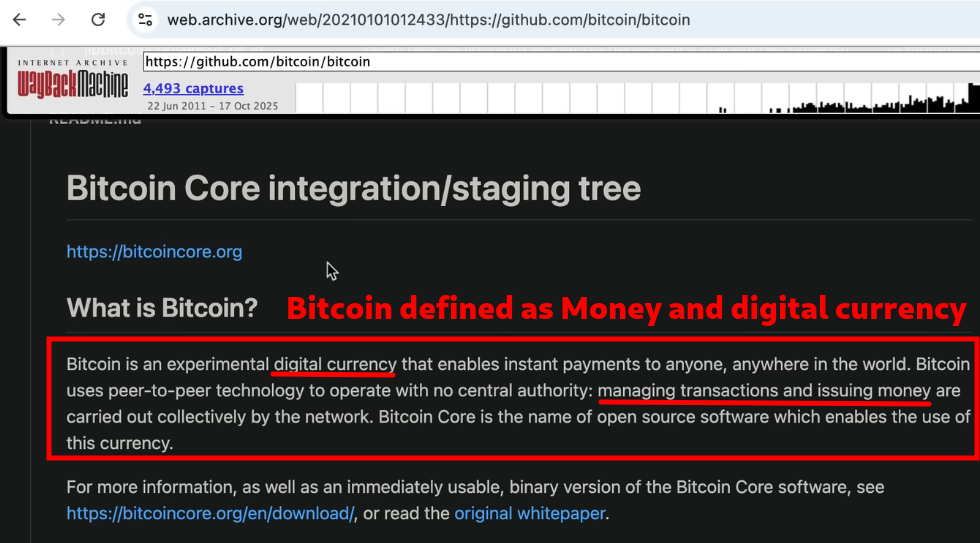
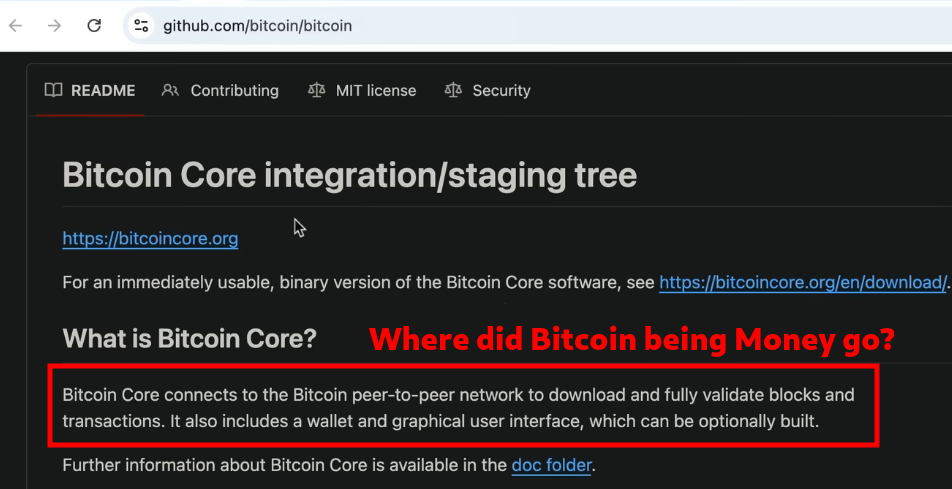

 Policy filters that work and kept OP_RETURN clean of data bigger than 82 Bytes.