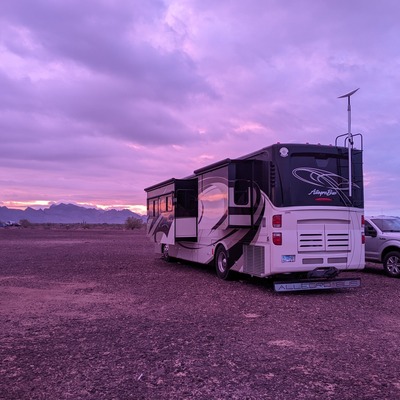
“Female is real, and it’s sex, and femininity is unreal, and it’s gender.”
― Germaine Greer
Kara Dansky
"I wrote about why it's important to understand the history of the movement to protect the sex-based rights of women and girls (dedicated to my friend Jules Kirk, a fierce woman who died last Thursday)."
https://karadansky.substack.com/p/why-the-history-of-a-movement-is
"This post is for Jules Kirk, a fierce woman and radical feminist who died on Thursday, November 27. Jules was active in the women’s liberation movement for many years. This is her:
We used to chat on the phone frequently, and we met a few times in person. She was warm, thoughtful, and delightfully funny. She once sent me this pair of socks:
This post is free and shareable. A paid subscription gets you regular access to much more content and the ability to comment and engage in conversation with other thoughtful people.
There are tons of women and girls who are finding their voices and speaking out about recent assaults on women’s sex-based rights to things like female-only sports, locker rooms, and prisons, which is great! I do my absolute best to document them in my weekly series, FFS Friday.
As more and more women find their voices, I think it’s important for them to know the history behind the movement. Feminists have been speaking out about this for a long time, but it’s very difficult to know that, for two reasons:
The mainstream legacy media either ignores us completely (the norm) or paints us as stooges of the far-right (the rare but very disingenuous exception to the norm); and
The mainstream legacy media paints this entire fight as being between the “big bad Christian Right” and a “poor marginalized community that is just fighting for its civil rights,” which is also completely disingenuous.
It can be difficult for new-comers to believe that practically our entire society has caved to the idea that some men are women if they say so, if they adopt the stereotypes of femininity by wearing makeup, dresses, and high heels, or if they take hormones and/or have surgeries to make them resemble women. But it’s true. The easiest way through this is just to understand that as difficult as it is to believe, it’s completely true. There’s an entire billion-dollar industry behind all of this, but that’s a story for a different day.
On November 28, Jennifer Sey published a piece titled “The history of the movement to protect women’s and girls’ sex-based rights.” This is important, because it’s important to understand history. A lot of people think this movement started with conservatives. That’s understandable because of the media narratives and recent efforts under Trump 2.0, but it isn’t true.
In 1979, a lesbian radical feminist professor named Janice Raymond published a book titled The Transsexual Empire, essentially predicting everything that was to come. She republished it in 1994, with a new Introduction about the emergence of a very dangerous word: “transgender.” She has generously made it available for free, via a downloadable pdf.
In 2014, journalist Michelle Goldberg published an article in The New Yorker titled “What is a Woman?: The dispute between radical feminism and transgenderism.” In it, she recounts an event in 1973, where a radical feminist named Robin Morgan said:
I will not call a male “she”; thirty-two years of suffering in this androcentric society, and of surviving, have earned me the title “woman”; one walk down the street by a male transvestite, five minutes of his being hassled (which he may enjoy), and then he dares, he dares to think he understands our pain? No, in our mothers’ names and in our own, we must not call him sister.
Things really started to heat up in the early 1990s at MichFest (the Michigan Womyn’s Music Festival), after a man who called himself a woman was removed. For decades, men held something called “Camp Trans” across the street from the festival, which was primarily for lesbians, but welcomed all women (the female kind).
A lot of people think that Matt Walsh started the movement in 2022 by putting out a film titled ‘What is a Woman?” (the same title as Michelle Goldberg’s 2014 New Yorker article about radical feminists). That film was important, but it did not start the movement. I watched the whole film. Women’s Declaration International USA published a review of it shortly after it came out."
Archived:
https://archive.ph/4G8MQ
#TeamTERF #Freespeech #Censorship #SayNoToSelfID #No2SelfID #NoSelfID #Skeptic #LetWomenSpeak #OccupyWoman #GetMenOut #HoldTheLine #KeepWomensSpacesSingleSex #WomanFace #AbolishSexRoleStereotyping #RadicalFeminism #RadFem #Feminism #Feminist


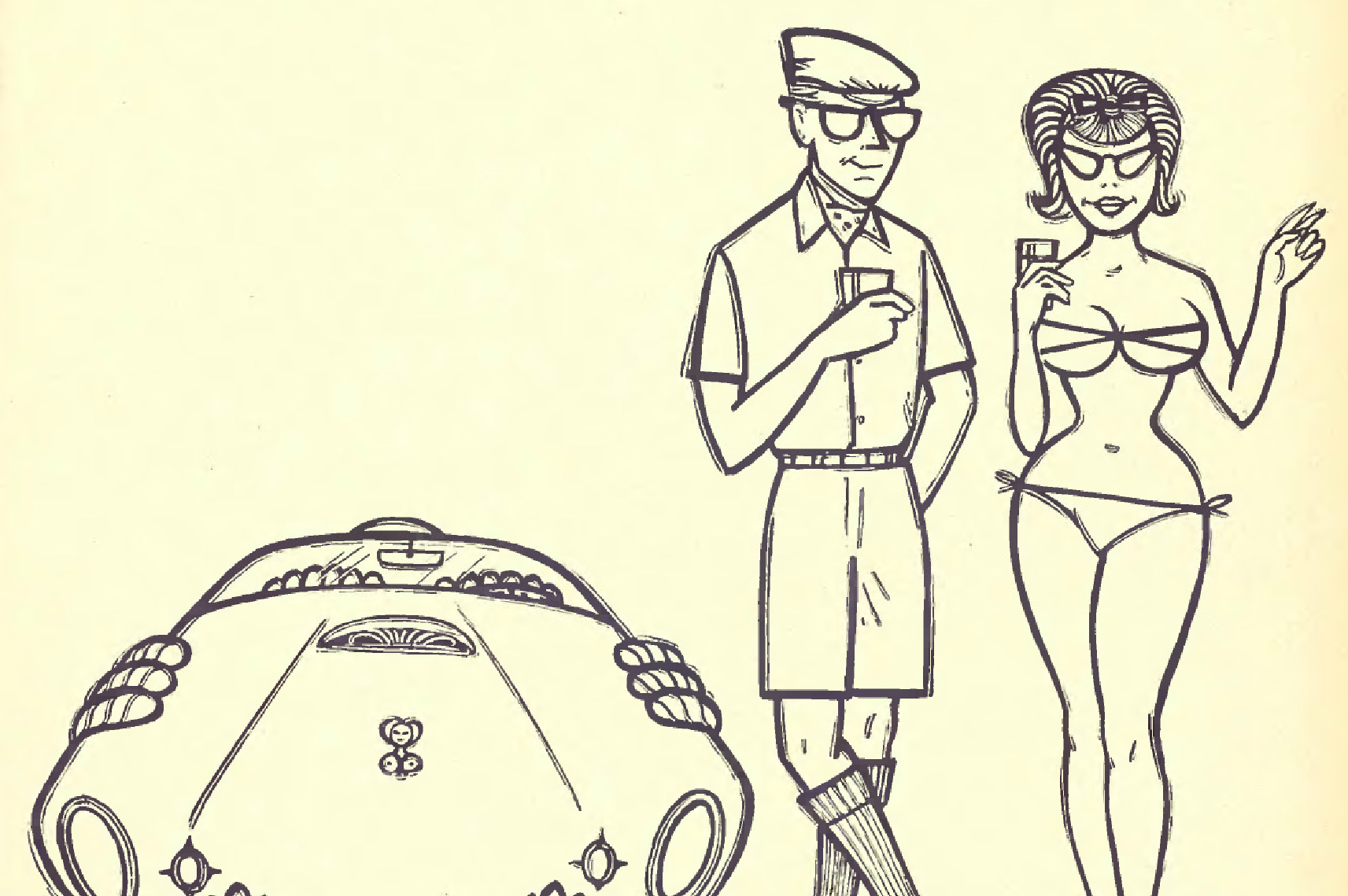
 #photography #illustration #madman #nocontext #sfw #vintage #humor #1960sfashion #militaryattire #swimwear












 21 Unusual Bug Out Bag Items To Consider.
The internet is filled with lists of essential supplies to pack in your emergency survival bag, often called a bug out bag. The lists include small packable items that will provide you with food, water, and shelter for about 72 hours.
While all of the lists feature some indispensable items for surviving any disaster, you’ll get the best results if you tailor some of your contents to your location and individual needs. For example, someone who lives in an urban area has different needs than someone who lives in a rural setting. Age, gender, health, and fitness levels also should play a role in what you pack in your bag.
Whether you are packing a bug out bag for the first time or rethinking its contents, here are 21 options you may not have considered.
1. Aluminum Foil
Don't pack the entire roll. Instead, just fold up a few sheets of aluminum foil and put them in the pocket of your bug out bag. It hardly weighs anything, and you can use it to cook food, start a fire, boil water, catch fish, signal for help, and more.
2. Carabiners
These are incredibly useful but often overlooked. You can use carabiners to attach items to your bag, hang a clothesline, build a shelter, keep ropes and cords organized, hang up tools and lanterns, make emergency repairs, and much more.
3. Coffee Filters
You don't need to bring a whole package. Just a few of them is enough. You can use coffee filters to pre-filter water, start a fire, make a bandage, organize small items, collect nuts and berries, clean glasses and other surfaces, and more.
4. Condoms
Believe it or not, condoms can be incredibly useful in a bug out scenario, and not just for prevented unwanted pregnancies. You can use them to start a fire, make a slingshot, create a makeshift tourniquet, carry water (up to a gallon), keep things dry (such as tinder, matches, batteries, etc.), and more.
5. GoGirl
Men have it easy in the on-the-go bathroom department, but this female urination device is a must-have for the rest of us. Made of medical-grade silicone, the GoGirl is lightweight, washable, reusable, and discreet.
6. Mosquito Net
Many bug out bag lists suggest bug spray, but can you pack enough to last several days – or longer? This durable polyester netting will cover a single sleeping bag or cot. You can anchor it into the ground or hang it from tree limbs or posts.
7. Nails
Yes, nails. Standard metal nails can come in very handy in an emergency. Pack a few different sizes in a small kit for use as tent pegs, fishing hooks, animal traps, trip wires, and weapons. This video has more ideas.
8. Pantyhose
Small and easy to tuck into a backpack, a pair of pantyhose has many unexpected uses in an emergency. Here are some ideas:
Wear as an extra layer under your pants to keep warm and to protect against insect bites and stings.
Use as a skimmer, to secure bait, or as a net when fishing
Wear under socks to help prevent blisters
Use as a pouch or to carry small items
Use as a water filter
Use to secure a hot or cold pack
Use as a tourniquet
9. Pocket Chainsaw
This emergency survival tool can cut through branches and limbs to help you build a shelter or create a pathway through the wilderness. Made of high carbon heat-treated steel, it comes with a storage pouch. You can sharpen it with a regular round chainsaw file.
10. Pocket Survival Guide
No one can be prepared for every emergency. In the event you don’t have access to the internet, or you want to conserve your electronics, a pocket survival guide can come in handy.
This helpful guide folds down to the size of a credit card so that you can carry it at all times. It’s weather-resistant and packed full of information. If you prefer a book, here is a pocket-sized guide written for short-term survival scenarios.
11. Poncho
It’s a good idea to invest in a quality rain jacket, but a small plastic poncho in your bag can also come in very handy. You can use it as a ground cover when you take a break to sit down or to help block the wind in a temporary shelter. Check the dollar store for inexpensive small folded ponchos.
12. Self-Defense Spray
Whether your attacker is human or animal, a can of pepper spray can offer a quick solution. This bottle of pepper gel does not blow back in the wind as traditional pepper spray does, and it can shoot up to 18 feet. The 1.8-ounce bottle holds 18 bursts and comes with a strap to attach to your bag if you like.
13. Sewing Kit
Needle and thread can help mend clothing, tents, tarps, and straps on the go. In an emergency, you might even need to use them to stitch a wound.
Here are some other items you might want in your small sewing kit: several sizes of thread, safety pins, thimble, needles of various sizes, small scissors, and Superglue.
14. Slingshot
With a bit of practice, you can use this lightweight and versatile weapon to kill a variety of small game from 30 feet away. And you don’t need to weigh down your pack with ammo; small stones and rocks work well.
15. Sleeping Mask and Earplugs
Sleep is often difficult to come by when you are in an emergency location. There may be unfamiliar sounds and people all around you, or you may be hearing the sounds of the wilderness for the first time.
Plus, stress can keep your mind whirring. A sleep mask and earplugs can help you get the rest you need. If you feel you need to hear everything to stay safe, you still may want to consider earplugs for your kids.
16. Solar Lantern
Most bug out bag lists include flashlights and headlamps. While these lights are undoubtedly useful, they do not provide the kind of 360-degree light you will want in many temporary living situations.
This portable lantern can charge from the sun or from a USB port. It’s water-resistant, has three light settings, and collapses to hook onto your backpack or fit inside.
17. Toilet Paper Tablets
Many bug out bag packing lists include toilet paper. But a roll takes up a lot of space, and it can get wet and soggy pretty quickly when you are outside. These tablets are an answer. These small tablets are made of compressed cellulose that expands into sheets of paper when dipped in water.
18. Water Valve Key
Have you ever noticed that the water spigots on the outside walls of many buildings do not have handles? How could you access that water in an emergency?
The answer is with a sillcock key. A sillcock key is a tool with four different socket heads. You find the head that fits the faucet and then turn the key as you would a handle to access the water.
19. Waterproof Deck of Cards
Keeping your mind occupied when you’re hunkered down during an emergency is vital to your mental health. You might want to consider adding a deck of waterproof playing cards to your bug out bag. These playing cards are standard size, but they’re printed on clear plastic card stock.
20. Waterproof Notebook
Keeping a journal, leaving notes, keeping track of the weather – all are reasons you’ll want to have a notebook in your backpack. The trouble is, regular paper can get muddy and ruined in a hurry. This notebook will handle the elements and the tough constraints of a backpack. Use it with a standard No. 2 pencil or an all-weather pen like this one for best results.
21. Zip Ties
These lightweight cable ties can fit into small spaces in your bug out bag, but they can provide a lot of bang for the buck. Here are just a few of the ways you can use them in an emergency:
Makeshift handles
Help compress and hold bulky gear together
Secure bandages
Makeshift shoelaces
Trail markers
Hanging items
Hand restraints
Most experts agree that a bug out bag should weigh about 15 percent of an average person’s body weight. The goal is not to stuff your bag with as much as you can but to choose items that will fit your location and your individual needs.
One final tip: leaving some space in your bag so that you can find things without having to empty the bag each time you take something out will save you time and frustration.
Credits Goes to the respective
Author ✍️/ Photographer📸
🐇 🕳️
21 Unusual Bug Out Bag Items To Consider.
The internet is filled with lists of essential supplies to pack in your emergency survival bag, often called a bug out bag. The lists include small packable items that will provide you with food, water, and shelter for about 72 hours.
While all of the lists feature some indispensable items for surviving any disaster, you’ll get the best results if you tailor some of your contents to your location and individual needs. For example, someone who lives in an urban area has different needs than someone who lives in a rural setting. Age, gender, health, and fitness levels also should play a role in what you pack in your bag.
Whether you are packing a bug out bag for the first time or rethinking its contents, here are 21 options you may not have considered.
1. Aluminum Foil
Don't pack the entire roll. Instead, just fold up a few sheets of aluminum foil and put them in the pocket of your bug out bag. It hardly weighs anything, and you can use it to cook food, start a fire, boil water, catch fish, signal for help, and more.
2. Carabiners
These are incredibly useful but often overlooked. You can use carabiners to attach items to your bag, hang a clothesline, build a shelter, keep ropes and cords organized, hang up tools and lanterns, make emergency repairs, and much more.
3. Coffee Filters
You don't need to bring a whole package. Just a few of them is enough. You can use coffee filters to pre-filter water, start a fire, make a bandage, organize small items, collect nuts and berries, clean glasses and other surfaces, and more.
4. Condoms
Believe it or not, condoms can be incredibly useful in a bug out scenario, and not just for prevented unwanted pregnancies. You can use them to start a fire, make a slingshot, create a makeshift tourniquet, carry water (up to a gallon), keep things dry (such as tinder, matches, batteries, etc.), and more.
5. GoGirl
Men have it easy in the on-the-go bathroom department, but this female urination device is a must-have for the rest of us. Made of medical-grade silicone, the GoGirl is lightweight, washable, reusable, and discreet.
6. Mosquito Net
Many bug out bag lists suggest bug spray, but can you pack enough to last several days – or longer? This durable polyester netting will cover a single sleeping bag or cot. You can anchor it into the ground or hang it from tree limbs or posts.
7. Nails
Yes, nails. Standard metal nails can come in very handy in an emergency. Pack a few different sizes in a small kit for use as tent pegs, fishing hooks, animal traps, trip wires, and weapons. This video has more ideas.
8. Pantyhose
Small and easy to tuck into a backpack, a pair of pantyhose has many unexpected uses in an emergency. Here are some ideas:
Wear as an extra layer under your pants to keep warm and to protect against insect bites and stings.
Use as a skimmer, to secure bait, or as a net when fishing
Wear under socks to help prevent blisters
Use as a pouch or to carry small items
Use as a water filter
Use to secure a hot or cold pack
Use as a tourniquet
9. Pocket Chainsaw
This emergency survival tool can cut through branches and limbs to help you build a shelter or create a pathway through the wilderness. Made of high carbon heat-treated steel, it comes with a storage pouch. You can sharpen it with a regular round chainsaw file.
10. Pocket Survival Guide
No one can be prepared for every emergency. In the event you don’t have access to the internet, or you want to conserve your electronics, a pocket survival guide can come in handy.
This helpful guide folds down to the size of a credit card so that you can carry it at all times. It’s weather-resistant and packed full of information. If you prefer a book, here is a pocket-sized guide written for short-term survival scenarios.
11. Poncho
It’s a good idea to invest in a quality rain jacket, but a small plastic poncho in your bag can also come in very handy. You can use it as a ground cover when you take a break to sit down or to help block the wind in a temporary shelter. Check the dollar store for inexpensive small folded ponchos.
12. Self-Defense Spray
Whether your attacker is human or animal, a can of pepper spray can offer a quick solution. This bottle of pepper gel does not blow back in the wind as traditional pepper spray does, and it can shoot up to 18 feet. The 1.8-ounce bottle holds 18 bursts and comes with a strap to attach to your bag if you like.
13. Sewing Kit
Needle and thread can help mend clothing, tents, tarps, and straps on the go. In an emergency, you might even need to use them to stitch a wound.
Here are some other items you might want in your small sewing kit: several sizes of thread, safety pins, thimble, needles of various sizes, small scissors, and Superglue.
14. Slingshot
With a bit of practice, you can use this lightweight and versatile weapon to kill a variety of small game from 30 feet away. And you don’t need to weigh down your pack with ammo; small stones and rocks work well.
15. Sleeping Mask and Earplugs
Sleep is often difficult to come by when you are in an emergency location. There may be unfamiliar sounds and people all around you, or you may be hearing the sounds of the wilderness for the first time.
Plus, stress can keep your mind whirring. A sleep mask and earplugs can help you get the rest you need. If you feel you need to hear everything to stay safe, you still may want to consider earplugs for your kids.
16. Solar Lantern
Most bug out bag lists include flashlights and headlamps. While these lights are undoubtedly useful, they do not provide the kind of 360-degree light you will want in many temporary living situations.
This portable lantern can charge from the sun or from a USB port. It’s water-resistant, has three light settings, and collapses to hook onto your backpack or fit inside.
17. Toilet Paper Tablets
Many bug out bag packing lists include toilet paper. But a roll takes up a lot of space, and it can get wet and soggy pretty quickly when you are outside. These tablets are an answer. These small tablets are made of compressed cellulose that expands into sheets of paper when dipped in water.
18. Water Valve Key
Have you ever noticed that the water spigots on the outside walls of many buildings do not have handles? How could you access that water in an emergency?
The answer is with a sillcock key. A sillcock key is a tool with four different socket heads. You find the head that fits the faucet and then turn the key as you would a handle to access the water.
19. Waterproof Deck of Cards
Keeping your mind occupied when you’re hunkered down during an emergency is vital to your mental health. You might want to consider adding a deck of waterproof playing cards to your bug out bag. These playing cards are standard size, but they’re printed on clear plastic card stock.
20. Waterproof Notebook
Keeping a journal, leaving notes, keeping track of the weather – all are reasons you’ll want to have a notebook in your backpack. The trouble is, regular paper can get muddy and ruined in a hurry. This notebook will handle the elements and the tough constraints of a backpack. Use it with a standard No. 2 pencil or an all-weather pen like this one for best results.
21. Zip Ties
These lightweight cable ties can fit into small spaces in your bug out bag, but they can provide a lot of bang for the buck. Here are just a few of the ways you can use them in an emergency:
Makeshift handles
Help compress and hold bulky gear together
Secure bandages
Makeshift shoelaces
Trail markers
Hanging items
Hand restraints
Most experts agree that a bug out bag should weigh about 15 percent of an average person’s body weight. The goal is not to stuff your bag with as much as you can but to choose items that will fit your location and your individual needs.
One final tip: leaving some space in your bag so that you can find things without having to empty the bag each time you take something out will save you time and frustration.
Credits Goes to the respective
Author ✍️/ Photographer📸
🐇 🕳️