One of my favorite #JWST images, the Cosmic Cliffs in the Carina Nebula in molecular hydrogen. This is the edge of a cavity within the nearby star-forming region NGC 3324 in the outskirts of the Carina Nebula, about 7,600 light-years away. It was carved by a few extremely massive, hot, young stars located just above the frame. This image selects narrowband filters from the original "Cosmic Cliffs" image to highlight the shocks and outflows from forming stars. image
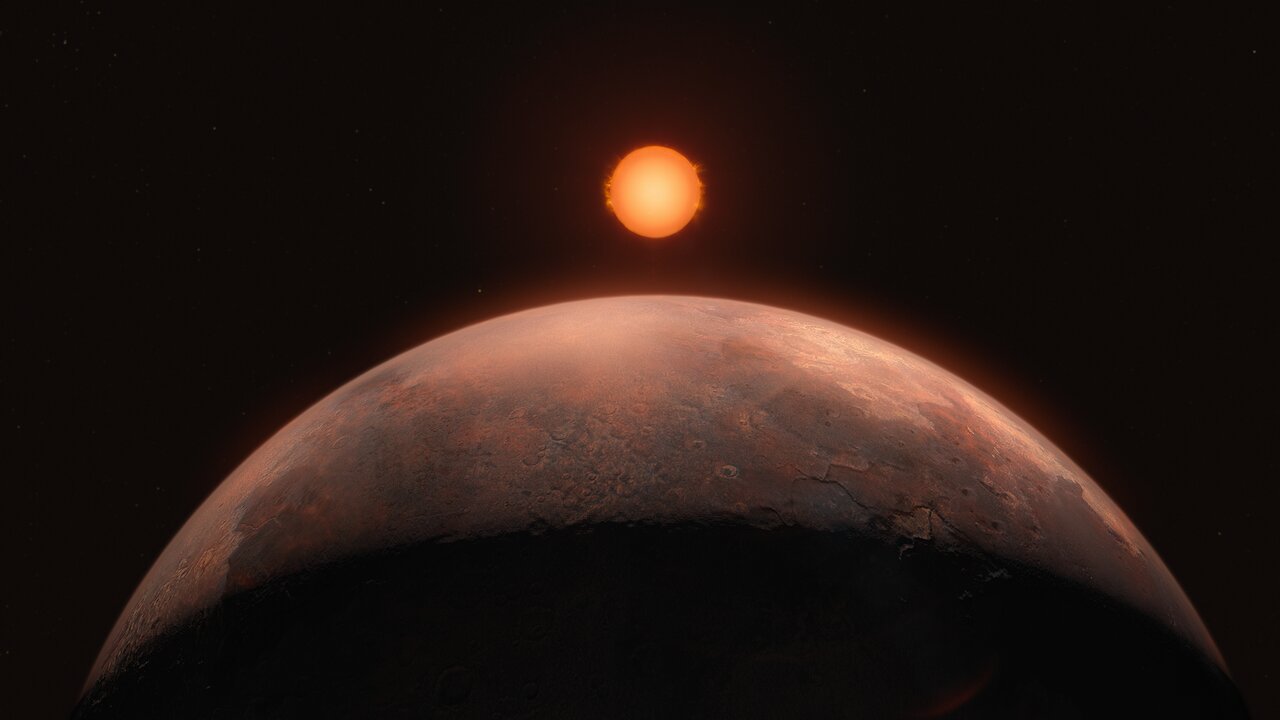
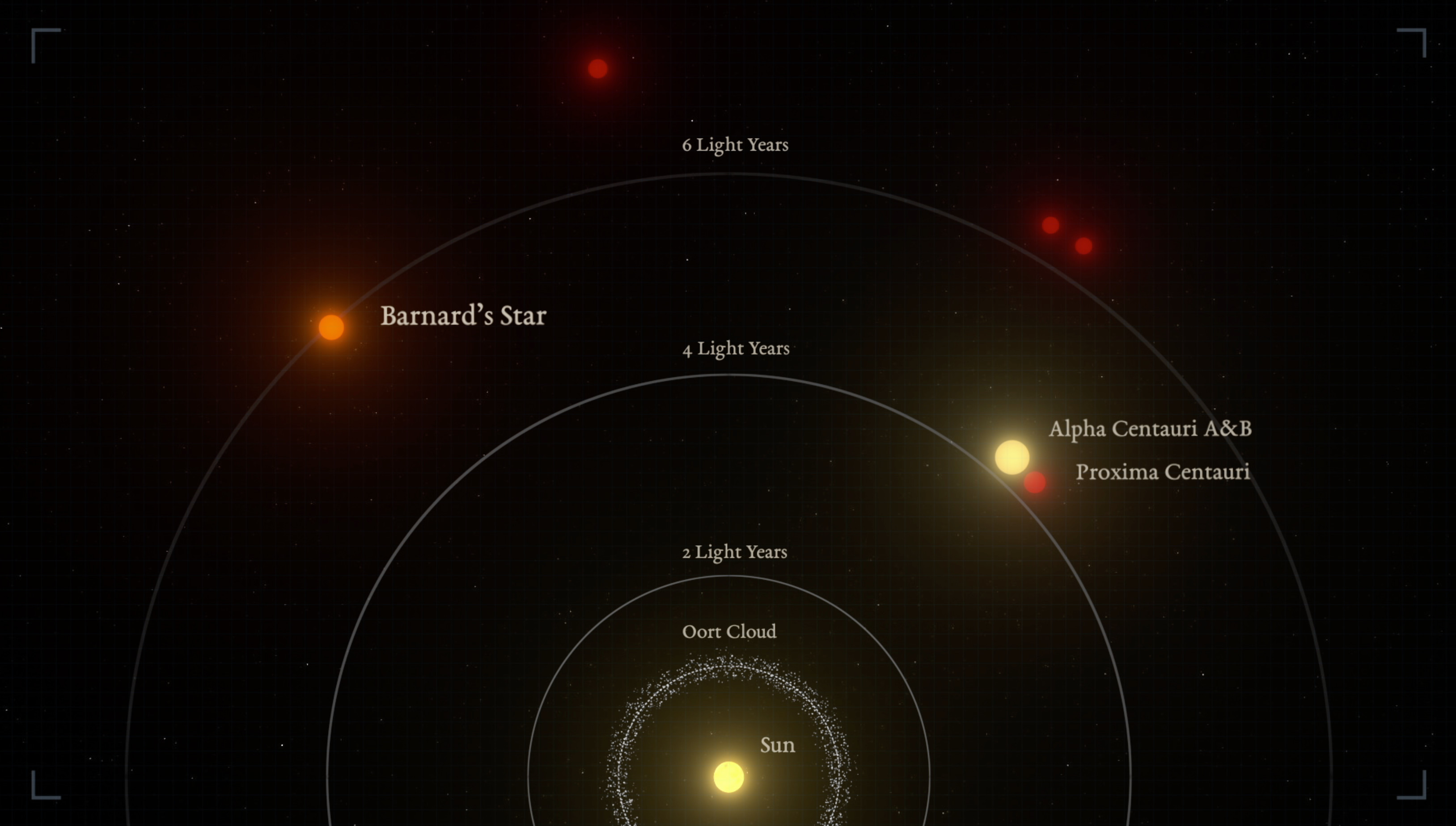
New results out of the European Southern Observatory’s Very Large Telescope. Astronomers found a planet orbiting Barnard’s Star, the second closest star system to the Earth. The planet Barnard b orbits its star every 3.15 days and has a mass about 0.37 times that of Earth. There are also hints of planets with 2.34, 4.12, and 6.74 day-orbits, although more observations are needed to confirm the existence of those planets. image
CERN has a "Which elementary particle are you?" particle physics personality test. I'm not sure if I should feel insulted by my results 🙃 https://scoollab.web.cern.ch/sites/default/files/Particle_v2/index.html image
WebbVR from @npub1memy...cmlc just launched the 5.0 update, which adds images and video for 25 new JWST discoveries. If you have a VR headset sitting around, it's worth checking out. image
What has #JWST learned about how stars form, from the cold-dusty molecular clouds where star formation begins to disks where planets form? What's next for JWST? Check out this new article on WebbTelescope.org. Also, there are pretty pictures, because star-forming regions are gorgeous. #astronomy #space #Astrodon image