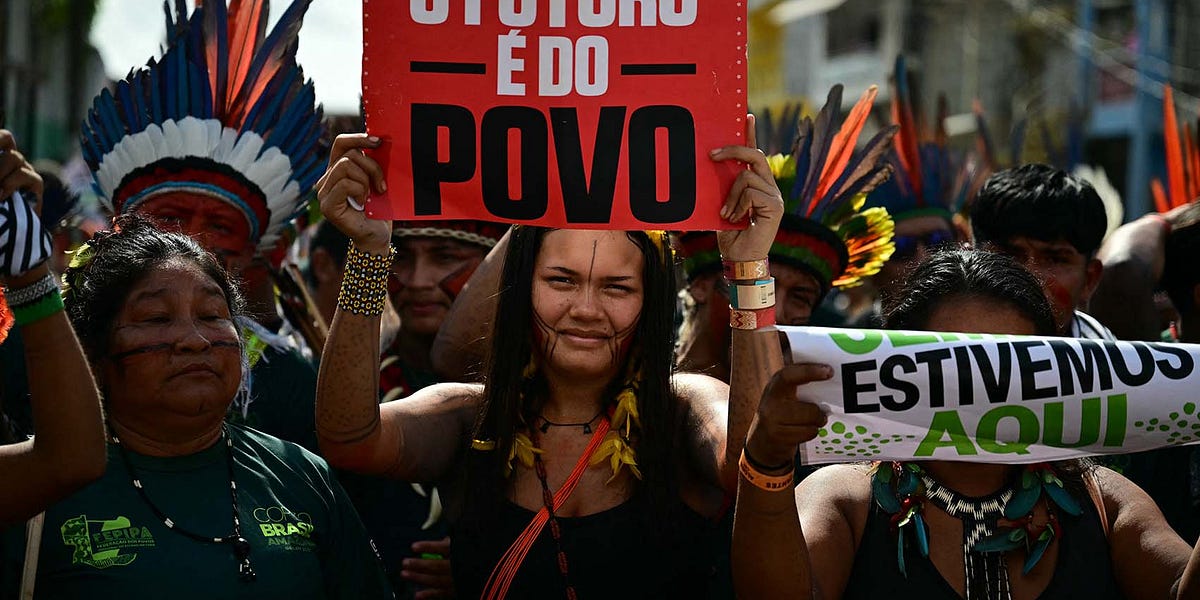
Two years ago, negotiators at COP28 in Dubai agreed to “transition away from fossil fuels”. Now, that language has been dropped from the final proposal emerging from the COP30 summit in Belém, Brazil, underscoring deep divisions over the future of global energy.
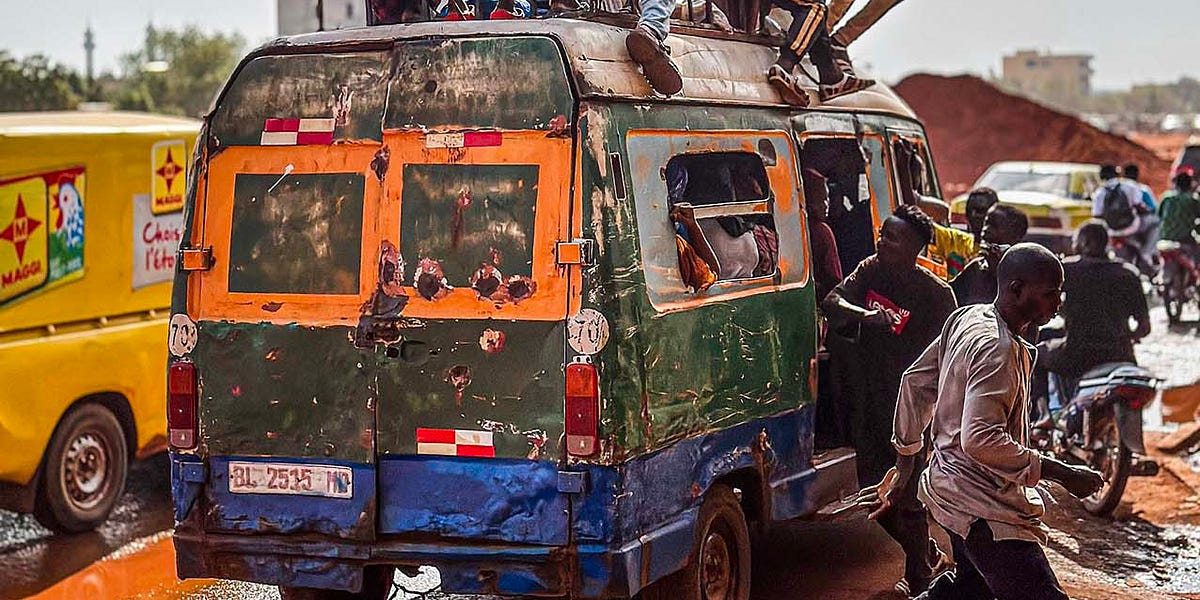
Mali’s capital Bamako isn’t yet spiralling into chaos, and the militants are not quite at the gates, but the fuel crisis has cracked the image of control the junta has worked hard to project
Just us: A dog and his companion share a moment of almost sacred stillness and solitude on the shores of Lake Abaya, Ethiopia, in an image that was recognised at the recent Uganda Press Photo Awards. Photo: Lucas Oyugi image
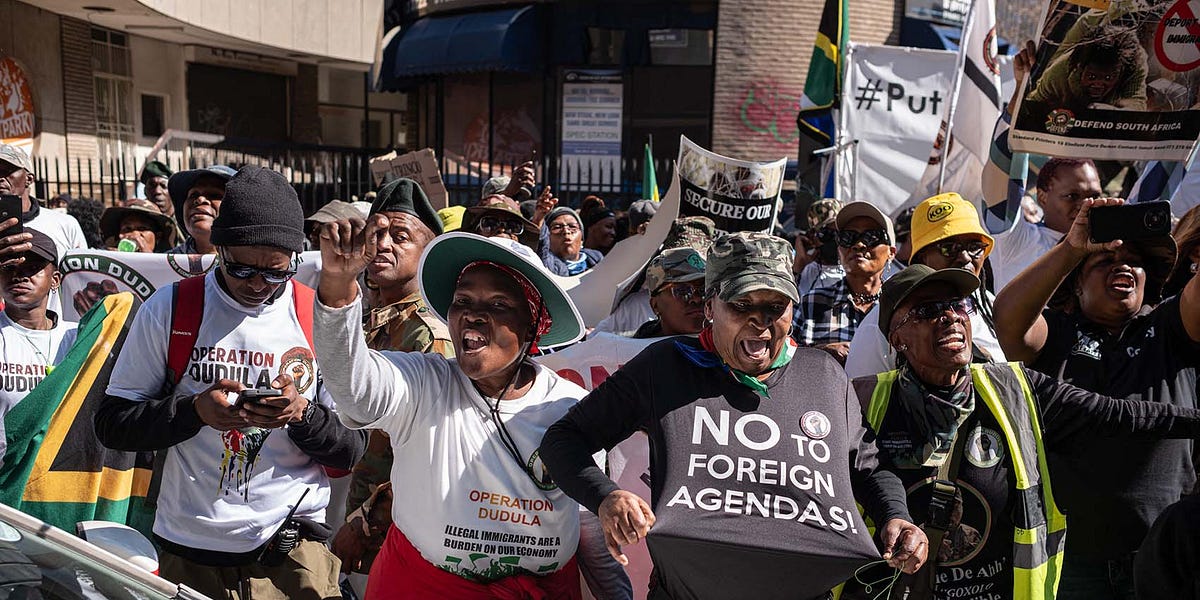
The high court in Johannesburg has ordered an anti-migrant vigilante group to stop blocking foreigners from entering government health facilities and schools, actions it said were unconstitutional.
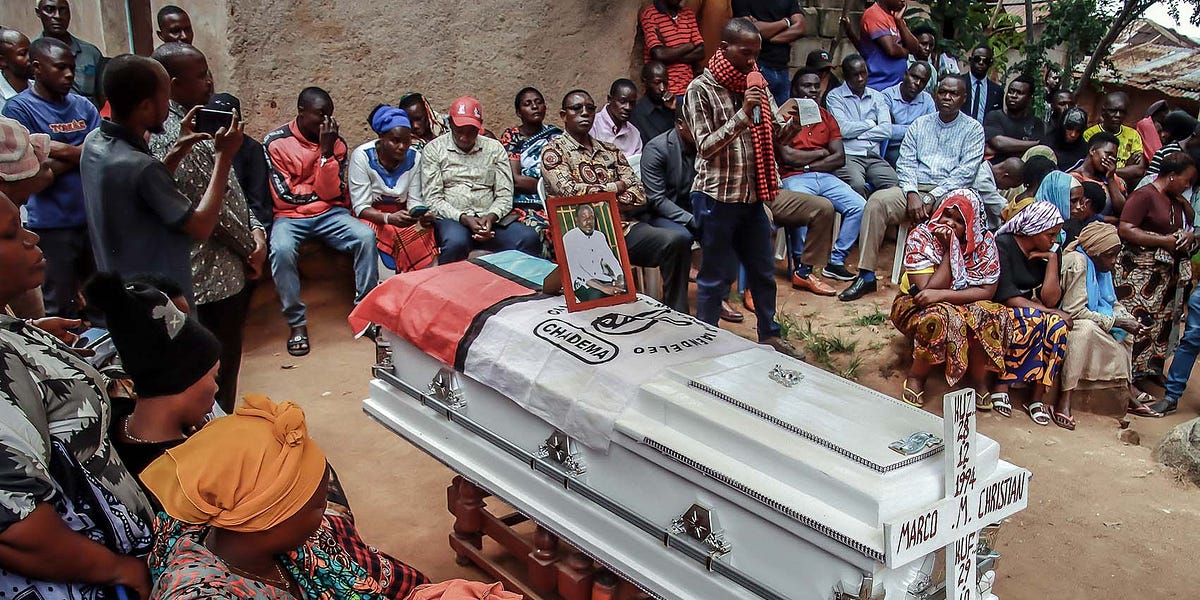
Samia Suluhu Hassan ran all but unopposed in Tanzania’s presidential elections on 29 October. The only surprise came from the streets when protests broke out. Under the cover of an internet blockade, security forces met the protesters with force. Official statements now claim it was all nothing but a few skirmishes with “foreign” rioters. Our readers recount what they saw.
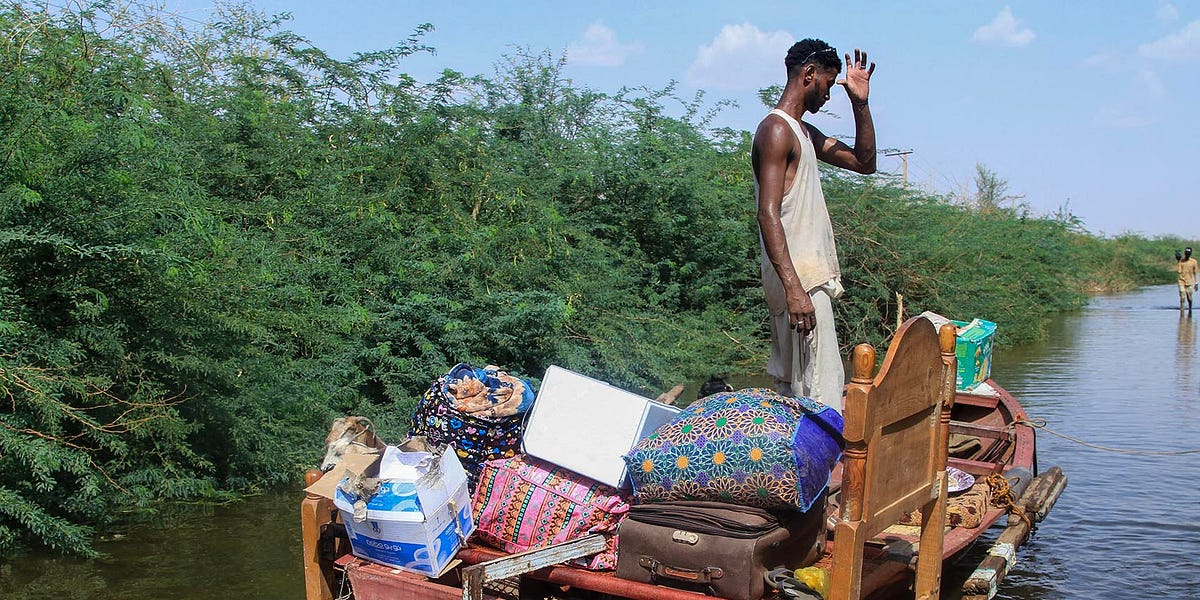
Nearly a million people across six states in South Sudan are battling floods, the UN Office for the Co‑ordination of Humanitarian Affairs warns. About 335,000 people have also been displaced – many are crammed onto shrinking patches of higher ground in Jonglei and Unity states, two of the hardest‑hit.
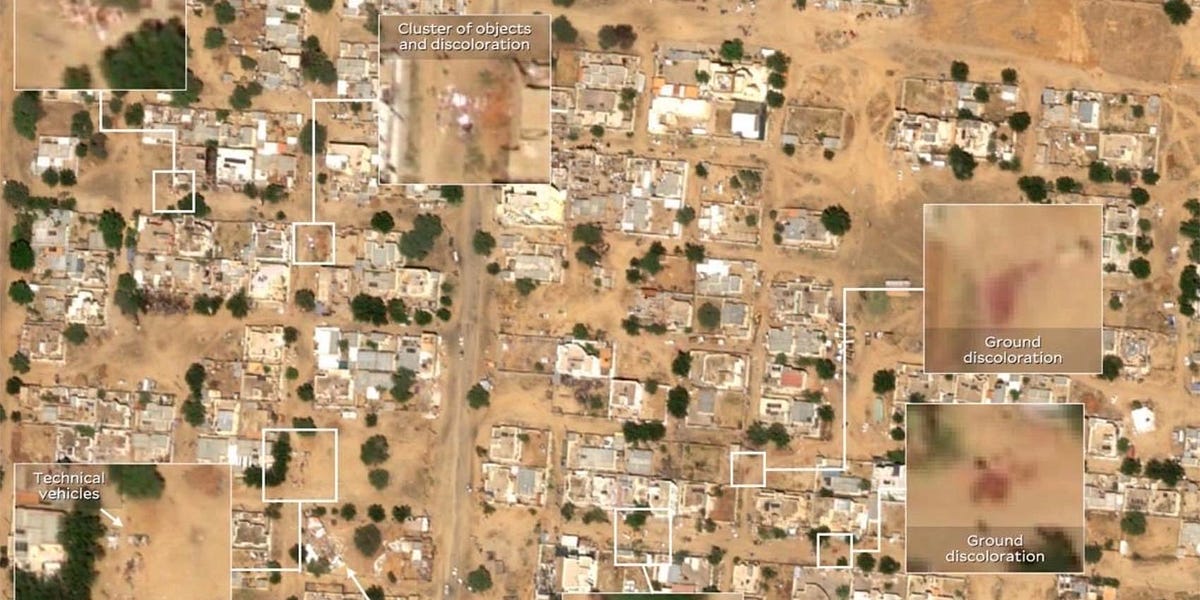
The Rapid Support Forces seized El Fasher this week after besieging the city for more than 500 days. It was the last Darfuri city not under the paramilitary group’s control. The 6th Infantry Division of the Sudanese Armed Forces and allied groups withdrew on Monday. This brought El Fasher’s long resistance to an end and gave the RSF control of all five states in the Darfur region.
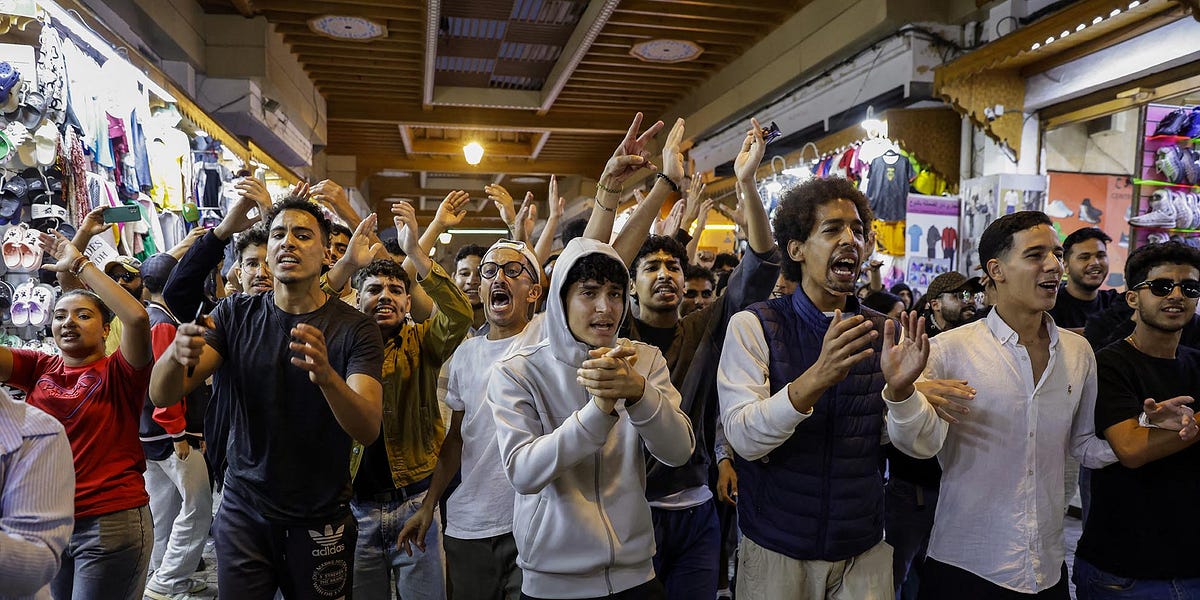
After a brief pause, young Moroccans returned to the streets of Rabat on Saturday. Rallying outside Parliament, they demanded better healthcare, education reforms, and action on corruption and rising prices.
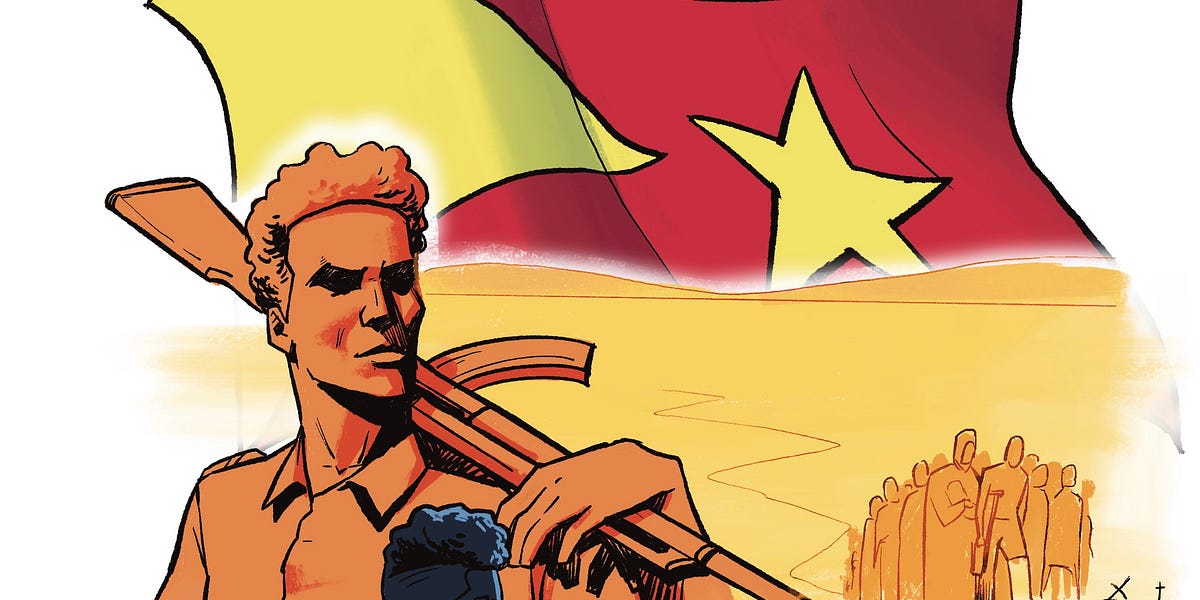
In 2024, the IOM tracked 446,000 people leaving the Horn of Africa via the “Eastern route”, crossing into Yemen to reach the Arabian Gulf. Ninety-six percent were Ethiopian, and a third of those were Tigrayan – although Tigrayans make up only 6% of Ethiopia’s population.
Building up: The annual replastering of the Djinguereber Mosque, also known as Djingareyber, in Timbuktu. It was erected in the 14th century during the reign of Mansa Kankou Moussa and is 700 years old. Photo: Hameye Capii/AFP image