Building up: The annual replastering of the Djinguereber Mosque, also known as Djingareyber, in Timbuktu. It was erected in the 14th century during the reign of Mansa Kankou Moussa and is 700 years old.
Photo: Hameye Capii/AFP
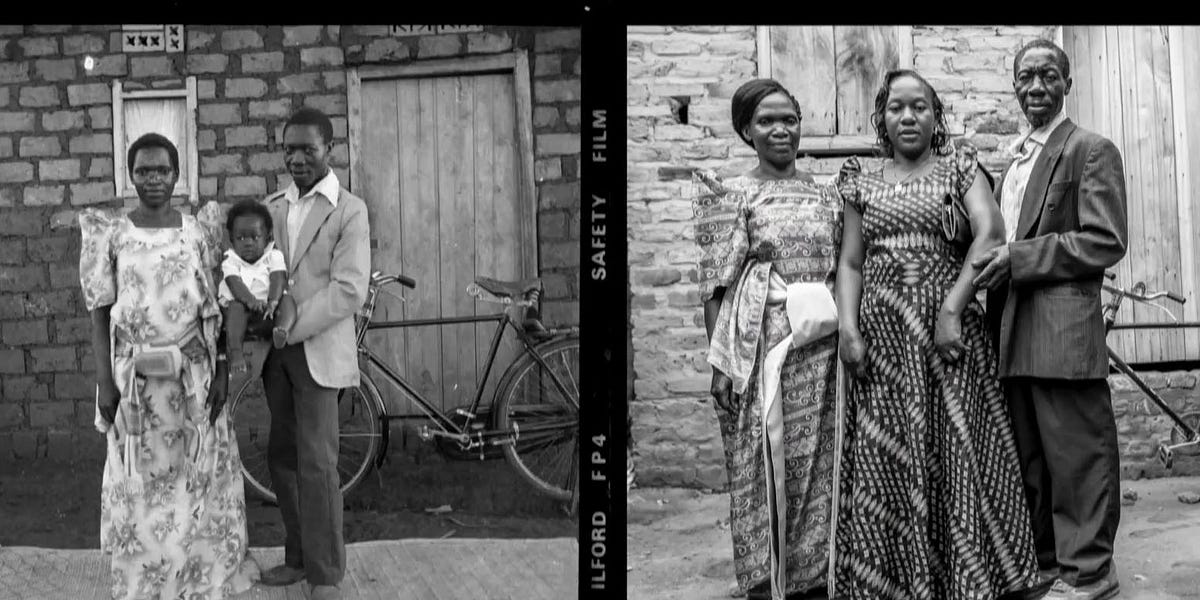
In 2002, actor and filmmaker Ntare Guma Mbaho Mwine's car broke down in the Ugandan town of Mbirizi. While waiting for repairs, he wandered off with his camera and stumbled on a small photo studio run by Ssalongo Kibaate Aloysius. That chance meeting sparked a 22-year journey to share Kibaate’s art with the world.
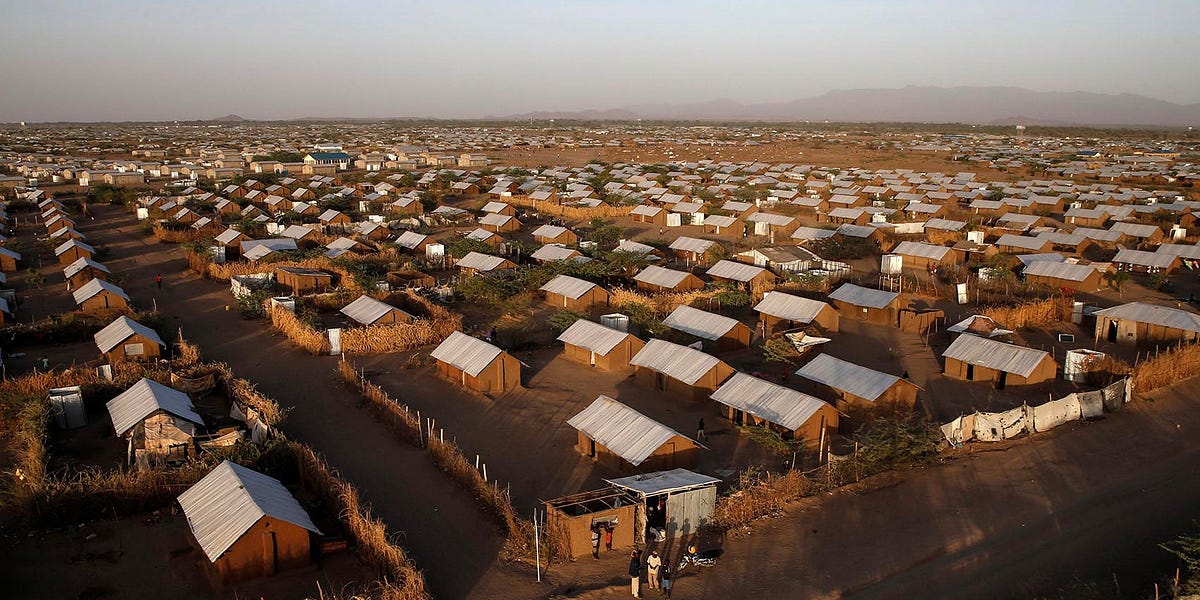
International “aid” for Africa is shrinking – hastened this year by chaos and renewed insularity in the United States. Africa’s trade with the world is shrinking too. For heavily indebted countries, a perfect storm has made landfall.
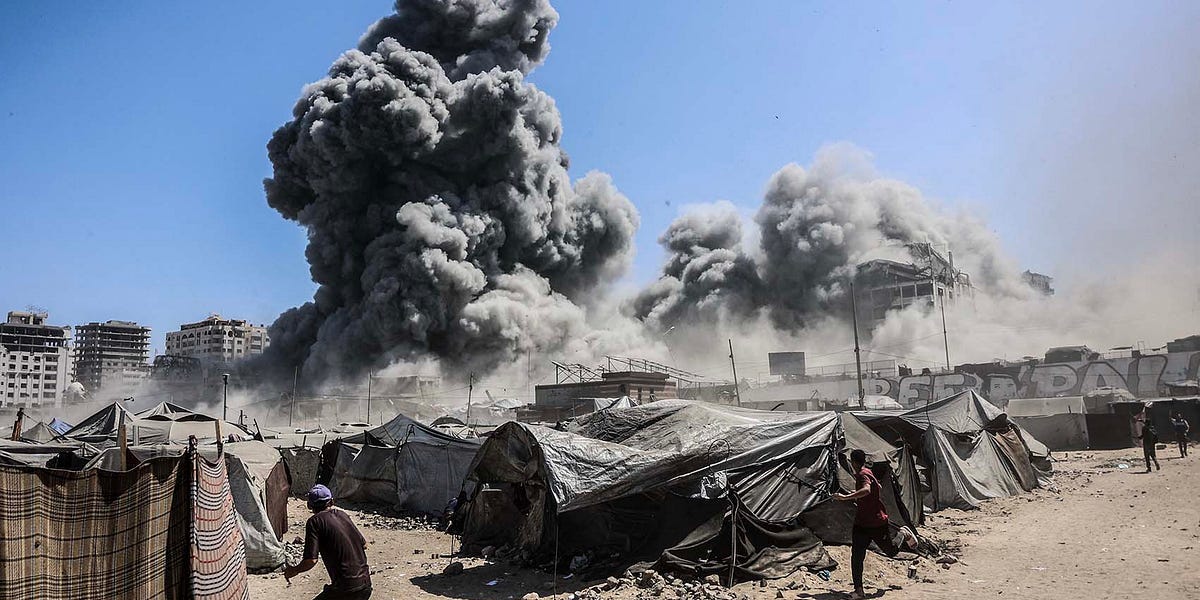
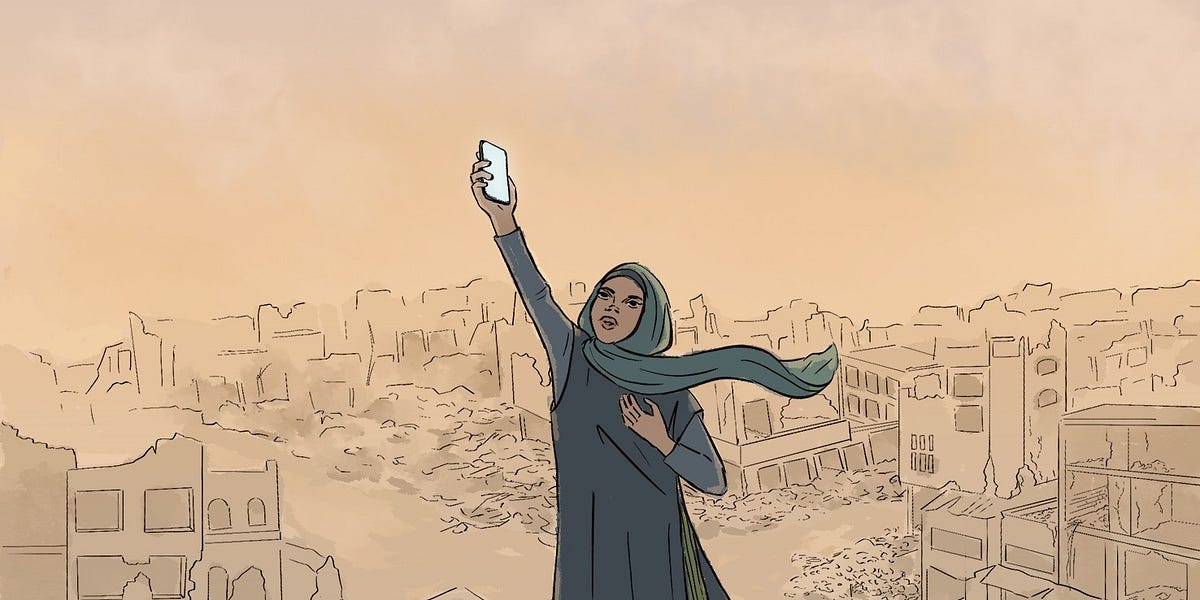
For five months after Israel’s war on Gaza began, Sherif Naim couldn’t open his laptop. Now, he runs Taqat — a solar-powered co-working hub helping 700+ freelancers survive war. Others like Gaza Talents are doing the same: rebuilding, even under bombardment.
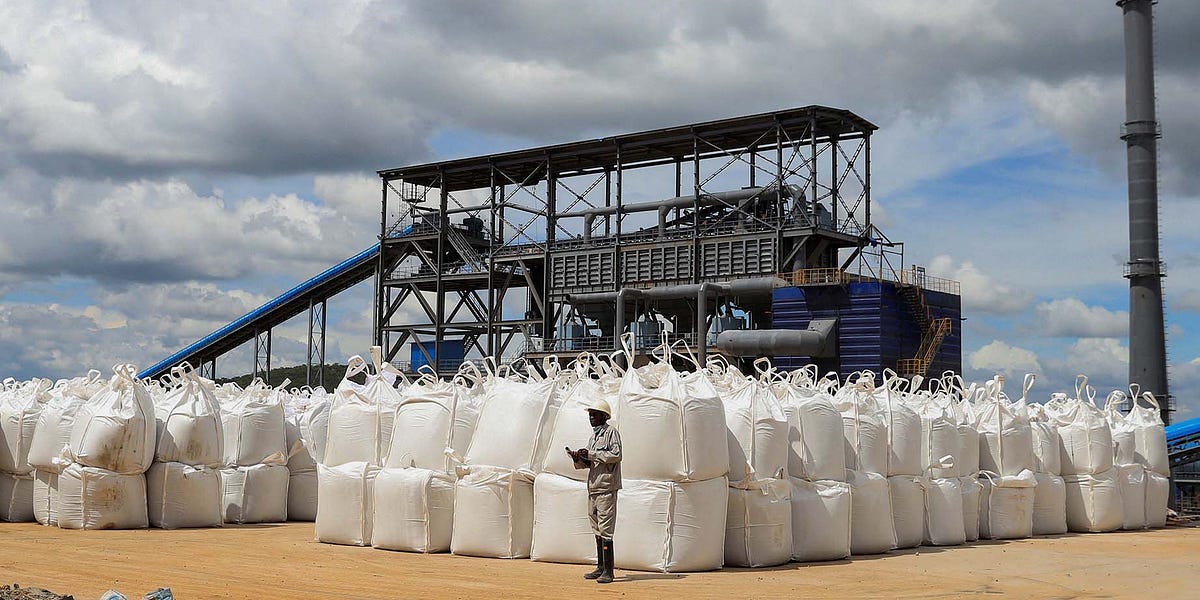
Zimbabwean authorities took farmlands back from white farmers in the early 2000s to redress colonial imbalances. Two decades later, in lithium-rich areas, land is parceled off again – this time to Chinese miners.
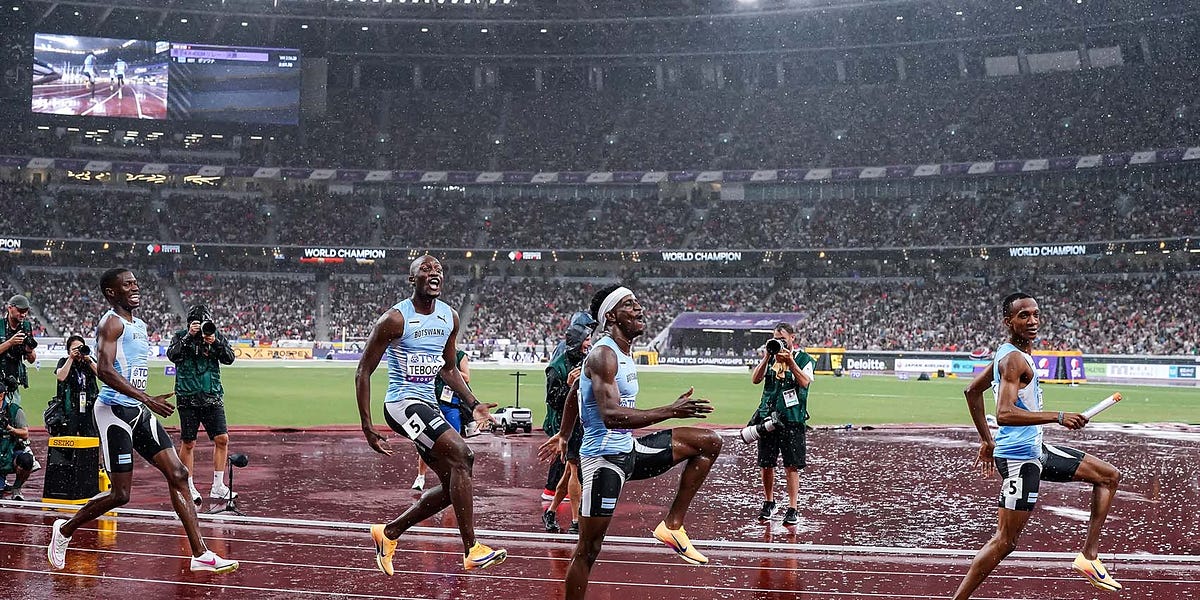
It was raining hard in Tokyo when the Botswana men’s 4x400m relay team made history on Sunday, claiming gold at the World Athletics Championships and stunning the sprinting community.
Victory in those conditions felt especially auspicious. It rains so little in Botswana that the country’s people revere precipitation. The Setswana word for rain – pula – also means wealth or blessing, and lends its name to the country’s currency.
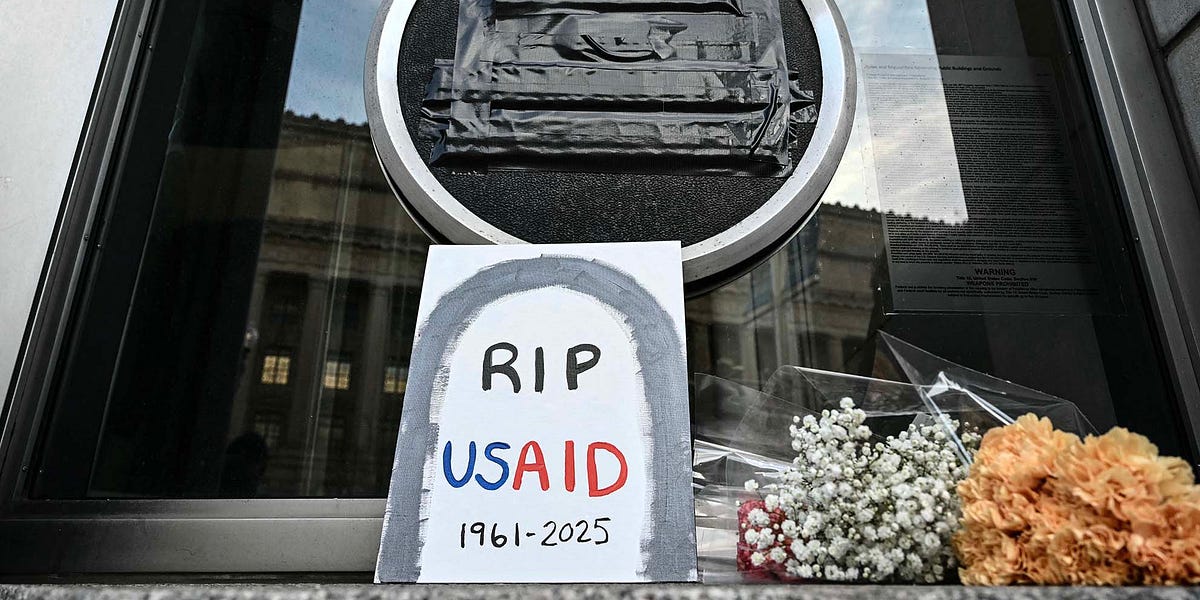
Over the next 18 months, the United States will overhaul its role in global health. A new state department policy, published on Friday, outlines a slower, more orderly pullback than this year’s abrupt closure of USAID.
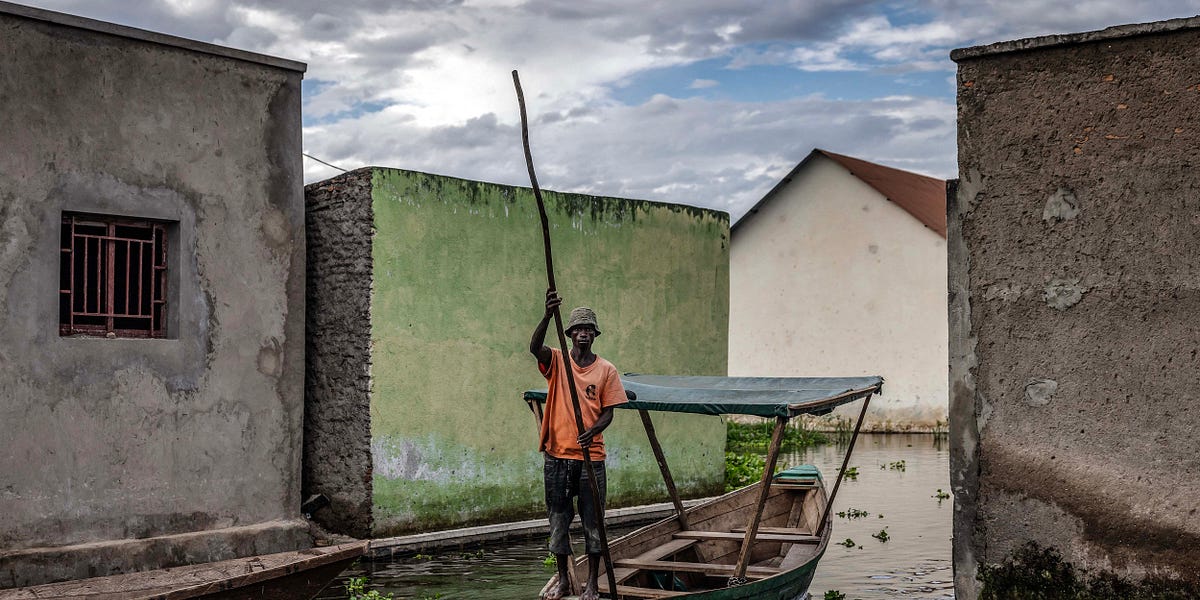
Many African countries are spending up to 9% of their national budgets on climate disasters. Leaders are trying to future-proof the continent for a world of evaporating climate finance and accelerating pollution.
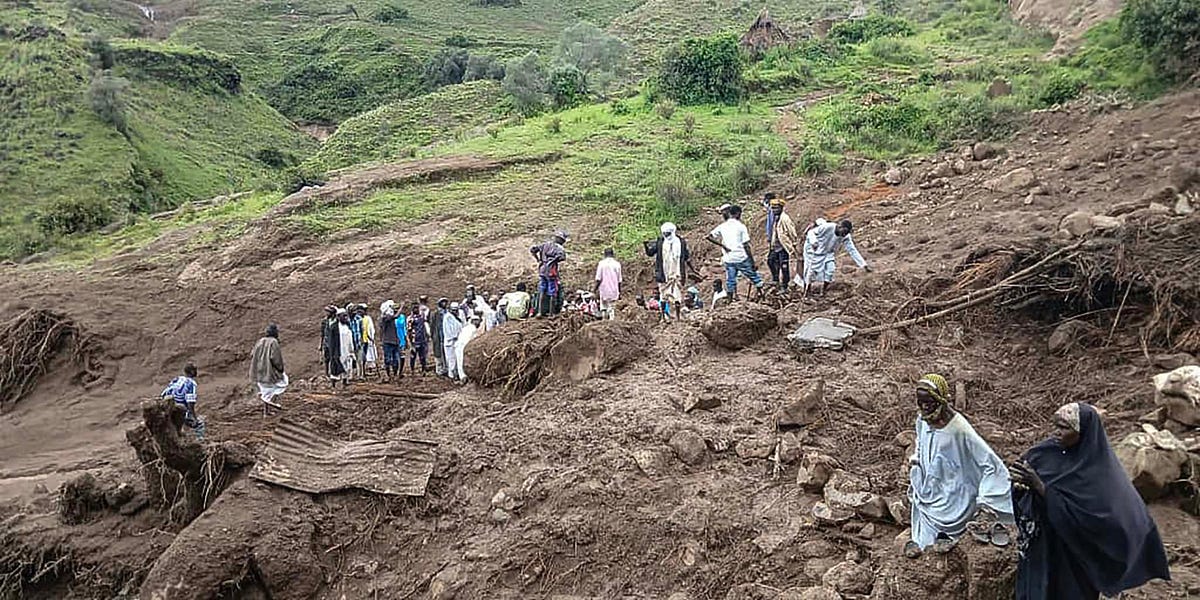
Days after a massive landslide buried about 1,000 people, only a few rescue workers have managed to reach Tarsin, a remote village in the Jebel Marra area of Darfur in Sudan. The landslide on Sunday also killed more than 5,000 animals, including sheep and camels, destroying survivors’ livelihoods.
In May 2022, an Israeli sniper shot and killed Al Jazeera reporter Shireen Abu Akleh. Last week, Israel targeted and killed five journalists in one attack. In between those dates, Israel became the largest killer of journalists in the world.