
Built in 1889 on the site of an old railway station by a worker's co-operative, labour and materials supplied by worker-owners themselves on land purchased collectively the 10,800m² Via Lincoln in Milano, Italy. 40 townhouses and villas. Stone foundation, plastered brick construction, two floors with individual courtyards and ample gardens in a tight pattern. Most town houses or apartments are 100-280m² and built to be dirt-cheap. Today obviously, this is an extremely expensive street with even the smallest and meanest of houses going for at least €1,3 million. There is zero reason we could not do this in any town or city, on infill or brown sites, just like these impoverished workers did 136 years ago. https://hell.twtr.plus/media/747becd5cf3ff6b69625bf7e060c1573a10e120c484d239c0d87ce3cca1ed792.file https://hell.twtr.plus/media/9398cee02d66cba1ff4cc10e6464d6addf38db9940bb0f9320d1efcdecd00b2a.file https://hell.twtr.plus/media/edb98ea69a0ea14e21b3b1eb77feb430efcc0466ab62ff810af22d97835f494d.file https://hell.twtr.plus/media/b1123609bf4690f643d4e78c3fa9a1f91a3fadfd0c3bde269d0789199ff846fe.file
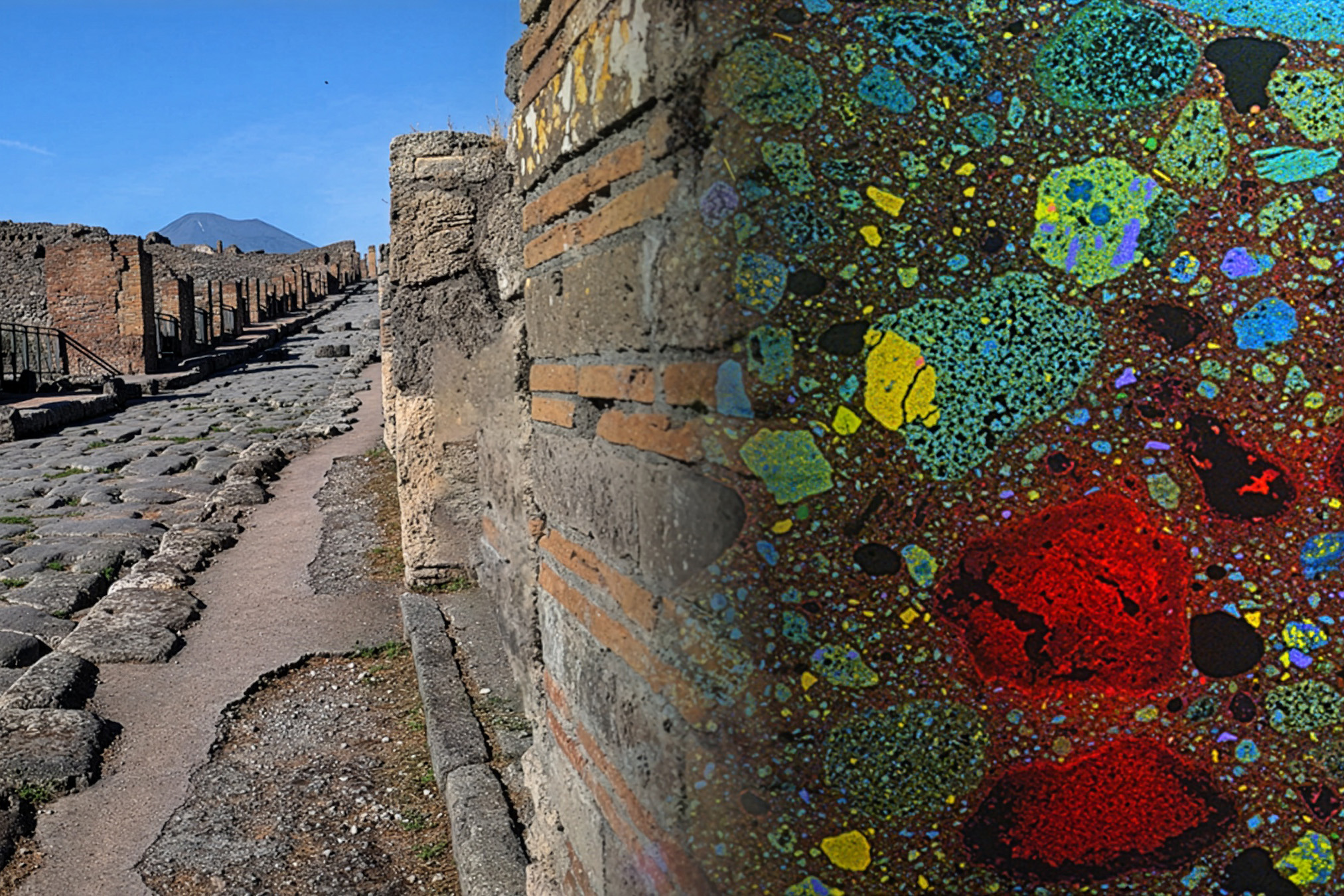
MIT researcher describes coming across an ancient building site with concrete mixing tools and ingredients in situ, at Pompeii and finds evidence of hot-mixing lime for concrete and plaster.
This reminds me of the senseless slaughter of whales by the Soviet whaling fleet. https://hell.twtr.plus/media/470652a7f120b7e7502b56250412f975a9ab0913ad155fc702b4c8336b5b11ee.file
Yes. My great grandfather's army boots still polish like new, but my (admittedly well made) mass produced Indonesian brogues have so many stitches it looks like as if doctor Frankenstein had a sideline in cobbling. I read my old Fontana edition of Chesterton's Orthodoxy one last time a few years ago. The acidic pulp used in its printing means a lot of what was printed in the 1950s and 60s will disintegrate the next time it is read. The cheapo clothes I bought for my first outing in junior high are still wearable, the coat I bought 15 years ago is falling to pieces but the coat from 1918 still looks brand new (apart from a few moth holes). And this goes with anything and everything: the purpose of modern education is not education. The purpose of modern health care is not health. The purpose of modern building isn't home. The purpose of modern culture has nothing at all to do with real culture. https://hell.twtr.plus/media/439959eea71887dd02cf2abdd7e10c8c027a1918602fee7664663dd0b59d0a83.file
One of the most misunderstood posts I have ever made here. Japanese users have noticed that the Grok translation "hallucinates", other users have problems realizing that this is just one snapshot of development in one particular place in the greater Tokyo metropolitan area, and just one particular piece of infrastructure and merely one particular kind of railway. Others have been confused about the cover mentioning a completely different subway line in a completely different part of Tokyo. But that is ok. As long as you keep it civil and read it generously I will try to answer questions and clear up misunderstandings as politely as I can. https://hell.twtr.plus/media/0cc594522ddda1c05b20ee74127ee23ad01ec0b928d62099710747adca247009.file https://hell.twtr.plus/media/fb559da3a1729fa04c36d7058607f1713b01b7e16c9279834e4a4a03f84751b4.file
Infrastructure disappear, buildings disappear, even memories disappear. In one hundred years many of our developments and new towns will have faded away for ever as even the last digital records of them ever existing quietly dies on some hard drive in an attic. https://hell.twtr.plus/media/182d67e6cf83821de6b138dcf99d3226506b4b31d03183c9d245069320761274.file
But the major factor behind widespread commercial adaptation of the crushed stone piling method is probably that in the long run it is very cost effective. Unlike concrete piling there is no need to restore the land after tearing down a building. Typically removing concrete pillars cost 1.5-2.0 times as much as putting them in, and by Japanese law buried concrete has to be completely removed when a building is buried. The reason of course is to avoid contamination of the soil and groundwater by water soluble hexavalent chromium, and extremely toxic and carcinogenic compound that exists more or less in all concrete. Americans especially will be aware of this toxin after the publicity efforts of Erin Brokovich in 1993-1996 where the massive groundwater contamination by Pacific Gas & Electric (PG&E) in Hinkley, California, made the Chromium-6 infamous, leading to historic settlements ($333 million). Chromium-6 poisoning is also one of the reasons construction workers take extreme precautions against getting concrete dust on their skin and even worse, in their lungs. Crushed stone pilings are 100% natural stone and can be left in the ground as is without any clean up costs or any risks of contamination. From a resources perspective it is also far more environmentally friendly than even a cup of cement or concrete. https://hell.twtr.plus/media/10391602e286995832320a047faf473dda7223c5320c4c42552c59d509d5e536.file https://hell.twtr.plus/media/0396efd20ed38065ede908981666d56d9d9b51e574372e57e14cd1f48f05b5f2.file https://hell.twtr.plus/media/d5b3928c19acc95917902ccc27afec252a68b4f84b47eb59f138f3dfa9cc4ad7.file
After the Great Hanshin-Awaji Earthquake in 1995 it was discovered that infrastructure such as harbor piers that had used crushed stone foundations hadn't suffered any damage from the earthquake even while identical structures nearby that had used regular concrete piling had been destroyed from the effects of soil liquefaction. Soil liquefaction is when waterlogged soil for a few moments turn liquid from the shaking, pushing some things up (like pipes, manholes, concrete foundations) and sinking other things before turning instantly solid again. A famous example is this car in New Zealand. So around 2000 the crushed stone piling method was developed for commercial use and is now fairly common in Japan. While not suitable everywhere, it is the preferred method on certain soils. https://hell.twtr.plus/media/e8d02c0599b06461dc17819f1f651971adbabc71d05918611aedefe25d02d566.file https://hell.twtr.plus/media/f8a1d554e8b32b75196742bfb07390a658de7809a2306698aeb654609594165b.file https://hell.twtr.plus/media/61f7376361abdf94d30da85bc685cf394e918083b3e8b37c8f61af8cba9d2404.file https://hell.twtr.plus/media/1bbcb1cc237ee18beaa676835a622f9c7a503c47cbe21b8e4551b8b49bf9ba5b.file
Crushed stone piling is an alternative foundation method for buildings on softer soils. Instead of drilling or pounding down concrete or steel pillars, holes are drilled and filled with crushed stone. While a little more expensive than regular deep pile foundations they have several advantages, not least that they are basically immune to soil liquefaction, a major hazard in earthquakes. https://hell.twtr.plus/media/153a377d01c8d9f1d96681e0a00a49b8678f2dcb1005009cba76e5aa616273cc.file https://hell.twtr.plus/media/bffd2078446df89c560e4411f5e97a87bbd06741a57cc04293227d73a1ebbdf1.file https://hell.twtr.plus/media/93896f4b624de2317f4165f69bf798590d264901a8c4613038ae63edc9437ba7.file https://hell.twtr.plus/media/25e2413032792206b27c96482e4adfd1a61f76a75fec748474e5515cada26484.file
RT @Trad_Arch_Bdays@twitter.com: Happy birthday, Gabriel von Seidl. December 9, 1848 in Munich, Germany. 1/ https://hell.twtr.plus/media/5b497ebdec3df368b2bcf6abb961cbc461b16c0129afeeee579cdc5d0ce6f4c0.file https://hell.twtr.plus/media/1d635ee02bd5f95451a6a10851b902763d5a365ba968ee906421c62cfad2d8a3.file https://hell.twtr.plus/media/90968bf2463f64a5c4826cab01160d84a9adf9159a36c15c2ee0e553542f6b52.file https://hell.twtr.plus/media/bd8e83e9782609b2328bc4285b22bb1814b509a3657f8a0a8533b477bd6b5ae3.file