Execs at G/O Media, owner of Gizmodo, Jezebel, and others, say the company will publish more AI-generated stories despite blowback for botched first attempts (Peter Kafka/Vox)
The FCC unveils the US Cyber Trust Mark, a voluntary cybersecurity label for smart devices that will signify that devices meet NIST-set security standards (Wes Davis/The Verge)
Peacock raises prices by $1 for its Premium tier to $5.99/mo and $2 for Premium Plus to $11.99/mo for new subscribers, and starting August 17 for existing users (Lauren Forristal/TechCrunch)
Brave appears to be selling copyrighted data for AI training and giving third parties the "rights" to that data, while not disclosing its own robot crawler (Alex Ivanovs/Stack Diary)
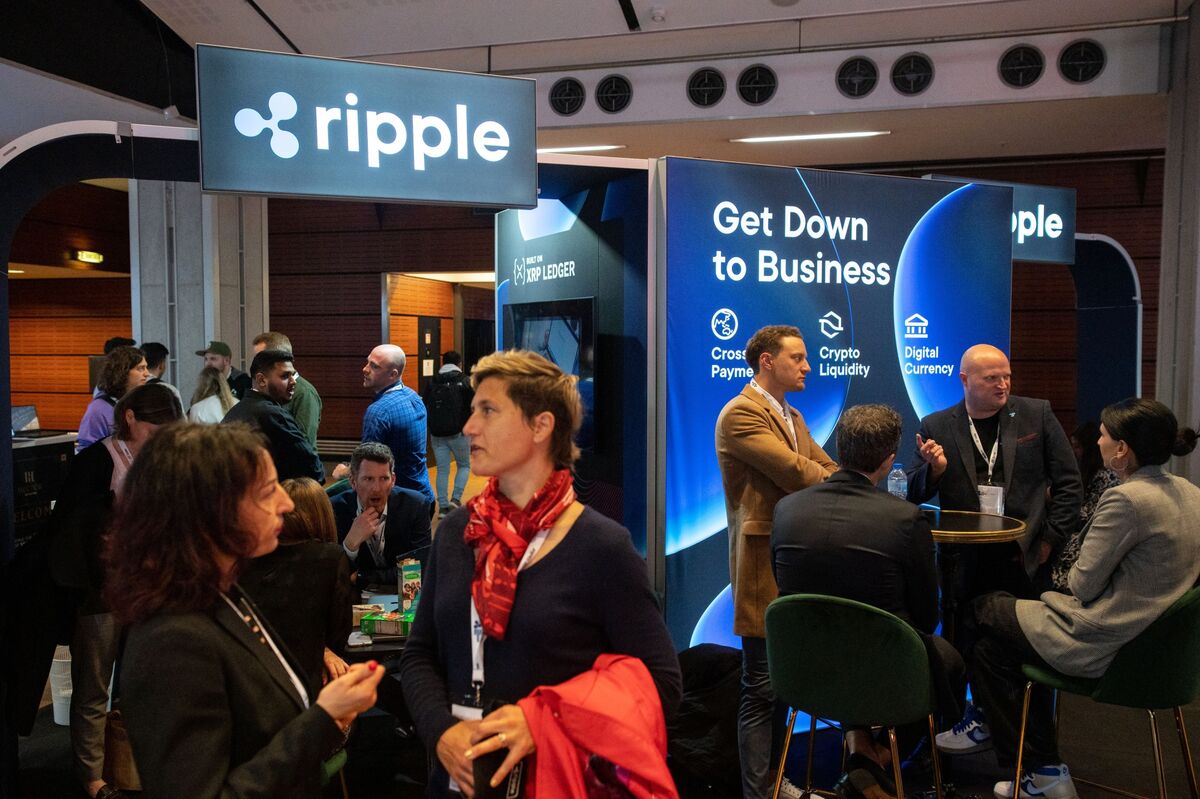
The Ripple ruling implies securities laws protect only sophisticated investors, the opposite of the US stock market's rule, and seems likely to work out poorly (Matt Levine/Bloomberg)
The AP signs a two-year deal with OpenAI, under which the AP will get access to OpenAI tech and license some of its archive dating back to 1985 for AI training (Sara Fischer/Axios) https://www.axios.com/2023/07/13/ap-openai-news-sharing-tech-deal
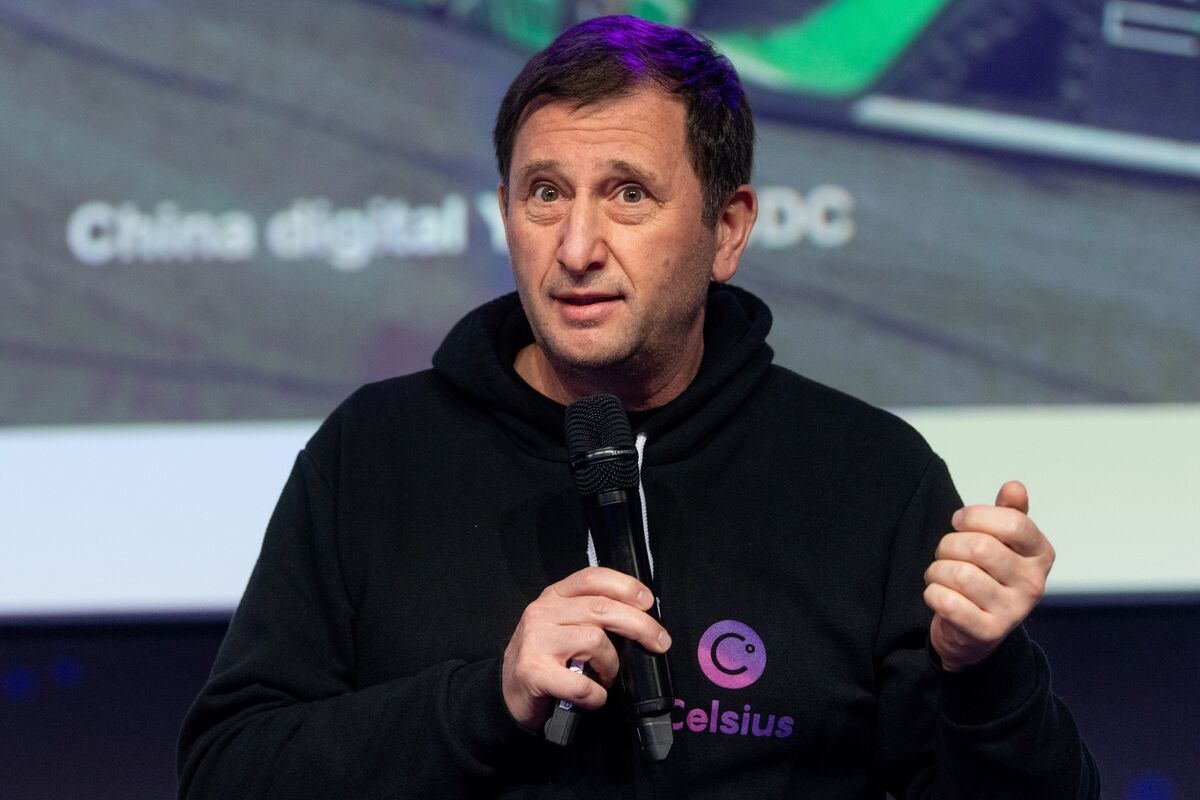
The SEC sues ex-Celsius Network CEO Alex Mashinsky and the company over selling unregistered crypto securities; a source says Mashinsky was arrested on Thursday (Bloomberg)
Gfycat, a Snap-owned GIF-hosting platform, will shut down on September 1, 2023; the site had been down for days in May due to an expired SSL certificate (Kevin Purdy/Ars Technica)
Twitter claims advanced notice about rate limiting would have allowed bad actors to evade detection and says rate limiting had a "minimal" effect on advertising (Kris Holt/Engadget)
Yahoo CEO Jim Lanzone says the company is profitable as a private firm and plans a future IPO; Lanzone joined after Yahoo's September 2021 spinout from Verizon (Daniel Thomas/Financial Times)