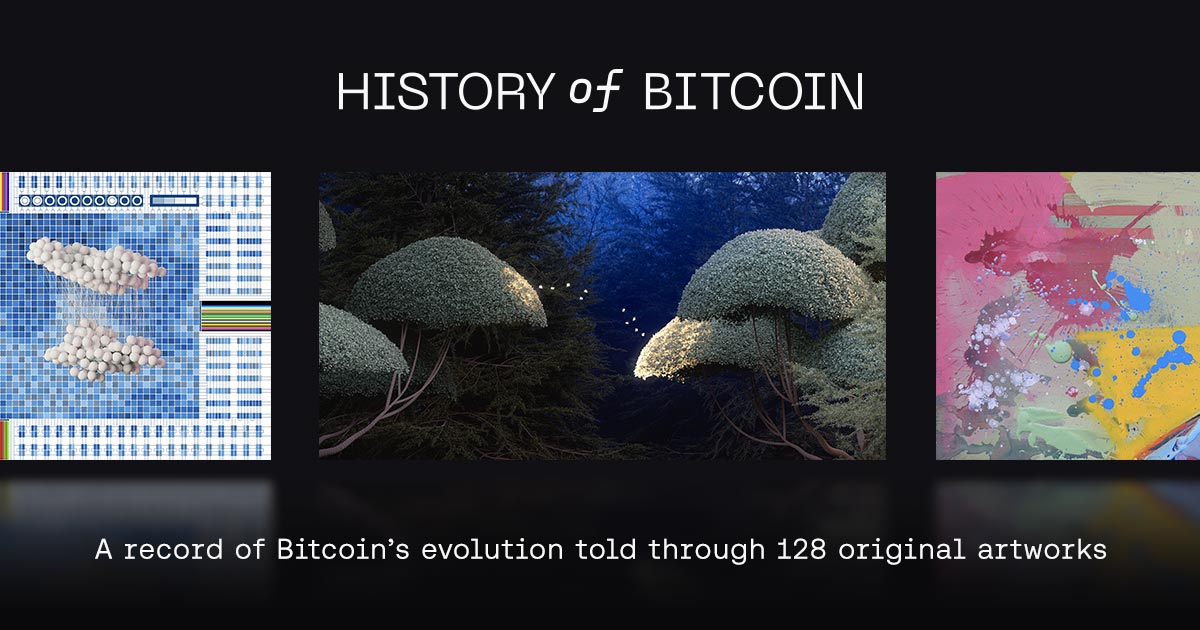
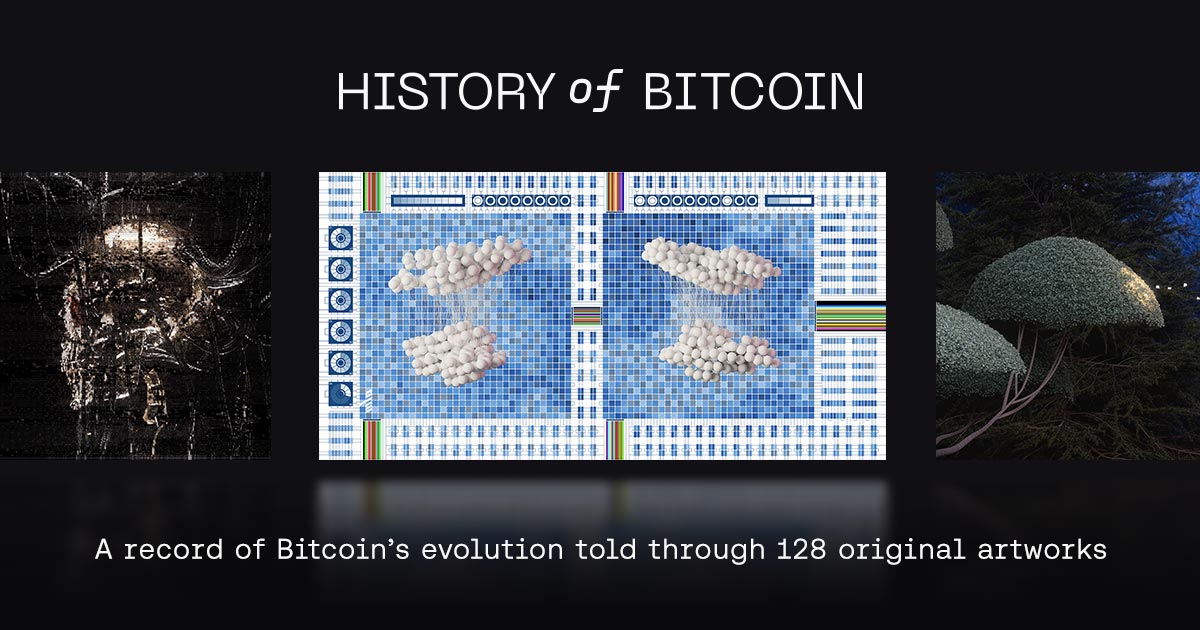
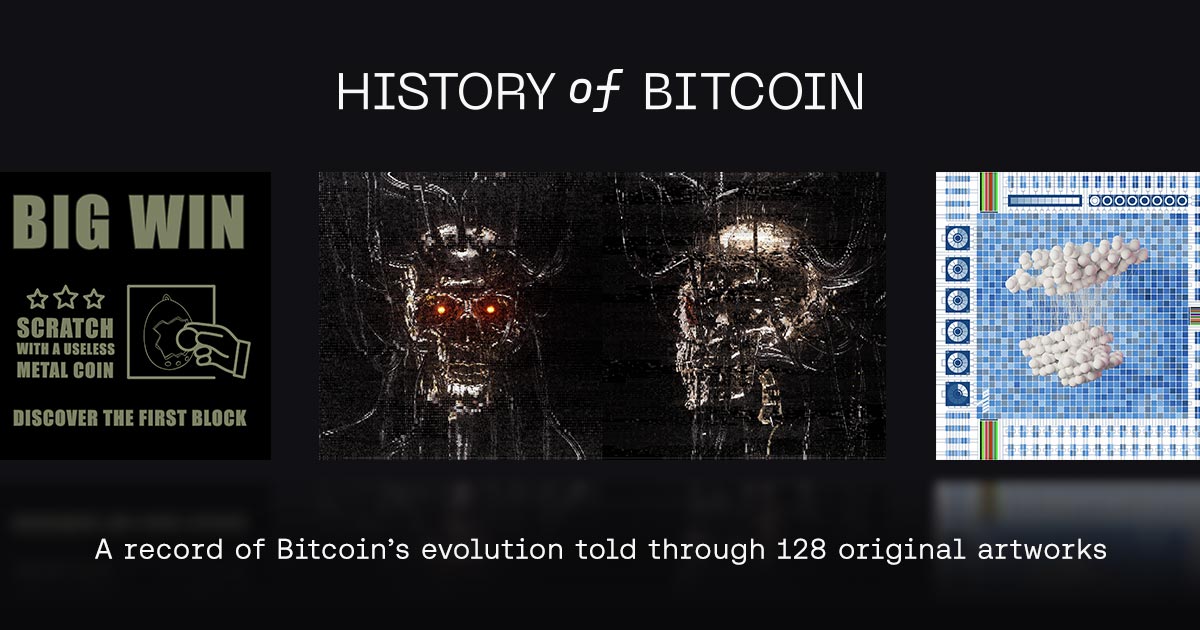
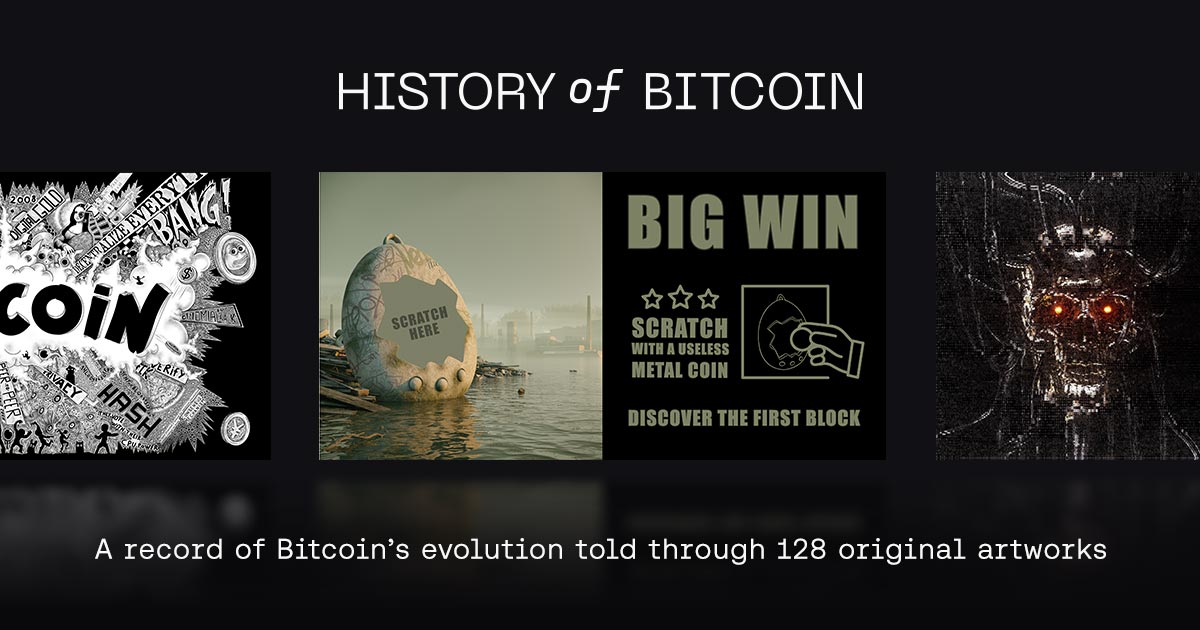
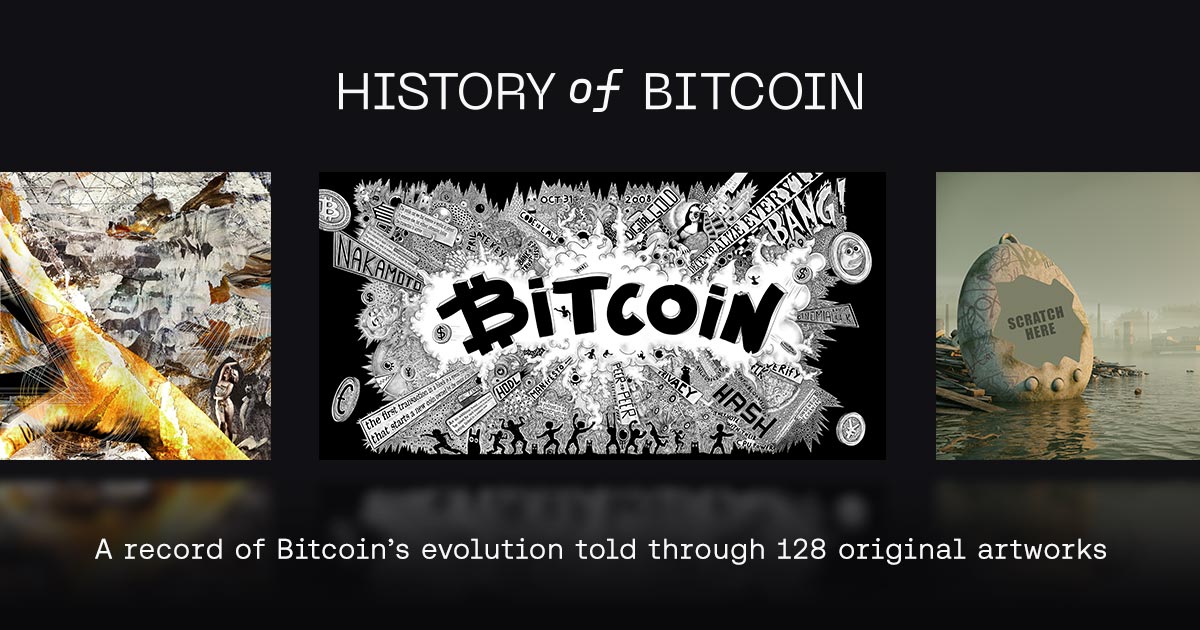
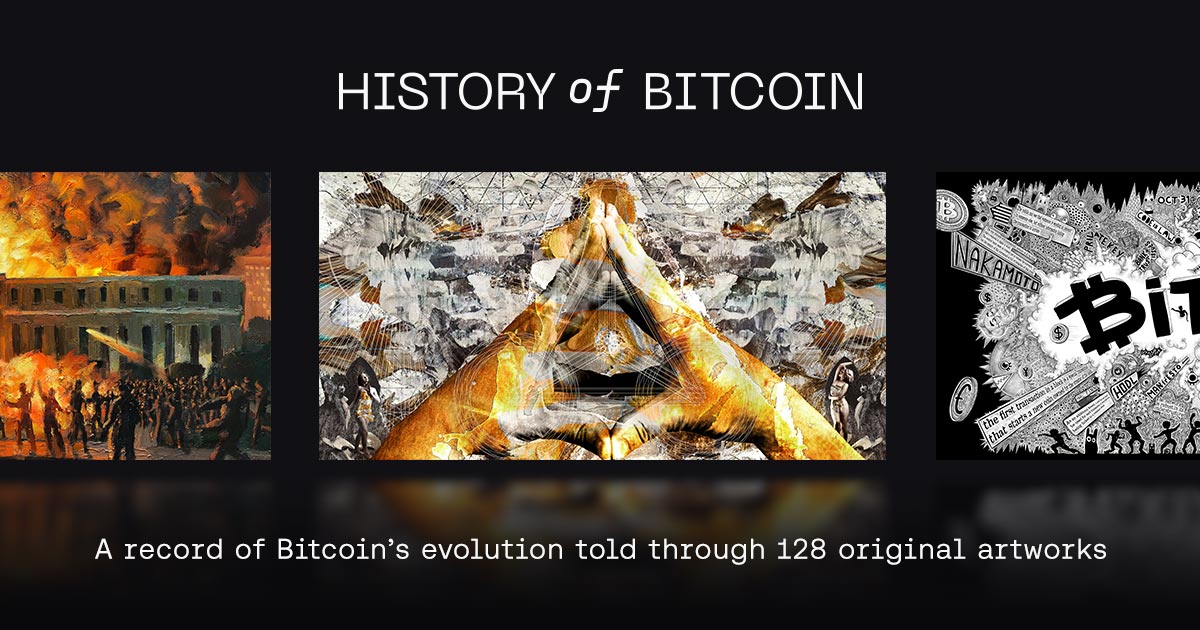
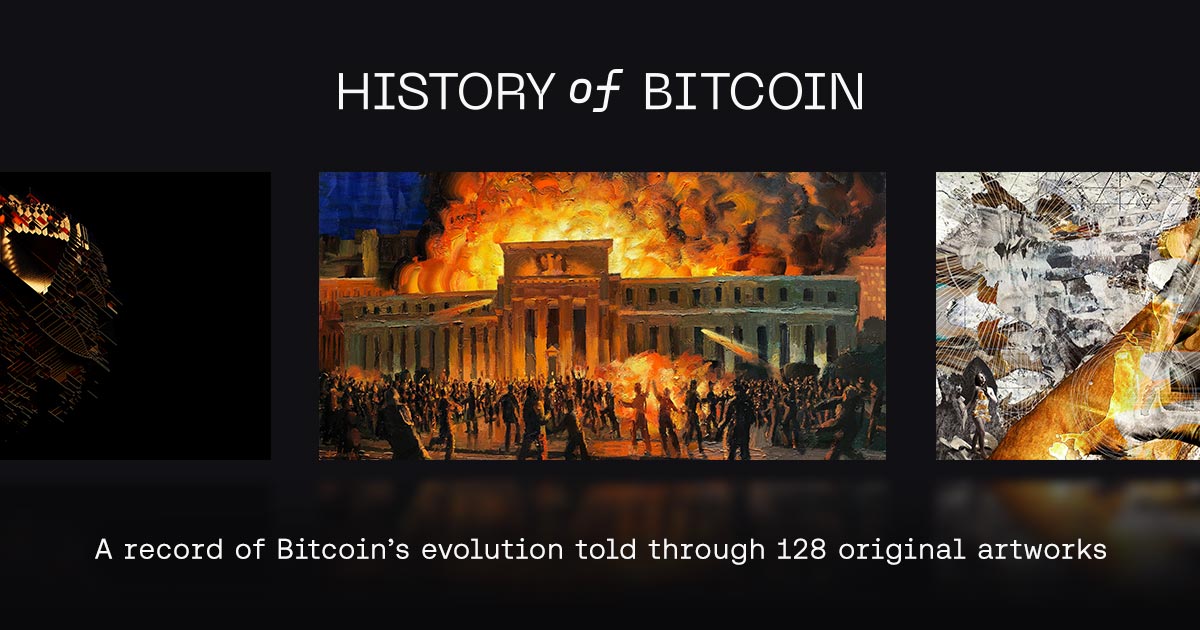
Great ideas spark movements, but collaboration turns them into reality. @Martti Malmi (@marttimalmi on X) was one of the first to help build #Bitcoin from nothing. Artwork by Pani Santiago (@pani_santiago on X). Martti discovered Bitcoin in April 2009 while studying computer science in Helsinki. He cared deeply about freedom and self sovereignty and believed technology could achieve what politics could not. Money, he realised, was the most powerful system to change. Centralised alternatives like e-Gold and Liberty Dollar had all failed. A peer to peer system was needed. Searching online, he found Bitcoin, read the Whitepaper and emailed #Satoshi offering to contribute. Satoshi first asked him to write an FAQ for bitcoin dot org. Soon he was helping develop the site and forums, improving the software, porting the client to Linux and coordinating translations. The early community was small, idealistic and focused on building a better monetary system. The Slashdot mention in 2010 triggered rapid growth. Miners flooded in and the culture shifted. Martti kept his node running so newcomers always had peers. With difficulty still at 1, he could mine 200 to 300 BTC per day on his laptop. Over time he mined more than 55,000 BTC, turning mining off only when playing Counter Strike. In October 2009, he completed the first known BTC USD trade, selling 5,050 BTC for 5.02 dollars. In 2010, he launched BitcoinExchange dot com, the first semi automated exchange. He shut it down later that year as Mt. Gox gained traction and due to Finnish regulatory constraints. As Bitcoin grew, Martti had less time to contribute. He sold part of his holdings in 2011 to buy a studio apartment, a major moment for him at age 22. Later he had to sell more BTC at low prices while between jobs. Today, the BTC he once had would make him a billionaire, but he does not dwell on that. He says he gained far more from the people, ideas and experiences that came from helping build Bitcoin. He reflects on gratitude, on @npub1pzzr...dsr8 harsh sentence, and on the importance of appreciating what we have. Most of all, he is proud of Bitcoin’s impact. It has made millions ask what money really is and created a culture that still grows stronger. In his words, the snowball is only beginning to roll. Read the full article: Artwork: From Solo to Shared by Pani Santiago (@pani_santiago over on X). With thanks to @Martti Malmi (@marttimalmi over on X) for sharing his story. Appears in the History of Bitcoin Collector’s Book and on our interactive timeline.
Before #Bitcoin meant anything to the world, it meant something to two people who believed in it. The first transaction between #SatoshiNakamoto and #HalFinney still carries a quiet power. Artwork by Paul Milinski (@paul_milinski). On January 12 2009, Bitcoin recorded its first transaction. One day earlier, Hal Finney had already made history by becoming the first person to ever tweet about Bitcoin. His simple message read: Running bitcoin. A day later, his wallet received 10 BTC from #Satoshi. This was more than a symbolic gesture. It was the first verifiable proof that Bitcoin’s peer to peer network worked as intended. Hal was the natural choice. He had responded quickly to Satoshi’s announcement on the #Cryptography Mailing List and had spun up his own node almost immediately. He became a close collaborator, emailing Satoshi, finding bugs and helping stabilise the young network. At the time, the moment felt unremarkable. Two internet strangers were simply testing software and confirming that transactions could settle. Only later would the full significance become clear. Hal later reflected on the experience. Bitcoin was so early that difficulty was 1. Blocks could be mined with a regular CPU. He mined several blocks but stopped because the computer ran hot and the fan noise was irritating. As he said: I wish I had kept it up longer, but I was extraordinarily lucky to be there at the beginning. The first transaction showcases Bitcoin’s #UTXO model. Satoshi’s 50 BTC coinbase reward was split into two parts: 10 BTC sent to Hal and 40 BTC returned to Satoshi as a separate output. There were no network fees. No congestion. Just one input and two outputs. A clean, direct demonstration of Bitcoin working exactly as the Whitepaper described: a peer to peer electronic cash system. Read the full article: Artwork: First Signs of Life by Paul Milinski (@paul_milinsk over on Xi). Appears in the History of Bitcoin Collector’s Book and on our interactive timeline.
Before #Bitcoin ran like clockwork, it waited six days for its second block. Block 1 is one of the most studied moments in Bitcoin history, surpassed only by the #genesisblock itself. Artwork by MLOdotArt (@MLOdotArt On X). Block 1 arrived on January 9 2009. It contained no hidden message from #Satoshi, yet in every practical sense it marked the moment Bitcoin became a functioning network. The mystery is the six day gap. Bitcoin targets a block roughly every 10 minutes, so why did the second block take almost a week? Some believe Satoshi simply rested after months of intense work. Others have suggested a playful nod to the seven day creation story in Genesis. The more grounded explanation is that Satoshi did not want to pre mine a large number of coins before others could join. There is evidence that the early Bitcoin client may not have mined until it connected to at least one other node. Block 1 appeared around seven hours after Satoshi shared the source code on the #Cypherpunk Mailing List. This timing suggests that a second user, likely Hal Finney, had to begin running the software before the network would continue producing blocks. Many theories surround what happened during the gap. One idea is that Satoshi may have run a private test network for several days after mining the genesis block. He could have mined additional test blocks to verify stability, then discarded them before the public release on January 9. What is certain is that Satoshi wanted Bitcoin’s first public steps to be solid. He understood that only a few cryptographers were willing to try it, and if the software did not work immediately, they might not return. Block 1 was worth the wait. It contained the first spendable coins. While the 50 BTC in the genesis block cannot be spent, the 50 BTC reward in block 1 is fully transferable. For this reason, some consider January 9 to be Bitcoin’s true birthday. Until that moment, Bitcoin existed only as an idea. With block 1, it became a living #peertopeer network. Read the full article: Artwork: Bitcoin’s Slowest Ever Block by MLOdotArt (@MLOdotArt over on X). Appears in the History of Bitcoin Collector’s Book and interactive timeline.
Did you know #SatoshiNakamoto’s pre release #Bitcoin code included a poker lobby and a peer to peer marketplace? These early features offer a rare glimpse into Satoshi’s broader vision for what Bitcoin might one day support. We explore them in this chapter, visualised by gmunk (@gmunk) using the original source code as his medium. After launching the Bitcoin network on January 3 2009, Satoshi published the source code five days later. Written in C++ and released for Windows, it revealed both his thinking and his technical depth. Many people have read the Whitepaper. Far fewer have read the actual code, which is long, intricate and full of unexpected details. Like the Whitepaper, #Satoshi privately shared an early draft of the code in late 2008. This pre release version contained features that did not make it to v0.1 on January 8 2009. These included a basic IRC client, a peer to peer marketplace and even a virtual poker game. It also used the term bitcoin miner, a phrase that never appeared in the Whitepaper. The curiosities are interesting, but the main achievement is more important. In roughly 15,000 lines of C++, Satoshi solved the double spending problem that had blocked earlier digital cash attempts. He implemented Proof of Work, the peer to peer network, and even included a graphical wallet interface. Satoshi later wrote that once version 0.1 was released, the core design was effectively set in stone. Still, he warned testers that the software was alpha and might need a full restart. Fefe Demeny observes that Satoshi created Bitcoin to help people escape a broken financial system. He delivered a profound innovation and chose to remain anonymous, giving the invention without seeking recognition. Bitcoin needed more than one node to come alive. The first to join was #HalFinney, who downloaded the code on January 10 and wrote: I am looking forward to trying it out. Those early users did not realise they were making history. They were simply experimenting with new software. Yet some saw something greater. They recognised a financial network unlike anything before it and kept their nodes online to support it. Read the full article: Artwork: Death of Kings, Rise of Code by gmunk (@gmunk on X). Appears in the History of Bitcoin Collector’s Book and interactive timeline.
Bitcoin began as a response to fear. On January 3rd, 2009, #SatoshiNakamoto launched the #Bitcoin network and embedded a warning inside its very first block, a newspaper headline about another looming bank bailout. The journalist behind those words, Francis Elliot (@elliottengage on X), later discovered his headline had become part of financial history and was anonymously sent Bitcoin in response. Every creation has a genesis moment. Bitcoin’s came with symbolism, mythology, and intent, but underneath it all, it was a network launch. At 18:15:05 UTC, #Satoshi mined block 0, awarding 50 BTC to the very first address. Bitcoin was empty, quiet, and inhabited by its unseen creator. The most famous part of the #genesisblock isn’t technical, though its hash beginning with two extra hex zeroes suggests Satoshi mined it with extra care. What matters is the embedded message: “The Times 03/Jan/2009 Chancellor on brink of second bailout for banks.” On the surface, it was a timestamp. In reality, it was a manifesto. A statement that Bitcoin would be everything the legacy system was not: verifiable, auditable, transparent, and immune to bailouts. Physical copies of that issue of The Times have since become collectors’ items. Francis Elliot recalls tweeting his surprise after learning his headline had been encoded into the block. “Then a load of #bitcoiners reacted,” he said, “and threw me some coins, which I had the good sense to save.” Another curiosity: the 50 BTC block reward from the genesis block can never be spent. While some consider it an accident, it is far more likely to have been deliberate, a signal that #Satoshi wasn’t doing this for personal gain. The genesis block was his pledge never to cash out. In the years since, the block has taken on a life of its own. Satoshi’s first address has become a message board, with people sending tiny amounts of BTC and OP_RETURN messages in tribute. Analysts study the block for symbolism, easter eggs, and clues about Satoshi’s intentions. It remains the emptiest block in Bitcoin history, and one of the most meaningful. We explore this story in “In the Beginning, Satoshi Created Bitcoin,” accompanied by artwork from Federico Clapis (@FedericoClapis on X). The piece is scratch-reveal and appears in the History of Bitcoin Collector’s Book and on our interactive timeline. Read the full article:
The auction for the First Edition of History of Bitcoin is now live on @Scarce.City in support of @My First Bitcoin A work that connects the history it preserves with the future it strengthens🧵 Full details: . Housed in a case crafted from 5,000-year-old fossilised black oak, England’s rarest native hardwood. Ancient and enduring, the case has been designed to safeguard the 128 artworks for generations to come. Inside: a Bull Leather bound volume crowned with a bespoke silver Bitcoin emblem by Asprey Studio ( @AspreyStudio @alastairjwalker ) Across 128 artworks, Bitcoin’s story is brought to life through the vision of leading artists around the world. The full Bitcoin source code is printed across the edition, with each copy carrying its own unique portion. Collectors together hold the entire code, forming a network shaped by the Bitcoiners who built its story. The First Edition includes the very first segment of that code. Accompanying the main volume is Revelations, a pocket companion linking each artwork to the historic event it represents. Where the art captures the moment, Revelations anchors it in fact and memory. How the proceeds are shared: • 21 percent goes equally to the 128 contributing artists • 79 percent is donated to My First Bitcoin My First Bitcoin provides free Bitcoin education to students and communities worldwide. By supporting this auction, you help preserve Bitcoin’s past and empower the next generation to shape its future. Our auction launch celebration event is taking place tonight at @PUBKEY with the brilliant @Daniel Prince image
In times of uncertainty, return to the #BitcoinWhitepaper. Nine pages. 2,736 words. A document that endures every market cycle and continues to shape the future of money. Like the Magna Carta, Martin Luther’s 95 Theses, and the U.S. Constitution, the #Bitcoin Whitepaper is both simple and revolutionary. These texts weren’t written to be literary masterpieces, they were written to redefine the systems they addressed. What those earlier documents did for rights, faith, and governance, the Bitcoin Whitepaper has done for 21st-century finance. Whitepapers are normally dry, technical documents. Bitcoin’s was different. Its language was understated, but the idea it presented was radical. Across its nine pages, #SatoshiNakamoto outlined a peer-to-peer monetary system built on decentralised consensus, timestamped data, and immutable records. It transformed how we think about value, identity, and digital ownership. Curiously, the words “blockchain” and “mining” never appear in the text, yet the entire crypto ecosystem originated from it. Decades earlier, W. Scott Stornetta and Stuart Haber had already built systems for immutable digital records, early blockchain technology. As Stornetta notes, “People assume Satoshi created blockchain. In reality, Satoshi built Bitcoin on top of #blockchain technology. The real innovations were making the ledger exclusively about money and introducing mining incentives.” Nearly half the citations in the Whitepaper reference their work. @Jameson Lopp adds that Satoshi likely wrote the code first and the Whitepaper second: “I think the Whitepaper shows what Satoshi was focused on, enabling transactions without middlemen. The economics were secondary, meant only to bootstrap hashrate when BTC was worthless.” Satoshi quietly released the Whitepaper on October 31st, 2008, posting it to the #Cryptography Mailing List with a single sentence: “I’ve been working on a new electronic cash system that’s fully peer-to-peer, with no trusted third party.” The world barely reacted. The first reply questioned whether the system could scale. Others doubted whether honest participants would have enough computing power to resist attackers. #HalFinney was the first to truly understand it, calling Bitcoin “a very promising idea,” though he noted that the initial reception was skeptical at best. On the same day, Satoshi posted on the P2P Foundation forum, offering early readers some bitcoin, an offer now legendary for what it represented. The announcement generated strong interest within that community, even if the wider world took years to catch on. Since then, the Bitcoin Whitepaper has been translated into more than 43 languages, including braille. It is embedded inside every MacOS device and has been cited over 20,000 times. It introduced core concepts like Proof-of-Work security, preventing double-spends, decentralised consensus, timestamped records, and the blockchain data structure. It wasn’t a game-changer, it was a game creator. At just 2,736 words, it’s shorter than the Magna Carta and the U.S. Constitution, yet its influence is arguably greater. Thousands of blockchain whitepapers have followed, but none have been as concise or as influential. The Bitcoin Whitepaper distilled decades of cryptographic and economic research into a protocol that solved the longstanding problem of trustless digital money. It remains essential reading for anyone interested in cryptography, distributed systems, economics, or the future of finance. Satoshi credited the giants whose ideas paved the way: @Adam Back, Ralph Merkle, Dave Bayer, Stuart Haber, W. Scott Stornetta, Wei Dai, and others. Their work shaped the breakthrough. We explore this history in “The World’s Most Famous Whitepaper,” with artwork by Hackatao (@Hackatao on X). It appears in the History of Bitcoin Collector’s Book and on our interactive timeline. Read the full article:
What was #SatoshiNakamoto’s first public act? Before the Whitepaper. Before the code. Before the #GenesisBlock. On 18 August 2008, #Satoshi anonymously registered a simple domain: bitcoin.org. Almost no one noticed. But that domain would become the launchpad for a monetary revolution. When the site first appeared, it was just 700 words in plain text. The opening line introduced “the first release of Bitcoin, a new electronic cash system that uses a peer-to-peer network to prevent double-spending. It’s completely decentralized with no server or central authority.” It was concise. Direct. #Cypherpunk to the core. To register the domain anonymously, Satoshi used a service called AnonymousSpeech, a tool designed for anonymous domains and email. Achieving this anonymity required creative methods: cash mailed to a Swiss PO box, e-gold digital currency, and a bank wire to a Swiss account under the name “Mike Weber.” There is irony in the fact that Satoshi had to jump through all these hoops. If only a peer-to-peer digital currency had existed. Once the domain was secured, he built a simple website that would become Bitcoin’s earliest basecamp. Six weeks after registering it, on October 31st 2008, Satoshi announced #Bitcoin to the Cryptography Mailing List, linking to the Whitepaper hosted on bitcoin.org. The site included screenshots of the original Bitcoin client, downloading instructions via SourceForge, and a brief explanation of how the system worked. For early adopters, it was all they needed to begin running the software. In the following months, the site expanded with an introduction to Bitcoin, a list of advantages, and help for new users. It emphasised key ideas: no central authority, no reliance on trusted intermediaries, and the ability to hide real-world identity. Many sections were likely written by #Satoshi or Martti Malmi, one of the earliest contributors. By 2010, bitcoin.org was receiving worldwide attention, and Satoshi was preparing to leave. True to his design principles, he decentralised control of the domain before stepping back. Developer wbnns recalls: “When Satoshi left the project, he gave ownership of the domain to additional people, separate from the Bitcoin developers, to spread responsibility and prevent any one person or group from easily gaining control over the Bitcoin project.” Since then, bitcoin.org has been maintained by various community members. It still receives millions of visits a year and remains one of Bitcoin’s most important historical artefacts. A simple domain, but the gateway to everything that came next. We’ve captured this chapter in “The History of Bitcoin by Smashtoshi” with the artwork “THE WEBSITE THAT CHANGED THE WORLD” by Vesa (@artbyvesa on X). It appears in the History of Bitcoin Collector’s Book and on our interactive timeline. Read the full article: image
PAY ATTENTION TO BITCOIN WHEN THE WORLD IS FALLING APART. Every major global crisis has pushed more people toward #Bitcoin. 2009: Financial crisis → Genesis Block 2013: Cyprus bank haircuts → Bitcoin surges 2020: Pandemic fear → +416% 2025: You are here. The history matters. While Wall Street was burning in 2008, #SatoshiNakamoto was quietly building an exit. As the global financial system cracked under the weight of reckless lending, collapsing banks, and evaporating trust, #Satoshi was assembling a new kind of monetary architecture, one that didn’t depend on the stability or honesty of financial institutions. The crash began long before Lehman Brothers fell. In early 2007, New Century Financial collapsed under subprime defaults. HSBC announced a $10.5B write-down. Bear Stearns froze withdrawals in its mortgage-backed hedge funds. The warning signs were there, but few listened. By 2008, the dominos fell fast: Bear Stearns collapsed, Lehman Brothers died after 158 years, credit markets froze, and panic spread globally. Governments rushed in with bailouts while the public watched trust evaporate. During this period, #Satoshi was finalising the #BitcoinWhitepaper, opening with a simple idea and ending with a powerful message: electronic payments without relying on trust. Satoshi had started working on Bitcoin in mid-2007, around the exact time “bank run” re-entered common vocabulary. The timing wasn’t an accident. He recognised the need for a monetary system that couldn’t be manipulated, frozen, or debased by failure-prone institutions. On August 22, 2008, as markets were deteriorating further, he contacted Wei Dai to reference the earlier “b-money” concept. Bitcoin was nearing completion just as the traditional system was in freefall. Then came the statement that immortalised the moment: “The Times 03/Jan/2009 Chancellor on brink of second bailout for banks.” Embedded forever in Bitcoin’s Genesis Block, a timestamped reminder that Bitcoin was born from a crash. We capture this pivotal chapter in “The History of Bitcoin by Smashtoshi,” accompanied by artwork from Alex (@paintwithalex over on X). It appears in the History of Bitcoin Collector’s Book and on our interactive timeline. Read the full article:
To understand #Bitcoin’s resilience, it helps to understand the ideas that came before it. One of the most important was @npub1stxe...lzp0 Bit Gold, a direct intellectual ancestor to #Bitcoin and a critical step in the evolution of electronic cash. Szabo was one of the #Cypherpunks who worked at David Chaum’s #Digicash in Amsterdam. But while he was there, he realized that #Ecash had a fundamental flaw: it was centralised. Employees theoretically had the ability to secretly issue coins and manipulate the system. This insight led Szabo to a principle he repeated often: “Trusted third parties are security holes.” About a year after @Adam Back introduced #Hashcash, Szabo used its proof-of-work mechanism to design a new kind of digital money that didn’t rely on any single operator: Bit Gold. Like Hashcash, #BitGold units were created by hashing. Only some hashes were valid, and finding one required computational work. But Bit Gold added a new twist: when someone found a valid hash, they would publish it publicly and “own” it. The hash would be attributed to their public key. If they later wanted to transfer it, they would publish a signed message assigning ownership to a new public key. But Bit Gold faced two major challenges before it could function as money. The first was inflation. As computers become more powerful, generating valid hashes gets easier. Over time, the supply of new Bit Gold units could explode. Szabo envisioned a complex mechanism to stabilise difficulty and reduce technological inflation, but it was never fully fleshed out. The second challenge was ownership tracking. Szabo imagined a distributed registry to keep track of which public keys owned which hashes. But trusted third parties were not acceptable, so this registry would have to be maintained by a group of users. In theory, if a conflict occurred, such as a double spend, this group would resolve it through a sophisticated voting process. But Szabo never explained who these users would be, how they would be chosen, or how to prevent collusion and #Sybil attacks. In the end, Bit Gold was never implemented. It wasn’t yet equipped to solve these economic and coordination problems. Even so, Bit Gold represented a huge leap forward. It pushed the concept of digital money closer to what Bitcoin would eventually become, introducing ideas that would later prove essential. We honour this chapter in “The History of Bitcoin by Smashtoshi” with original artwork by Smashtoshi. It appears in the History of Bitcoin Collector’s Book and on our interactive timeline. You can read the full article by Aaron van Wirdum here: