You Could Be at Risk: Earthquake Fault Zones Far Wider Than Previously Thought
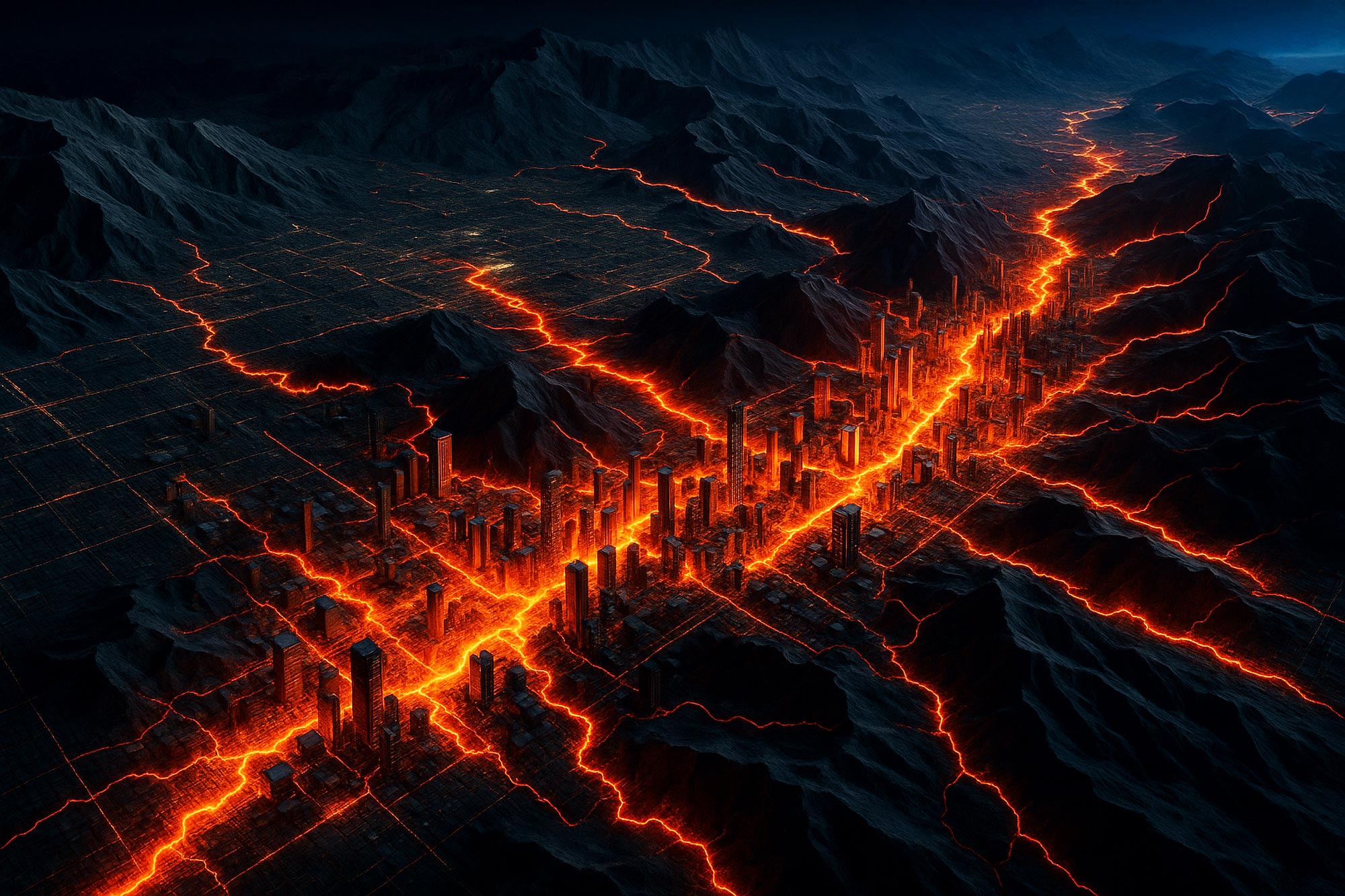 Fault zones are often wide, branching networks rather than narrow lines, requiring a shift to 3D models for better earthquake prediction and hazard analysis, while narrow creep zones highlight potential errors in interpreting past seismic events.
At the Seismological Society of America’s Annual Meeting, researchers tackled a deceptively simple question: How wide are faults?
Christie Rowe of the Nevada Seismological Laboratory at the University of Nevada, Reno, and Alex Hatem of the U.S. Geological Survey analyzed global data from individual earthquakes to find a more complete answer, one that accounts for both surface ruptures and deeper fault movements, including creeping sections.
originally posted at
Fault zones are often wide, branching networks rather than narrow lines, requiring a shift to 3D models for better earthquake prediction and hazard analysis, while narrow creep zones highlight potential errors in interpreting past seismic events.
At the Seismological Society of America’s Annual Meeting, researchers tackled a deceptively simple question: How wide are faults?
Christie Rowe of the Nevada Seismological Laboratory at the University of Nevada, Reno, and Alex Hatem of the U.S. Geological Survey analyzed global data from individual earthquakes to find a more complete answer, one that accounts for both surface ruptures and deeper fault movements, including creeping sections.
originally posted at 
SciTechDaily
You Could Be at Risk: Earthquake Fault Zones Far Wider Than Previously Thought
Fault zones are often wide, branching networks rather than narrow lines, requiring a shift to 3D models for better earthquake prediction and hazard...
Stacker News
You Could Be at Risk: Earthquake Fault Zones Far Wider Than Previously Thought \ stacker news ~news
Fault zones are often wide, branching networks rather than narrow lines, requiring a shift to 3D models for better earthquake prediction and hazard...