A group in San Diego is patrolling neighborhoods to identify potential ICE presence. They keep watch for vehicles that may belong to federal agencies, and use livestreams, radios, and social media to keep communities informed.

UniĂłn del Barrio first started its community patrol program more than thirty years ago in response to police harassment of Latinos. The group reactivated its community patrols recently in response to increased federal immigration enforcement in San Diego.
JUST IN: Democrat John Ewing has defeated Omaha Mayor Jean Stothert, a Republican who was running for a fourth term. Ewing, who currently serves as Douglas County's treasurer and will be Omaha's first Black mayor, leads Stothert 56 to 44 percent with most ballots counted.
A group in San Diego is patrolling neighborhoods to identify potential ICE presence. They keep watch for vehicles that may belong to federal agencies, and use livestreams, radios, and social media to keep communities informed.
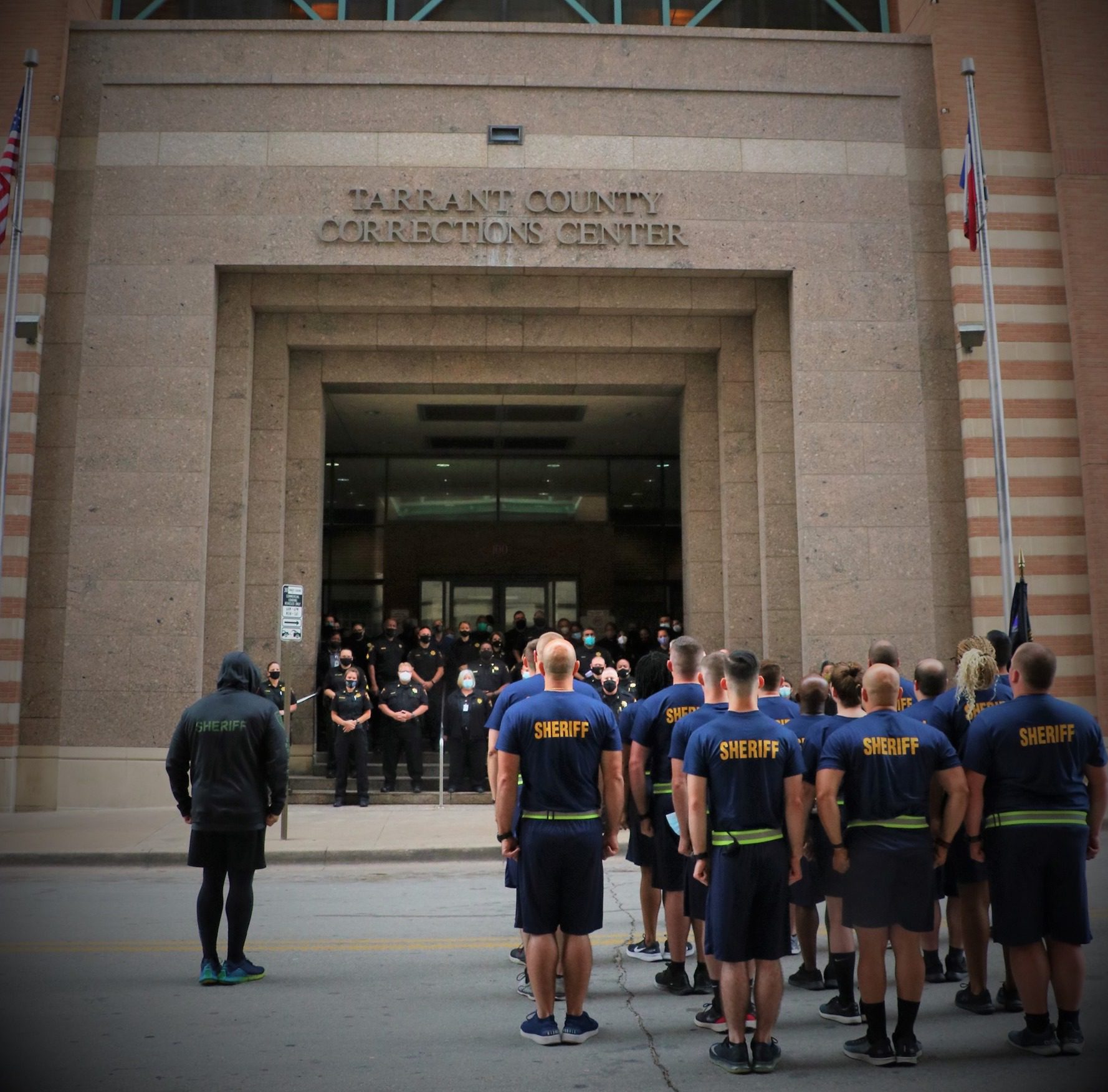
Texas law requires that sheriffs order an outside investigation when someone dies in custody. Bolts learned this is not happening in one of Texas' biggest counties—and the state agency in charge of oversight says it's powerless to make officials comply.
Today is Election Day in Newark’s school board race, and 16- and 17 year olds can vote for the first time. Gabrielly Ferreira, who is 16, told Bolts, “Voting gives me power to shape my education.”
Bolts is hiring a new audience engagement editor. We will start reviewing applications on Monday: We hope to hear from you before then! Details are available here: https://boltsmag.org/jobs-at-bolts/audience-engagement-editor/
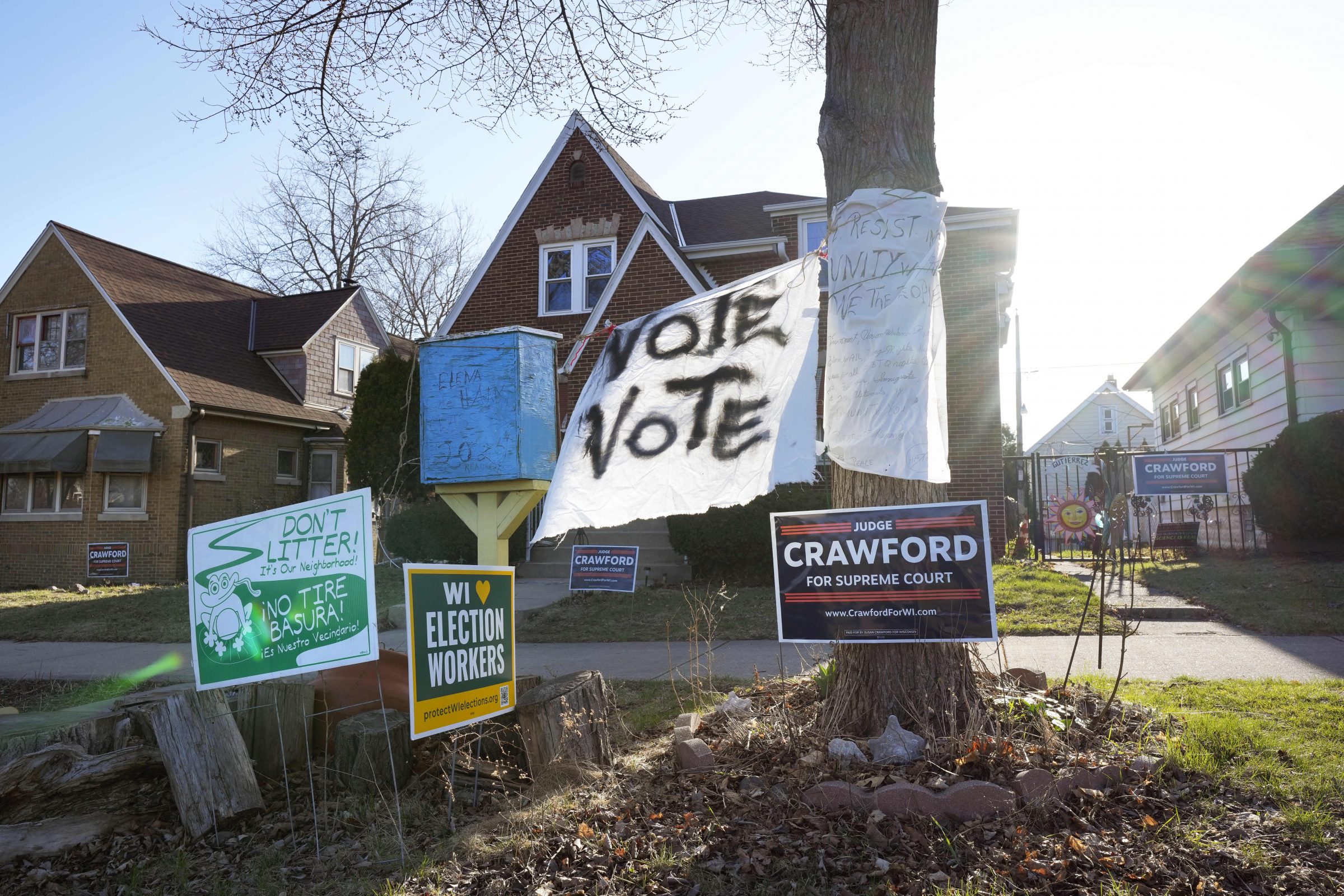
Susan Crawford performed strongly across Wisconsin yesterday, and she flipped ten counties that voted for Trump in November. Turnout was roughly 30 percent higher than the state’s 2023 supreme court race, and nearly double the 2019 supreme court race.
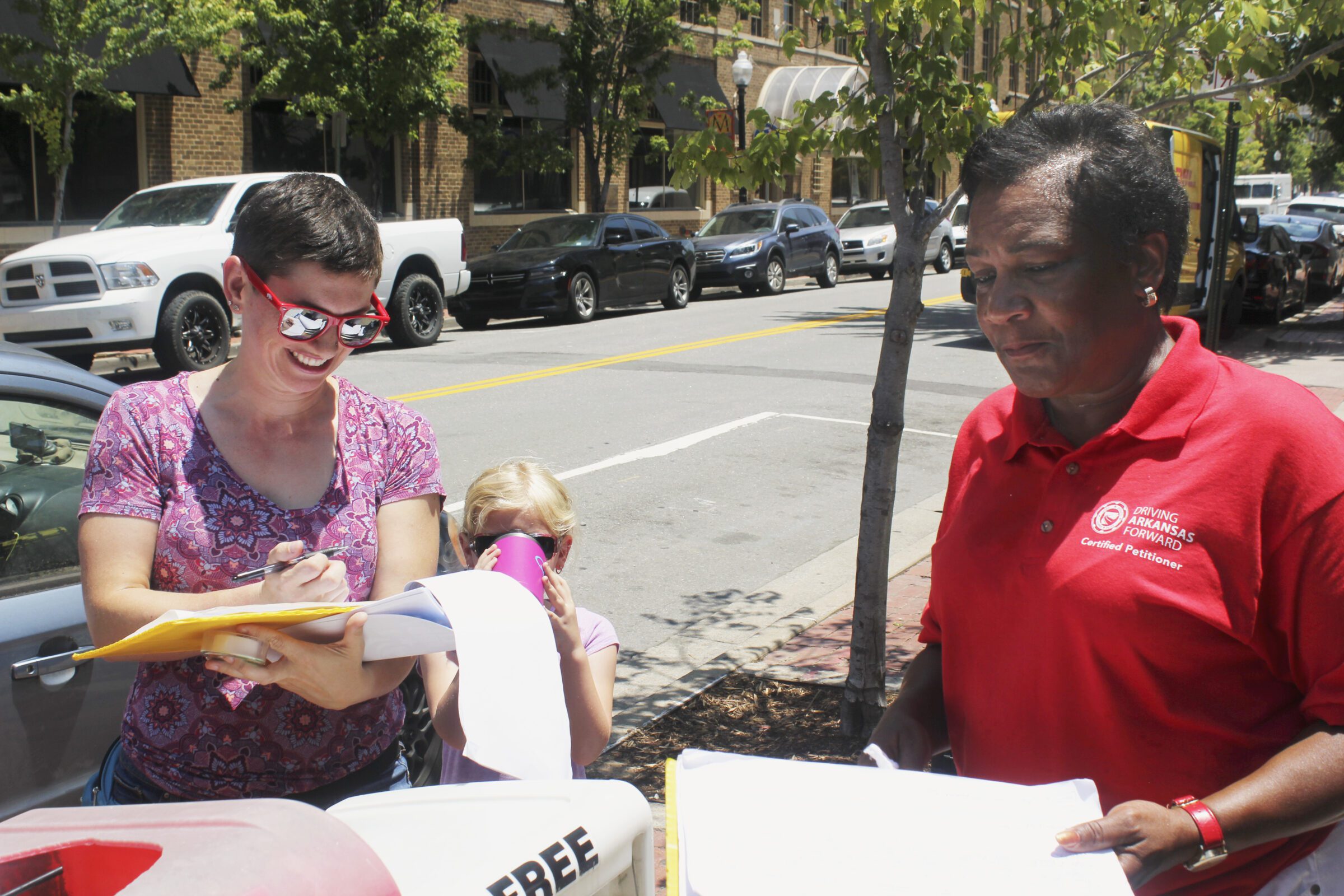
In Arkansas, organizers working on ballot initiatives already face a mountain of technical rules to satisfy — down to the color of ink that notaries must use on petitions. The state government just passed a barrage of new laws to make this even tougher.
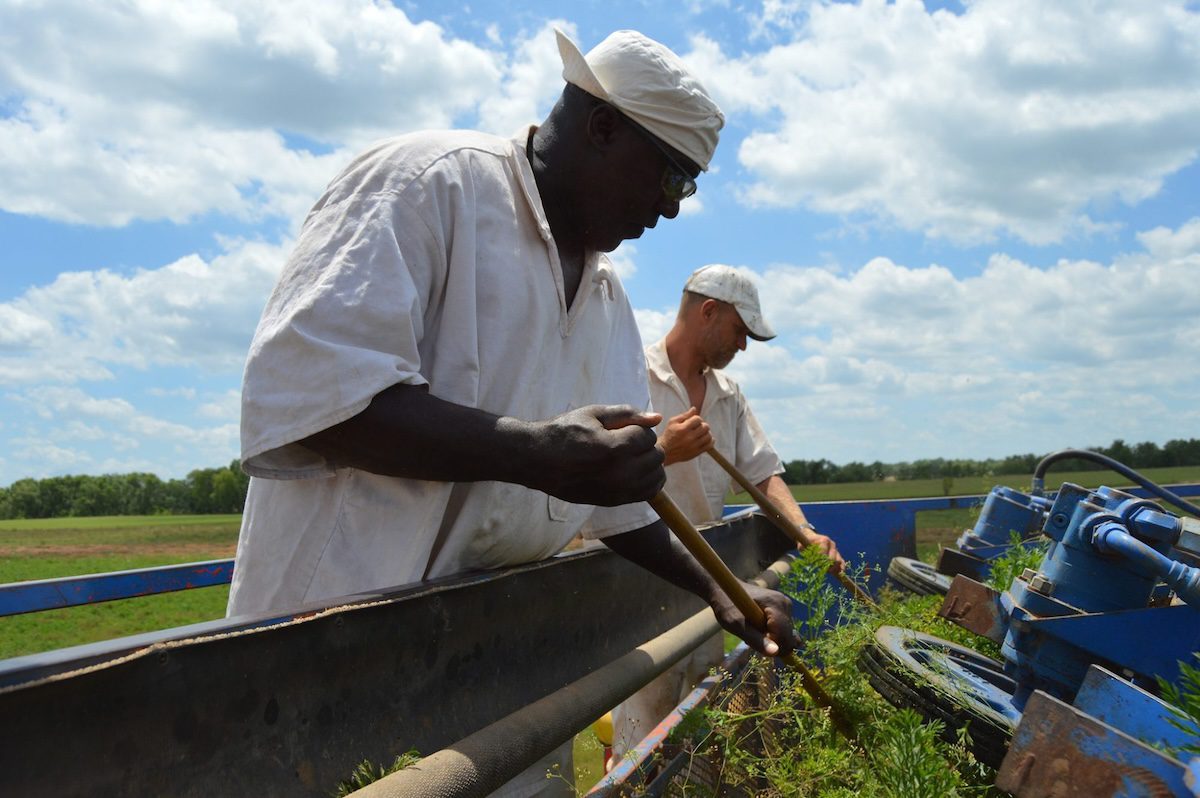
Prisons across the U.S. rely on incarcerated labor, often paying people cents per hour—or nothing at all. Historian Robert Chase answered readers’ questions on how this system developed, how it works today, and efforts to challenge it.