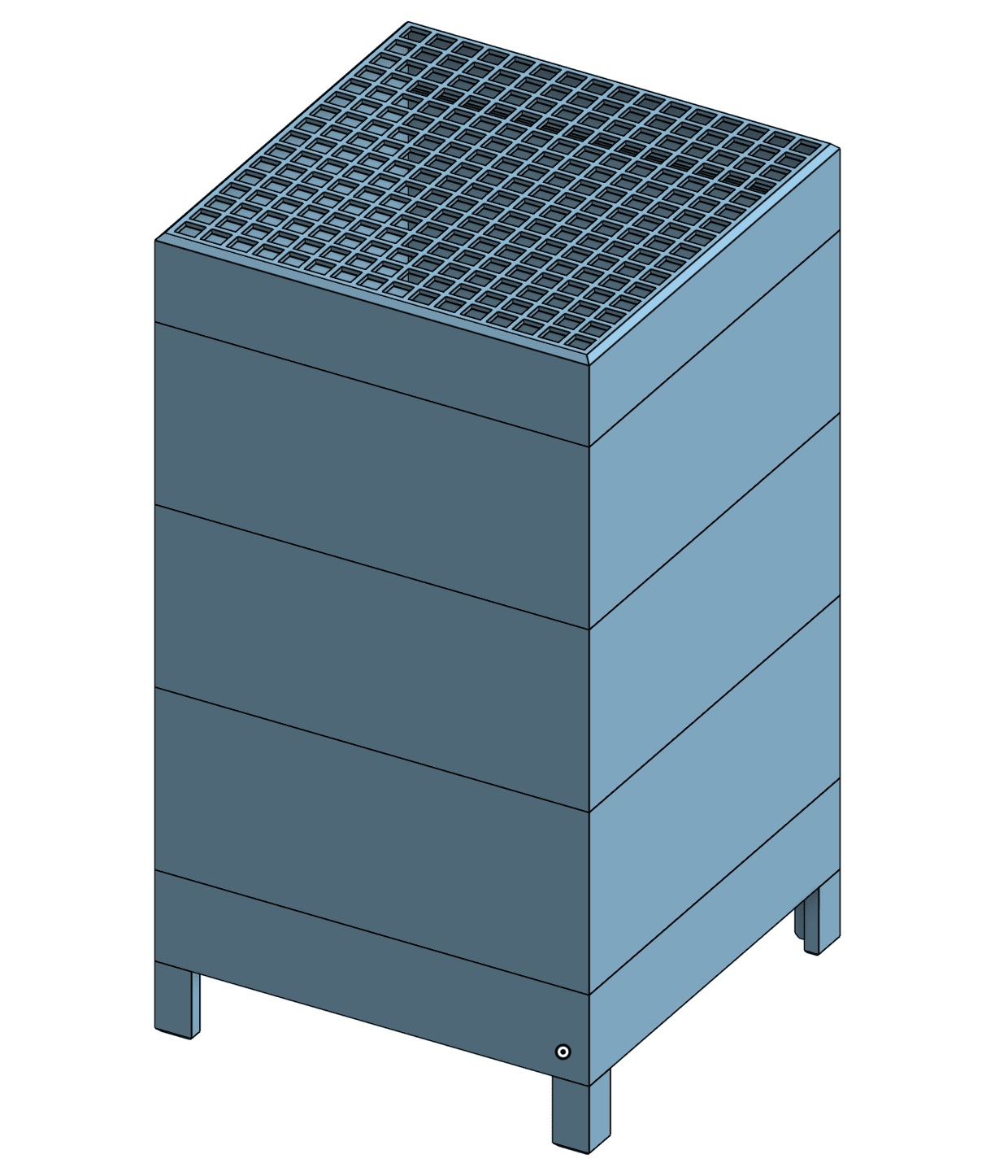
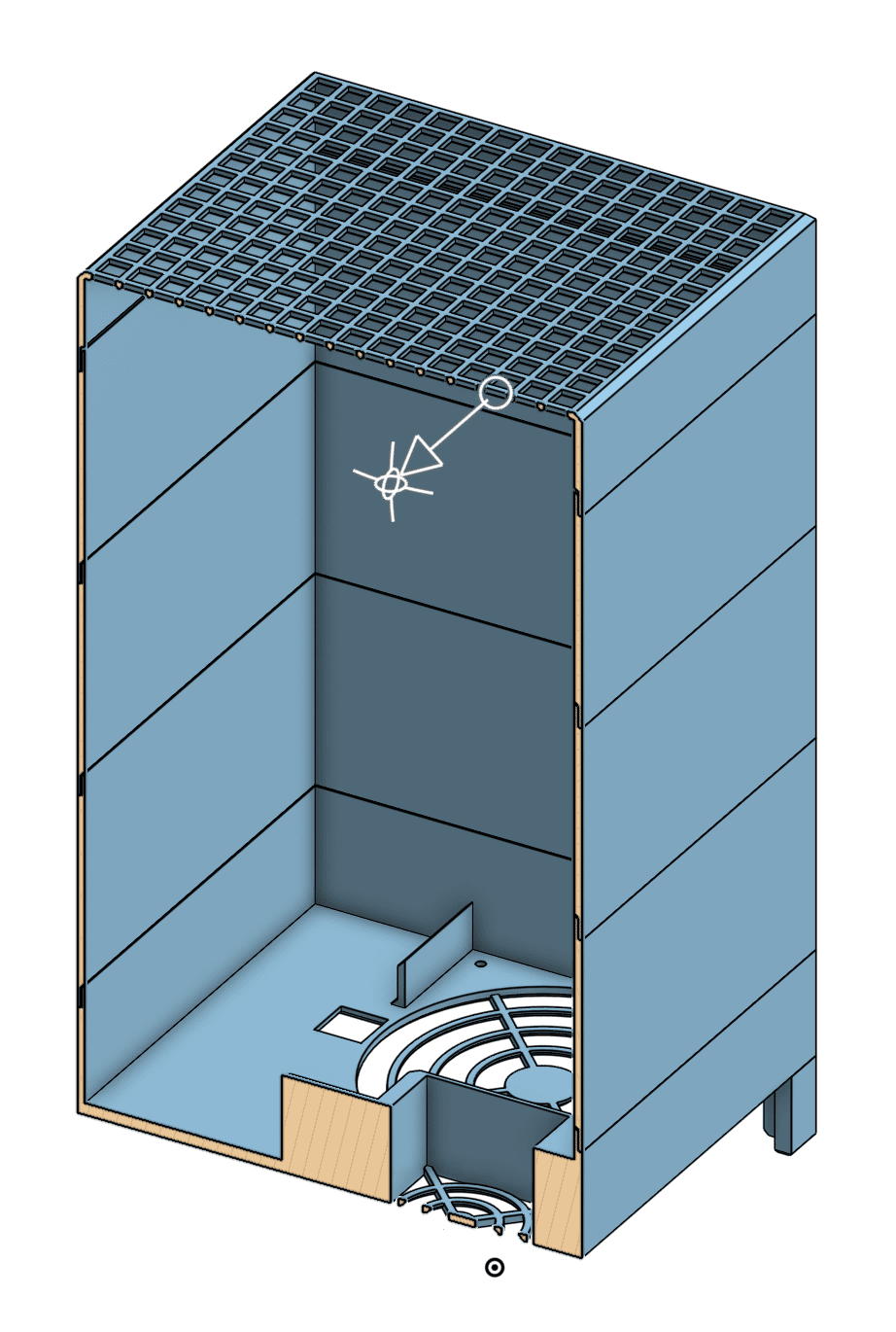
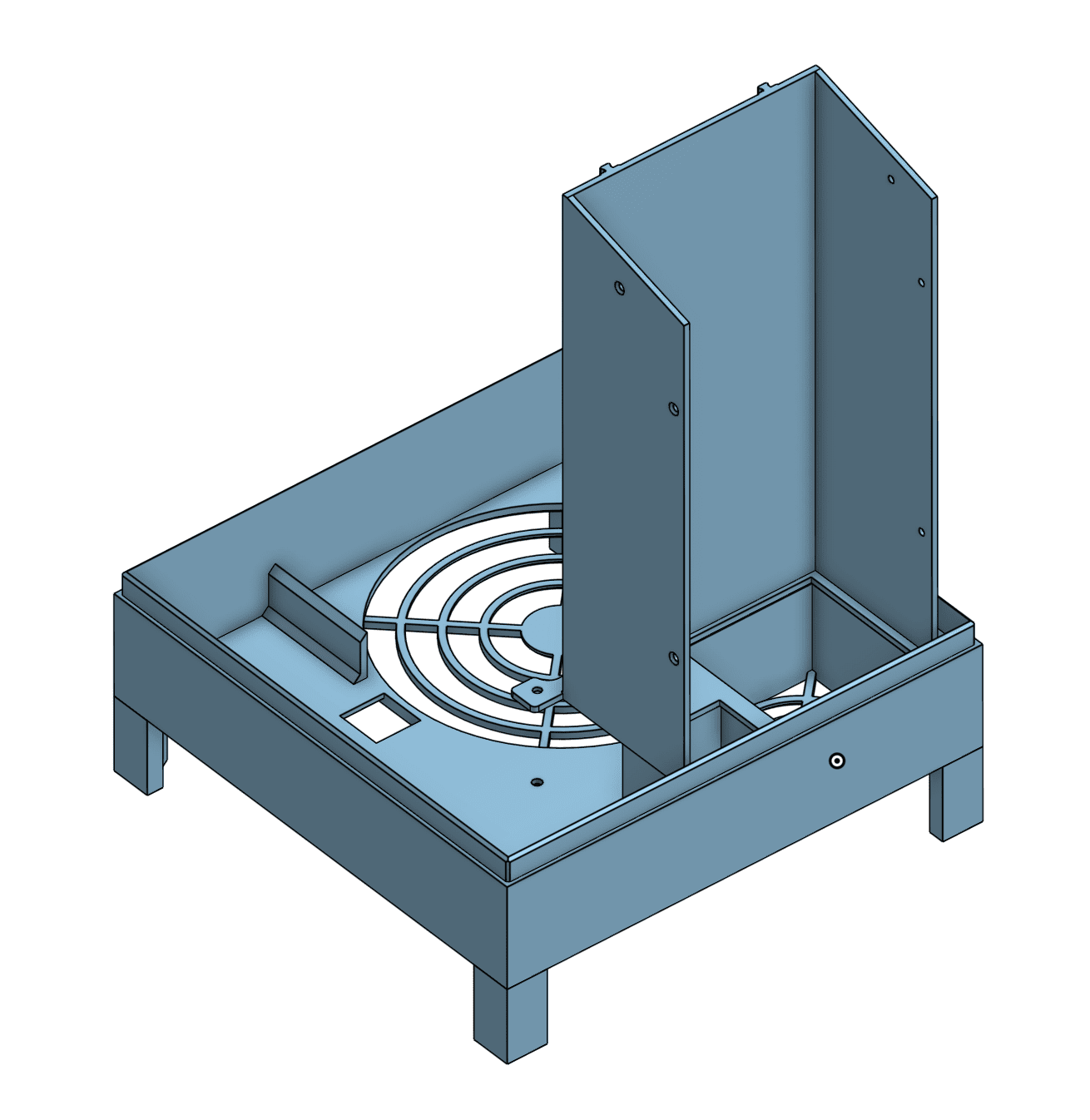
Been working on something with a great crew over the past few months. Stay tuned!
View quoted note →
 Industrial scale bitcoin mining typically house many ASIC miners within large containers or buildings. These structures have huge surface areas. So what's the impact of solar heating on them? Let's assess.👇
Heat flux is a measure of heat energy transfer per a given surface area. For this example we use [W/m2]. That's energy over time (W=J/s), also known as power, per square meter.
The average value for solar heat flux is about q_sol=1361 [W/m2] on earth. We can conservatively knock this down to ~ q_sol=1000 [W/m2] to account for some clouds and other factors.
A materials surface finish defines what are called optical properties. Key optical properties are absorptivity (α) and emissivity (ϵ). Absorptivity, which is necessary for solving this example calculation, is a value between 0-1 that defines a material's ability to absorb incident radiation energy. Emissivity, also expressed as a value between 0-1, is a measure of a material's ability to emit thermal radiation relative to that of an ideal black body (compare to a perfect radiative emitter) at the same temperature.
Take a white paint, for example. A common absorptivity value is α_white = 0.15
Black paint, on the other hand commonly has a value of α_black = 0.85
We can solve for the solar heat energy absorbed into a standard shipping container with 40' x 8.5' x 8' dimensions.
Total exposed external surface area (excluding bottom) for the crate is 1116 [ft2]. Let's conservatively cut this in half, as the solar rays won't be able to directly hit all 5 sides of the crate at once. That gives us 558 [ft2], or about 52 [m2].
The total heat energy transferred into the container can be calculated with the simple equation below:
Q [W] = q_sol [W/m2] * α [-] * Surface Area [m2]
For white and black painted shipping containers respectively, we find:
Q_white = 1000 [W/m2] * 0.15 * 52 [m2] = 7800 [W]
Q_black = 1000 [W/m2] * 0.85 * 52 [m2] = 46800 [W]
A difference of 39000 [W] or 39 [kW] of heat energy absorbed into the container! That's the equivalent of heat energy produced by 11 ASICs that pull 3550 [W]!
Now obviously, I don't think there are many miners out there painting their structures black. But this example does show just how large the impact of solar heat flux can be on large surface areas.
There are some interesting materials and paint selections out there, purposely designed to serve as a passive thermal protection systems. Low absorptivity and high emissivity allow for the surface to reflect incoming heat whilst efficiently rejecting any heat contained.
I think novel solutions such as this can help to keep a mining operation running efficiently, especially in hot and sunny environments like Texas.
Are you a miner implementing any trick solutions to help dissipate and reject heat? Let me know!
Industrial scale bitcoin mining typically house many ASIC miners within large containers or buildings. These structures have huge surface areas. So what's the impact of solar heating on them? Let's assess.👇
Heat flux is a measure of heat energy transfer per a given surface area. For this example we use [W/m2]. That's energy over time (W=J/s), also known as power, per square meter.
The average value for solar heat flux is about q_sol=1361 [W/m2] on earth. We can conservatively knock this down to ~ q_sol=1000 [W/m2] to account for some clouds and other factors.
A materials surface finish defines what are called optical properties. Key optical properties are absorptivity (α) and emissivity (ϵ). Absorptivity, which is necessary for solving this example calculation, is a value between 0-1 that defines a material's ability to absorb incident radiation energy. Emissivity, also expressed as a value between 0-1, is a measure of a material's ability to emit thermal radiation relative to that of an ideal black body (compare to a perfect radiative emitter) at the same temperature.
Take a white paint, for example. A common absorptivity value is α_white = 0.15
Black paint, on the other hand commonly has a value of α_black = 0.85
We can solve for the solar heat energy absorbed into a standard shipping container with 40' x 8.5' x 8' dimensions.
Total exposed external surface area (excluding bottom) for the crate is 1116 [ft2]. Let's conservatively cut this in half, as the solar rays won't be able to directly hit all 5 sides of the crate at once. That gives us 558 [ft2], or about 52 [m2].
The total heat energy transferred into the container can be calculated with the simple equation below:
Q [W] = q_sol [W/m2] * α [-] * Surface Area [m2]
For white and black painted shipping containers respectively, we find:
Q_white = 1000 [W/m2] * 0.15 * 52 [m2] = 7800 [W]
Q_black = 1000 [W/m2] * 0.85 * 52 [m2] = 46800 [W]
A difference of 39000 [W] or 39 [kW] of heat energy absorbed into the container! That's the equivalent of heat energy produced by 11 ASICs that pull 3550 [W]!
Now obviously, I don't think there are many miners out there painting their structures black. But this example does show just how large the impact of solar heat flux can be on large surface areas.
There are some interesting materials and paint selections out there, purposely designed to serve as a passive thermal protection systems. Low absorptivity and high emissivity allow for the surface to reflect incoming heat whilst efficiently rejecting any heat contained.
I think novel solutions such as this can help to keep a mining operation running efficiently, especially in hot and sunny environments like Texas.
Are you a miner implementing any trick solutions to help dissipate and reject heat? Let me know!