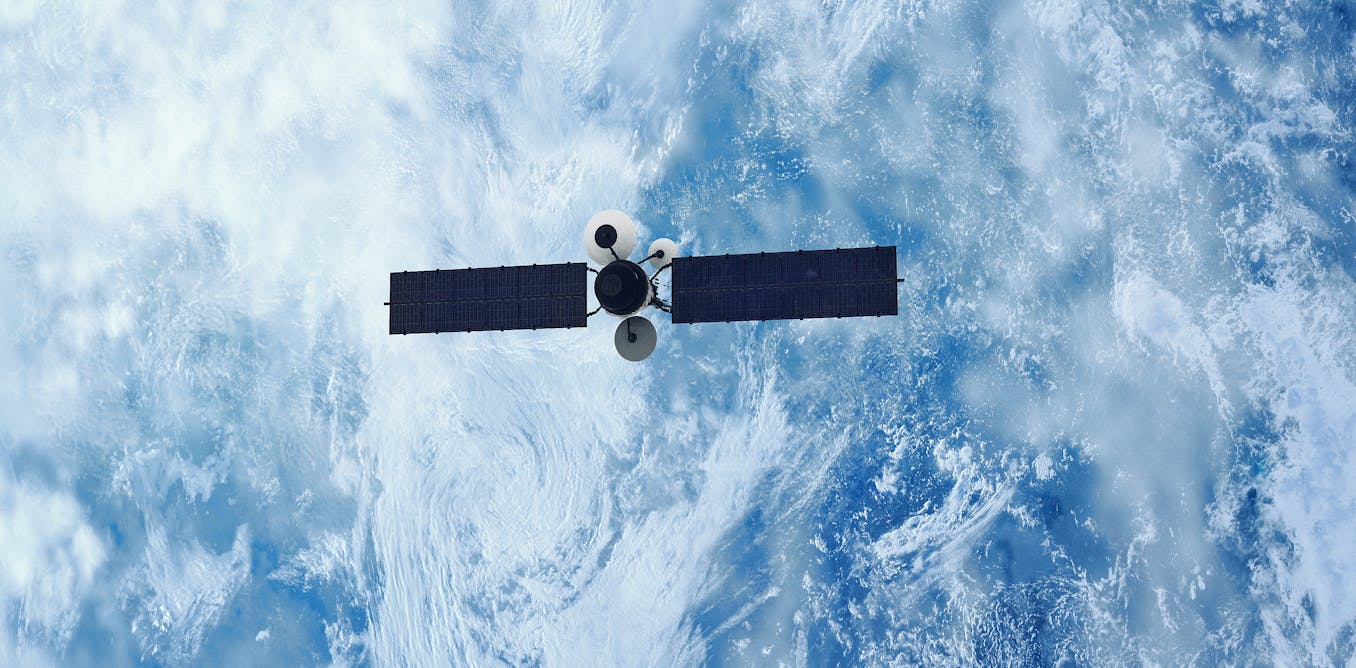
Space’s next frontier is closer than ever. Engineers are developing satellites that orbit just 60–250 miles above Earth, promising sharper images, faster internet and better weather data (if they can overcome intense atmospheric drag).
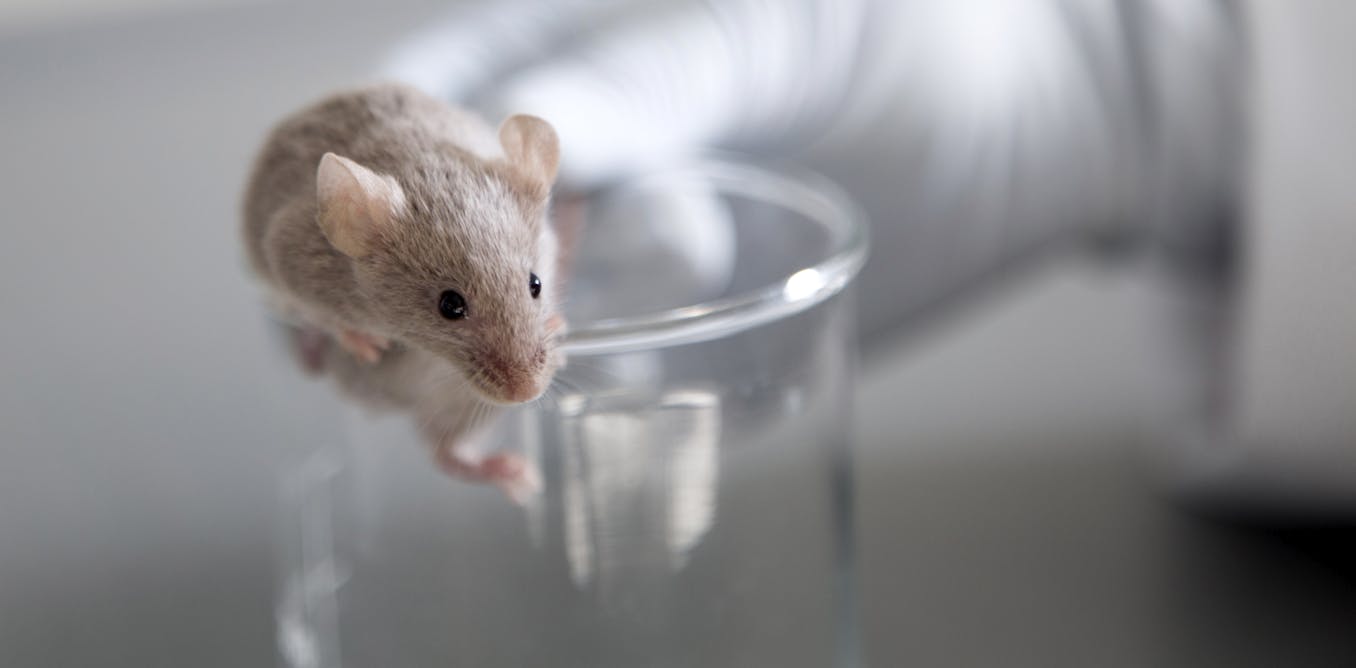
Studying how mice see is giving neuroscientists new insight into how the human brain turns light into vision 👀
Letter grades may not show what students actually learn. More teachers are experimenting with alternatives like retakes, portfolios and feedback-based grading to better measure understanding, not just test performance.
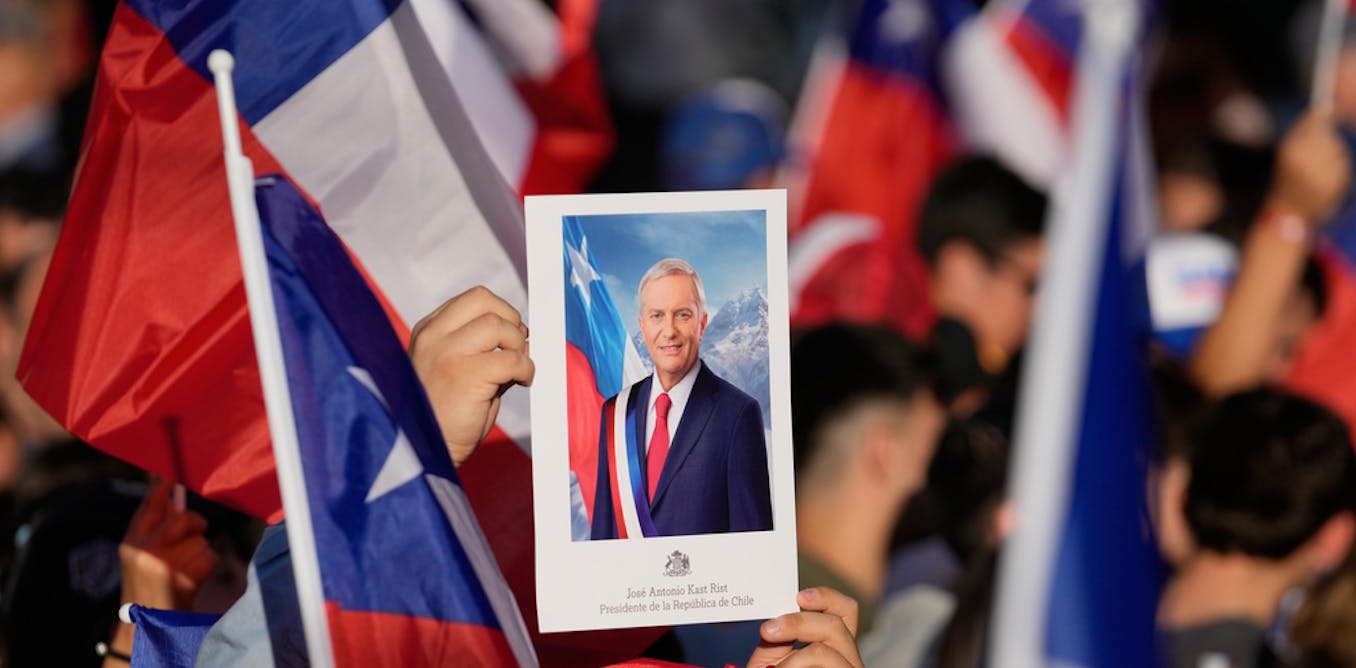
Chile’s new president is the country’s most right-wing leader in decades. Beyond ideology, the vote points to something else: deep voter frustration and a habit of punishing incumbents.
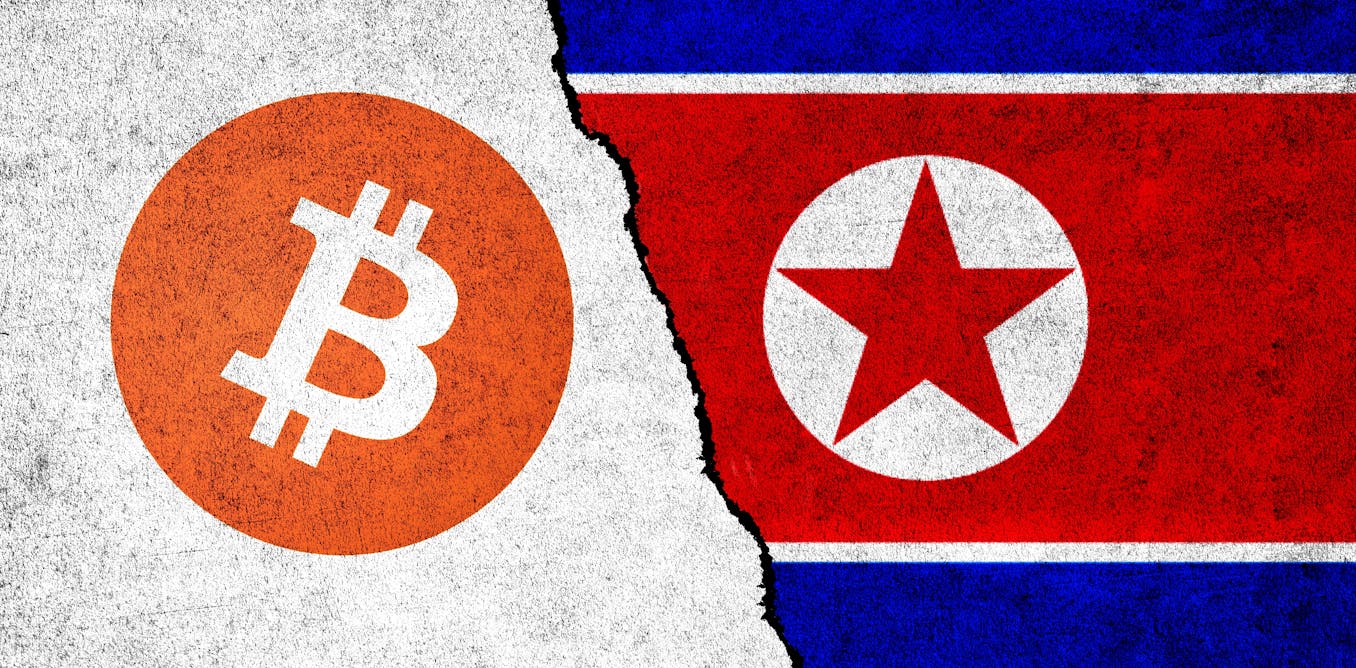
Weak crypto regulation is creating new pathways for rogue states like North Korea and Russia and militant groups like Hamas to finance weapons programs. #news #crypto
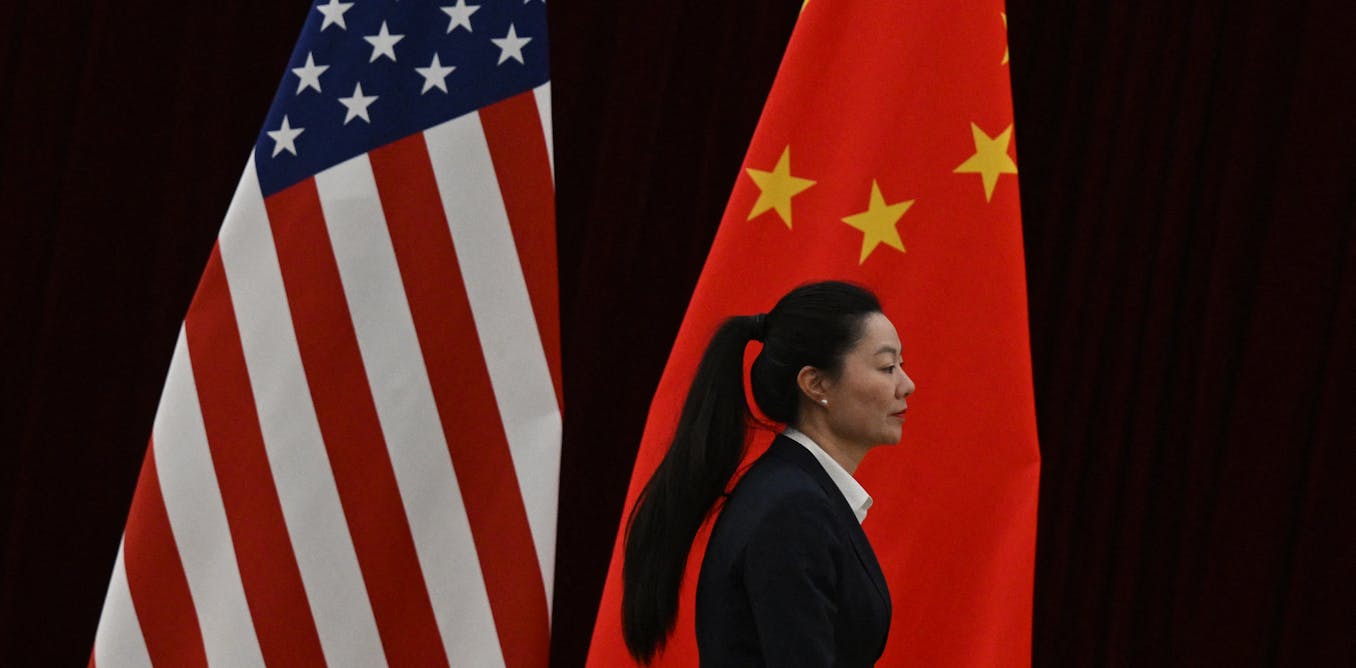
At the top, U.S.-China tensions run hot. Inside government offices, things look familiar. A new analysis shows bureaucrats on both sides respond to the same pressures and manage difficulties in similar ways.
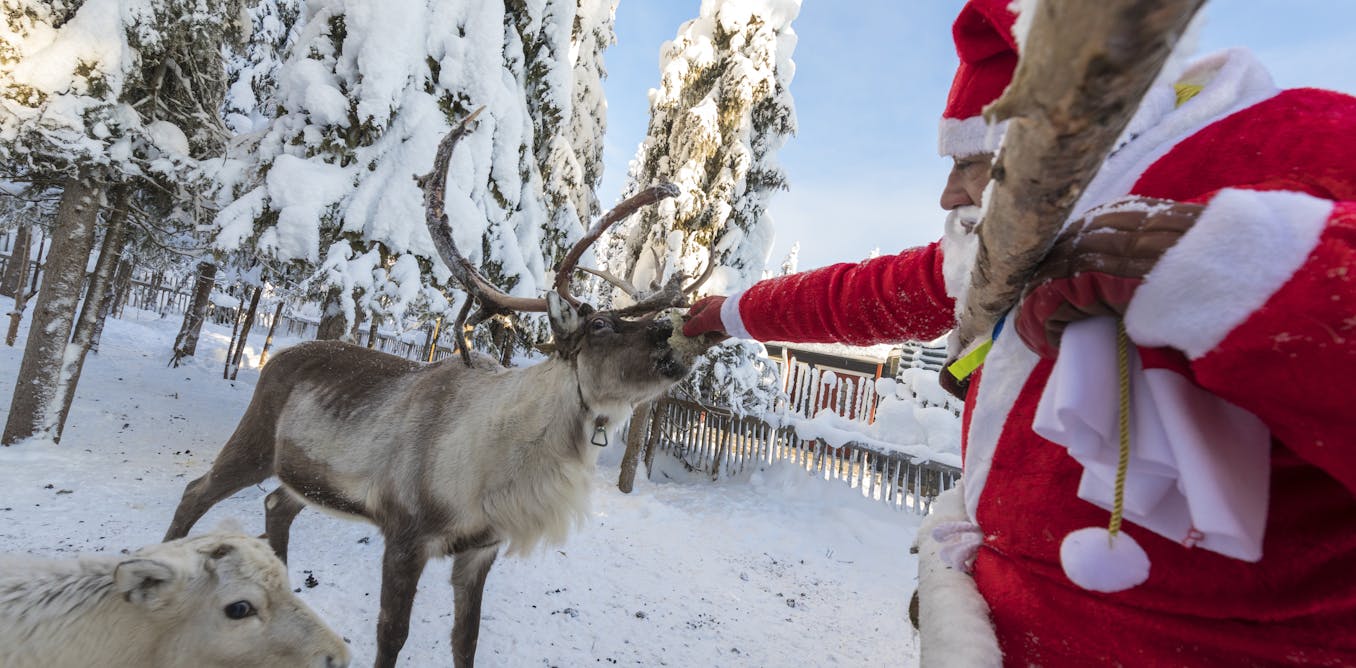
The magnetic North Pole is drifting (up to 34 miles a year!) 🌍 That affects compasses, smartphones and navigation worldwide (including Santa’s sleigh). Here’s why it moves and how your devices adjust:
A genetic researcher who has spent a decade studying how new drugs are developed (after decades doing it himself) writes that NIH funding is crucial to the process, and has been a huge driver of innovation and economic growth. The White House has proposed a 40% budget cut for 2026.
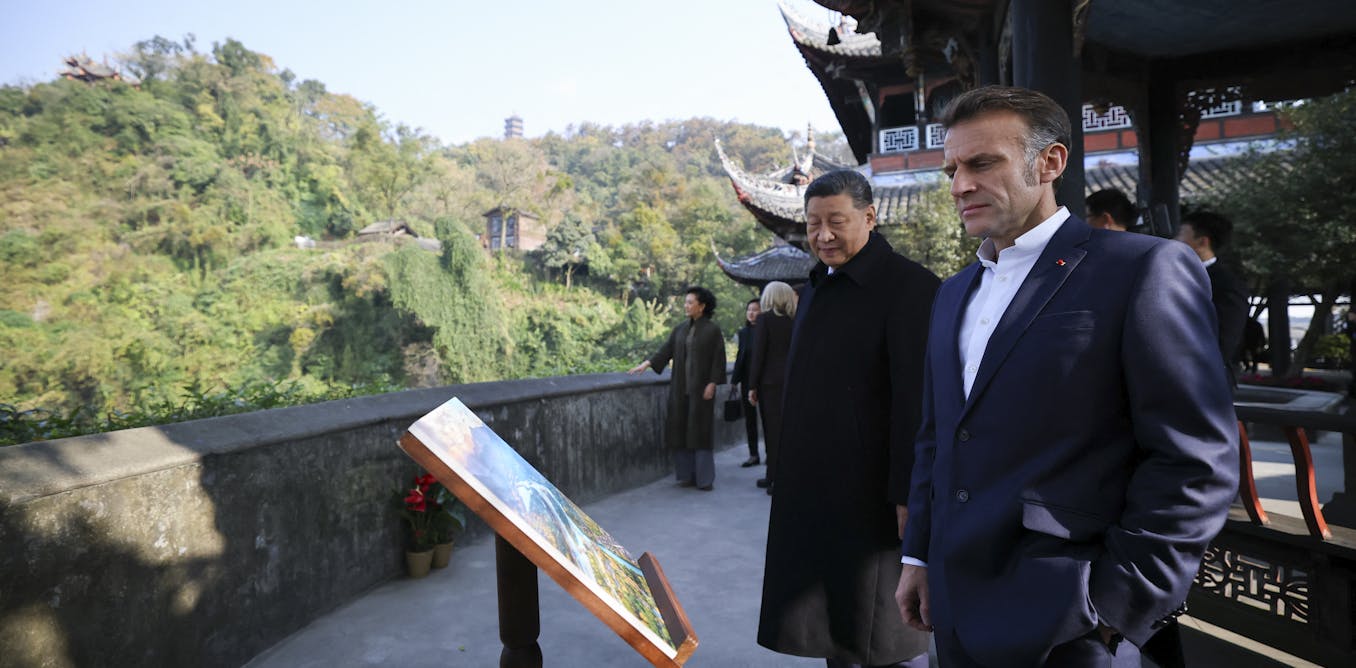
How China’s President Xi’s does diplomacy with pandas, pingpong and ancient canals. A cultural historian of modern China explains:
Coup contagion? A rash of African power grabs suggests copycats are taking note of others’ success